• In the world of horology, few names evoke as much reverence and admiration as Swiss-made watches. For centuries, these precision timepieces have been synonymous with excellence, craftsmanship, and style. But what is it about Swiss-made watches that has made them so famous and sought after?


    The story of Swiss watchmaking begins in the 16th century, when Huguenot refugees brought their skills and knowledge to Switzerland. The country’s unique combination of natural resources, skilled artisans, and innovative spirit created the perfect environment for watchmaking to flourish. Swiss watchmakers developed a reputation for precision, attention to detail, and innovative designs.


    The 19th century saw the emergence of iconic Swiss watch brands like Patek Philippe, Rolex, and Omega. These companies set the standard for quality, pushing the boundaries of what was possible in watchmaking. Their commitment to excellence, combined with innovative marketing and strategic branding, cemented Swiss-made watches as the gold standard.

    What Makes Swiss-Made Watches So Special?

    • Precision and Accuracy: Swiss watches are renowned for their precise timekeeping, thanks to rigorous testing and quality control.
    • Craftsmanship and Attention to Detail: Swiss watchmakers are known for their meticulous attention to detail, ensuring every component is crafted to perfection.
    • Innovative Designs: Swiss watch brands have consistently pushed the boundaries of design, creating timepieces that are both functional and beautiful.
    • Quality and Reliability: Swiss-made watches are built to last, with many becoming family heirlooms.


    Today, Swiss-made watches continue to be highly prized by collectors and connoisseurs. The Swiss watch industry is regulated by strict laws, ensuring that only watches meeting specific criteria can bear the “Swiss Made” label. This commitment to quality and tradition has maintained the allure of Swiss-made watches, making them a timeless investment.


    Swiss-made watches are more than just timepieces – they’re a testament to human ingenuity, craftsmanship, and passion. Their enduring popularity stems from a legacy of precision, innovation, and style. Whether you’re a seasoned collector or simply appreciate fine horology, Swiss-made watches are truly in a league of their own .


  • In the southwestern corner of India lies Keralam, a land of breathtaking beauty and unparalleled abundance. From the misty hills of Wayanad to the tranquil backwaters of Alappuzha, Keralam is a treasure trove of natural wonders, rich culture, and warm hospitality.


    Keralam’s abundance is evident in its lush landscapes, verdant forests, and pristine beaches. The state’s tropical climate and rich soil make it an ideal haven for a diverse range of flora and fauna. From the majestic elephants of the Periyar forests to the vibrant birdlife of the Kumarakom wetlands, Keralam is a nature lover’s paradise.


    Keralam’s abundance is not limited to its natural beauty. The state’s rich cultural heritage is a testament to its history as a major hub of trade and commerce. The ancient ports of Muziris and Kollam were once bustling centers of international trade, attracting merchants and travelers from across the world.


    Keralam’s abundance is also reflected in its cuisine, which is renowned for its rich flavors and aromas. From the spicy curries of the north to the delicate seafood dishes of the coast, Keralam’s food is a culinary delight. The state’s famous dishes, such as sadya and appam, are a testament to its rich cultural heritage.


    The people of Keralam are known for their warmth and hospitality. The state’s high literacy rate and strong social fabric have created a society that is both progressive and inclusive. From the vibrant festivals of Onam and Vishu to the traditional art forms of Kathakali and Theyyam, Keralam’s culture is a rich tapestry of traditions and customs.


    Keralam’s abundance is not just limited to its natural beauty and cultural heritage. The state is also a hub of economic activity, with a strong focus on industry, tourism, and IT. The state’s strategic location and well-developed infrastructure make it an attractive destination for businesses and investors.


    Keralam is indeed a land of abundance, blessed with natural beauty, rich culture, and warm hospitality. From its stunning landscapes to its vibrant culture, Keralam is a treasure trove of wonders waiting to be explored. Whether you’re a nature lover, a foodie, or simply a curious traveler, Keralam has something to offer everyone .


  • In the heart of Afghanistan, nestled in the Hindu Kush mountain range, lies the captivating city of Kabul. With a history spanning over 3,500 years, Kabul has been a melting pot of cultures, empires, and civilizations. From ancient trade routes to modern-day urbanization, this city has witnessed it all.


    Kabul’s story begins in the 2nd millennium BCE, when it was an important stop on the Silk Road, connecting East and West. The city’s strategic location made it a prized possession for various empires, including the Achaemenids, Mauryans, and Kushans. As the city grew, so did its cultural significance, with influences from Greek, Persian, and Indian civilizations.


    With the advent of Islam in the 7th century, Kabul became a hub for Islamic culture and learning. The city flourished under various Muslim dynasties, including the Samanids and Ghaznavids. However, the Mongol invasion in the 13th century left a lasting impact on the city, which was later rebuilt under the Timurid Empire.


    In the 16th century, Kabul became a vital region of the Mughal Empire, with Emperor Babur recognizing its strategic importance. Babur built the famous Bagh-e Babur (Babur’s Garden), which remains a historical site today. The city’s significance continued under the Afghan Empire, with Kabul becoming the capital in 1776.


    Today, Kabul is a bustling metropolis with a population of over 4.5 million people. The city is a mix of old and new, with ancient bazaars and modern high-rises coexisting. Despite facing numerous challenges, including conflict and economic struggles, Kabul remains a city of resilience and hope.

    Must-Visit Attractions

    • Bagh-e Babur: A beautiful garden built by Emperor Babur, offering stunning views of the city.
    • Gardens of Babur: A historic garden complex with walking trails, fountains, and scenic views.
    • Kabul Museum: A treasure trove of Afghan art, history, and culture.
    • Darul Aman Palace: A historic palace with stunning architecture and gardens.

    Kabul’s story is one of perseverance, cultural richness, and historical significance. As you walk through the city’s ancient streets, you’ll uncover a tapestry of stories, traditions, and people that make Kabul truly unique.


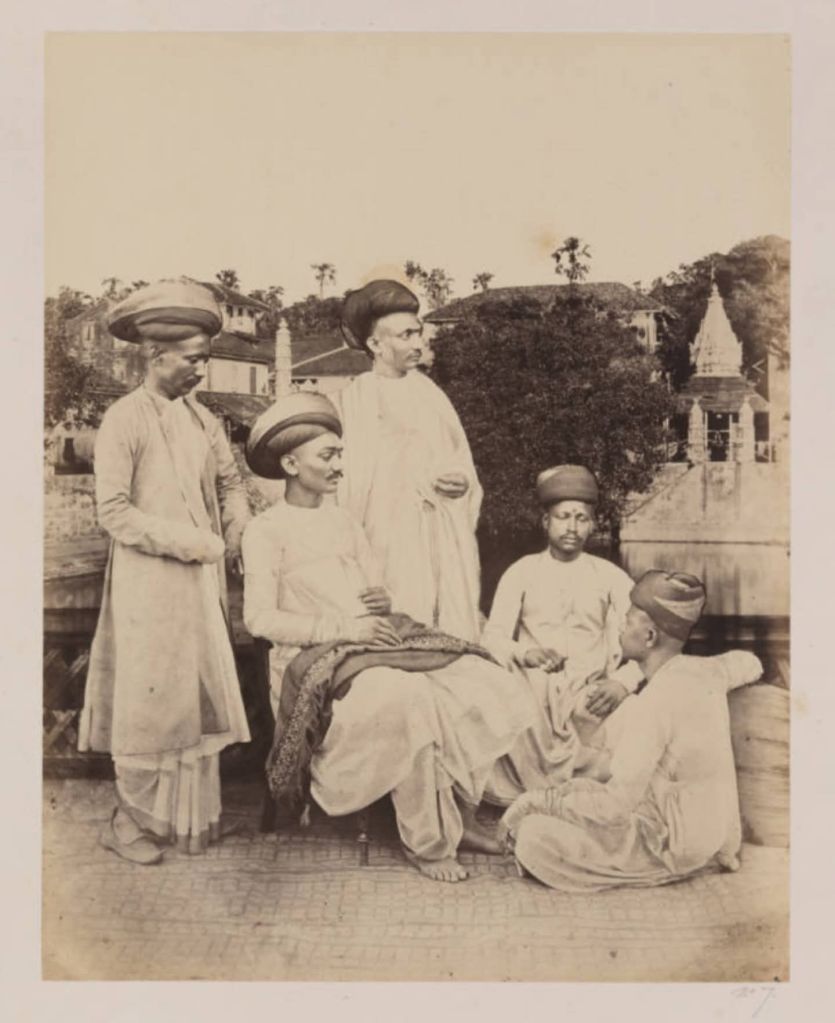
  • In the vibrant tapestry of Indian society, the Baniya community stands out as a testament to the power of commerce and tradition. With roots stretching back centuries, this mercantile caste has played a pivotal role in shaping India’s economic landscape.


    The term “Baniya” is derived from the Sanskrit word “vanij,” meaning “merchant” or “trader.” This community is primarily found in the Indian states of Rajasthan, Gujarat, and Maharashtra, with significant diasporic communities in Uttar Pradesh, Madhya Pradesh, West Bengal, and other northern states.


    Traditionally, the Baniya community has been associated with occupations such as trade, banking, and money-lending. Their expertise in commerce and finance has earned them a reputation as shrewd businesspeople, with a strong emphasis on honesty, integrity, and community ties.


    The Baniya community comprises several sub-castes, including Agarwal, Khandelwal, Maheshwari, Oswal, Porwad, and Shrimali Baniyas. These sub-castes are further divided into gotras, which play a significant role in regulating marriages and establishing kinship ties.


    Baniyas are known for their strong cultural heritage, with a deep emphasis on education, family values, and community service. They have contributed significantly to India’s cultural landscape, funding temples, hospitals, schools, and universities.

    Notable Personalities
    The Baniya community has produced many notable personalities, including:

    • Ashok Singhal: President of the Hindu organisation VHP
    • Mukesh Bansal: Founder of Myntra
    • Bharatendu Harishchandra: Father of Modern Hindi Literature and Hindi Theatre
    • Peyush Bansal: Founder of Lenskart
    • Arvind Kejriwal: Chief Minister of Delhi


    The Baniya community’s legacy is a testament to the power of tradition, commerce, and community. Their contributions to India’s economic and cultural landscape continue to inspire generations, making them an integral part of the country’s rich tapestry.


  • Kim Kardashian’s journey to stardom is a fascinating tale of perseverance, savvy business acumen, and an unrelenting passion for self-reinvention. Born on October 21, 1980, in Los Angeles, California, Kim’s life took a dramatic turn when she married music producer Damon Thomas in 2000. Though the marriage ended in divorce, it marked the beginning of her ascent to fame.


    Kim’s early life was marked by her parents’ divorce and her mother’s subsequent marriage to Olympic athlete Bruce Jenner (now Caitlyn Jenner). She began her career as a stylist and fashion designer, eventually catching the attention of Paris Hilton, who became her close friend and mentor. Kim’s association with Hilton opened doors to the glamorous world of Hollywood, setting the stage for her reality TV debut.


    In 2007, Kim’s life took a significant turn with the launch of “Keeping Up with the Kardashians.” The show catapulted her to international stardom, showcasing her family dynamics, personal struggles, and budding business ventures. The series ran for 20 seasons, cementing Kim’s status as a household name.


    Kim’s influence extends far beyond reality TV. She’s a fashion icon, with her own clothing line, SKIMS, and collaborations with top designers like Balenciaga and Dolce & Gabbana. Her beauty brand, KKW Beauty, has also become a massive success, offering a range of products that cater to diverse skin tones and types.


    Beyond her business ventures, Kim is a dedicated philanthropist and advocate for social justice. She’s worked tirelessly to raise awareness about prison reform, advocating for the release of wrongly convicted individuals like Toforest Johnson and Melissa Lucio. Her podcast, “The System: The Case of Kevin Keith,” sheds light on the flaws in the US justice system.


    Kim’s personal life has been subject to intense media scrutiny, with high-profile relationships and marriages making headlines. Despite facing numerous challenges, including her divorce from Kanye West, Kim has demonstrated remarkable resilience and adaptability. She’s a devoted mother of four and continues to inspire millions with her unwavering confidence and determination.


    Kim Kardashian’s impact on popular culture cannot be overstated. She’s redefined the concept of celebrity, leveraging her influence to build a business empire and drive meaningful change. As a trailblazer and icon, Kim’s legacy will undoubtedly continue to inspire generations to come.


  • In the sweltering heat of September 1980, a sudden and unexpected invasion shook the Middle East. Iraqi forces, led by the ambitious dictator Saddam Hussein, poured into Iran, sparking a conflict that would last for nearly a decade. The Iran-Iraq War, as it came to be known, would become one of the deadliest and most devastating conflicts of the 20th century.


    Saddam Hussein’s decision to invade Iran was motivated by a desire to exploit the country’s internal turmoil following the 1979 Iranian Revolution. The Iraqi leader saw an opportunity to assert his dominance over the region and claim control of the strategic Shatt al-Arab waterway, which had long been a source of tension between the two nations. On September 22, 1980, Iraqi forces launched a surprise attack on Iranian airfields and cities, hoping to quickly overwhelm the Iranian military.

    However, the Iraqis underestimated the determination and resilience of the Iranian people. Despite being caught off guard, the Iranian air force retaliated with a series of bombing raids on Iraqi targets, including oil facilities, dams, and petrochemical plants. The war had begun, and it would not end for eight long years.


    The conflict was marked by brutal tactics, including the use of chemical weapons, which would become a hallmark of the war. Iraqi forces repeatedly employed poison gas against Iranian troops and civilians, causing widespread suffering and death. The Iranians, however, refused to back down, and their military launched a series of counterattacks against the Iraqis.

    The war was fought on multiple fronts, with both sides suffering heavy losses. The Iraqis made initial gains, capturing the Iranian city of Khorramshahr, but the Iranians eventually pushed them back. The conflict became a stalemate, with both sides dug in and determined to outlast the other.


    The human toll of the war was staggering. Estimates suggest that between 500,000 to 1 million people were killed or wounded on both sides, with civilians accounting for a significant proportion of the casualties. The war also had a devastating impact on the economies of both countries, with Iraq’s economy shrinking by nearly 50% during the conflict.

    The use of chemical weapons had a lasting impact on the region, with many Iranians still suffering from the effects of exposure to poison gas. The war also had a profound impact on the Middle East, contributing to ongoing conflicts and tensions in the region.


    The war finally came to an end on August 20, 1988, when a UN-brokered ceasefire took effect. The terms of the agreement restored the pre-war borders, but the conflict had achieved little else. Both countries were left exhausted and devastated, with deep-seated hatreds and grievances that would take years to heal.

    In the end, the Iran-Iraq War was a brutal and devastating conflict that had far-reaching consequences for the region. It was a stark reminder of the dangers of military aggression and the importance of diplomacy in resolving conflicts.

    Key Facts:

    • Duration: September 22, 1980 – August 20, 1988
    • Estimated Death Toll: 500,000 to 1 million
    • Causes: Border disputes, Iraq’s desire for dominance, and Iran’s revolutionary government
    • Consequences: Widespread destruction, economic devastation, and ongoing tensions in the region
    • Chemical Warfare: Iraq’s use of poison gas against Iranian troops and civilians had a lasting impact on the region

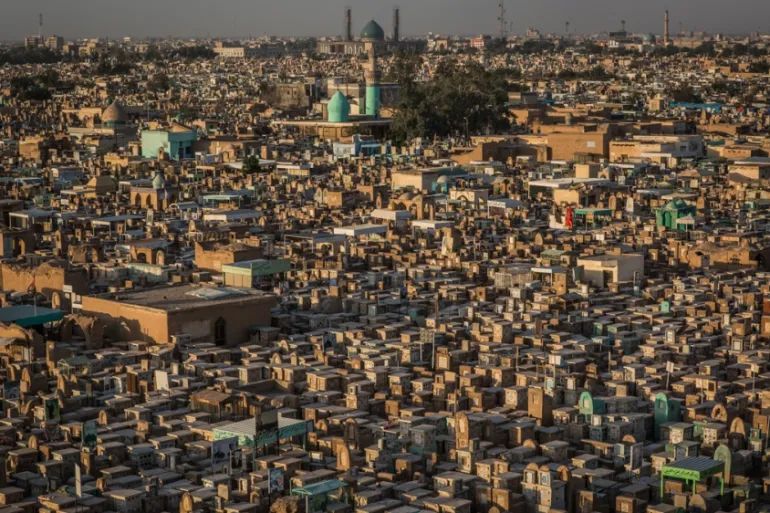
  • In the vast expanse of the Middle East, a land once known for its lush rivers and towering ziggurats, lies the country of Iraq. Its history stretches back millennia, a tale of empires rising and falling, of cultures flourishing and fading. From ancient Mesopotamia to modern-day strife, Iraq’s story is one of resilience and turmoil.


    Iraq’s strategic location made it a prized possession for various empires, including the Ottoman Empire, which ruled the region for centuries. After World War I, Britain imposed a monarchy on Iraq, defining its territorial limits without considering the diverse ethnic and religious groups within its borders. This decision would sow the seeds for future conflicts.


    In 1979, Saddam Hussein took power, ruling Iraq with an iron fist. His ambition led to the Iran-Iraq War, a brutal conflict that devastated the country’s economy and infrastructure. The war left Iraq with significant debts and a weakened state, setting the stage for future instability. In 1990, Saddam’s forces invaded Kuwait, prompting the Gulf War. The international community, led by the United States, intervened, and Iraq was forced to withdraw.


    In 2003, the US-led coalition invaded Iraq, toppling Saddam’s regime. The invasion was expected to be a quick victory, but it marked the beginning of a long and bloody insurgency. The US military struggled to establish stability, and sectarian violence escalated, leading to widespread human suffering. The Iraqi Security Forces were left underdeveloped and vulnerable, and the country teetered on the brink of chaos.

    The Rise of ISIS and Modern-Day Iraq
    In the power vacuum that followed, extremist groups like ISIS gained strength. By 2014, ISIS had taken control of significant parts of Iraq and Syria, declaring a caliphate. The Iraqi military, with the help of international forces, eventually pushed back against ISIS, and by 2017, the group had lost most of its territory. However, the legacy of conflict and instability continues to shape Iraq’s future.


    Iraq’s story is a testament to the complexities of nation-building and the challenges of navigating the region’s intricate politics. Despite the setbacks, Iraq has shown resilience and a determination to rebuild. As the country looks to the future, it must balance the need for stability with the aspirations of its people for a better life.

    Key Takeaways:

    • Ancient History: Iraq’s strategic location made it a prized possession for various empires.
    • Saddam Hussein: His rule and aggressive policies led to devastating conflicts, including the Iran-Iraq War and the Gulf War.
    • US Invasion: The 2003 invasion marked the beginning of a long and bloody insurgency.
    • Rise of ISIS: The power vacuum created by the US withdrawal allowed extremist groups like ISIS to flourish.
    • Modern-Day Iraq: The country continues to face challenges in rebuilding and establishing stability.

  • It was a typical flight from Tel Aviv to Paris for the passengers and crew of Air France Flight 139. But on June 27, 1976, their lives took a dramatic turn. Four heavily armed terrorists, two Palestinians and two Germans, hijacked the plane, diverting it to Benghazi, Libya, and later to Entebbe Airport in Uganda. The hijackers demanded the release of 53 Palestinian and pro-Palestinian militants held in Israel and other countries, threatening to kill the hostages if their demands weren’t met.

    The plane landed at Entebbe Airport, where the hijackers were joined by more militants and received support from Ugandan dictator Idi Amin’s forces. They separated the Jewish and Israeli passengers from the others, holding 106 hostages in the airport’s old terminal building. Amin visited the hostages, promising to help negotiate their release, but his true intentions remained unclear.

    As negotiations stalled, the Israeli government decided to take matters into their own hands. A team of elite commandos, led by Lieutenant Colonel Yonatan Netanyahu, was tasked with rescuing the hostages. The plan was daring: fly 4,000 kilometers from Israel to Uganda, land undetected, and rescue the hostages within a tight 90-minute window.

    The Israeli forces used four C-130 Hercules transport planes, accompanied by two Boeing 707 jets, one with medical facilities and the other serving as a command center. They flew over the Red Sea, avoiding detection by Soviet ships and Egyptian radar. To avoid detection, the Israelis brought a black Mercedes-Benz 600, similar to Amin’s vehicle, and Land Rovers to blend in with Amin’s motorcade.

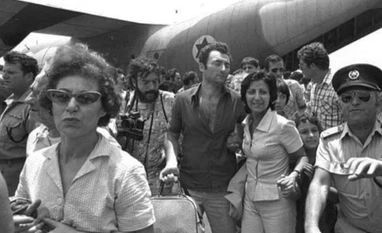
    On July 3, 1976, at 11 PM, the Israeli planes landed at Entebbe Airport. The commandos, dressed in Ugandan uniforms, quickly secured the airport and made their way to the terminal building. In a fierce 30-minute battle, they killed the hijackers and Ugandan soldiers, while Netanyahu was fatally shot. The commandos rescued 102 hostages, with three killed during the raid. Unfortunately, one hostage, Dora Bloch, was murdered by Ugandan authorities after being taken to a hospital in Kampala.

    The operation was a stunning success, showcasing Israel’s military prowess and determination to protect its citizens. The raid resulted in the deaths of all seven hijackers, 45 Ugandan soldiers, and the destruction of 11 Soviet-built MiG fighter jets on the ground. The Israeli military suffered one fatality, Lieutenant Colonel Netanyahu, and five wounded commandos. The rescued hostages were flown to Israel via Nairobi, Kenya, where they received medical attention and a hero’s welcome.

    Operation Entebbe has become a legendary example of counter-terrorism and special operations. It demonstrated the effectiveness of precise planning, intelligence gathering, and decisive action. The operation’s success has inspired numerous books, films, and documentaries, cementing its place in military history.


  • Imagine walking through the cobblestone streets of a city that has witnessed centuries of history, its medieval architecture and grand palaces transporting you to a bygone era. Welcome to Prague, the City of a Hundred Spires, where the Vltava River flows gently through the heart of this enchanting Czech capital.


    Prague’s story began in the 9th century, when Prince Bořivoj founded the Prague Castle. Over the centuries, the city grew in importance, becoming a major trading hub in Central Europe. The city’s strategic location made it a prized possession for various empires, including the Holy Roman Empire and the Habsburg Empire. Today, Prague’s rich history is palpable in its well-preserved architecture, from the stunning Gothic St. Vitus Cathedral to the iconic Charles Bridge .


    The Old Town Square is the vibrant heart of Prague, where history meets modernity. The famous Astronomical Clock, built in 1410, is a masterpiece of medieval engineering. The square is also home to the Church of Our Lady Before Týn and the statue of Jan Hus, a key figure in the Czech Reformation. Visitors can soak up the lively atmosphere, enjoy street performers, and explore the many cafes and shops .


    Prague is a city that wears its heart on its sleeve. The National Museum, the Czech National Gallery, and the Jewish Museum are just a few of the many institutions that showcase the city’s rich cultural heritage. The city is also known for its vibrant music scene, with numerous concerts and festivals throughout the year. Visitors can enjoy everything from classical music to jazz and folk performances .


    No visit to Prague would be complete without sampling the city’s famous beer. The Czech Republic is renowned for its brewing tradition, and Prague is the perfect place to try a cold Pilsner. The city’s cuisine is hearty and delicious, with popular dishes like roasted pork, goulash, and svickova (marinated beef in cream sauce). Don’t forget to try some traditional Czech pastries and sweets .


    While Prague is a city that can easily fill a vacation, there are plenty of opportunities to explore beyond its borders. The nearby Bohemian Switzerland National Park offers stunning natural beauty, with hiking trails, waterfalls, and picturesque villages. The Karlštejn Castle, a 14th-century Gothic fortress, is another popular day-trip destination .


    Prague is a city that will leave you enchanted and inspired. From its stunning architecture to its vibrant cultural scene, there’s something for everyone in this beautiful city. Whether you’re a history buff, a foodie, or simply looking for a romantic getaway, Prague is a destination that will capture your heart.

    Key Takeaways:

    • Rich History: Prague has a long and complex history, with well-preserved architecture and landmarks.
    • Cultural Heritage: The city is home to numerous museums, galleries, and cultural events.
    • Beer and Cuisine: Prague is famous for its beer and traditional Czech cuisine.
    • Natural Beauty: The city is surrounded by stunning natural beauty, with opportunities for hiking and exploration.
    • Romantic Atmosphere: Prague is a city that will capture your heart with its charm and romance .

  • In the vast expanse of world history, few empires have left as lasting an impact as the French colonial empire. From the 16th to the 20th century, France’s colonial reach stretched across the globe, shaping cultures, economies, and politics in its wake. Let’s embark on a journey through time and explore the captivating story of French colonies in ancient history.


    The French colonial empire began to take shape in the 16th century, with the establishment of colonies in North America, the Caribbean, and India. One of the earliest French settlements was Port-Royal, founded in 1605 in what is now Nova Scotia, Canada. This marked the beginning of a long and complex history of French colonization in the Americas.


    As the French expanded their territories in North America, they established the colony of New France, which encompassed a vast area stretching from Quebec to the Gulf of Mexico. The colony was known for its fur trade, with French colonists interacting and trading with Native American tribes. The French also established settlements along the St. Lawrence River and the Mississippi River, which played a crucial role in the development of their colonial empire.


    The French also established colonies in the Caribbean, including Saint-Domingue (present-day Haiti), Guadeloupe, and Martinique. These colonies became major producers of sugar, coffee, and other valuable commodities, with enslaved Africans being brought in to work on plantations. The French West Indies were a significant contributor to the French economy, and the colonies played a crucial role in the global sugar trade.


    As the French colonial empire expanded, it established colonies and trading posts in Africa and Asia. In Africa, the French established colonies in Senegal, Madagascar, and other regions, with a focus on exploiting natural resources and establishing trade relationships. In Asia, the French established colonies in India, including Pondicherry and Chandernagore, which became important centers of trade and commerce.


    The French colonial empire had a profound impact on world history, shaping cultures, economies, and politics in lasting ways. Today, many countries that were formerly colonized by France continue to grapple with the legacy of colonialism, from language and cultural identity to economic and political systems.

    Key Takeaways:

    • Early Colonization: French colonization began in the 16th century, with settlements in North America and the Caribbean.
    • New France: The French established a vast territory in North America, known as New France, which played a crucial role in the development of their colonial empire.
    • Caribbean Colonies: The French colonies in the Caribbean, including Saint-Domingue, Guadeloupe, and Martinique, were major producers of sugar and other valuable commodities.
    • African and Asian Colonies: The French established colonies and trading posts in Africa and Asia, with a focus on exploiting natural resources and establishing trade relationships.
    • Lasting Legacy: The French colonial empire had a profound impact on world history, shaping cultures, economies, and politics in lasting ways.