• In a time when women were expected to conform to societal norms, one woman dared to dream big. Marie Curie, a Polish-born physicist and chemist, defied the odds to become the first woman to win a Nobel Prize, and the first person to win two Nobel Prizes in different fields.

    Born Maria Skłodowska in 1867, Marie grew up in a time when women’s education was not a priority. But her thirst for knowledge and determination to learn led her to clandestine “floating universities” in Poland, where women could secretly pursue their studies.

    In 1891, Marie traveled to Paris, where she enrolled in the Sorbonne, one of the few places where women could pursue higher education. It was here that she met her future husband, Pierre Curie, and began her research on radioactivity.

    Marie’s work with Pierre led to the discovery of two new elements: polonium (named after her homeland, Poland) and radium. Their research paved the way for groundbreaking discoveries in physics, chemistry, and medicine.

    Marie’s achievements were met with skepticism and sexism, but she persevered. She became the first woman to teach at the University of Paris and was awarded the Nobel Prize in Physics in 1903, along with Pierre and Henri Becquerel.

    In 1911, Marie was awarded the Nobel Prize in Chemistry for her work on isolating pure radium. She remains the only person to have won two Nobel Prizes in different fields.

    Marie’s legacy extends far beyond her scientific achievements. She paved the way for women in STEM, inspiring generations to pursue careers in science and research. Her discovery of radioactivity has saved countless lives through cancer treatment and continues to shape our understanding of the world.

    The image that comes to mind is a haunting one: a photo of Marie Curie in her laboratory, surrounded by equipment and notes, her eyes fixed intently on the task at hand – a true pioneer in every sense.

    Key Achievements:

    • First woman to win a Nobel Prize (1903)
    • First person to win two Nobel Prizes in different fields (1903 and 1911)
    • Discovered polonium and radium
    • Paved the way for women in STEM
  • In the shadowy streets of 1960s London, a legend was born. Reggie and Ronnie Kray, identical twins with a bond that would change the course of history. They were the masters of London’s underworld, feared and respected in equal measure.

    The Kray twins grew up in a working-class family in Bethnal Green, East London. Their childhood was marked by poverty and hardship, but the twins found solace in each other. They were inseparable, and their bond was forged in the fire of adversity.

    As they entered their teenage years, the twins began to dabble in petty crime. They started with small-time theft and gradually moved on to more serious offenses. Their reputation grew, and so did their ambition.

    The Kray twins’ rise to power was meteoric. They became infamous for their brutal violence and razor-sharp business acumen. Their nightclub, the Esquire, was the place to be, attracting celebrities and politicians alike.

    Reggie’s charm and charisma made him a popular figure, while Ronnie’s volatile nature kept enemies in check. Together, they ruled London, with Reggie as the brains and Ronnie as the brawn.

    The Kray twins’ empire was built on protection rackets, loan-sharking, and organized crime. They were involved in some of the most high-profile crimes of the era, including the murder of George Cornell, a rival gangster.

    Their reign was marked by violence, intimidation, and corruption. They bribed police officers, politicians, and judges to turn a blind eye to their activities. The Kray twins were above the law, and they knew it.

    In 1968, Reggie was arrested and charged with Cornell’s murder. Ronnie was already in prison for stabbing a policeman. Reggie’s trial was a media sensation, with the Kray twins’ legend growing with each passing day.

    Reggie was sentenced to life in prison, and the Kray empire crumbled. Ronnie died in 1995, and Reggie followed in 2000. But their legend lives on, a testament to the power of brotherhood and the allure of the gangster lifestyle.

    The image that comes to mind is a haunting one: a black-and-white photo of Reggie and Ronnie, their faces set in a tough, unyielding expression, the streets of London forever etched in their eyes.

    Key Events:

    • 1933: Reggie and Ronnie Kray are born
    • 1952: The Kray twins are arrested for the first time
    • 1960s: The Kray twins rise to power
    • 1968: Reggie is arrested and charged with murder
    • 2000: Reggie Kray dies in prison
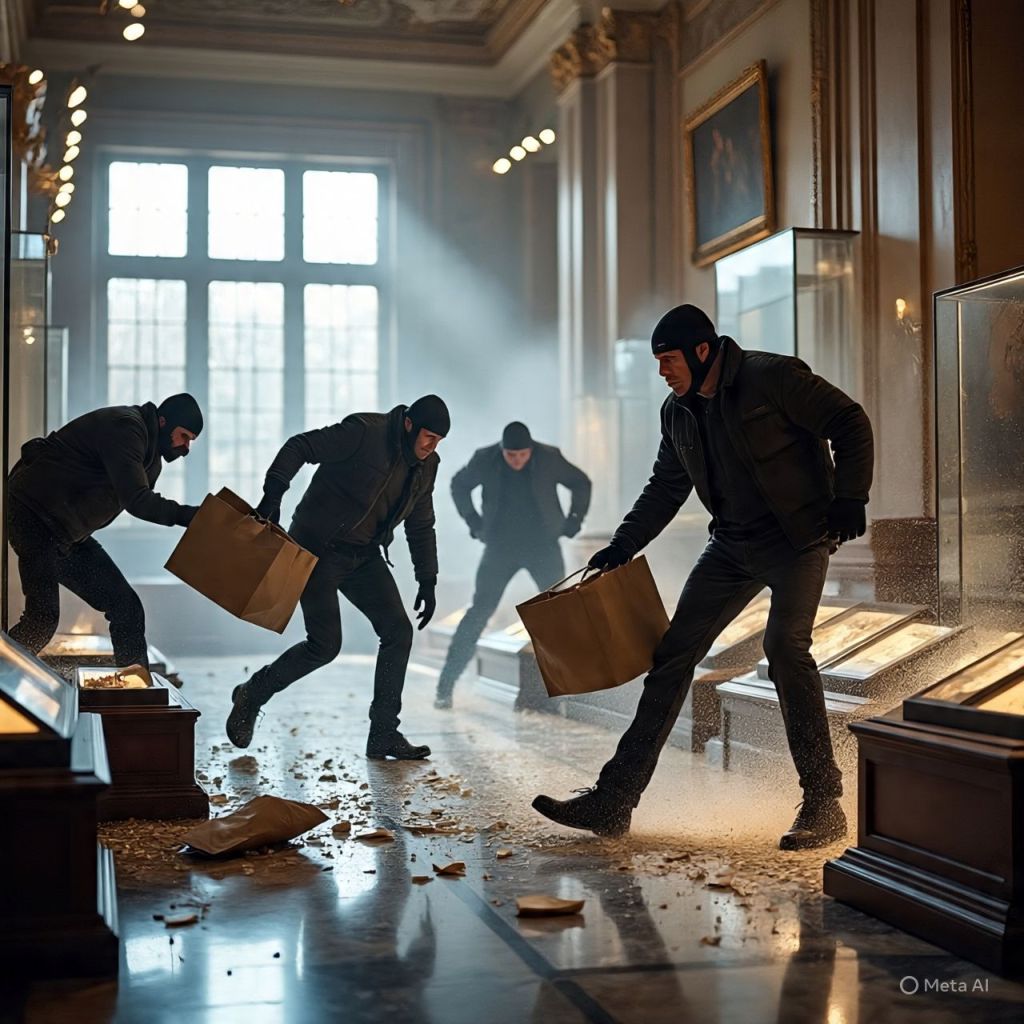
  • It was a typical Monday morning at the Louvre Museum in Paris, the air thick with the scent of history and the soft murmur of visitors. But amidst the usual chaos, a sense of unease settled over the museum’s security team. Something was off.

    As the morning light crept into the Denon Wing, museum staff discovered that the Mona Lisa, the world’s most famous painting, was gone. The empty frame hung on the wall, a haunting reminder of the brazen heist that had taken place under their noses.

    The thief, Vincenzo Peruggia, was a skilled Italian painter and decorator who had worked on the Louvre’s glass dome. He had used his knowledge of the museum’s layout and security to plan the perfect heist.

    On August 21, 1911, Peruggia snatched the Mona Lisa from the wall, hiding it under his painter’s smock. He walked calmly out of the museum, disappearing into the crowded streets of Paris.

    The investigation was led by Detective Marie-François Canella, a seasoned detective with a keen eye for detail. The police scoured the city, following a trail of clues that led them on a wild goose chase.

    As the days turned into weeks, the mystery deepened. The Mona Lisa had vanished, leaving behind only a faint scent of turpentine and a discarded handprint.

    The investigation was a rollercoaster ride of twists and turns. A suspicious letter from the thief led the police to a local antique dealer, who revealed that he had been approached by a shady character offering to sell the Mona Lisa.

    The trail led to Florence, Italy, where Peruggia had been trying to sell the painting to a wealthy collector. But the buyer was a trap, and Peruggia was caught red-handed.

    The Mona Lisa was recovered in 1913, and Peruggia was arrested. The painting was returned to the Louvre, where it was greeted with a hero’s welcome.

    The heist had lasted 28 months, and it had shaken the art world to its core. But in the end, justice was served, and the Mona Lisa was back where she belonged.

    The image that comes to mind is a haunting one: a dark, empty room, the Mona Lisa’s frame hanging empty on the wall, and the faint scent of turpentine lingering in the air.

    Key Players:

    • Vincenzo Peruggia: The thief who stole the Mona Lisa
    • Detective Marie-François Canella: The detective who led the investigation
    • Leonardo da Vinci: The artist who painted the Mona Lisa

    Timeline:

    • August 21, 1911: The Mona Lisa is stolen from the Louvre
    • September 1911: The investigation begins
    • November 1911: A suspicious letter is received from the thief
    • December 1911: The trail leads to Florence, Italy
    • February 1913: The Mona Lisa is recovered
    • November 1913: Peruggia is arrested and sentenced to prison
  • In the opulent palaces of Baghdad, a young boy grew up surrounded by luxury and excess. Uday Hussein, the eldest son of Saddam Hussein, was groomed from a young age to inherit the throne. But behind the façade of privilege and power, a complex and troubled individual was emerging.

    Uday’s childhood was marked by extravagance and indulgence. He was given the best education, the finest clothes, and the most beautiful women. His father, Saddam, spared no expense in ensuring his son’s happiness, but also instilled in him a sense of entitlement and ruthlessness.

    As Uday grew older, he became increasingly erratic and violent. He was known for his brutal treatment of those around him, including his family members and servants. His infamous temper and love of violence earned him the nickname “The Devil” among those who knew him.

    Uday’s love of luxury and excess led him to become a notorious playboy, with a string of high-profile relationships and scandals. He was a regular at the international jet-set, rubbing shoulders with celebrities and world leaders.

    But beneath the surface, Uday was struggling with addiction and personal demons. His behavior became increasingly erradic, and his father’s patience began to wear thin.

    As Saddam’s health began to decline, Uday was groomed to take over the reins of power. He was appointed head of the Iraqi Olympic Committee and the Iraqi Journalists’ Union, and was widely expected to succeed his father.

    But Uday’s brutal nature and lack of leadership skills made him unsuitable for the role. His time in power was marked by corruption, nepotism, and violence, and he quickly became one of the most hated men in Iraq.

    In 1996, Uday was involved in a violent altercation with his uncle, Barzan al-Tikriti, which left him severely injured and partially paralyzed. The incident marked the beginning of the end of Uday’s reign, as his father’s favor began to wade.

    Uday’s life was a complex tapestry of privilege, brutality, and tragedy. His story serves as a cautionary tale of the dangers of unchecked power and the corrupting influence of wealth and privilege.

    The image that comes to mind is a haunting one: a dark, opulent room, filled with the trappings of luxury, and the faint scent of decay and corruption.

  • The city was shrouded in darkness, the fog rolling in from the San Francisco Bay like a living entity. It was a night like any other, yet it would become etched in the annals of history as the night the Zodiac Killer struck again.

    The year was 1968, and the world was on the brink of chaos. Amidst the protests and the music, a serial killer emerged, leaving a trail of cryptic letters and ciphers in his wake. The Zodiac Killer, as he would come to be known, was a master of manipulation, taunting the police and the public with his clever codes and chilling messages.

    The first victim was David Faraday, a young boy shot dead in a secluded parking lot. The killer’s modus operandi was to attack couples, usually in remote areas, leaving behind a trail of blood and confusion. The police were baffled, and the public was terrified.

    The Zodiac Killer’s letters were a fascinating study in cryptography, filled with symbols and codes that seemed to point to a deeper meaning. The most famous of these was the 408-cipher, a complex puzzle that took months to crack. The message read: “I like killing people because it is so much fun…”

    The killer’s arrogance was matched only by his intelligence, as he continued to taunt the police with increasingly complex ciphers and clues. The case went cold, but the legend of the Zodiac Killer lived on.

    Over the years, numerous suspects have emerged, each with their own set of evidence and theories. Arthur Leigh Allen, a former police officer, was one of the most promising leads, but DNA evidence ultimately ruled him out. Richard Gaikowski, a journalist, and Lawrence Kane, a former FBI agent, have also been linked to the case.

    The truth remains elusive, and the Zodiac Killer’s identity remains one of the greatest mysteries of our time.

    The Zodiac Killer’s impact on popular culture is undeniable, inspiring countless books, movies, and TV shows. The killer’s face has become a symbol of terror, a reminder that the most heinous crimes can be committed by someone who walks among us.

    As I reflect on the Zodiac Killer’s reign of terror, I am struck by the complexity of his psyche, a twisted mix of intelligence and brutality. The case may be cold, but the fascination remains, a morbid curiosity that draws us in, like moths to a flame.

    The image that comes to mind is a haunting one: a dark, fog-shrouded street, the only sound the distant toll of a clock, and the feeling of being watched by unseen eyes.

    Key Victims:
    Name Date Location
    David Faraday Dec 20, 1968 Vallejo, CA
    Betty Lou Jensen Dec 20, 1968 Vallejo, CA
    Michael Mageau Jul 4, 1969 Vallejo, CA
    Darlene Ferrin Jul 4, 1969 Vallejo, CA
    Key Suspects:
    Name Occupation Status
    Arthur Leigh Allen Police Officer Deceased
    Richard Gaikowski Journalist Deceased
    Lawrence Kane FBI Agent Deceased

  • In the scorching heat of southern India, a movement was brewing. The year was 1916, and the city of Madras (now Chennai) was abuzz with the sounds of protest and dissent. The Dravidian movement, led by visionaries like Periyar E.V. Ramasamy and C.N. Annadurai, was gaining momentum, fueled by a burning desire for social justice and regional identity.

    The Dravidian movement was born out of a need to challenge the entrenched Brahminical dominance in Tamil society. For centuries, the Brahmin community had monopolized power, education, and resources, leaving the non-Brahmin castes marginalized and oppressed. Periyar, a fiery orator and social reformer, ignited the flames of resistance with his scathing critiques of caste and Brahminism.

    In 1949, C.N. Annadurai, a charismatic leader and brilliant orator, founded the Dravida Munnetra Kazhagam (DMK). The party’s core ideology centered around Dravidian identity, social justice, and Tamil nationalism. The DMK’s rise to power was meteoric, with Annadurai’s impassioned speeches and Periyar’s ideological guidance winning hearts across Tamil Nadu.

    The 1970s saw the emergence of M.G. Ramachandran, a film star turned politician, who would go on to dominate Tamil Nadu politics for decades. MGR’s populist appeal, combined with his acting prowess, made him a beloved figure among the masses. His policies, focused on welfare and social upliftment, cemented the DMK’s hold on power.

    The 1980s witnessed the rise of J. Jayalalithaa, a firebrand leader who would lead the All India Anna Dravida Munnetra Kazhagam (AIADMK) to victory. The party’s rivalry with the DMK has defined Tamil Nadu politics for decades, with both parties alternating in power.

    Today, Dravidian politics continues to shape Tamil Nadu’s social, economic, and cultural landscape. The movement’s emphasis on social justice, regional identity, and welfare has created a unique model of development, distinct from the rest of India.

    As I reflect on the Dravidian story, I am struck by the power of identity and the human desire for dignity and self-respect. The Dravidian movement’s legacy serves as a testament to the transformative potential of politics, when rooted in social justice and regional pride.

    The image that comes to mind is a vibrant tableau of Tamil Nadu’s rich cultural heritage – the majestic temples, the colorful processions, and the sea of faces, united in their quest for a brighter future.

    Key Figures:

    C.N. Annadurai DMK 1967-1969
    M.G. Ramachandran AIADMK 1977-1987
    J. Jayalalithaa AIADMK 1991-1996, 2001-2006, 2011-2016
    Timeline:

    • 1916: Dravidian movement begins
    • 1949: DMK founded
    • 1967: DMK wins power in Tamil Nadu
    • 1977: AIADMK founded
    • 1980s: AIADMK-DMK rivalry begins
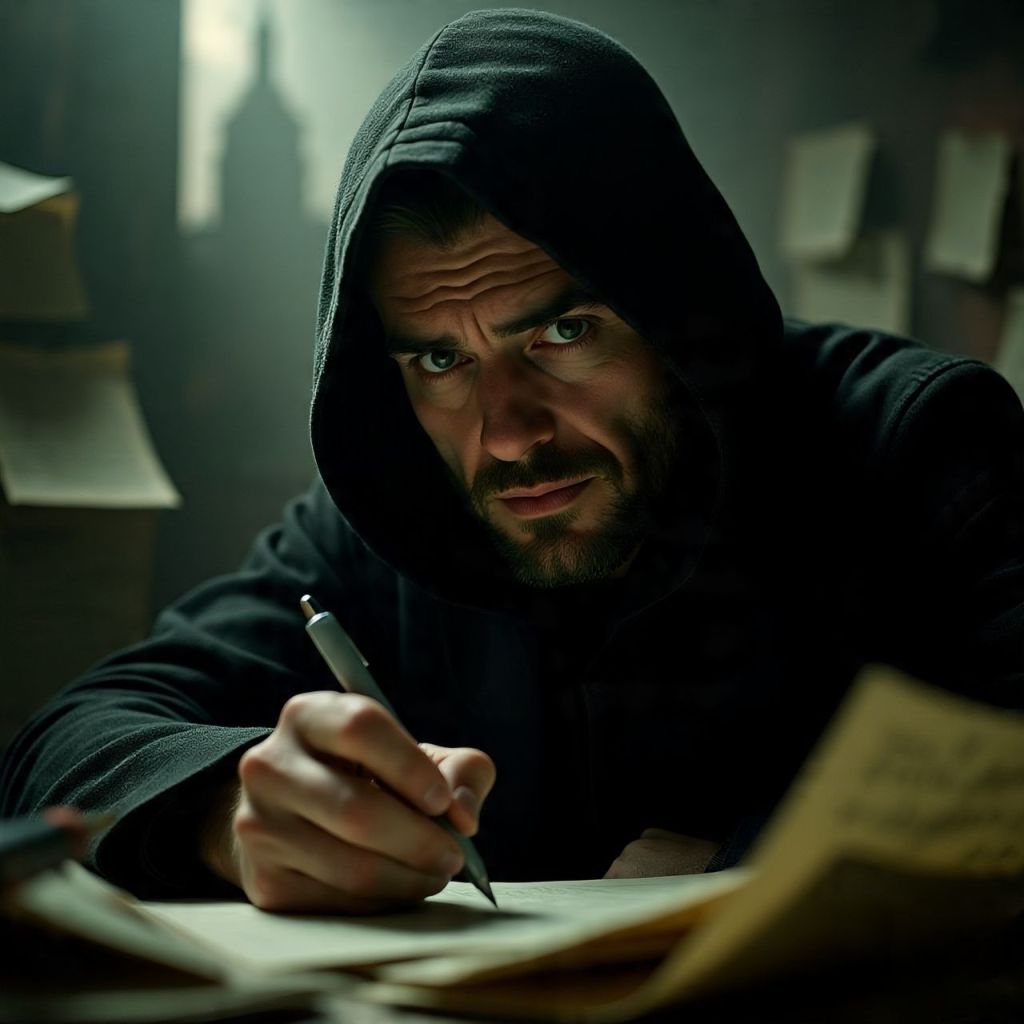
  • In the heart of China’s tech industry, a monster lurks in the shadows, devouring the lives of young professionals. The 996 culture, named after the grueling schedule it demands (9am to 9pm, 6 days a week), has become a norm in many Chinese companies. I met Alex, a young software engineer, who shared his harrowing experience of working under this relentless regime.

    Alex was thrilled to land his dream job at a top tech firm in Shenzhen. The pay was enticing, the colleagues were friendly, and the work was challenging. But as he settled into his new role, he realized that the expectations were far more demanding than he had anticipated. “The first few months were manageable,” Alex recalled, “but soon, the workload increased, and the pressure to deliver mounted.”

    Alex’s days began at 8am and ended around 10pm, with only one day off on Sunday. The workweek was a blur of coding, meetings, and endless debugging sessions. “I would often fall asleep at my desk, exhausted,” he confessed. The constant stress took a toll on his physical and mental health. “I lost weight, my hair started falling out, and I felt like I was losing myself.”

    The 996 culture is not unique to Alex’s company; it’s a widespread phenomenon in China’s tech industry. Many young professionals are lured by the promise of high salaries and career advancement, only to find themselves trapped in a never-ending cycle of work and exhaustion. “I know I’m not alone,” Alex said, “but it’s hard to speak out when everyone around you is silently suffering.”

    As China’s government starts to crack down on excessive work hours, Alex and his colleagues are cautiously optimistic about a brighter future. “I just want a balanced life,” he said, “where I can pursue my passions without sacrificing my well-being.” The 996 monster may be a formidable foe, but it’s not invincible.

    The 996 culture is a stark reminder that success comes at a cost. As we chase our ambitions, let’s not forget the human cost of our achievements. It’s time to rethink our priorities and strive for a better work-life balance, before the monster devours us all.

    The image that comes to mind is a haunting one: a lone figure, hunched over a computer, surrounded by the shadows of a dark and endless night, with the faint glow of a screen illuminating the tears streaming down their face.

  • The apocalypse had arrived, and the world was forever changed. The streets were empty, the buildings were in ruins, and the only sound was the groaning of the undead. I had lost loved ones, friends, and any semblance of hope. But I was still alive, and that meant I had to keep moving.

    It started with a news report of a mysterious virus spreading rapidly across the globe. At first, it was dismissed as a hoax, but soon the reports became more frequent, and the reality set in. The virus turned people into flesh-eating monsters, with an insatiable hunger for human flesh.

    I remember the first time I encountered a zombie. I was in a grocery store, stocking up on supplies, when I heard the unmistakable groan. I turned to see a woman, her eyes sunken, her skin gray, and her mouth foaming with blood. She was once a human being, but now she was a monster, driven solely by her desire for human flesh.

    As I navigated through the deserted streets, I encountered more zombies. They were slow, but relentless. I learned to avoid them, to find safe havens, and to scavenge for food and supplies. I met other survivors, some good, some bad, and some just plain crazy.

    We formed a small group, banding together for safety and companionship. We found a secure shelter, a fortified building with food, water, and medical supplies. We thought we had found a safe haven, but the zombies were relentless.

    As the days turned into weeks, we realized that the zombies were not just mindless beasts. They were evolving, adapting, and becoming more intelligent. They were learning to use tools, to communicate, and to hunt.

    We had to adapt, to become smarter, and to fight back. We formed a plan, a strategy to take back the city, to reclaim our world from the undead. It was a long shot, but it was our only hope.

    As I look out at the ruins of the world, I know that nothing will ever be the same. The zombies have changed us, forced us to adapt, and to evolve. We are no longer the same humans we once were.

    The world is a darker place, but there is still hope. We are still alive, and we will rebuild. We will fight back, and we will reclaim our world. The zombies may have taken our past, but they will never take our future.

    The apocalypse has arrived, but so has our chance to start anew. We will rise from the ashes, stronger, fiercer, and more determined than ever. The world may be gone mad, but we will not give up. We will survive, and we will thrive.

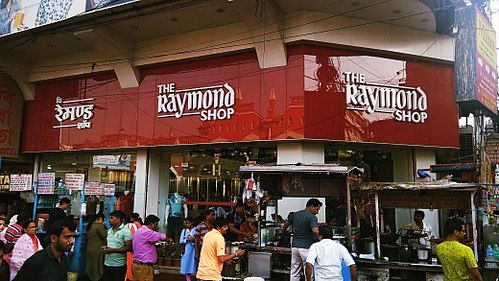
  • In the heart of Mumbai, India, a legendary brand was born in 1925 – Raymond. Founded by Albert Raymond, this iconic textile powerhouse has been weaving excellence for nearly a century. Today, Raymond is a household name, synonymous with quality, style, and sophistication.

    Raymond’s journey began with a humble woollen mill in Thane, Maharashtra. The company’s focus on quality and innovation quickly earned it a reputation as one of India’s leading textile manufacturers. By the 1950s, Raymond had already established itself as a premier suiting fabric brand, catering to the discerning tastes of Indian men .

    Over the years, Raymond has expanded its portfolio to include a range of apparel brands, such as Park Avenue, ColorPlus, and Parx. The company’s retail presence now spans over 700 stores across India and abroad, making it one of the largest textile retailers in the country. Raymond has also ventured into real estate, engineering, and FMCG, solidifying its position as a diversified conglomerate .

    At the heart of Raymond’s success lies its unwavering commitment to quality. The company’s state-of-the-art manufacturing facilities produce some of the finest suiting fabrics, shirting fabrics, and denim in the world. Raymond’s focus on innovation and customer satisfaction has earned it a loyal customer base, making it a leader in the Indian textile industry.

    As Raymond celebrates its 100th anniversary, the brand is poised to take on new challenges and opportunities. With its recent demerger of Raymond Realty, the company is focused on unlocking greater shareholder value and expanding its retail presence. Under the leadership of Gautam Singhania, Raymond is set to redefine the future of fashion in India .

    Whether you’re looking for a tailored suit, a crisp formal shirt, or a stylish pair of trousers, Raymond has something for every occasion. Experience the art of excellence with Raymond, where quality meets style.

  • As I stepped into the enchanting town of Baramulla, I felt like I had entered a different world. The majestic Himalayas stood tall, and the crystal-clear waters of the Jhelum River flowed gently through the heart of the town. Baramulla, a district in the Kashmir Valley, is a treasure trove of natural beauty, rich history, and vibrant culture .

    Baramulla’s history dates back to 2306 BC, when it was founded by Raja Bhimsina. The town has been a significant stopover for travelers, including the famous Chinese visitor Heiun T’Sang and the British historian Moorcraft. The Mughal emperors, particularly Akbar, were fascinated by Baramulla’s beauty and often halted here during their visits to Kashmir .

    Baramulla is a haven for nature lovers and adventure seekers. The town is surrounded by stunning mountains, lush forests, and picturesque lakes. Some of the must-visit places include:

    • Wular Lake: One of the largest lakes in Asia, known for its breathtaking beauty
    • Manasbal Lake: A serene lake surrounded by mountains and forests
    • Gulmarg: A popular ski resort and honeymoon destination

    Baramulla is a melting pot of cultures, with a significant Muslim population and a rich heritage of Kashmiri traditions. The town is famous for its delicious cuisine, including Wazwan, a traditional Kashmiri feast, and Kahwa, a sweet tea made with green tea leaves and spices .

    Baramulla has witnessed significant development in recent years, with improvements in infrastructure, education, and healthcare. The town is now connected to Srinagar, Anantnag, and Qazigund by rail, making it easier for tourists to visit .

    Baramulla is a hidden gem in the Kashmir Valley, waiting to be explored. Its natural beauty, rich history, and vibrant culture make it a must-visit destination for anyone looking to experience the best of India.