In the vibrant tapestry of Indian society, the Baniya community stands out as a testament to the power of commerce and tradition. With roots stretching back centuries, this mercantile caste has played a pivotal role in shaping India’s economic landscape.
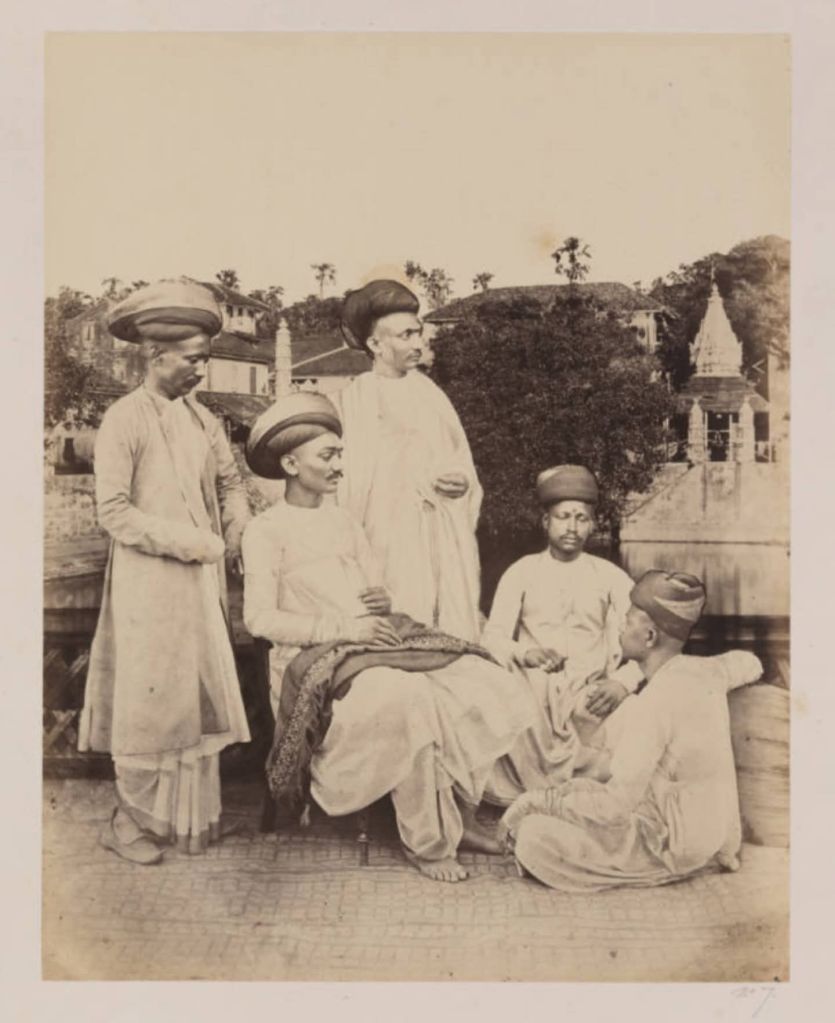
The term “Baniya” is derived from the Sanskrit word “vanij,” meaning “merchant” or “trader.” This community is primarily found in the Indian states of Rajasthan, Gujarat, and Maharashtra, with significant diasporic communities in Uttar Pradesh, Madhya Pradesh, West Bengal, and other northern states.
Traditionally, the Baniya community has been associated with occupations such as trade, banking, and money-lending. Their expertise in commerce and finance has earned them a reputation as shrewd businesspeople, with a strong emphasis on honesty, integrity, and community ties.
The Baniya community comprises several sub-castes, including Agarwal, Khandelwal, Maheshwari, Oswal, Porwad, and Shrimali Baniyas. These sub-castes are further divided into gotras, which play a significant role in regulating marriages and establishing kinship ties.
Baniyas are known for their strong cultural heritage, with a deep emphasis on education, family values, and community service. They have contributed significantly to India’s cultural landscape, funding temples, hospitals, schools, and universities.
Notable Personalities
The Baniya community has produced many notable personalities, including:
- Ashok Singhal: President of the Hindu organisation VHP
- Mukesh Bansal: Founder of Myntra
- Bharatendu Harishchandra: Father of Modern Hindi Literature and Hindi Theatre
- Peyush Bansal: Founder of Lenskart
- Arvind Kejriwal: Chief Minister of Delhi
The Baniya community’s legacy is a testament to the power of tradition, commerce, and community. Their contributions to India’s economic and cultural landscape continue to inspire generations, making them an integral part of the country’s rich tapestry.


Leave a comment