• In the annals of Indian history, there are few figures as revered and remembered as Vinayak Damodar Savarkar, affectionately known as Veer Savarkar. A true patriot, a fearless revolutionary, and a visionary poet, Savarkar’s life was a shining example of courage, conviction, and sacrifice.
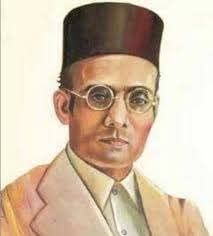
    Born on May 28, 1883, in Bhagur, Maharashtra, Savarkar was a brilliant student who excelled in academics and extracurricular activities. His thirst for knowledge and his desire to serve his country led him to join the Indian independence movement at a young age.

    Savarkar’s experiences with the British colonial rule in India ignited a fire within him, and he became determined to fight for his country’s freedom. He formed the Abhinav Bharat Society, a group of like-minded revolutionaries who aimed to overthrow British rule through armed rebellion.

    Savarkar’s fearlessness and cunning earned him the respect and admiration of his peers. He was involved in several daring acts of defiance, including the attempted murder of a British officer, which led to his arrest and imprisonment.

    Savarkar’s most trying period was during his imprisonment in the Andaman and Nicobar Islands, where he was subjected to inhumane treatment and torture. Yet, even in the darkest of times, his spirit remained unbroken, and he continued to inspire his fellow prisoners to fight for their rights.

    Savarkar was not just a revolutionary but also a gifted poet and writer. His works, including the iconic poem “Hindutva,” showcased his deep love for India and his vision for a united and strong nation.

    Veer Savarkar’s legacy is a testament to his unwavering dedication to India’s freedom and his unshakeable commitment to the country’s progress. He is remembered as a hero, a patriot, and a true son of India.

    Today, as we remember Veer Savarkar, we are reminded of his courage, his conviction, and his sacrifice. His life is an inspiration to us all, and his legacy continues to inspire generations of Indians to come.

    As we pay tribute to this great son of India, let us strive to emulate his values and work towards building a stronger, more united India.

  • In the heart of Kerala, India, there’s a brand that’s been synonymous with quality dairy products for decades – Milma. The name ‘Milma’ is derived from the Malayalam words ‘milah’ meaning milk and ‘ma’ meaning mother, symbolizing the brand’s commitment to providing pure and nutritious milk to its customers.

    Milma’s journey began in 1980, when the Kerala Cooperative Milk Marketing Federation (KCMMF) was established to promote dairy farming and provide a fair price to milk producers. The brand quickly gained popularity, and its products became a staple in households across Kerala.

    Today, Milma offers a wide range of dairy products, including milk, butter, cheese, ghee, and ice cream. Each product is made with the finest ingredients and manufactured using state-of-the-art technology to ensure quality and freshness.

    Milma’s success can be attributed to its farmer-friendly approach. The brand works closely with local farmers, providing them with technical support and a fair price for their milk. This approach has helped improve the livelihoods of thousands of farmers and their families.

    Milma is known for its commitment to quality, and the brand has implemented stringent quality control measures to ensure that every product meets the highest standards. From sourcing milk from trusted farms to rigorous testing and inspection, Milma leaves no stone unturned in its pursuit of excellence.

    Over the years, Milma has become a trusted name in Kerala, synonymous with quality and purity. The brand’s products are not only popular in Kerala but also in other parts of India, and its export to countries like the UAE and Singapore is a testament to its global appeal.

    Milma’s story is one of passion, dedication, and a commitment to quality. From its humble beginnings to its current status as a leading dairy brand, Milma has come a long way. As the brand continues to grow and evolve, it remains true to its core values – quality, purity, and customer satisfaction.

    If you’re in Kerala, do visit a Milma outlet or a retail store near you to experience the taste and quality of Milma products. Be sure to try their signature products, such as Milma milk, butter, and ice cream.

    Milma – it’s not just a brand, it’s a symbol of trust and quality.

  • In the late 18th century, Birmingham, England, was a city of contrasts. The Industrial Revolution had brought wealth and prosperity to some, but poverty and crime to many. It was in this environment that a gang emerged, feared and respected in equal measure. They were known as the Peaky Blinders.

    The Peaky Blinders were a street gang that originated in the Small Heath area of Birmingham. The name “Peaky Blinders” is believed to have come from the gang’s practice of sewing razor blades into the peaks of their caps, which they would use to attack their enemies.

    The gang was formed in the 1880s and was led by a charismatic leader named Thomas Shelby (not the one played by Cillian Murphy in the TV show, but a real-life figure). The Peaky Blinders were known for their violence, their love of fine clothes, and their willingness to take on anyone who crossed them.

    The Peaky Blinders were involved in a range of crimes, including robbery, assault, and murder. They were also known to target rival gangs, and their violence was legendary. The gang’s influence spread across Birmingham, and they became a major force in the city’s underworld.

    But the Peaky Blinders were more than just a gang. They were a family, a community, and a symbol of resistance against the authorities. They were seen as heroes by some, who admired their strength and their willingness to stand up to the police and the wealthy elite.

    The Peaky Blinders’ reign of terror eventually came to an end in the 1910s, when many of its members were arrested and imprisoned. The gang’s leader, Thomas Shelby, was killed in a shootout with the police.

    The legacy of the Peaky Blinders lives on, however. The TV show, created by Steven Knight, is a fictionalized account of the gang’s story, but it’s rooted in fact. The show’s success is a testament to the enduring appeal of the Peaky Blinders’ story, and the fascination with the gang’s violence, style, and swagger.

    The real Peaky Blinders may be gone, but their legend lives on. They were a product of their time, a reflection of the poverty, violence, and social unrest of late 19th-century Birmingham. But they were also something more – a symbol of resistance, a celebration of community, and a reminder that even the most marginalized can have a powerful impact on the world.

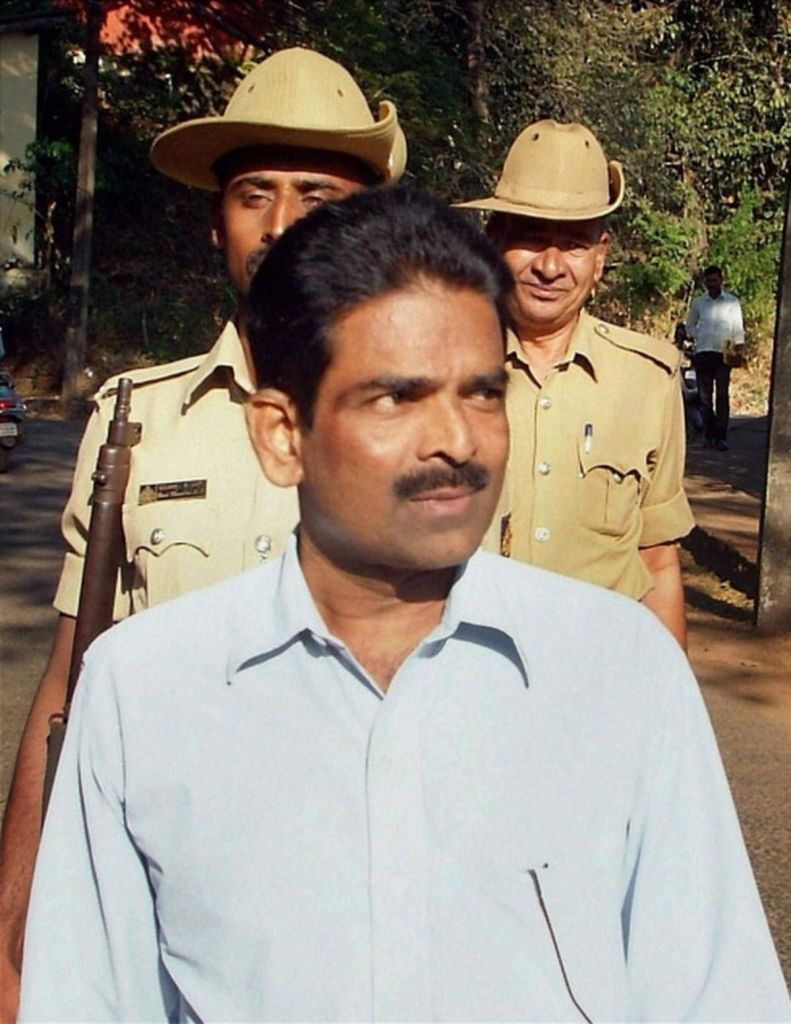
  • In a small village in Karnataka, India, a man named Mohan Kumar was leading a double life. By day, he was a respected school teacher, and by night, he was a ruthless serial killer. Mohan Kumar’s story is one of the most shocking and horrific tales of crime in Indian history.

    Mohan Kumar’s killing spree began in 2003 and continued until his arrest in 2009. He targeted women, mostly widows or divorcees, and lured them with promises of marriage. He would then poison them with cyanide and steal their valuables. The police investigation revealed that Mohan Kumar had killed at least 32 women, and he was convicted of 20 of these murders .

    Mohan Kumar’s first wife, Mary, had left him after he asked her to convert to Islam. He later married Manjula and Sridevi, with whom he had children. His seemingly normal family life was a facade that hid his dark secret .

    The police investigation into Mohan Kumar’s crimes was led by a team of detectives who were determined to catch the elusive killer. They finally arrested him in 2009, after a woman reported missing. Mohan Kumar was found guilty of multiple murders and was sentenced to death in 2013. However, the sentence was later commuted to life imprisonment .

    Mohan Kumar’s story is a chilling reminder of the horrors that lurk in the shadows. His crimes shocked the nation and left a trail of grief and devastation. His case serves as a warning to always be cautious and aware of our surroundings, and to trust our instincts.

    The Cyanide Killer’s story is a dark chapter in India’s history, but it also highlights the bravery and dedication of the police force who worked tirelessly to bring him to justice.

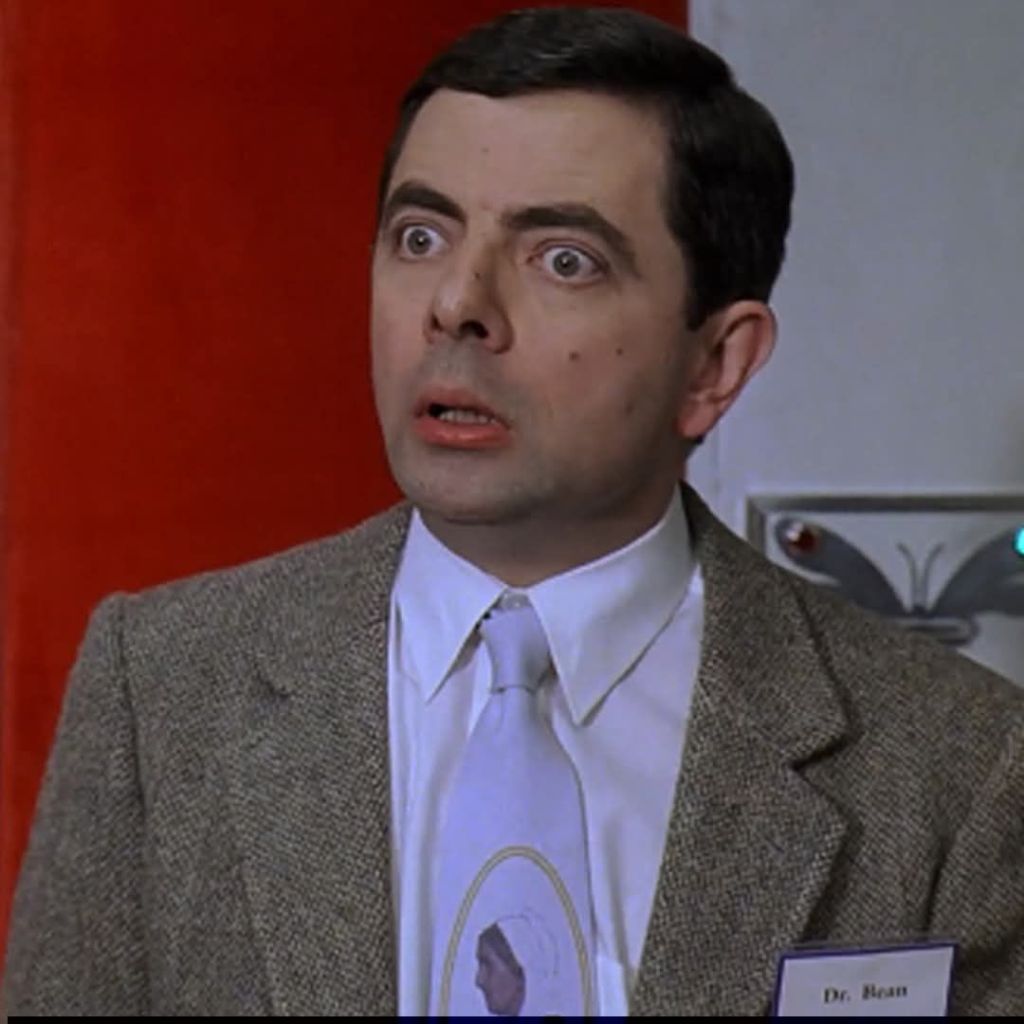
  • In the bustling streets of London, a quirky and lovable character was born. Mr. Bean, the iconic creation of Rowan Atkinson, has been bringing laughter to audiences worldwide for decades. But have you ever wondered how this beloved character came to be?

    Rowan Atkinson, a self-proclaimed “weird kid,” grew up in a family of inventors and engineers. His fascination with comedy and animation led him to create a character that would change the face of British humor. Atkinson’s inspiration for Mr. Bean came from his own experiences as a young man, observing the absurdities of everyday life.

    Atkinson teamed up with writer Richard Curtis and producer John Lloyd to bring Mr. Bean to life. The character’s name was inspired by a bean-filled lunchbox, and his iconic look was inspired by Atkinson’s own lumpy features and a series of comedians, including Jacques Tati and Marcel Marceau.

    Mr. Bean made his debut on January 1, 1990, on ITV, a British television network. The show’s unique blend of physical comedy, wit, and wordplay quickly captured the hearts of audiences. The character’s silence, save for a few mumbled words, added to his universal appeal.

    Over the years, Mr. Bean has evolved, but his core essence remains the same. From his iconic teddy bear, Teddy, to his trusty sidekick, Irma Gobb, the character’s world has expanded, but his childlike wonder and mischievous spirit have remained intact.

    Today, Mr. Bean is a global phenomenon, with over 130 countries airing the show. Atkinson’s creation has inspired countless adaptations, merchandise, and even a feature film. Mr. Bean has become a cultural icon, symbolizing the power of comedy to transcend language and borders.

    Atkinson’s own philosophy on comedy sums it up: “The best comedy is always subversive and surprising.” Mr. Bean’s enduring popularity lies in his ability to poke fun at our own quirks and absurdities, making us laugh at ourselves.

  • In the heart of Southeast Asia, a community has been fighting for survival and recognition for decades. The Rohingya, a Muslim minority group from Myanmar, have been subjected to persecution, violence, and displacement, leaving them as one of the most vulnerable populations in the world.

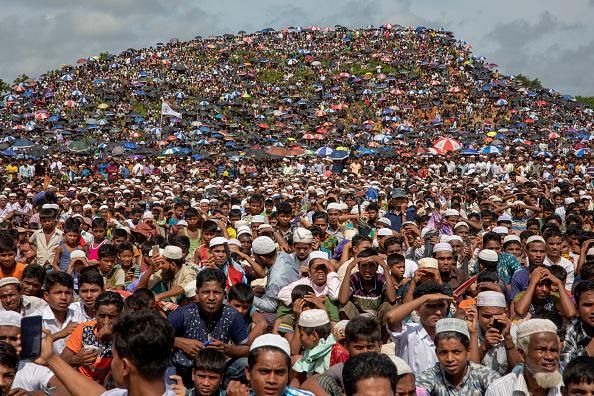
    The Rohingya have lived in Myanmar for generations, but their citizenship was stripped away in 1982, rendering them stateless. This has led to a life of marginalization, with limited access to education, healthcare, and employment opportunities. The situation escalated in August 2017, when the Myanmar military launched a brutal crackdown, forcing over 700,000 Rohingya to flee to Bangladesh .

    Today, over 1.1 million Rohingya refugees reside in Bangladesh, living in overcrowded camps with inadequate shelter, food, and sanitation. The conditions are dire, with limited access to education, healthcare, and livelihood opportunities. The COVID-19 pandemic has further exacerbated the situation, making it even more challenging for the Rohingya to survive .

    The Rohingya community is urging the international community to take action and provide a sustainable solution to their crisis. They are calling for citizenship rights, safe return to their homeland, and an end to the violence and persecution. As Bangladesh’s Chief Adviser Muhammad Yunus emphasized, “The Rohingya issue and its sustainable resolution must be kept alive on the global agenda, as they need our support until they return home” .

    The Rohingya crisis is a humanitarian emergency that requires immediate attention and action. We must come together to support the Rohingya community and push for a lasting solution. Here are a few ways you can help:

    • Raise Awareness: Share the Rohingya story and raise awareness about their plight.
    • Support Humanitarian Efforts: Donate to reputable organizations working to provide aid and support to the Rohingya refugees.
    • Advocate for Change: Contact your government representatives and urge them to take action to address the Rohingya crisis.

    The Rohingya community deserves dignity, recognition, and a chance to rebuild their lives.

  • In the heart of India lies a state that has been driving the country’s economy for decades – Maharashtra. With its rich history, diverse culture, and stunning landscapes, Maharashtra is more than just a state – it’s a testament to India’s growth and prosperity.

    Maharashtra’s story is one of resilience and determination. From its early days as a hub of trade and commerce to its current status as India’s economic capital, the state has consistently pushed the boundaries of growth and development.

    Maharashtra is India’s largest economy, contributing over 15% to the country’s GDP. The state’s GSDP is estimated to be around ₹33 trillion (approximately $450 billion USD), with a growth rate of 8%. The state’s economy is driven by a diverse range of sectors, including:

    • Finance and Banking: Mumbai, the state’s capital, is home to the Reserve Bank of India, the Bombay Stock Exchange, and numerous corporate headquarters.
    • Industry and Manufacturing: Maharashtra is a hub for industries like textiles, chemicals, and pharmaceuticals, with major companies like Reliance Industries and Tata Motors having a presence.
    • Agriculture: The state is a significant producer of crops like sugarcane, cotton, and pulses.
    • Services: IT, ITES, and tourism are significant contributors to the state’s economy.

    Key Statistics:
    Indicator Value
    GSDP (2022-23) ₹33 trillion ($450 billion USD)
    Growth Rate 8%
    Per Capita Income ₹2.5 lakh ($3,400 USD)
    Major Industries Finance, Manufacturing, Agriculture, Services
    The Power of Progress

    Maharashtra’s growth story is a testament to the state’s commitment to progress and development. With world-class infrastructure, a skilled workforce, and a business-friendly environment, Maharashtra continues to attract investments and drive India’s economic growth.

    As India looks to become a $5 trillion economy, Maharashtra is poised to play a leading role. With its rich resources, talented workforce, and entrepreneurial spirit, the state is well on its way to achieving even greater heights.

  • It was a typical day in San Francisco, 2008, when Travis Kalanick and Garrett Camp, the founders of Uber, had an epiphany. They were struggling to hail a cab, and it struck them – why not use technology to make transportation easier? And thus, Uber was born.

    Uber started as a luxury car service, with just a few cars and a big idea. The concept was simple: use an app to connect riders with drivers, making it easy to get around the city. The founders worked tirelessly to refine the app, and by 2010, UberCab was launched.

    Uber’s impact was immediate. The company disrupted the traditional taxi industry, offering a more convenient, efficient, and often cheaper alternative. Riders loved the ease of use, and drivers appreciated the flexibility and earning potential. Uber expanded rapidly, first in the US and then globally.

    Uber’s success wasn’t without its challenges. The company faced regulatory hurdles, protests from traditional taxi drivers, and concerns over safety and driver treatment. Kalanick’s leadership style was also criticized, leading to his eventual resignation in 2017.

    Under new leadership, Uber has worked to address its challenges and improve its image. The company has expanded its services, including food delivery and freight transport. Uber has also prioritized sustainability and social responsibility, aiming to reduce its environmental impact.

    Today, Uber is a household name, synonymous with ride-hailing. The company operates in over 900 cities worldwide, offering a range of services and connecting millions of riders and drivers. Uber’s impact on urban transportation has been profound, changing the way we move around cities.

    Uber’s story is one of innovation, disruption, and resilience. The company’s legacy will be its role in shaping the future of transportation, pushing the boundaries of what’s possible, and transforming the way we live and work.

  • Rodrigo Duterte, the 16th President of the Philippines, is a figure who has sparked both admiration and outrage. His presidency, which began in 2016, has been marked by a mix of populist policies, brutal anti-drug campaigns, and a divisive leadership style.

    Duterte’s rise to power was swift and unexpected. A longtime politician from Mindanao, he rode a wave of popularity on a platform of law and order, vowing to tackle the country’s crippling crime and drug problems. His tough-talking, no-nonsense approach resonated with many Filipinos, who saw him as a strong leader willing to take on the country’s entrenched elite.

    Duterte’s anti-drug campaign has been his most defining policy initiative. The campaign has led to thousands of extrajudicial killings, with many more injured or imprisoned. While Duterte’s supporters credit the campaign with reducing crime, human rights groups have condemned the violence and alleged impunity.

    Duterte’s presidency has been marked by controversy, including his outspoken comments on various issues, from women’s rights to international relations. His leadership style has been criticized as authoritarian, with allegations of suppressing dissent and undermining democratic institutions.

    The impact of Duterte’s policies has been felt across the Philippines. Families have been torn apart, communities have been silenced, and the country’s human rights record has suffered. The war on drugs has disproportionately affected the poor and marginalized, exacerbating existing social inequalities.

    As Duterte’s term draws to a close, his legacy remains uncertain. While he has implemented popular policies, such as infrastructure development and social welfare programs, his brutal approach to law and order has left a stain on the country’s reputation. The Philippines faces challenges in rebuilding its institutions, healing its divisions, and upholding human rights.

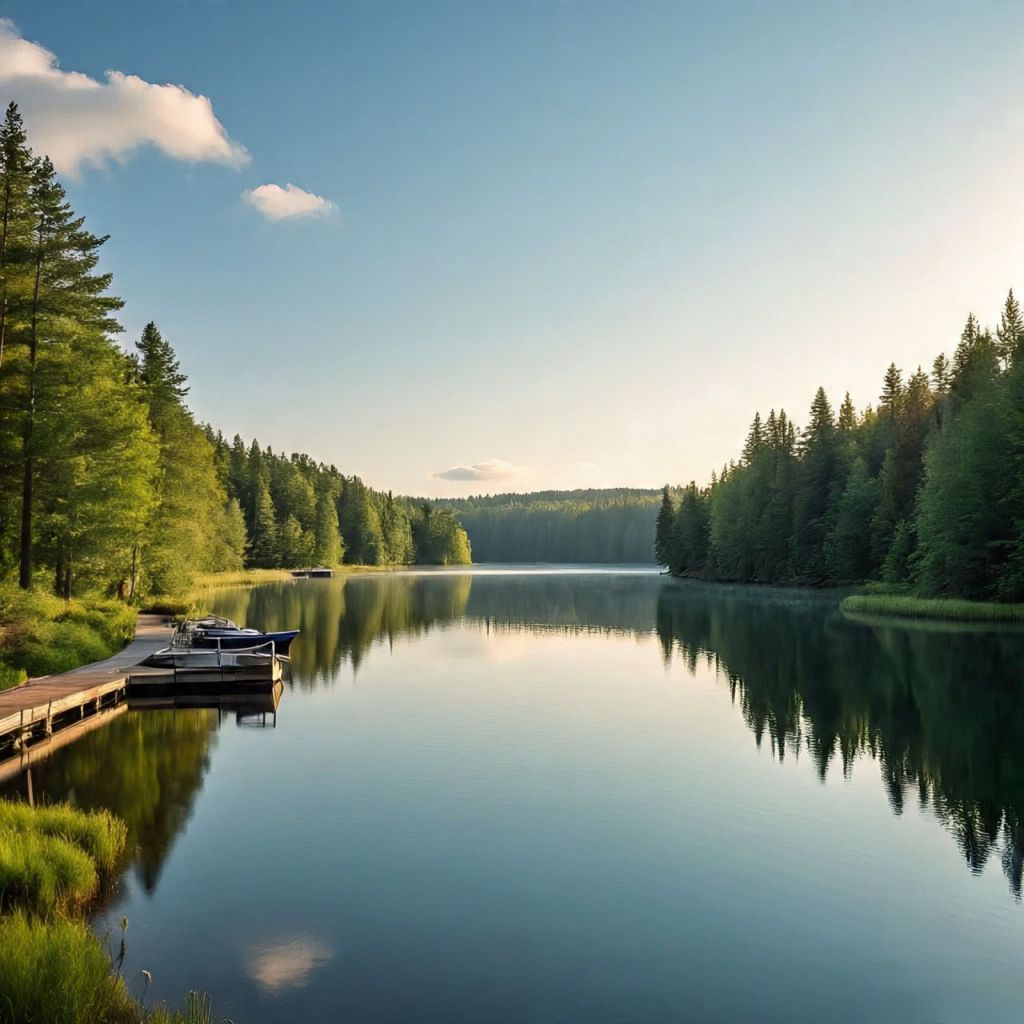
  • In the heart of Northern Europe lies a country that’s a perfect blend of natural beauty, innovative design, and rich culture. Finland, fondly known as the “Land of a Thousand Lakes,” is a treasure trove of wonders waiting to be discovered.

    Finland’s breathtaking landscapes are straight out of a fairy tale. With over 188,000 lakes, dense forests, and the majestic Northern Lights, it’s a nature lover’s paradise. The country’s unique geography has shaped the Finnish way of life, where people live in harmony with nature.

    The capital city, Helsinki, is a hot spot for design enthusiasts. From sleek architecture to stylish cafes, the city exudes a unique blend of modernity and tradition. Visit the iconic Helsinki Cathedral, explore the bustling Market Square, or stroll through the picturesque Esplanade Park.

    Finnish people are known for their love of saunas, heavy metal music, and equality. Saunas are an integral part of Finnish culture, with over 3 million saunas across the country! The Finns’ love for heavy metal music is evident in events like the Helsinki Metal Meeting. Equality is deeply ingrained, with women making up nearly 50% of the parliament.

    Finland is a hub for innovation, with companies like Nokia and Rovio (creators of Angry Birds) leading the way. The country’s education system is renowned for its emphasis on equality, creativity, and critical thinking.

    Finland transforms into a magical winter wonderland during the colder months. Experience the thrill of skiing, snowboarding, or dog sledding in Lapland. Don’t miss the enchanting Northern Lights, a natural phenomenon that’s simply breathtaking.

    Interesting Facts:

    • Finland is home to the world’s largest pumpkin pie ( Guinness World Record)
    • The country has over 2 million saunas for a population of 5.5 million
    • Finnish people are among the happiest in the world (UN World Happiness Report)

    Finland is a country that will leave you spellbound, with its unique blend of nature, design, and culture. Whether you’re a nature lover, design enthusiast, or adventure seeker, Finland is the perfect destination to experience the magic of the North.