In the tranquil backwaters of Kerala and the brackish lakes of South India, a culinary treasure swims quietly—the Pearl Spot fish, locally known as Karimeen. This flat, silver fish with its iridescent scales is more than just a delicament; it’s a symbol of regional pride.
Legend has it that Pearl Spot was a favorite of royalty, often served at feasts in the courts of Travancore kings. Today, it’s a staple in coastal kitchens, celebrated for its tender flesh and subtle flavor. Whether grilled with spices or cooked in a tangy coconut curry, each bite is a taste of tradition.
But Pearl Spot is more than a dish—it’s a lifeline for local communities. Sustainable farming practices in places like Vembanad Lake have turned it into an eco-friendly delicacy, boosting livelihoods while preserving aquatic ecosystems.
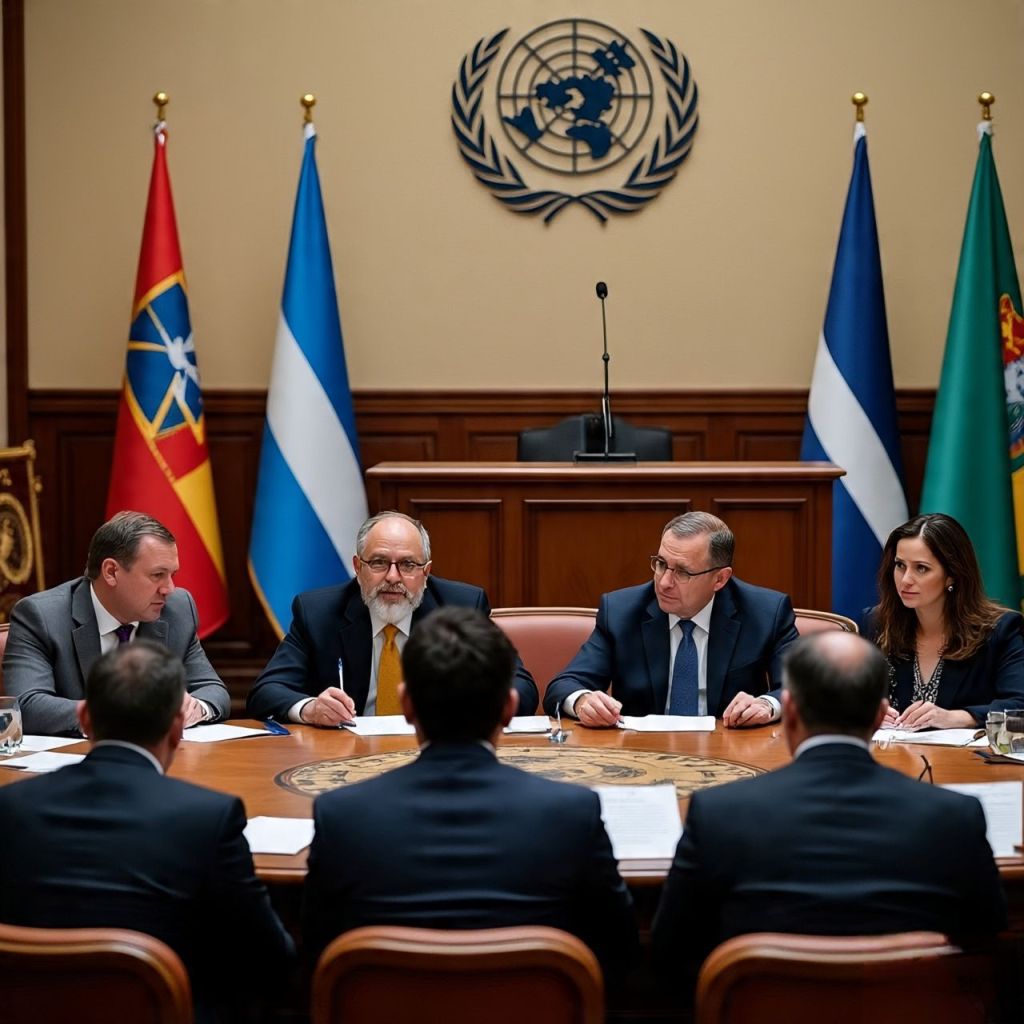
In the aftermath of World War II, a shattered world yearned for peace. Leaders from across the globe came together to create something extraordinary—the United Nations (UN). Founded on October 24, 1945, this organization was built on a simple yet powerful idea: nations, no matter how different, could unite for a common good.
From preventing conflicts to promoting human rights, the UN’s mission is woven into its 17 Sustainable Development Goals (SDGs)—a blueprint for a better world by 2030. Whether it’s vaccinating children in Africa, protecting refugees in Europe, or fighting climate change globally, the UN’s impact is vast and personal.
Headquartered in New York, the UN is a forum where voices from 193 member states converge. It’s not just about governments; it’s about people. Through agencies like UNICEF, WHO, and UNHCR, the UN touches lives daily 🌍.
Challenges persist, but the spirit of collaboration remains. As UN Secretary-General António Guterres says, “We must be the change we seek.”
In the complex world of Indian politics, few leaders have been as unapologetically themselves as Digvijaya Singh. A man of conviction, Singh has carved a niche as a fearless voice in the Congress party, often steering conversations on issues others sideline.
From his early days as a student leader to becoming the Chief Minister of Madhya Pradesh, Singh’s journey is one of resilience. A trained engineer turned politician, he entered public life with a vision for development and social justice. His focus on rural upliftment and education led to landmark initiatives like the Education Guarantee Scheme, bringing schools to the doorsteps of marginalized communities.
But Singh isn’t just about policy; he’s known for his sharp wit and unfiltered opinions. Whether critiquing governance or engaging with grassroots workers, his candor has earned both praise and criticism. “I speak my mind, always,” he says, embodying the spirit of a true people’s leader.
Today, as a senior Congress leader, Digvijaya Singh continues to advocate for secularism, federalism, and inclusive growth. His decades-long journey is a testament to staying true to one’s principles in the face of changing tides 🌟.
In a world where innovation and determination are the keys to success, Graham Walker’s journey stands out as an inspiration to many. As the former CEO of Fiberbond, Walker has left an indelible mark on the industry, transforming the company into a global leader in specialty paper and nonwoven materials.
Walker’s story begins with a strong foundation in engineering and business, which he pursued with passion and curiosity. His early career was marked by a series of strategic moves, each one building on the last, until he landed at Fiberbond. When he took the helm as CEO, he faced numerous challenges, but his vision for growth and innovation drove him to push boundaries.
Under Walker’s leadership, Fiberbond expanded its global footprint, investing in cutting-edge technology and fostering a culture of creativity and collaboration. His commitment to sustainability and customer-centric solutions set the company apart, earning it a reputation as an industry trailblazer.
Walker’s approach to leadership is rooted in empowering teams and embracing change. He’s known for saying, “Innovation happens when you challenge the status quo.” His tenure at Fiberbond is a testament to the power of vision, perseverance, and people-focused leadership.
Today, Graham Walker continues to inspire entrepreneurs and business leaders worldwide. His story reminds us that with the right mindset, even the toughest challenges can become opportunities for growth.
In the late 18th century, the Kingdom of Mysore in South India was on the cusp of a revolution. Under the leadership of Hyder Ali and his son Tipu Sultan, Mysore was transforming into a formidable military power. At the heart of this transformation was an innovative technology that would change the face of warfare – the Mysorean rocket.
Imagine being on the battlefield, facing an enemy that unleashes a barrage of iron-cased rockets, each with a range of up to 2 kilometers, causing chaos and destruction. That’s exactly what the British East India Company faced when they clashed with Tipu Sultan’s forces. The Mysorean rockets were a game-changer, with their iron tubes allowing for higher pressure and greater range, making them more effective than traditional artillery .
Hyder Ali, a skilled military strategist, began experimenting with rockets in the 1750s. His son Tipu Sultan took this innovation to the next level, establishing a dedicated rocket corps comprising around 5,000 men. These rocket men were trained to launch rockets in volleys, creating a devastating impact on enemy formations.
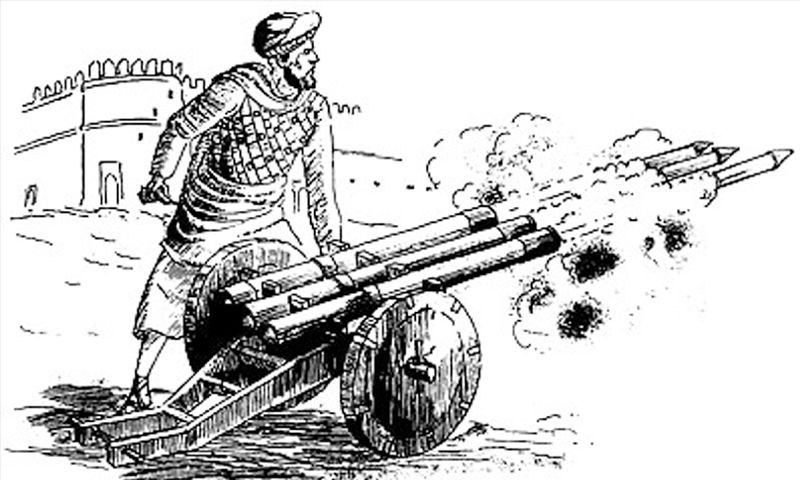
The Mysorean rockets played a crucial role in several battles, including the Second Anglo-Mysore War (1780-1784) and the Battle of Pollilur (1780). The rockets were used to disrupt British infantry formations, causing psychological terror and significant damage. Tipu Sultan’s forces also developed innovative tactics, such as using wheeled rocket launchers to fire multiple rockets simultaneously .
The Mysorean rockets’ impact extended far beyond India’s borders. The British, impressed by the technology, began experimenting with rockets, leading to the development of the Congreve rocket. This, in turn, influenced European military strategy and paved the way for modern rocketry .
Today, Tipu Sultan is remembered as a visionary leader who harnessed the power of innovation to challenge colonial powers. His legacy serves as a reminder of India’s rich history of scientific and technological achievements.
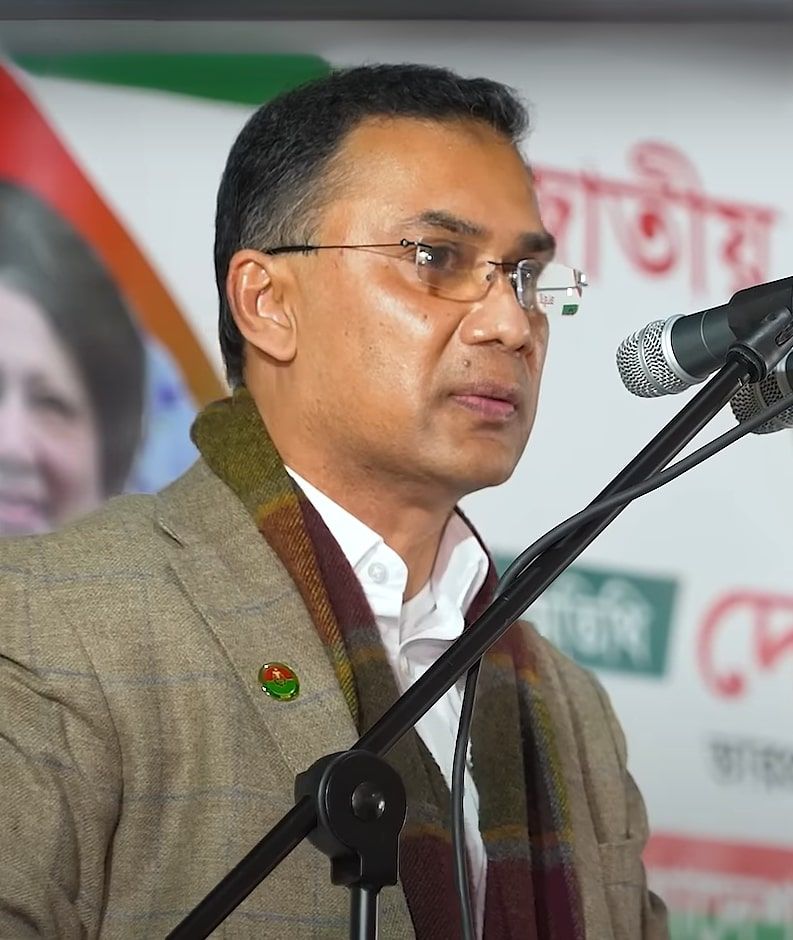
In the bustling streets of Dhaka, amidst the fervor of Bangladesh’s politics, a name echoes through generations—Tarique Rahman. The son of a founding father, Ziaur Rahman, Tarique’s life has been a blend of legacy, power, and relentless pursuit of a dream.
Growing up in the shadow of his father’s vision for Bangladesh, Tarique was groomed for leadership. But destiny had other plans. After his father’s assassination in 1981, Tarique faced exile, hardship, and political turmoil. Yet, he transformed adversity into fuel. In the UK, he built a new life, earned a degree, and emerged as a key figure in Bangladesh’s opposition politics.
Tarique’s return to Bangladesh in 2008 marked a turning point. Though imprisoned by the then-government, his spirit remained unbroken. Supporters hailed him as a symbol of democratic struggle; critics saw a force to reckon with. Today, Tarique leads the BNP, steering the party through turbulent times, advocating for democracy, and keeping his father’s vision alive.
A complex figure, loved and debated, Tarique’s story is Bangladesh’s story—of politics, survival, and the relentless pursuit of power. Love him or critique him, his impact on the nation is undeniable 🌟.
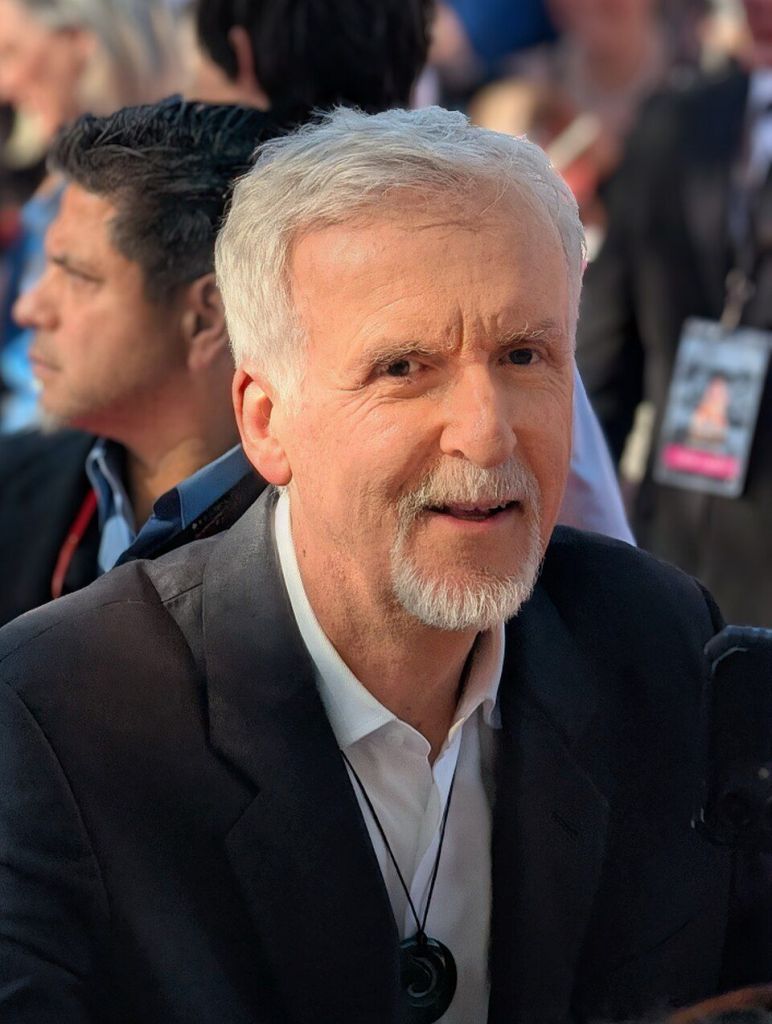
James Cameron, the mastermind behind Titanic, Avatar, and Terminator, is a name synonymous with cinematic greatness. But did you know he faced rejection and failure multiple times before making it big?
In a world where fear of failure often holds us back, Cameron’s journey is a masterclass in resilience. He didn’t let setbacks define him; instead, he used them as stepping stones. When his family struggled financially, he wrote scripts in his spare time, eventually selling one for $1 – a tiny start to a billion-dollar empire 🌟.
Cameron’s mantra? “Failure is an option, but fear is not.” He teaches us that success isn’t about avoiding failure; it’s about embracing it as part of growth. His Titanic gamble, which cost $200 million (a record at the time), could’ve sunk his career. Instead, it became the highest-grossing film ever, shattering records.
So, what’s holding you back? Fear of rejection? Fear of the unknown? Cameron’s story says, “Leap anyway.” Fail forward. The biggest breakthroughs often lie on the other side of fear 🚀.
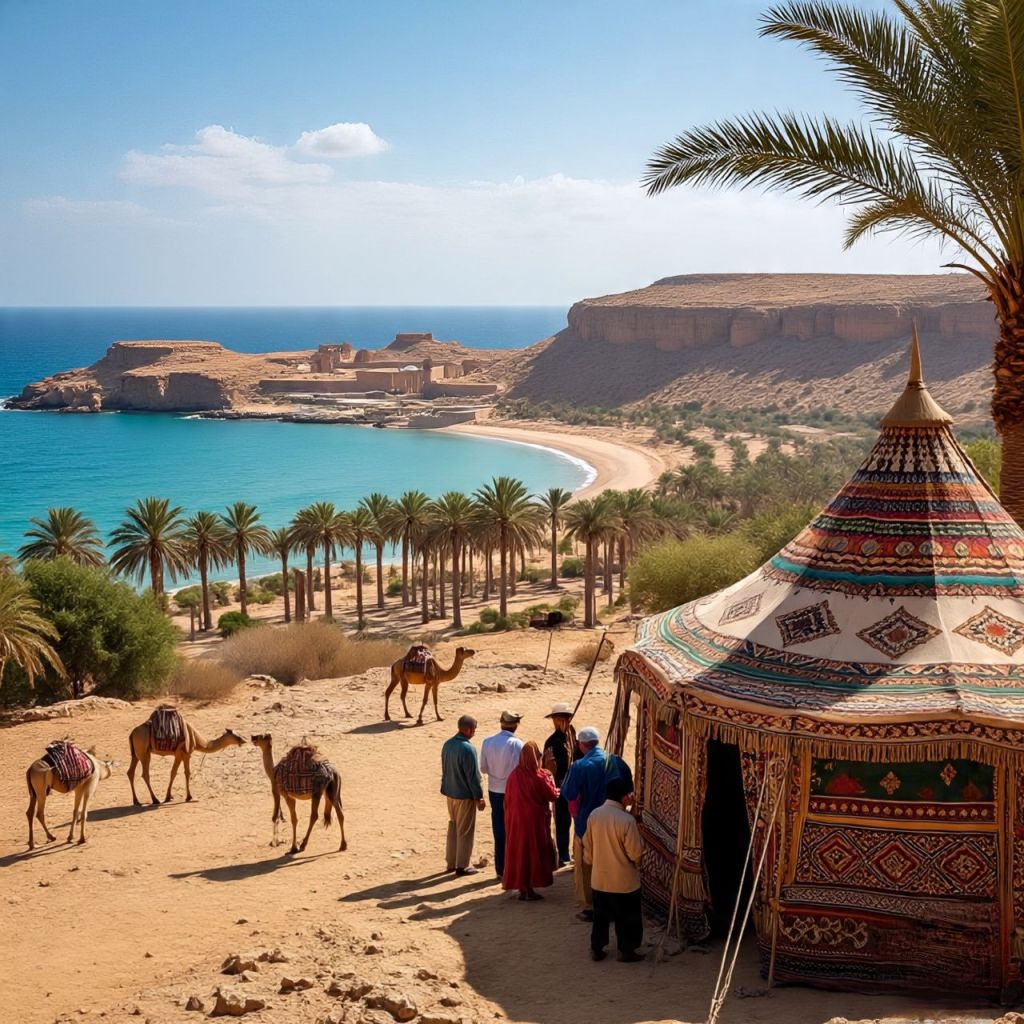
In the heart of North Africa, where ancient histories whisper secrets to the wind, lies a country often overlooked by travelers. Libya, with its pristine beaches, golden dunes, and timeless ruins, is the Mediterranean’s best-kept secret.
Imagine strolling along the picturesque shores of Tripoli, where azure waves lap against crumbling Ottoman walls. Picture yourself wandering through the Roman amphitheater of Leptis Magna, where emperors once walked amidst marble columns. Or envision camping under star-filled skies in the vast expanse of the Libyan Desert, where silence speaks louder than words.
From the Mediterranean coast to the Sahara’s edge, Libya is a land of contrasts. Explore the bustling souks of Tripoli, where spices and scents transport you to another era. Visit the ancient city of Ghergheresh, where history seeps through every stone. And don’t miss the breathtaking Akaba oasis, a lush haven in the desert.
Libya’s story is one of resilience, beauty, and hidden treasures. Beyond the headlines, this North African gem awaits discovery—its landscapes, culture, and people as rich as the oil beneath its sands.
The next time you dream of adventure, consider Libya. The Mediterranean’s hidden gem is ready to reveal its secrets. 🌊
In a world where inequality and poverty still grip millions, a powerful institution is working tirelessly to turn the tide. The World Bank, with its vast network of experts and resources, is unlocking development insights that are transforming lives and landscapes.
Imagine a young girl in rural India accessing clean water for the first time, or a farmer in Kenya boosting crop yields with climate-smart techniques. These aren’t just stories – they’re real-life examples of the World Bank’s impact.
From funding infrastructure projects to advising governments on policy reforms, the World Bank is the go-to partner for developing countries. Its research and data-driven approach help nations tackle pressing challenges like climate change, health crises, and digital divide.
Take, for instance, the World Bank’s work in Bangladesh, where it’s supported the government’s efforts to improve education and job skills for millions of youth. Or consider its role in Morocco, where it’s helped expand renewable energy access to millions.
But it’s not just about funding; it’s about sharing knowledge and expertise. The World Bank’s global reports, like the annual “Doing Business” index, spark reforms that attract investment and drive growth.
As the world grapples with complex development issues, the World Bank remains a beacon of hope. Its commitment to ending extreme poverty and boosting shared prosperity is a reminder that a better future is possible.
The next time you hear about the World Bank, remember: it’s not just an institution – it’s a catalyst for change, unlocking development insights that are shaping a brighter world. 🌍
In a world where conflicts rage and humanity trembles, there’s a group of brave men and women who go beyond the call of duty. They’re not just soldiers; they’re catalysts for peace, champions of human rights, and guardians of the rule of law. Meet the United Nations Peacekeeping Forces, the unsung heroes working tirelessly to create a safer, more just world.
It starts with a simple yet powerful idea: peace is not just the absence of war, but a state of stability, dignity, and freedom. UN Peacekeepers embody this idea, deploying to some of the world’s most volatile regions to protect civilians, facilitate dialogue, and rebuild shattered communities.
Take, for instance, the story of MINUSCA in the Central African Republic. Amidst brutal conflict, UN Peacekeepers have worked alongside local authorities to establish safe zones, deliver aid, and support elections. Or consider MONUSCO in the Democratic Republic of Congo, where peacekeepers have helped protect millions from violence and supported efforts to strengthen the rule of law.
But their role goes beyond military might. UN Peacekeepers are also educators, mediators, and mentors. They train local forces, promote women’s rights, and advocate for the protection of children in conflict. They’re often the last line of defense for vulnerable communities, standing between them and those who would do them harm.
The impact is tangible. In countries like Liberia and Sierra Leone, UN Peacekeepers have helped bring stability and pave the way for democratic transitions. In Cyprus and the Golan Heights, they’ve maintained fragile ceasefires, giving peace a chance to take root.
As the world grapples with complex challenges, the role of UN Peacekeepers has never been more critical. They’re a beacon of hope, showing that even in the darkest moments, collective action and commitment to peace can make a difference.
The next time you hear about UN Peacekeepers, remember: they’re not just soldiers; they’re architects of a more peaceful, just, and secure world. 🌍





 Histopedia