• As I sat in the dimly lit theater, surrounded by the vibrant culture of Tehran, I was transported to a world of cinematic magic. Iranian movies have been a staple of international film festivals for decades, captivating audiences with their unique blend of poetry, drama, and social commentary.
    Iranian cinema has a rich history, dating back to the 1900s. However, it wasn’t until the 1980s that Iranian films began to gain international recognition. Directors like Abbas Kiarostami and Mohsen Makhmalbaf pioneered the Iranian New Wave movement, which focused on realistic storytelling and social issues.

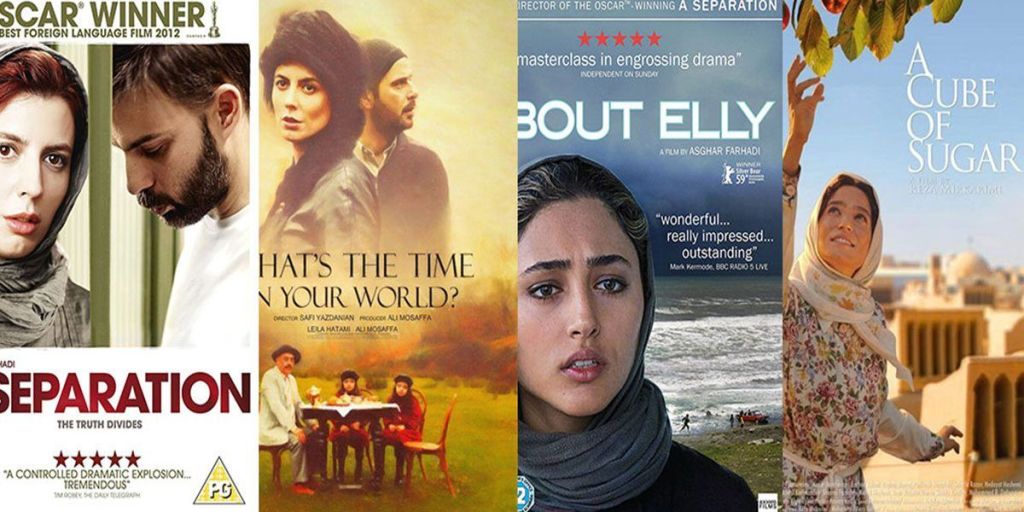
    One of the most iconic Iranian films is “A Separation” (2011) by Asghar Farhadi. This powerful drama tells the story of a couple’s divorce and its impact on their young daughter. The film’s nuanced exploration of Iranian society and family dynamics earned it critical acclaim and several awards, including the Academy Award for Best Foreign Language Film.

    Other Must-See Iranian Films

    • “The Salesman” (2016) by Asghar Farhadi: A gripping drama about a couple’s marriage and the complexities of relationships.
    • “The White Balloon” (1995) by Jafar Panahi: A poignant tale of a young girl’s quest to buy a goldfish on the eve of the New Year.
    • “Children of Heaven” (1997) by Majid Majidi: A heartwarming story of a young boy’s struggles and the bond between siblings.

    The Future of Iranian Cinema

    Despite facing challenges and censorship, Iranian filmmakers continue to push boundaries and explore new themes. The emergence of young and talented directors like Saeed Roustayi and Hossein Amini promises a bright future for Iranian cinema.

    Experience Iranian Cinema

    If you’re new to Iranian movies, here’s where to start:

    • Streaming platforms: Many Iranian films are available on platforms like Netflix, Amazon Prime, and MUBI.
    • Film festivals: Attend international film festivals that showcase Iranian cinema.
    • Local screenings: Check out local art house cinemas and cultural centers that screen Iranian films.

    Iranian movies offer a unique window into the country’s culture, society, and people. With their rich storytelling, stunning cinematography, and thought-provoking themes, Iranian films are a must-watch for any film enthusiast.
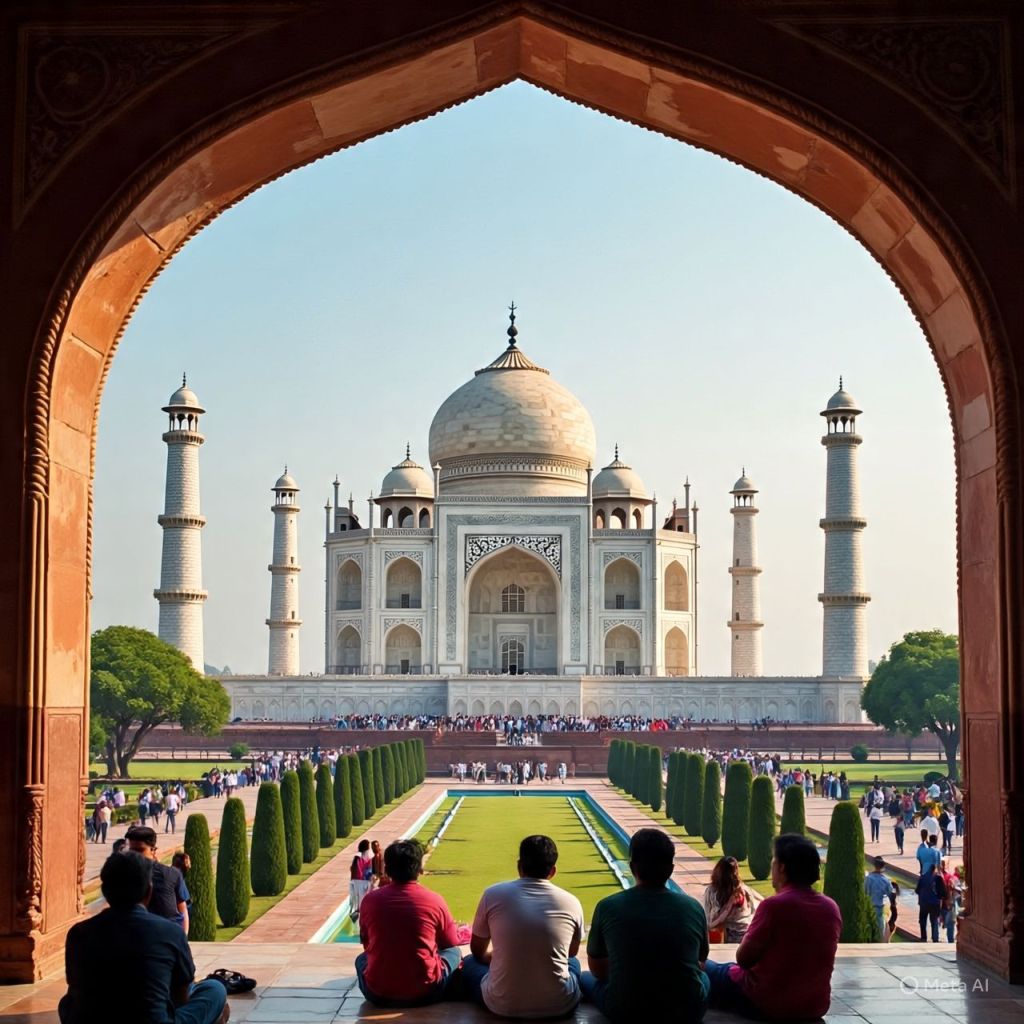
  • As I stepped into the city of love and legacy, Agra, I couldn’t help but feel a sense of excitement and curiosity. The golden light of the morning sun cast a warm glow over the city, revealing the majestic architecture and rich history that Agra is known for.

    Agra’s story begins in the 16th century when it was chosen as the capital by the Mughal emperor Akbar. The city’s strategic location on the banks of the Yamuna River made it an ideal spot for trade and commerce. Over the centuries, Agra has been ruled by various dynasties, each leaving their mark on the city’s architecture, culture, and cuisine.

    No visit to Agra would be complete without witnessing the breathtaking beauty of the Taj Mahal. This stunning monument, built by Mughal emperor Shah Jahan in memory of his beloved wife Mumtaz Mahal, is a testament to the power of love and devotion. As I walked through the lush gardens and approached the gleaming white marble mausoleum, I felt a sense of awe and wonder.

    Other Architectural Marvels

    Agra is home to several other architectural wonders, including:

    • Red Fort: A majestic fort built by Akbar in 1565, showcasing a blend of Mughal and Persian architecture
    • Fatehpur Sikri: A abandoned city built by Akbar, featuring stunning examples of Mughal architecture
    • Itmad-ud-Daulah’s Tomb: A beautiful tomb built for the father of Nur Jahan, showcasing intricate marble work and inlay

    Agra is not just a city; it’s an experience. From the flavorful street food to the vibrant markets, there’s something for everyone in this city. As I explored the city’s narrow streets, I discovered hidden gems, such as the local eateries serving delicious petha and chaat.

    Plan Your Visit

    If you’re planning to visit Agra, here are a few tips:

    • Best Time to Visit: October to February for pleasant weather
    • Getting There: Agra is well-connected by air, rail, and road
    • Must-Try Dishes: Petha, chaat, and Mughlai cuisine

    As I left Agra, I couldn’t help but feel grateful for the experience. The city’s rich history, stunning architecture, and warm hospitality had left an indelible mark on my heart. If you’re looking for a city that will steal your heart, Agra is the place to be.

  • The sun had barely stretched its golden limbs across the Tamil countryside when little Meena darted out of her home, her anklets chiming like temple bells. The scent of jaggery and cardamom wafted through the air, mingling with the earthy aroma of freshly tilled soil. It was Pongal morning—and the village was alive.

    Her grandmother, Paati, stood by the clay pot, stirring the bubbling mixture of rice and milk. “Watch closely, kanna,” she said, “Pongal is not just food. It’s our thanks to the sun, the soil, and the sweat of our farmers.”

    Meena watched as the pot overflowed, and the family cheered, “Pongalo Pongal!”—a joyful cry that echoed across homes, fields, and hearts. The overflowing pot was no accident. It was a symbol of abundance, of prosperity spilling over, of gratitude too big to contain.

    Outside, the kolams—intricate rice flour designs—bloomed on doorsteps like white lotuses. Bulls were adorned with garlands, their horns painted in bright hues. Sugarcane stalks leaned against doorways like sentinels of sweetness. The village was dressed in celebration, and every home was a temple of joy.

    But Pongal wasn’t just one day. It was a four-day symphony.

    • 🐃 Bhogi began with old things burned away—symbolizing renewal. Meena had tossed her broken toy into the fire, watching it turn to ash with wide eyes.
    • 🌞 Surya Pongal was the main day, dedicated to the Sun God. That was today. The day of the sweet Pongal, of prayers, of sun-kissed blessings.
    • 🐄 Mattu Pongal honored the cattle—the silent partners in farming. Meena giggled as she fed bananas to Lakshmi, their family cow, who wore a necklace of marigolds.
    • 👨‍👩‍👧‍👦 Kaanum Pongal was for family outings and reunions. Tomorrow, they’d visit the riverbank, share stories, and eat lemon rice under the shade of tamarind trees.

    As the day unfolded, Meena learned that Pongal was more than a festival. It was a feeling. A rhythm. A reminder that gratitude is the richest harvest of all.

    And as the sun dipped low, casting amber light on the fields, Paati whispered, “This is our story, kanna. Passed from pot to pot, from heart to heart. Never forget it.”


  • In the vibrant world of cricket, Wasim Akram stands tall as one of the greatest fast bowlers of all time. Born on June 3, 1966, in Lahore, Pakistan, Akram’s journey is a testament to his unwavering passion, unrelenting dedication, and unmatched talent.


    Growing up in a Punjabi family, Akram’s early life was marked by a love for cricket. He attended Government Islamia College in Lahore, where his cricketing skills began to flourish. Akram’s international debut came in 1984, at just 18 years old, and he quickly became known for his ability to swing the ball both ways.


    Akram’s career was marked by numerous records and achievements:

    • The Sultan of Swing: He earned this nickname for his mastery over swing and seam bowling.
    • Wicket-Taking Machine: Akram holds the record for taking the most wickets in List A cricket (881) and is second in ODI wickets (502).
    • World Cup Winner: He was part of Pakistan’s World Cup-winning team in 1992.


    Akram captained Pakistan in 109 matches, leading the team to the 1999 World Cup final. His leadership and bowling prowess inspired a generation of cricketers. Akram retired from international cricket in 2003, leaving behind a legacy that continues to inspire.


    Today, Akram is a respected cricket commentator, coach, and mentor. He has worked with various teams, including Islamabad United and Multan Sultans, and has been involved in Pakistan’s cricket administration. Akram’s passion for the sport remains unwavering, and he continues to contribute to cricket’s growth and development.


  • In 1910, a British-owned company, Imperial Tobacco Company of India Limited, was established in Kolkata, marking the beginning of ITC’s remarkable journey. Over the years, the company has transformed into a diversified conglomerate, leaving an indelible mark on India’s business landscape.


    ITC’s story began with a focus on tobacco products, including cigarettes, cigars, and pipe tobacco. The company’s early years were marked by partnerships with farmers from southern India to source leaf tobacco.


    As India’s economy grew, ITC diversified its portfolio, entering the hospitality industry in 1975 with the acquisition of a hotel in Chennai. This move was driven by the potential to earn foreign exchange, create tourism infrastructure, and generate employment.

    Expanding Horizons
    ITC continued to expand its reach, venturing into:

    • Paperboards and Packaging (1979)
    • Agri-Business (1990)
    • Foods (2001)
    • Education and Stationery (2002)
    • Personal Care (2005)

    Iconic Brands and Innovations
    ITC’s brands have become synonymous with quality and trust:

    • Classmate: India’s largest notebook brand
    • Aashirvaad: A leading brand in staples and wheat flour
    • Sunfeast: A popular biscuits and snacks brand
    • ITC Hotels: Luxury hotels and resorts across India

    Commitment to Sustainability
    ITC has prioritized sustainability, focusing on:

    • Environmental Conservation
    • Social Responsibility
    • Employee Well-being


    Today, ITC is one of India’s most respected companies, with a presence in over 90 countries and 60 locations. The company’s enduring values and commitment to excellence have made it a household name.


  • In the vibrant world of Indian literature, Kiran Desai stands out as a shining star, captivating readers with her rich storytelling and profound exploration of themes like migration, identity, and globalization. Born on September 3, 1971, in Chandigarh, India, Desai’s journey is a testament to her talent, perseverance, and passion for writing.


    Desai’s early life was marked by a love for literature, nurtured by her mother, renowned author Anita Desai. Growing up in Pune and Mumbai, she developed a deep appreciation for storytelling, which later blossomed into her own writing career. After moving to England and later the United States, Desai pursued her studies in creative writing at Bennington College, Hollins University, and Columbia University.


    Desai’s debut novel, “Hullabaloo in the Guava Orchard” (1998), was a delightful satire that showcased her unique voice and style. However, it was her second novel, “The Inheritance of Loss” (2006), that catapulted her to international acclaim, earning her the prestigious Man Booker Prize and National Book Critics Circle Fiction Award.


    Desai’s works are known for their vivid cultural imagery, exploration of immigrant experiences, and blending of humor with social commentary. Her writing often navigates the complexities of identity, belonging, and the human condition, resonating with readers worldwide.


    Desai’s latest novel, “The Loneliness of Sonia and Sunny” (2025), has been shortlisted for the Booker Prize, marking her second appearance on the list. This novel explores themes of love, loneliness, and identity, set against the backdrop of India and the United States.


    Kiran Desai’s contributions to literature have been recognized globally, inspiring a new generation of writers and readers. Her unique voice and perspective have enriched the literary landscape, cementing her position as one of India’s most celebrated authors.


  • In the glitz and glamour of Hollywood, a young boy from Los Angeles rose to become one of the most acclaimed actors of his generation. Leonardo Wilhelm DiCaprio, born on November 11, 1974, has captivated audiences with his remarkable performances and dedication to environmental causes.


    Growing up in a bohemian family, DiCaprio’s early life was marked by creativity and curiosity. His parents, George and Irmelin, encouraged his artistic pursuits, and he began acting in commercials and educational films at a young age.


    DiCaprio’s breakout role came in 1991 with the film “Critters 3,” followed by his memorable performance in “What’s Eating Gilbert Grape” (1993), earning him an Academy Award nomination at just 19. His portrayal of Jack Dawson in James Cameron’s “Titanic” (1997) catapulted him to global stardom.


    DiCaprio’s diverse filmography showcases his range and talent:

    • The Revenant (2015): A gripping survival story earning him the Best Actor Oscar.
    • The Wolf of Wall Street (2013): A dark comedy showcasing his versatility.
    • Inception (2010): A mind-bending sci-fi thriller.
    • Catch Me If You Can (2002): A biographical crime comedy-drama.

    Environmental Advocacy
    DiCaprio’s passion for environmental conservation is evident through:

    • The Leonardo DiCaprio Foundation: Established in 1998, supporting conservation projects globally.
    • Documentary Productions: Producing films like “The 11th Hour” (2007) and “Before the Flood” (2016), highlighting environmental issues.


    DiCaprio’s contributions extend beyond acting :

    • Environmental Philanthropy: Donating millions to conservation causes.
    • Awards and Recognition: Receiving numerous accolades, including an Oscar, BAFTA, and Golden Globe awards.
    • Inspiring Change: Using his platform to raise awareness about climate change and wildlife conservation.

    As DiCaprio continues to captivate audiences, his legacy inspires a new generation of actors and environmental advocates .


  • In the heart of Germany, a remarkable woman rose to shape the country’s destiny and leave an indelible mark on the world stage. Angela Merkel, the first female Chancellor of Germany, served from 2005 to 2021, earning her place as one of the most influential leaders of our time.


    Born on July 17, 1954, in Hamburg, West Germany, Merkel’s early life was marked by her family’s move to East Germany, where her father, a Lutheran pastor, took up a position in Perleberg. She excelled academically, earning a doctorate in quantum chemistry in 1986 and working as a research scientist until 1989.


    Merkel’s entry into politics began with the fall of the Berlin Wall, joining the Christian Democratic Union (CDU) and quickly rising through the ranks. She became Minister for Women and Youth in 1991 and Minister for the Environment in 1994, showcasing her commitment to progressive causes.


    In 2005, Merkel shattered glass ceilings, becoming Germany’s first female Chancellor. Her leadership navigated the country through the global financial crisis, European debt crisis, and refugee crisis, earning international acclaim.

    Key Achievements

    • Eurozone Crisis Management: Merkel played a pivotal role in stabilizing the eurozone.
    • Refugee Policy: Her decision to open Germany’s borders to refugees in 2015 sparked controversy and praise.
    • Climate Change: Merkel advocated for renewable energy and reducing carbon emissions.
    • European Integration: She championed a unified Europe, promoting cooperation and integration.

    Legacy and Impact
    Merkel’s 16-year tenure left an enduring legacy:

    • Inspiring Women Leaders: Merkel paved the way for future generations of women in politics.
    • Global Influence: She was named one of Time magazine’s 100 most influential people in the world multiple times.
    • European Politics: Merkel shaped EU policies, promoting unity and cooperation.

    As Merkel stepped down in 2021, her impact continued to resonate, inspiring leaders and citizens worldwide.


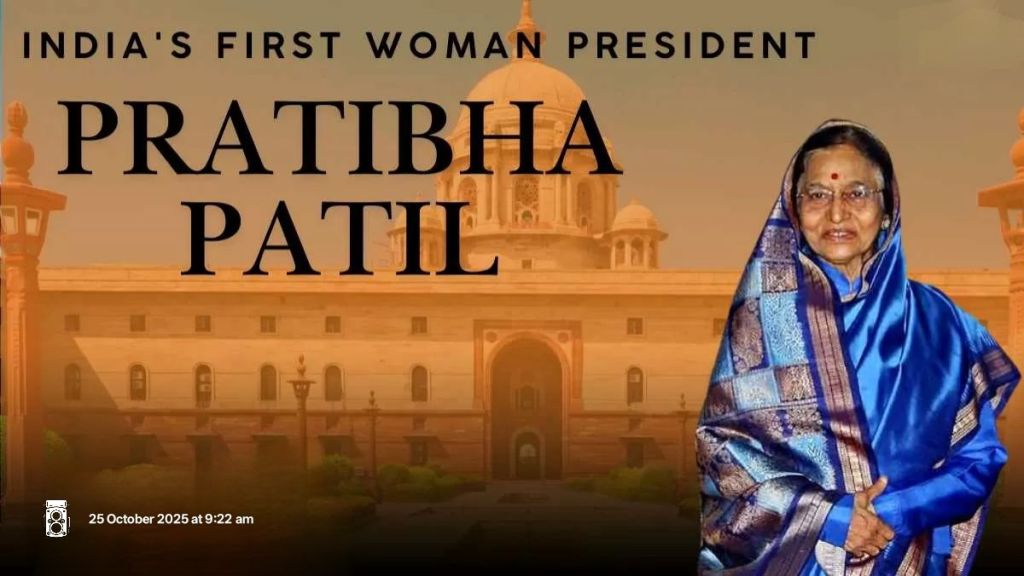
  • In a historic moment that marked a significant milestone in India’s journey towards gender equality, Pratibha Patil became the country’s first female President, serving from 2007 to 2012. Born on December 19, 1934, in Nadgaon, Maharashtra, Patil’s rise to the highest office in the land was a testament to her dedication, perseverance, and leadership.


    Patil’s early life was marked by a strong emphasis on education and social welfare. She pursued her Master’s in Political Science and Economics from Mooljee Jetha College, Jalgaon, and later completed her law degree from Government Law College, Mumbai. Her passion for social causes, particularly women’s empowerment, led her to work as a lawyer in the Jalgaon District Court.


    Patil’s entry into politics began at the age of 27, and she quickly established herself as a formidable force. She won every election she contested, serving as a Member of the Maharashtra Assembly from 1962 to 1985, and later as a Member of Parliament from 1991 to 1996. Her ministerial portfolios included Education, Urban Development, and Social Welfare, showcasing her commitment to progressive causes.


    In 2004, Patil was appointed as the 24th Governor of Rajasthan, becoming the first woman to hold this position. Her exceptional leadership and dedication caught the attention of the United Progressive Alliance (UPA), leading to her nomination as the Presidential candidate in 2007.


    Patil’s victory in the Presidential election was a resounding one, defeating her rival by over three lakh votes. She was sworn in as President on July 25, 2007, breaking gender barriers in Indian politics.


    Patil’s presidency was marked by her commitment to education, social welfare, and women’s empowerment. She founded the Vidya Bharti Shikshan Prasarak Mandal, an educational organization running schools and colleges in Jalgaon and Mumbai. Her leadership remains a milestone in India’s journey towards gender equality, inspiring future generations of women leaders.


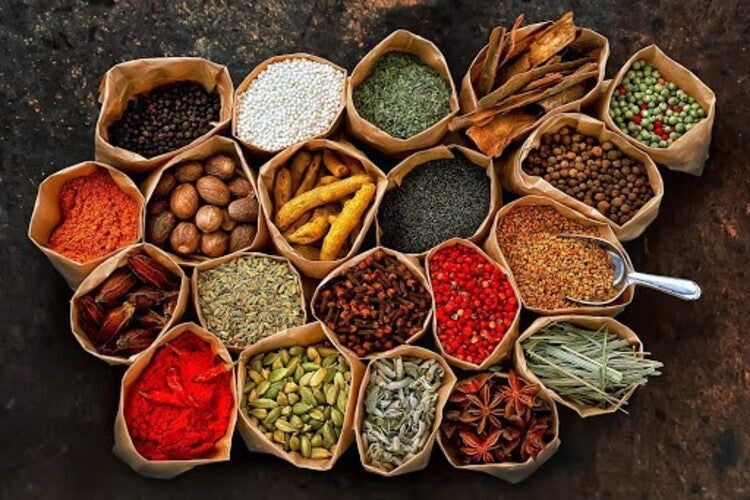
  • In the heart of India, where ancient traditions meet vibrant cultures, lies a world of flavors that has captivated palates for centuries. The Indian Spice World is a tale of aromatic spices, rich history, and diverse culinary heritage.


    India has been the land of spices for thousands of years, with the Western Ghats and the Himalayas providing a perfect climate for spice cultivation. The country’s spice trade dates back to the Indus Valley Civilization, with spices like pepper, cinnamon, and cardamom being highly prized.


    The ancient Spice Route, which connected India to the Mediterranean, played a significant role in shaping the country’s culinary identity. Spices like black pepper, cinnamon, and cloves were traded along this route, influencing the cuisine of various regions.

    Regional Flavors
    India’s diverse regions have their unique spice blends and culinary traditions:

    • North India: Known for its rich, creamy curries and spices like cumin, coriander, and turmeric.
    • South India: Famous for its spicy and tangy flavors, with spices like mustard seeds, curry leaves, and chilies.
    • East India: Influenced by Bengali cuisine, with spices like mustard oil, cumin, and coriander.
    • West India: Known for its coastal flavors, with spices like coconut, turmeric, and red chilies.


    Indian spices are not just about flavor; they’re also about tradition, culture, and medicine. Spices like turmeric, ginger, and cumin have medicinal properties, while others like saffron and cardamom are used in traditional rituals.

    Preserving the Legacy
    Today, India’s spice heritage is being preserved and promoted through various initiatives:

    • Spice plantations: Sustainable farming practices are being adopted to preserve the country’s spice heritage.
    • Culinary tourism: Food enthusiasts are exploring India’s diverse regions to experience local flavors.
    • Spice markets: Traditional markets like the Khari Baoli in Delhi continue to thrive, offering a glimpse into India’s spice world .