Few names in modern history have cast such a long and unsettling shadow over global politics, business, and elite circles as Jeffrey Epstein. What initially appeared to be a criminal case involving a wealthy financier gradually evolved into a global controversy that damaged reputations, exposed deep institutional failures, and forced the world to confront uncomfortable truths about power, privilege, and accountability.
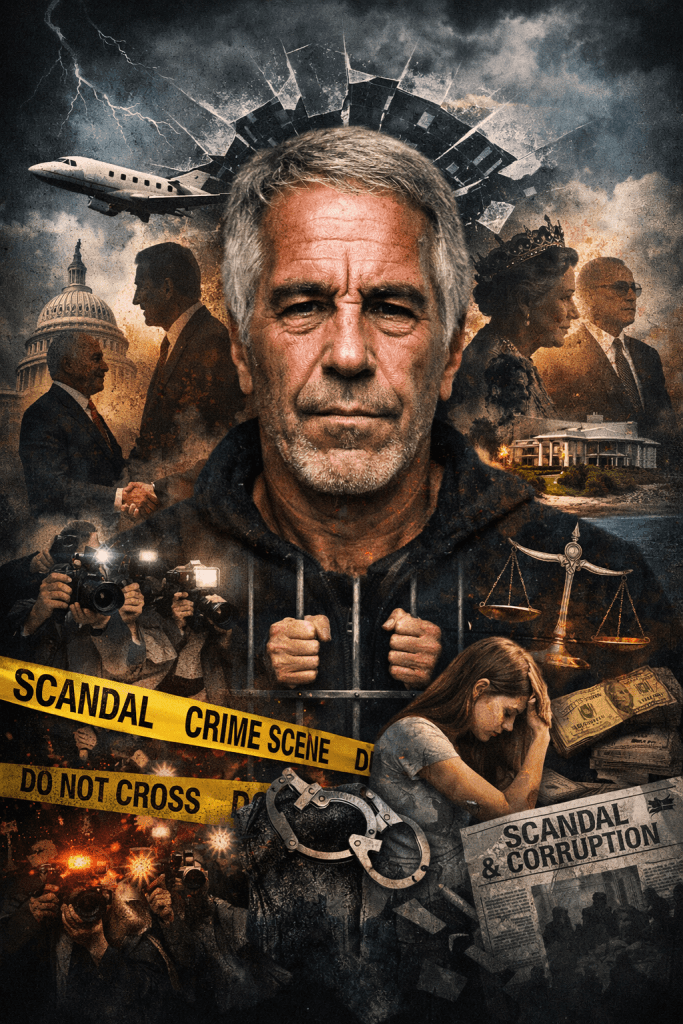
Epstein carefully crafted the image of an untouchable insider. He positioned himself as a billionaire financier with extraordinary access to presidents, prime ministers, royalty, CEOs, academics, and celebrities. Photographs, social gatherings, private jets, and luxury estates reinforced the perception that he operated above scrutiny. This carefully maintained proximity to power created an illusion of legitimacy and protection.
Behind this façade, however, existed a disturbing reality. For years, Epstein was involved in systematic sexual abuse, trafficking, and exploitation of minors. These crimes persisted not in isolation, but within an environment where influence silenced victims and connections softened consequences. The question that continues to trouble the public is not only how such crimes occurred, but how they were allowed to continue for so long.
As the case unfolded, the damage extended far beyond Epstein himself. Political leaders and influential figures across the world faced scrutiny over their associations with him. In many cases, no direct crimes were legally proven, yet the reputational impact was severe. In modern politics, perception often weighs as heavily as evidence, and even indirect links to Epstein proved enough to erode public trust. Diplomatic credibility weakened, institutions were questioned, and confidence in leadership declined.
Perhaps the most alarming aspect of the Epstein saga was the repeated failure of systems designed to prevent such abuse. Early legal leniency raised serious concerns about favoritism. Law enforcement decisions appeared compromised by pressure or influence. Media silence during critical years allowed abuse to continue unchecked. Together, these failures turned the case into a symbol of how wealth and power can distort justice, especially when victims lack visibility or influence.
Epstein’s death in custody intensified global suspicion rather than providing closure. Official explanations failed to restore confidence, while unanswered questions fueled distrust toward governments and institutions. For many observers, his death reinforced a deeply unsettling belief: power often protects itself, even at the cost of truth.
The long-term impact of the controversy continues to shape public expectations. Political leaders are now judged more harshly for their associations. Transparency is demanded rather than requested. Silence is increasingly interpreted as complicity. At the same time, the case amplified the voices of victims and pushed discussions about abuse, trafficking, and elite accountability into the global spotlight.
Jeffrey Epstein is no longer alive, but the consequences of his actions remain. Careers were damaged, institutions embarrassed, and public trust fractured. His legacy is not confined to criminal history alone; it stands as a warning of what happens when power operates without oversight. History will remember Epstein not merely as a criminal, but as a mirror reflecting the uncomfortable truths societies often prefer to ignore.
 Histopedia
Leave a comment