In the heart of Southeast Asia, a community has been fighting for survival and recognition for decades. The Rohingya, a Muslim minority group from Myanmar, have been subjected to persecution, violence, and displacement, leaving them as one of the most vulnerable populations in the world.
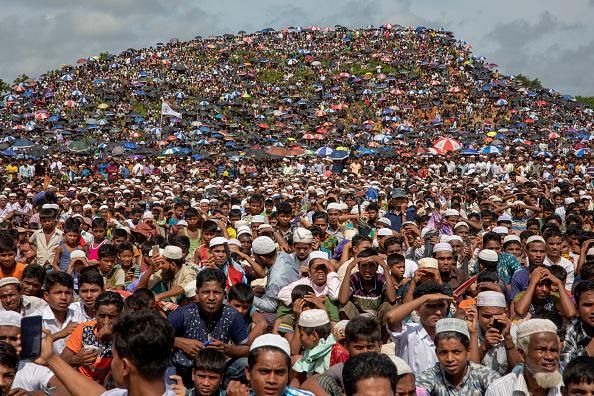
The Rohingya have lived in Myanmar for generations, but their citizenship was stripped away in 1982, rendering them stateless. This has led to a life of marginalization, with limited access to education, healthcare, and employment opportunities. The situation escalated in August 2017, when the Myanmar military launched a brutal crackdown, forcing over 700,000 Rohingya to flee to Bangladesh .
Today, over 1.1 million Rohingya refugees reside in Bangladesh, living in overcrowded camps with inadequate shelter, food, and sanitation. The conditions are dire, with limited access to education, healthcare, and livelihood opportunities. The COVID-19 pandemic has further exacerbated the situation, making it even more challenging for the Rohingya to survive .
The Rohingya community is urging the international community to take action and provide a sustainable solution to their crisis. They are calling for citizenship rights, safe return to their homeland, and an end to the violence and persecution. As Bangladesh’s Chief Adviser Muhammad Yunus emphasized, “The Rohingya issue and its sustainable resolution must be kept alive on the global agenda, as they need our support until they return home” .
The Rohingya crisis is a humanitarian emergency that requires immediate attention and action. We must come together to support the Rohingya community and push for a lasting solution. Here are a few ways you can help:
- Raise Awareness: Share the Rohingya story and raise awareness about their plight.
- Support Humanitarian Efforts: Donate to reputable organizations working to provide aid and support to the Rohingya refugees.
- Advocate for Change: Contact your government representatives and urge them to take action to address the Rohingya crisis.
The Rohingya community deserves dignity, recognition, and a chance to rebuild their lives.
 Histopedia
Leave a comment