Rodrigo Duterte, the 16th President of the Philippines, is a figure who has sparked both admiration and outrage. His presidency, which began in 2016, has been marked by a mix of populist policies, brutal anti-drug campaigns, and a divisive leadership style.

Duterte’s rise to power was swift and unexpected. A longtime politician from Mindanao, he rode a wave of popularity on a platform of law and order, vowing to tackle the country’s crippling crime and drug problems. His tough-talking, no-nonsense approach resonated with many Filipinos, who saw him as a strong leader willing to take on the country’s entrenched elite.
Duterte’s anti-drug campaign has been his most defining policy initiative. The campaign has led to thousands of extrajudicial killings, with many more injured or imprisoned. While Duterte’s supporters credit the campaign with reducing crime, human rights groups have condemned the violence and alleged impunity.
Duterte’s presidency has been marked by controversy, including his outspoken comments on various issues, from women’s rights to international relations. His leadership style has been criticized as authoritarian, with allegations of suppressing dissent and undermining democratic institutions.
The impact of Duterte’s policies has been felt across the Philippines. Families have been torn apart, communities have been silenced, and the country’s human rights record has suffered. The war on drugs has disproportionately affected the poor and marginalized, exacerbating existing social inequalities.
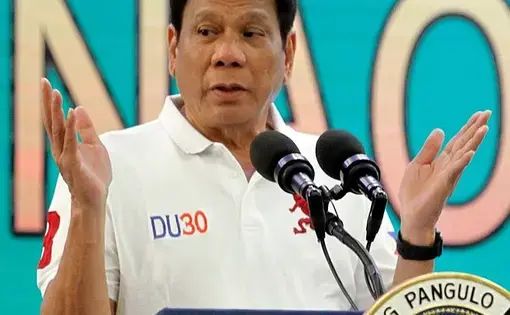
As Duterte’s term draws to a close, his legacy remains uncertain. While he has implemented popular policies, such as infrastructure development and social welfare programs, his brutal approach to law and order has left a stain on the country’s reputation. The Philippines faces challenges in rebuilding its institutions, healing its divisions, and upholding human rights.
 Histopedia
Leave a comment