In the heart of Saudi Arabia, a legendary leader emerged, leaving an indelible mark on the nation’s history. King Faisal bin Abdulaziz Al Saud, the third king of Saudi Arabia, was a visionary who transformed his country through progressive policies, diplomatic finesse, and a commitment to Islamic solidarity.
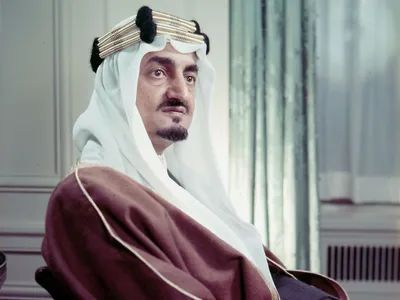
Born on April 14, 1906, in Riyadh, King Faisal was the third son of King Abdulaziz, the founder of modern Saudi Arabia. His mother, Tarfa bint Abdullah Al Sheikh, was from a prominent Saudi religious family. King Faisal’s early life was shaped by his strong Islamic upbringing and his exposure to politics, which prepared him for his future role as a statesman.
King Faisal ascended to the throne in 1964, following the abdication of his brother, King Saud. His reign was marked by significant reforms, including the establishment of a modern education system, the promotion of women’s education, and the development of the country’s infrastructure.
King Faisal’s domestic policies were focused on modernizing Saudi Arabia. Some of his notable achievements include ¹ ²:
- Establishing the Ministry of Education: King Faisal prioritized education, introducing modern curricula and expanding educational institutions.
- Promoting Women’s Education: He established the first government school for girls in Saudi Arabia, Dar Al Hanan, under the patronage of his wife, Iffat.
- Developing Infrastructure: King Faisal invested in building roads, hospitals, and other critical infrastructure to support the country’s growth.
Foreign Policy and Diplomacy
King Faisal was a skilled diplomat who navigated the complexities of international relations during the Cold War era. Some key aspects of his foreign policy include:
- Pan-Islamism: King Faisal championed Islamic solidarity, hosting international conferences and promoting cooperation among Muslim nations.
- Anti-Communism: He opposed communist ideologies, seeking to preserve Saudi Arabia’s Islamic identity.
- Pro-Palestinian Stance: King Faisal was a strong supporter of the Palestinian cause, advocating for their rights and interests.
Assassination and Legacy
Tragically, King Faisal’s life was cut short by an assassination on March 25, 1975. His nephew, Prince Faisal bin Musaid, shot him at the royal palace in Riyadh. Despite his untimely death, King Faisal’s legacy endures ³:
- Modernization: He laid the foundation for Saudi Arabia’s modernization, transforming the country into a major world power.
- Islamic Solidarity: King Faisal’s efforts to promote Islamic cooperation and solidarity continue to shape Saudi Arabia’s foreign policy.
- Inspiration: His vision, leadership, and commitment to progress inspire future generations of Saudis and leaders around the world.
King Faisal’s story serves as a testament to the power of visionary leadership and the impact one person can have on a nation’s trajectory.
 Histopedia
Leave a comment