In the late 13th century, a small tribal group of Turks, led by Osman I, began to forge an empire that would change the course of history. This was the birth of the Ottoman Empire, a mighty state that would span over 600 years, covering vast territories in Southeast Europe, Western Asia, and North Africa.
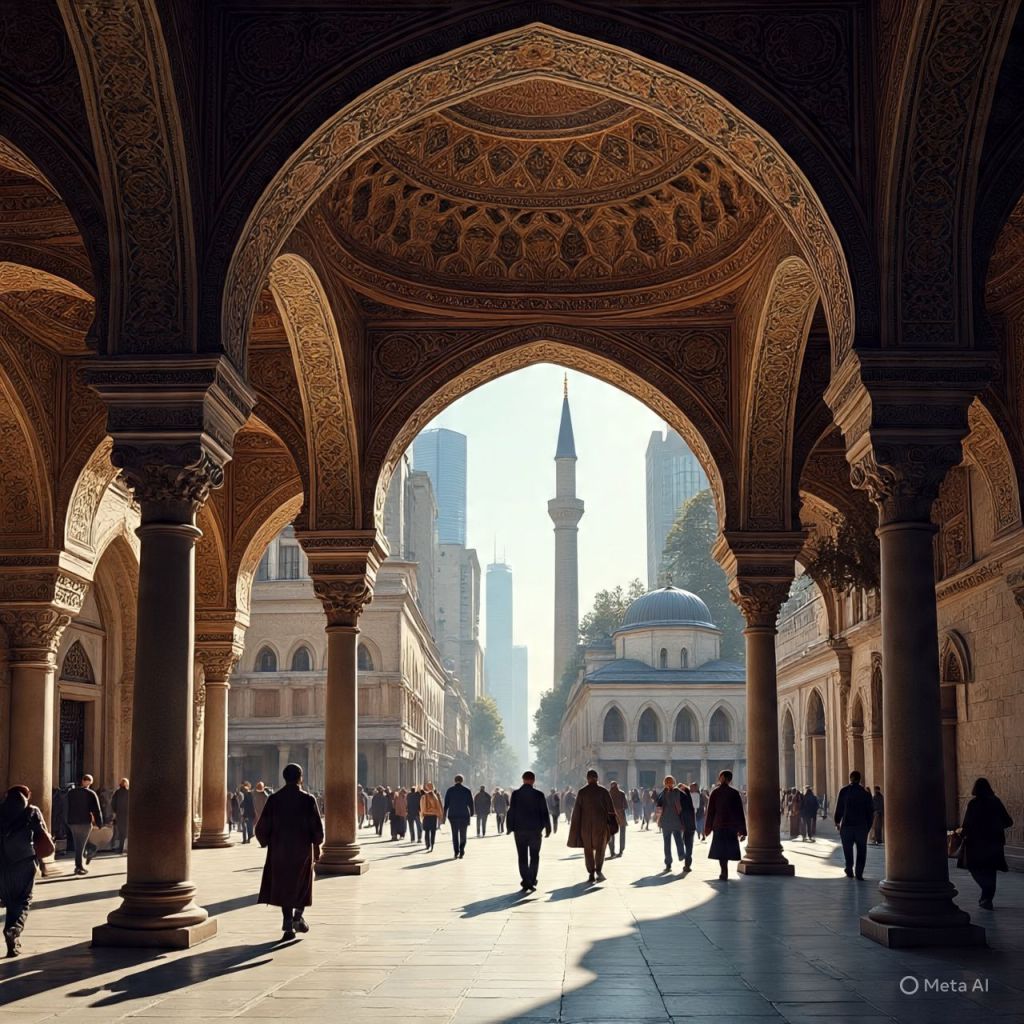
Osman I, a skilled military leader, laid the foundation of the Ottoman Empire in 1299. He and his followers, known as ghazis or holy warriors, expanded their territory through conquests and strategic alliances. The Ottomans’ early successes were fueled by their military prowess, administrative skills, and tolerance for diversity.
The Ottoman Empire reached its zenith in the 16th century under the rule of Suleiman the Magnificent. This period was marked by significant military conquests, cultural achievements, and architectural innovations. The Ottomans built magnificent mosques, palaces, and monuments, showcasing their mastery of Islamic art and architecture.
One of the most notable achievements of the Ottomans was the conquest of Constantinople in 1453, which marked the end of the Byzantine Empire. Mehmed II, the Ottoman sultan, employed massive cannons to breach the city’s walls, and Constantinople became the new capital of the Ottoman Empire, renamed Istanbul.
The Ottomans developed a sophisticated system of governance, with a strong centralized administration and a well-organized bureaucracy. They also established a system of millets, or autonomous communities, which allowed non-Muslims to govern themselves according to their own laws and customs.
The Ottoman Empire was a melting pot of cultures, with Muslims, Christians, and Jews living together in relative harmony. The Ottomans patronized the arts, and their court was renowned for its music, literature, and architecture.
The Ottoman Empire began to decline in the 18th century, weakened by internal strife, corruption, and external pressures. The empire faced challenges from European powers, including the Habsburgs and the Russians, and was eventually partitioned after World War I.
Despite its decline, the Ottoman Empire left a lasting legacy in the modern world. Its architectural achievements, cultural traditions, and administrative systems continue to inspire and influence people around the world.
Key Figures:
- Osman I: Founder of the Ottoman Empire
- Mehmed II: Conqueror of Constantinople
- Suleiman the Magnificent: Ottoman sultan who expanded the empire and promoted cultural achievements
Notable Dates:
- 1299: Osman I founded the Ottoman Empire
- 1453: Mehmed II conquered Constantinople
- 16th century: Ottoman Empire reached its zenith under Suleiman the Magnificent
- 1922: Ottoman Empire was abolished
The Ottoman Empire’s story is one of power, legacy, and cultural exchange. Its impact on world history is undeniable, and its legacy continues to shape the modern world.


 Histopedia
Leave a comment