In the heart of South India, a mighty empire once flourished, leaving behind a rich legacy that continues to inspire and awe us today. The Chola Empire, which ruled from the 3rd century BCE to the 13th century CE, was one of the most powerful and influential empires in Indian history.
The Chola dynasty was founded by Vijayalaya Chola, a brave and ambitious leader who laid the foundation for a vast and prosperous empire. His successors, including Rajaraja Chola I and Rajendra Chola I, expanded the empire’s borders, built magnificent temples, and patronized the arts.
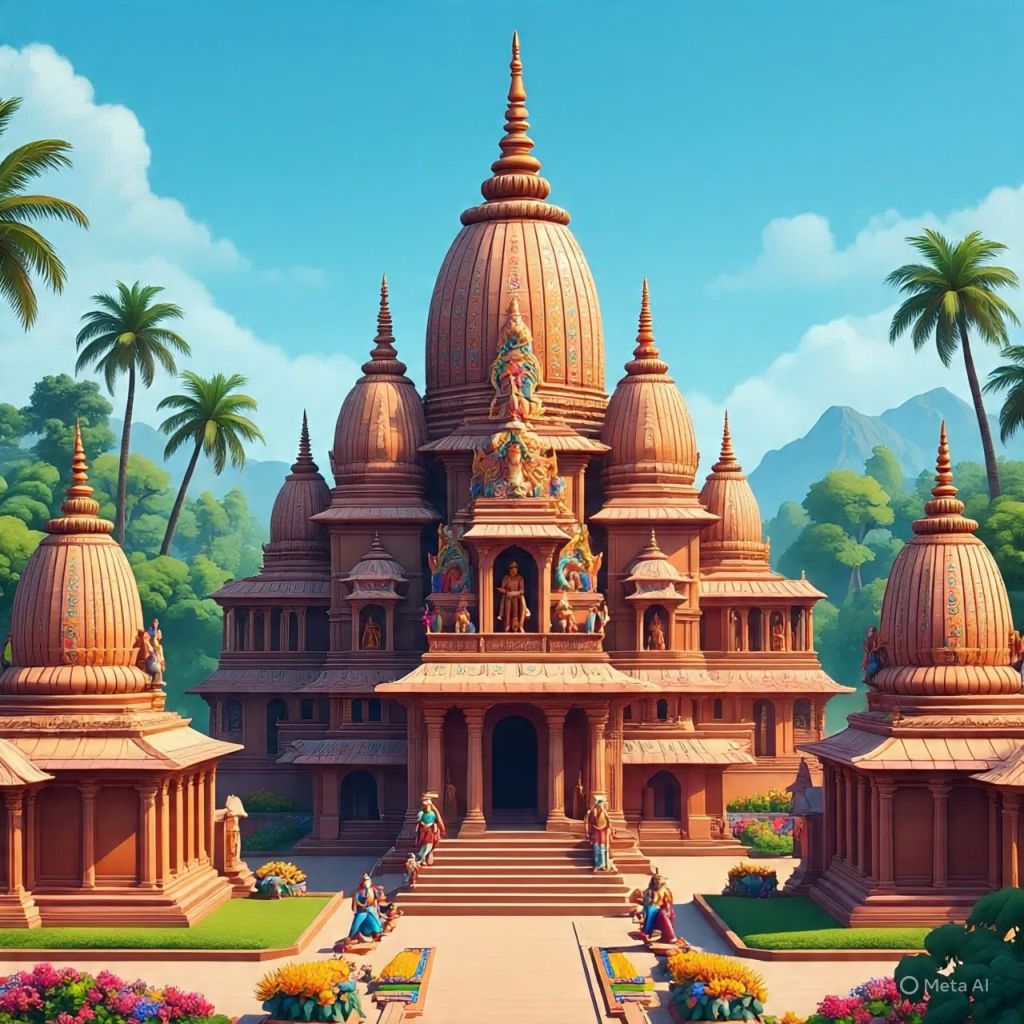
The Cholas were master builders, and their architectural achievements are still revered today. The Brihadeeswara Temple in Thanjavur, built by Rajaraja Chola I, is a testament to their engineering skills and artistic vision. The temple’s towering vimana, adorned with intricate carvings and sculptures, is a marvel of Indian architecture.
The Cholas were also known for their efficient and decentralized system of governance. They established a robust administrative system, with a strong emphasis on local self-government and revenue collection. Their system of administration, which included a well-organized bureaucracy and a network of spies, ensured the empire’s stability and prosperity.
The Chola Empire’s legacy extends far beyond its impressive architectural achievements and administrative systems. They played a significant role in spreading Hinduism and Indian culture throughout Southeast Asia, particularly in present-day Malaysia, Indonesia, and Thailand.
The Chola Empire’s glorious legacy continues to inspire us today, reminding us of the power of vision, leadership, and creativity. Their achievements in architecture, art, governance, and culture are a testament to the enduring spirit of Indian civilization. As we reflect on the Chola Empire’s remarkable history, we are reminded of the importance of preserving our cultural heritage and building a brighter future for generations to come.
 Histopedia
Leave a comment