In the heart of India, where ancient traditions meet vibrant cultures, lies a world of flavors that has captivated palates for centuries. The Indian Spice World is a tale of aromatic spices, rich history, and diverse culinary heritage.
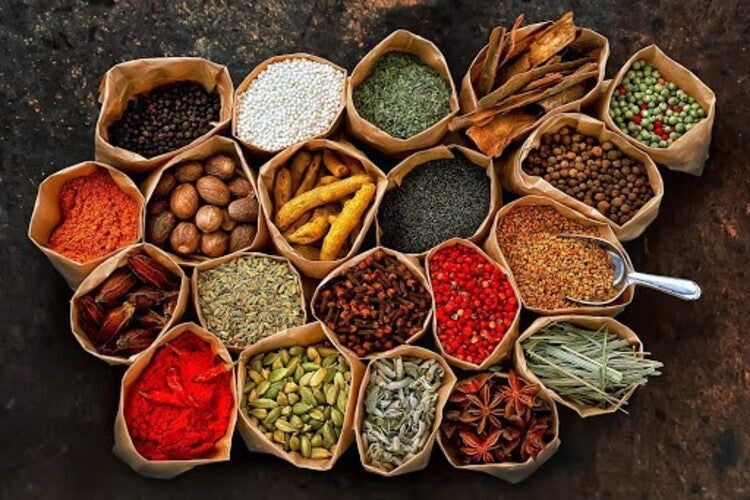
India has been the land of spices for thousands of years, with the Western Ghats and the Himalayas providing a perfect climate for spice cultivation. The country’s spice trade dates back to the Indus Valley Civilization, with spices like pepper, cinnamon, and cardamom being highly prized.
The ancient Spice Route, which connected India to the Mediterranean, played a significant role in shaping the country’s culinary identity. Spices like black pepper, cinnamon, and cloves were traded along this route, influencing the cuisine of various regions.
Regional Flavors
India’s diverse regions have their unique spice blends and culinary traditions:
- North India: Known for its rich, creamy curries and spices like cumin, coriander, and turmeric.
- South India: Famous for its spicy and tangy flavors, with spices like mustard seeds, curry leaves, and chilies.
- East India: Influenced by Bengali cuisine, with spices like mustard oil, cumin, and coriander.
- West India: Known for its coastal flavors, with spices like coconut, turmeric, and red chilies.
Indian spices are not just about flavor; they’re also about tradition, culture, and medicine. Spices like turmeric, ginger, and cumin have medicinal properties, while others like saffron and cardamom are used in traditional rituals.
Preserving the Legacy
Today, India’s spice heritage is being preserved and promoted through various initiatives:
- Spice plantations: Sustainable farming practices are being adopted to preserve the country’s spice heritage.
- Culinary tourism: Food enthusiasts are exploring India’s diverse regions to experience local flavors.
- Spice markets: Traditional markets like the Khari Baoli in Delhi continue to thrive, offering a glimpse into India’s spice world .
 Histopedia
Leave a comment