In the world of military aviation, few aircraft have left a lasting impact like the Mirage fighter jets. Developed by France’s Dassault Aviation, the Mirage series has been a symbol of speed, agility, and innovation for over six decades.
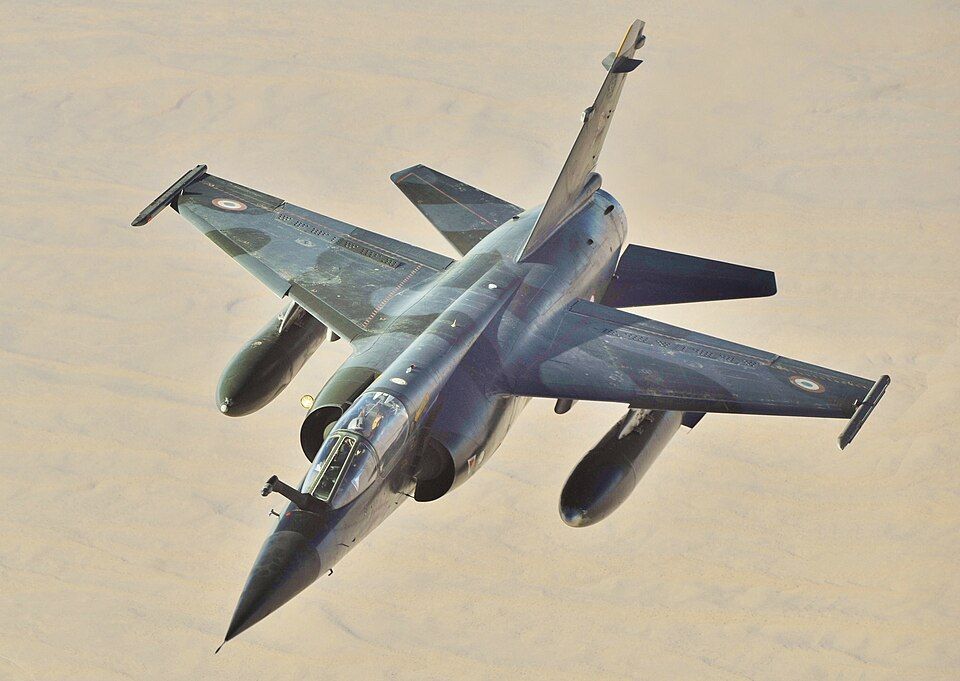
The Mirage story began in the 1950s, when France sought to develop a high-performance interceptor capable of defending its skies. Marcel Dassault, the visionary founder of Dassault Aviation, led the charge, and the Mirage III was born.
Design and Capabilities
The Mirage III was a game-changer, featuring:
- Delta Wing Design: A distinctive delta wing configuration, providing exceptional maneuverability and speed.
- Powerful Engine: A SNECMA Atar turbojet engine, delivering 9,700 pounds of thrust.
- Avionics and Armament: Advanced radar systems and a range of air-to-air missiles.
Variants and Upgrades
Over the years, the Mirage series has evolved, with notable variants including:
- Mirage 2000: A multirole fighter, introduced in the 1980s, with advanced avionics and weaponry.
- Mirage 2000N/2000D: Nuclear-capable and ground attack variants, respectively.
Operational History
The Mirage has seen action in various conflicts, including:
- Six-Day War: Israeli Mirage IIIs played a key role in the conflict.
- Gulf War: French Mirage F1s and 2000s participated in coalition operations.
- Kargil War: Indian Mirage 2000s conducted precision strikes.
The Mirage series has left an indelible mark on military aviation, influencing the design of subsequent fighter jets. Its speed, agility, and versatility have made it a favorite among air forces worldwide.
 Histopedia
Leave a comment