In the heart of 19th-century France, a literary giant emerged, leaving an indelible mark on the world of literature and beyond. Victor Hugo, a poet, novelist, and playwright, was born on February 26, 1802, in Besançon, France. His life was a testament to the power of creativity, passion, and perseverance.
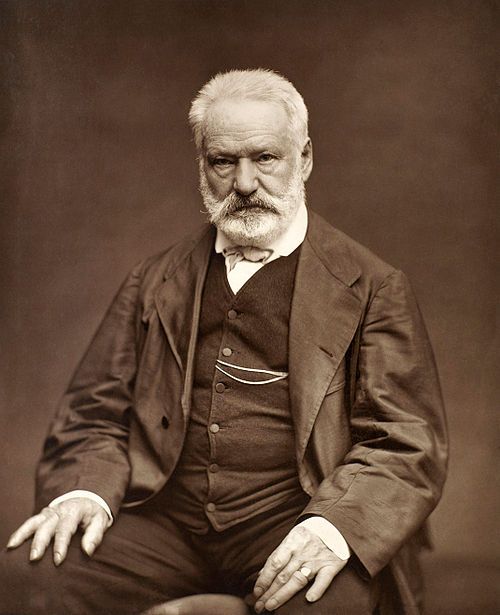
Hugo’s early life was marked by turmoil and tragedy. His parents’ troubled relationship and his father’s frequent absences shaped his worldview. However, his mother, Sophie, instilled in him a love for literature and the arts. Hugo’s fascination with Romanticism, sparked by François-René de Chateaubriand, would define his literary career.
Hugo’s breakthrough came with the publication of “Odes et poésies diverses” in 1822, earning him a royal pension from Louis XVIII. His subsequent works, including “Hernani” and “The Hunchback of Notre-Dame,” solidified his position as a leading figure in French Romanticism.
Hugo’s magnum opus, “Les Misérables,” published in 1862, is a sweeping epic that explores themes of redemption, justice, and the human condition. This masterpiece cemented his status as a champion of social justice and a voice for the marginalized.
Hugo’s opposition to Napoleon III led to his exile in Guernsey, where he continued to write prolifically. His political pamphlets, including “Napoléon le Petit,” critiqued the regime and advocated for republicanism.
Victor Hugo’s legacy extends far beyond literature. His advocacy for social justice, abolition of the death penalty, and human rights has inspired generations. His works have been translated, adapted, and reimagined countless times, ensuring his timeless relevance.
Victor Hugo’s life was a testament to the transformative power of art and activism. His enduring legacy serves as a reminder that literature can inspire, educate, and ignite change. As we reflect on his remarkable journey, we’re reminded that the impact of one person’s passion and perseverance can resonate across centuries.
 Histopedia
Leave a comment