In the vast expanse of the Middle East, a land once known for its lush rivers and towering ziggurats, lies the country of Iraq. Its history stretches back millennia, a tale of empires rising and falling, of cultures flourishing and fading. From ancient Mesopotamia to modern-day strife, Iraq’s story is one of resilience and turmoil.
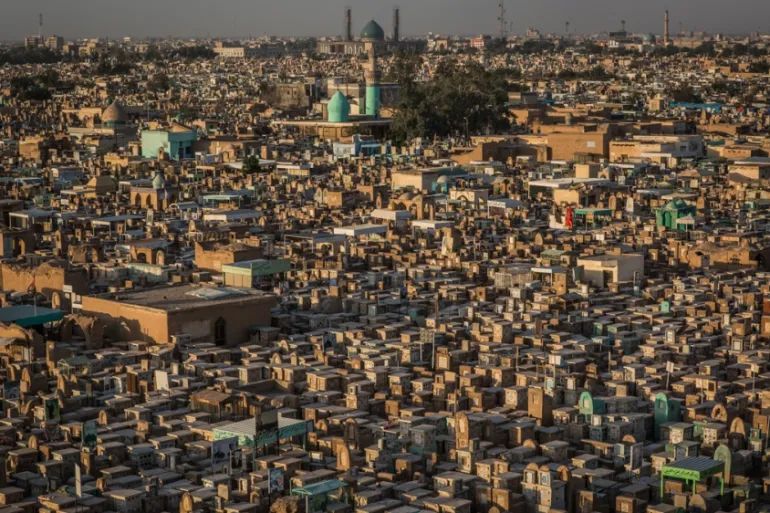
Iraq’s strategic location made it a prized possession for various empires, including the Ottoman Empire, which ruled the region for centuries. After World War I, Britain imposed a monarchy on Iraq, defining its territorial limits without considering the diverse ethnic and religious groups within its borders. This decision would sow the seeds for future conflicts.
In 1979, Saddam Hussein took power, ruling Iraq with an iron fist. His ambition led to the Iran-Iraq War, a brutal conflict that devastated the country’s economy and infrastructure. The war left Iraq with significant debts and a weakened state, setting the stage for future instability. In 1990, Saddam’s forces invaded Kuwait, prompting the Gulf War. The international community, led by the United States, intervened, and Iraq was forced to withdraw.
In 2003, the US-led coalition invaded Iraq, toppling Saddam’s regime. The invasion was expected to be a quick victory, but it marked the beginning of a long and bloody insurgency. The US military struggled to establish stability, and sectarian violence escalated, leading to widespread human suffering. The Iraqi Security Forces were left underdeveloped and vulnerable, and the country teetered on the brink of chaos.
The Rise of ISIS and Modern-Day Iraq
In the power vacuum that followed, extremist groups like ISIS gained strength. By 2014, ISIS had taken control of significant parts of Iraq and Syria, declaring a caliphate. The Iraqi military, with the help of international forces, eventually pushed back against ISIS, and by 2017, the group had lost most of its territory. However, the legacy of conflict and instability continues to shape Iraq’s future.
Iraq’s story is a testament to the complexities of nation-building and the challenges of navigating the region’s intricate politics. Despite the setbacks, Iraq has shown resilience and a determination to rebuild. As the country looks to the future, it must balance the need for stability with the aspirations of its people for a better life.
Key Takeaways:
- Ancient History: Iraq’s strategic location made it a prized possession for various empires.
- Saddam Hussein: His rule and aggressive policies led to devastating conflicts, including the Iran-Iraq War and the Gulf War.
- US Invasion: The 2003 invasion marked the beginning of a long and bloody insurgency.
- Rise of ISIS: The power vacuum created by the US withdrawal allowed extremist groups like ISIS to flourish.
- Modern-Day Iraq: The country continues to face challenges in rebuilding and establishing stability.

 Histopedia
Leave a reply to grafmr Cancel reply