In the shadows of Japan’s neon-lit streets, a secretive world of crime and tradition thrives. The Yakuza, Japan’s notorious organized crime syndicate, has captivated audiences worldwide with its intricate rituals, strict codes of conduct, and complex hierarchy. Let’s dive into the fascinating world of Yakuza culture and explore its history, symbolism, and lasting impact.
Origins: From Outcasts to Organized Crime
The Yakuza’s roots date back to the 17th century, emerging from two primary groups: the tekiya (street merchants) and bakuto (gamblers). These outcasts formed networks to protect each other and developed ranks, rituals, and codes resembling samurai traditions. Over time, they evolved into structured families with bosses (oyabun) and subordinates (kobun), bound by a father-son style bond.
The Yakuza live by a strict code of conduct, emphasizing loyalty, honor, and discipline. This code, inspired by bushido (the samurai code of honor), includes values like loyalty, respect for hierarchy, and a strong sense of justice. Members adhere to a complex hierarchy, with the oyabun at the top and kobun below, formalized through rituals like the sakazuki ceremony.
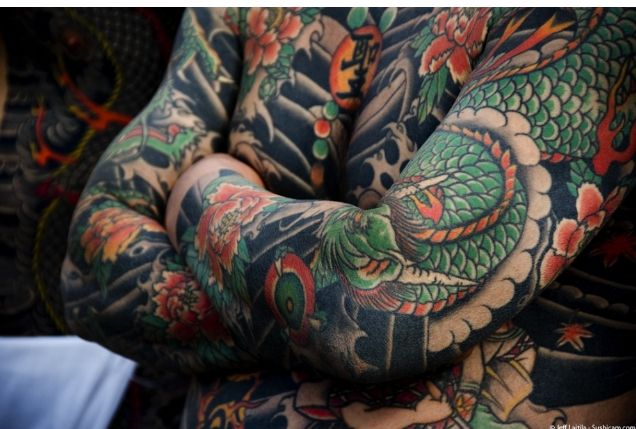
Yakuza culture is rich in symbolism, with full-body tattoos (irezumi) being a hallmark of membership. These intricate designs depict strength, resilience, and beauty, often featuring dragons, koi fish, and cherry blossoms. The ritual of yubitsume, or finger amputation, is a drastic measure taken to atone for mistakes or seek forgiveness.
Influence on Japanese Society and Culture
The Yakuza’s impact extends beyond crime, influencing Japanese fashion, literature, and film. Their distinctive style, characterized by sharp suits and dark tones, has inspired fashion trends. In literature and film, the Yakuza are often portrayed as complex antiheroes, showcasing their code of honor and loyalty.
The Yakuza’s legacy is multifaceted, reflecting both admiration and apprehension. While they’re viewed as criminals, they’re also perceived as cultural icons and traditional defenders of the community. This duality is evident in their portrayal in media and popular culture, where they’re often romanticized as noble figures bound by a code of honor.
The Yakuza’s world is one of intrigue and complexity, marked by a rich history, symbolism, and cultural significance. Their legacy continues to fascinate audiences worldwide, reflecting a broader societal struggle to reconcile their criminal activities with their cultural impact. Whether seen as crime syndicates or cultural icons, the Yakuza remain an integral part of Japan’s fabric, weaving together threads of tradition, loyalty, and honor.
 Histopedia
Leave a comment