Mumbai, the financial capital of India, is a city that never sleeps. From its vibrant streets to its iconic landmarks, Mumbai is a melting pot of cultures, traditions, and lifestyles. But, have you ever wondered what this magnificent city was like in its early days? Let’s take a journey through the history of Old Bombay, and discover the charms of a bygone era.
The Birth of Bombay
In the 17th century, Bombay was a collection of seven islands, inhabited by the Kolis, a fishing community. The Portuguese, who had established a trading post in the area, named the islands “Bom Bahia” or “Good Bay.” In 1668, the British East India Company acquired the islands from the Portuguese, and Bombay began to take shape as a major trading center.
The Growth of Old Bombay
During the 18th and 19th centuries, Bombay underwent rapid transformation. The British built roads, bridges, and buildings, and the city became a hub of commerce and industry. The construction of the Suez Canal in 1869 further boosted Bombay’s growth, as it became a major port for trade between Europe and Asia.
Landmarks of Old Bombay
Some of the iconic landmarks of Old Bombay still stand today, telling the story of the city’s rich history. These include:
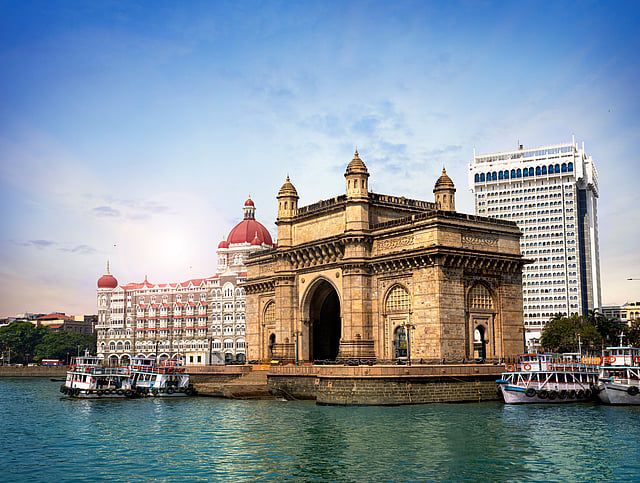
- The Gateway of India: Built in 1924 to commemorate the visit of King George V and Queen Mary, this monumental arch is a symbol of Bombay’s colonial past.
- The Victoria Terminus: This stunning railway station, built in 1887, is a masterpiece of Victorian Gothic architecture and one of the busiest railway stations in the world.
- The Bombay High Court: Built in 1862, this beautiful building is a testament to the city’s rich judicial history.
- The Crawford Market: Established in 1869, this historic market is a treasure trove of fresh produce, spices, and souvenirs.
The Culture of Old Bombay
Old Bombay was a city of diverse cultures, where people from different backgrounds lived and worked together. The city was known for its vibrant nightlife, with music, dance, and theater performances that showcased the talents of local artists. The famous Bombay Parsi community, known for their love of food, music, and theater, played a significant role in shaping the city’s cultural landscape.
The Legacy of Old Bombay
Today, Mumbai is a city of over 20 million people, with a thriving economy, a rich cultural scene, and a strong sense of community. As we look back at the history of Old Bombay, we are reminded of the city’s resilience, adaptability, and determination. From its humble beginnings as a small trading post to its current status as a global financial hub, Mumbai has come a long way, and its legacy continues to inspire and captivate people around the world.

In conclusion, Old Bombay was a city of contrasts, where traditional and modern, rich and poor, and old and new coexisted in a vibrant and dynamic landscape. As we explore the city’s history, we are reminded of the power of human ingenuity, creativity, and perseverance, and we are inspired to build a better future for ourselves and for generations to come.
 Histopedia
Leave a comment