The Great Wall of China, one of the most impressive architectural achievements in history, stretches across China’s rugged landscape like a majestic dragon. Built over several centuries to protect the Chinese Empire from invaders, the Great Wall is a testament to the ingenuity and perseverance of ancient Chinese engineers and laborers.
A Brief History of the Great Wall
The earliest versions of the Great Wall date back to the 7th century BC, when several small walls were built by different Chinese states to protect themselves from invading nomadic tribes. However, it was during the Qin Dynasty (221-206 BC) that the first version of the Great Wall as we know it today was built.
Over the centuries, successive Chinese dynasties expanded and fortified the wall, using local materials such as stone, brick, and rammed earth. The most famous and well-preserved sections of the wall were built during the Ming Dynasty (1368-1644), which saw the wall extended to its current length of over 13,000 miles (21,000 km).
Engineering and Architecture
The Great Wall is an engineering marvel, considering the limited technology and resources available to ancient Chinese builders. The wall’s construction required the labor of thousands of workers, who toiled in harsh conditions to build the wall’s foundation, walls, and watchtowers.
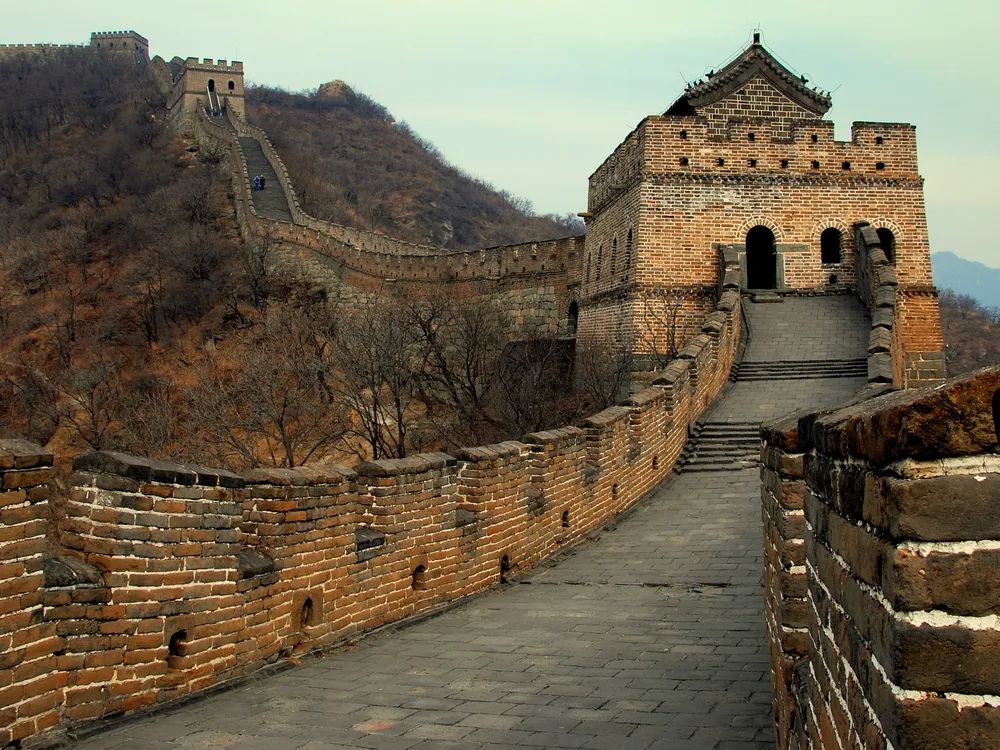
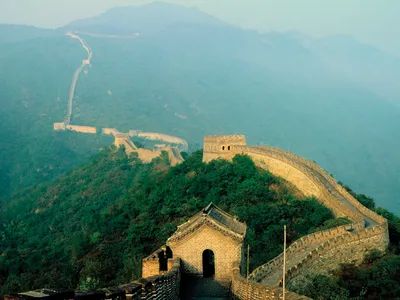
The wall’s architecture is equally impressive, with an average height of 20-30 feet (6-9 meters) and a width of 15-20 feet (4.5-6 meters). The wall’s watchtowers, which were built at regular intervals, served as military outposts and communication centers.
Tourism and Preservation
Today, the Great Wall of China is one of the most popular tourist attractions in the world, with over 10 million visitors per year. While tourism has helped to raise awareness and funds for the wall’s preservation, it has also posed significant challenges, including erosion, litter, and damage to the wall’s structure.
To address these concerns, the Chinese government has implemented various preservation and conservation efforts, including the restoration of damaged sections, the construction of visitor centers and museums, and the implementation of sustainable tourism practices.
Legacy and Cultural Significance
The Great Wall of China is more than just a historical monument or tourist attraction – it is a powerful symbol of Chinese culture and heritage. The wall has inspired countless works of art, literature, and music, and continues to captivate the imagination of people around the world.
In 1987, the Great Wall of China was designated a UNESCO World Heritage Site, recognizing its cultural and historical significance. Today, the wall remains an enduring testament to the ingenuity, perseverance, and creativity of the Chinese people.
The Great Wall of China is a remarkable achievement that continues to inspire wonder and awe. Its rich history, impressive architecture, and cultural significance make it a must-see destination for anyone interested in exploring the world’s most incredible monuments. As we continue to marvel at the Great Wall’s grandeur, we are reminded of the power of human creativity, perseverance, and collaboration.
 Histopedia
Leave a comment