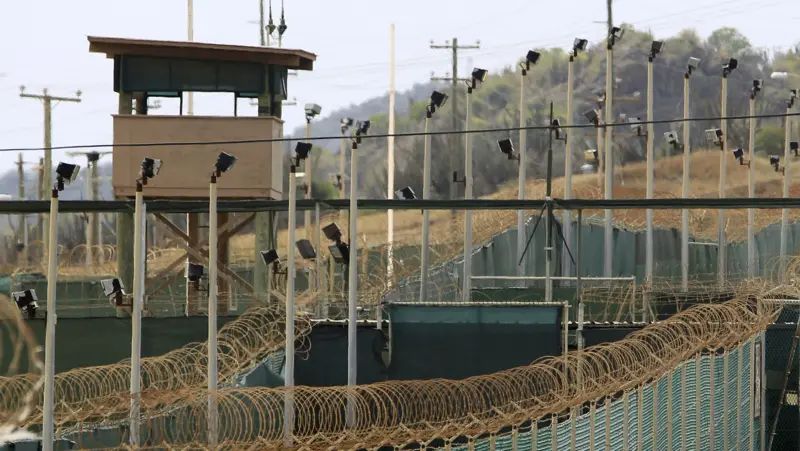
The Guantanamo Bay Detention Camp, often referred to as Gitmo, is a United States military prison located within the Naval Station Guantanamo Bay on the coast of Guantánamo Bay, Cuba. Established in January 2002 by President George W. Bush, the camp was created to detain and interrogate terrorism suspects and “illegal enemy combatants” following the September 11, 2001, attacks.
Origins and Purpose
In the wake of the 9/11 attacks, the U.S. launched the Global War on Terrorism, targeting Al-Qaeda and Taliban forces in Afghanistan. President Bush issued a military order allowing for the indefinite detention of foreign nationals without charge, leading to the establishment of the Guantanamo Bay detention facility. The camp was initially intended to house suspected Al-Qaeda members and Taliban fighters captured during the invasion of Afghanistan.
Controversies and Legal Challenges
From its inception, Guantanamo Bay has been mired in controversy. The Bush administration maintained that detainees were not entitled to basic protections under the U.S. Constitution or the Geneva Conventions, as they were classified as “unlawful enemy combatants”. This stance led to widespread criticism from humanitarian and legal advocacy groups, who argued that the policies violated international human rights law.
Several landmark U.S. Supreme Court decisions found that detainees had rights to due process and habeas corpus, but they were still subject to military tribunals. These tribunals have been criticized for lacking impartiality and judicial efficiency. Reports of detainee abuse and the use of “enhanced interrogation techniques” have further fueled the controversy surrounding the camp.
Conditions and Human Rights Concerns
Detainees at Guantanamo Bay have been reported to endure harsh conditions, including solitary confinement, inadequate medical care, and physical and psychological abuse. The International Committee of the Red Cross warned as early as 2003 about the deteriorating psychological health of many detainees. These conditions have drawn condemnation from human rights organizations and the international community.
Current Status and Future Prospects
As of January 2025, at least 780 individuals from 48 countries have been detained at Guantanamo Bay since its creation. Of these, 756 have been transferred elsewhere, nine have died in custody, and 15 remain detained. The camp’s future remains uncertain, with ongoing debates about its closure and the fate of the remaining detainees.
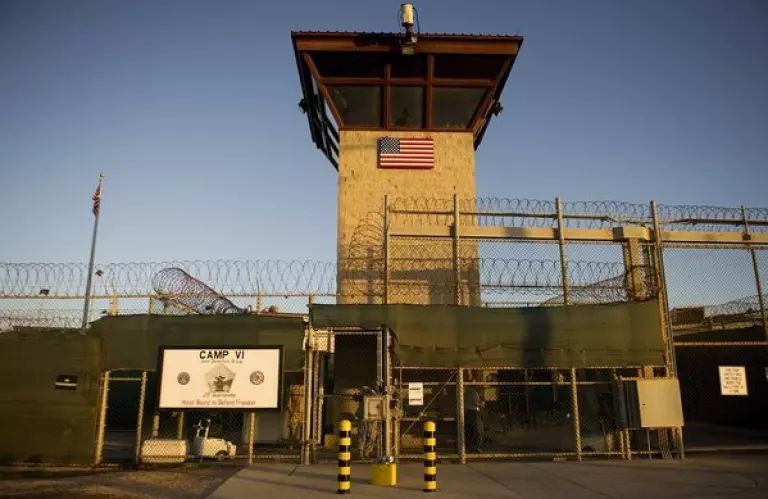
The Guantanamo Bay Detention Camp stands as a symbol of the complexities and challenges of the Global War on Terrorism. Its legacy is marked by legal battles, human rights concerns, and ongoing debates about its role and necessity. As the world continues to grapple with issues of security and justice, the story of Guantanamo Bay serves as a reminder of the delicate balance between protecting national security and upholding human rights.
#GuantanamoBay #HumanRights #GlobalWarOnTerrorism #LegalChallenges
 Histopedia
Leave a comment