Julian Assange, the founder of WikiLeaks, is one of the most polarizing figures of the information age. His journey from a hacker to a global symbol of transparency and freedom of information is both fascinating and contentious.
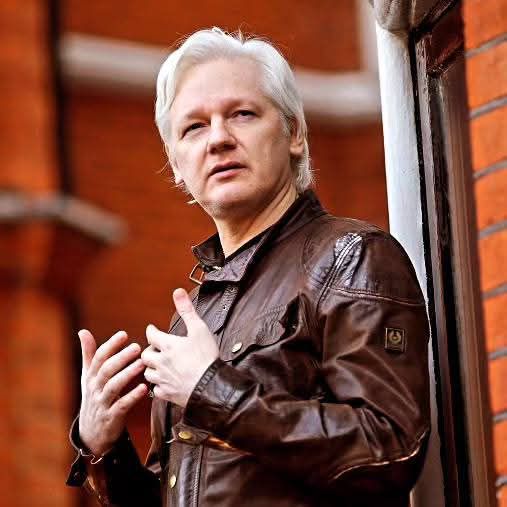
Early Life and Hacking
Born on July 3, 1971, in Townsville, Queensland, Australia, Julian Paul Hawkins (later known as Julian Assange) showed an early interest in computers and hacking. By his late teens, he was deeply involved in the hacker community, which eventually led to his conviction for hacking in 1996.
Founding WikiLeaks
In 2006, Assange founded WikiLeaks, a non-profit organization dedicated to publishing classified and sensitive information. WikiLeaks gained international attention in 2010 when it released a series of leaks provided by Chelsea Manning, a U.S. Army intelligence analyst. These leaks included footage of a U.S. airstrike in Baghdad, military logs from the Afghanistan and Iraq wars, and U.S. diplomatic cables.
Legal Battles and Asylum
Assange’s activities with WikiLeaks led to numerous legal challenges. In 2010, Sweden sought his extradition from the UK for questioning in a separate investigation. To avoid extradition, Assange sought asylum in the Embassy of Ecuador in London in 2012, where he remained for seven years.
Arrest and Imprisonment
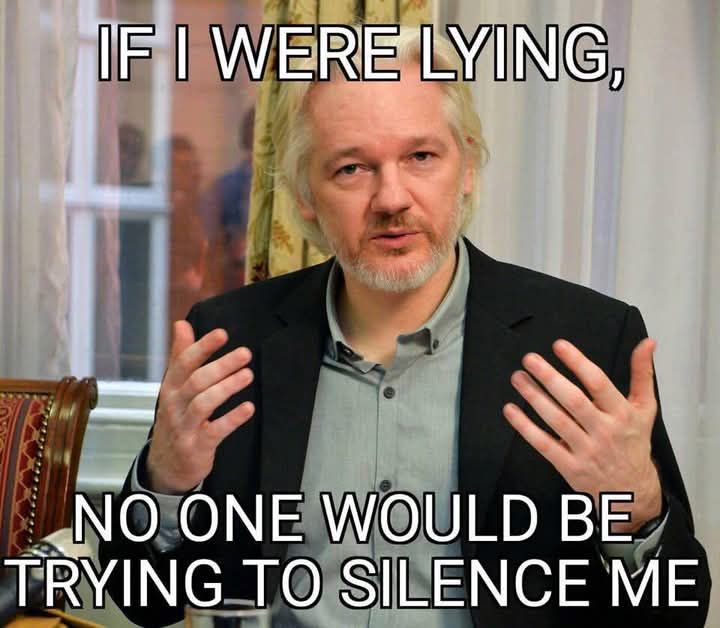
In April 2019, Assange was arrested by British authorities after Ecuador revoked his asylum. He was sentenced to 50 weeks in prison for breaching bail conditions. Subsequently, the U.S. sought his extradition on charges of conspiracy to obtain and disclose national defense information.
Recent Developments
In a surprising turn of events, Assange was released from a British prison in June 2024 under a plea deal with the U.S. Justice Department. He pleaded guilty to violating U.S. espionage law, which allowed him to return to his homeland, Australia. Assange’s future remains uncertain, but his impact on the world of journalism and transparency is undeniable.
Julian Assange’s journey is a testament to the complex interplay between freedom of information, legal boundaries, and the power of digital activism. His story continues to spark debate and inspire discussions about the role of whistleblowers in modern society.
 Histopedia
Leave a comment