Introduction:
The Roman Colosseum, an iconic symbol of ancient Rome, stands as a testament to the architectural brilliance and engineering prowess of the Romans. This blog explores the history, design, and significance of this magnificent structure.
A Glimpse into History:
Commissioned by Emperor Vespasian of the Flavian dynasty in AD 70-72, the Colosseum was completed by his son, Titus, in AD 80. Originally known as the Flavian Amphitheatre, it was built to host gladiatorial contests and public spectacles, showcasing the grandeur of the Roman Empire.

Architectural Design and Construction:
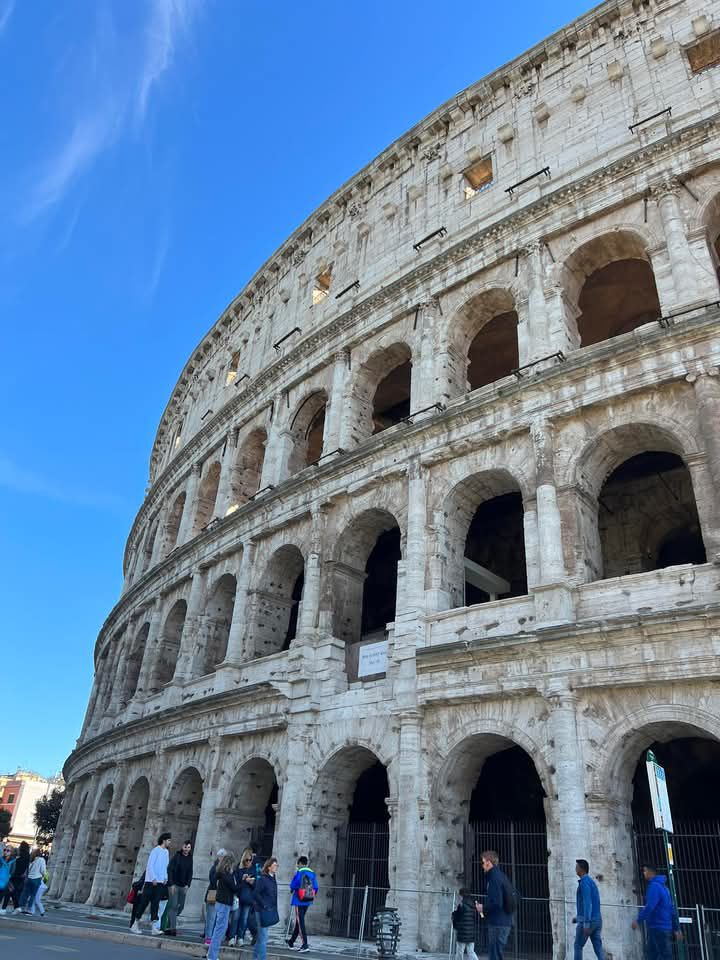
The Colosseum’s elliptical structure measures 189 meters long, 156 meters wide, and 50 meters high. Its innovative design features a complex system of vaults and arches, allowing it to accommodate up to 50,000 spectators. The use of concrete and travertine stone contributed to its durability and strength, enabling it to withstand the test of time.
Ingenious Engineering:
The Colosseum’s engineering marvels include a sophisticated underground network of tunnels and chambers, known as the hypogeum. This area housed gladiators, animals, and stage machinery, enabling seamless coordination of events. The arena also featured a retractable awning system, the velarium, to protect spectators from the sun and rain.
Cultural and Social Significance:
Beyond its architectural and engineering feats, the Colosseum played a crucial role in Roman society. It served as a venue for entertainment, political propaganda, and social gatherings. Gladiatorial contests, animal hunts, and mock naval battles captivated the Roman populace, reflecting the Empire’s power and cultural values.
Legacy and Preservation:
Despite centuries of natural disasters, neglect, and looting, the Colosseum remains a symbol of Rome’s enduring legacy. Efforts to preserve and restore the structure continue, ensuring that future generations can appreciate its historical and architectural significance.
Conclusion:
The Roman Colosseum stands as a monumental achievement in architecture and engineering. Its legacy continues to inspire awe and admiration, reminding us of the ingenuity and grandeur of ancient Rome.
 Histopedia
Leave a comment