Introduction:
The Great Fire of London in 1666 was a catastrophic event that reshaped the city’s urban landscape. This blog explores how the fire led to significant changes in urban planning and development.
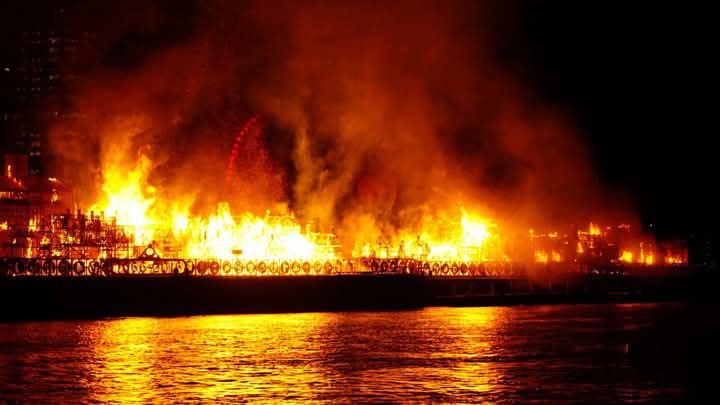
The Fire’s Devastation:
Detail the extent of the damage caused by the fire, including the destruction of over 13,200 houses, 87 churches, and key buildings like St. Paul’s Cathedral.
Immediate Aftermath:
Discuss the urgent need for reconstruction and the challenges faced by city planners and builders in the immediate aftermath of the fire.
Urban Planning Proposals:
Highlight the various master plans proposed by notable figures like Sir Christopher Wren, John Evelyn, and Robert Hooke. Describe their visions for a more orderly and modern city layout.
Implementation Challenges:
Explain why many of these grand plans were not fully realized due to land ownership issues, financial constraints, and the urgency to rebuild quickly.
Legacy and Lasting Impact:
Discuss the lasting impact of the fire on London’s urban planning, including the introduction of fire-resistant building materials, wider streets, and improved infrastructure.
Conclusion:
Reflect on how the Great Fire of London serves as a pivotal moment in the history of urban planning, demonstrating the importance of resilience and innovation in the face of disaster.
 Histopedia
Leave a comment