Saffron is a luxurious and aromatic spice made from the dried stigmas of the saffron crocus flower (Crocus sativus). It’s known for its distinctive yellow-orange color, subtle earthy flavor, and numerous health benefits. Saffron is often used in cooking, particularly in Middle Eastern, Indian, and Mediterranean cuisine, and is also valued for its medicinal and cultural significance.
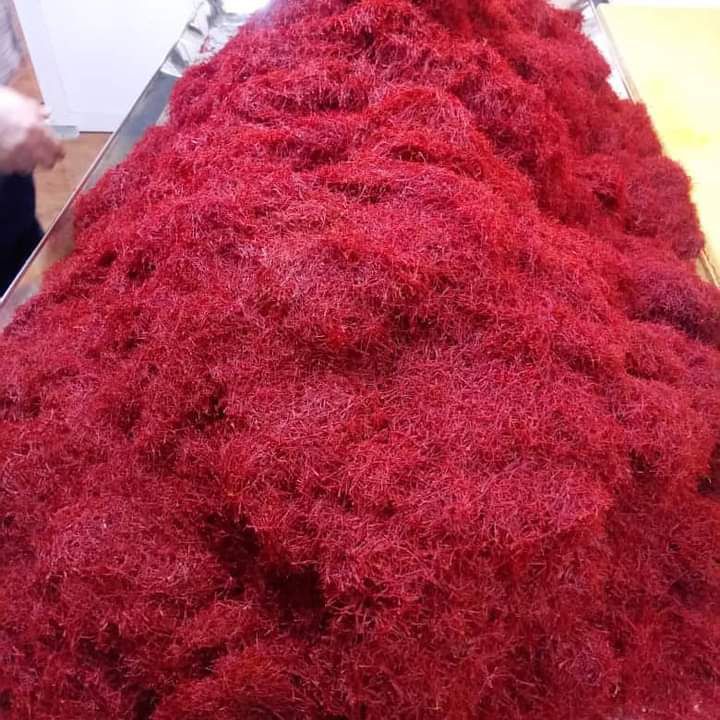
Here are some more interesting facts about saffron:
History and Cultivation: Saffron has been cultivated for over 3,000 years, with ancient civilizations such as the Egyptians, Greeks, and Romans prizing it for its color, flavor, and medicinal properties. Today, saffron is mainly cultivated in Iran, Spain, Italy, and Kashmir.
Production Process: Saffron is extracted from the stigmas of the saffron crocus flower, which blooms for only a few weeks in the fall. It takes approximately 75,000 flowers to produce one pound of saffron, making it one of the most labor-intensive and expensive spices in the world.
Health Benefits: Saffron has been shown to have numerous health benefits, including reducing inflammation, improving mood, and supporting eye health. It is also rich in antioxidants and has been shown to have anti-cancer properties.
Culinary Uses: Saffron is a key ingredient in many traditional dishes, including paella, bouillabaisse, and risotto. It is also used to flavor and color cakes, cookies, and other sweet treats.
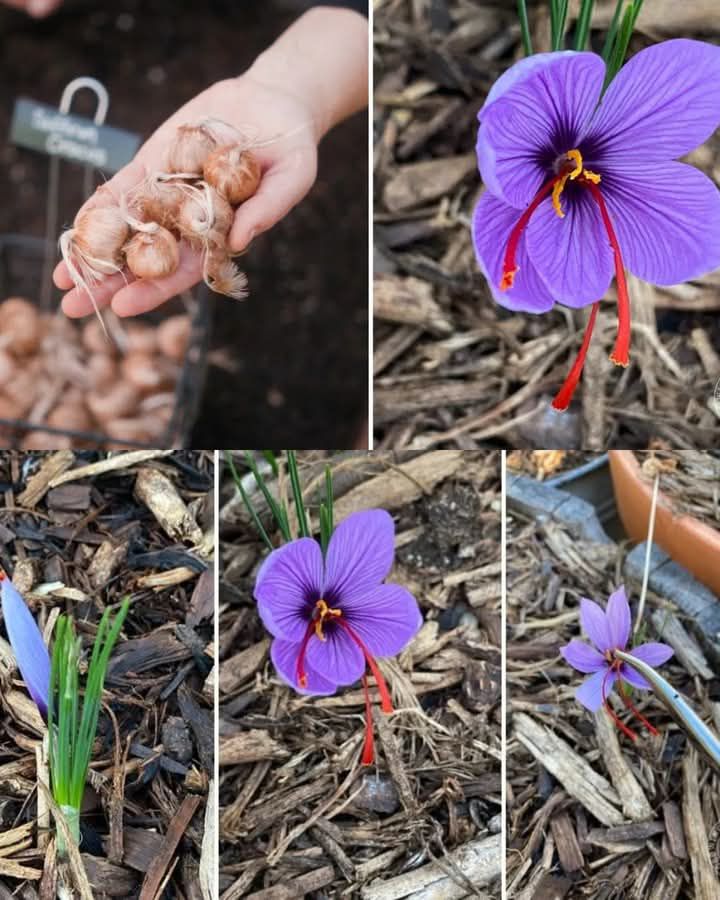
Types of Saffron: There are several types of saffron, including:
- Negin: High-quality saffron with long, thick stigmas.
- Sargol: High-quality saffron with shorter stigmas.
- Pushal: Lower-quality saffron with broken or incomplete stigmas.
- Bunch: Low-quality saffron with stigmas still attached to the flower.
Storage and Shelf Life: Saffron is highly sensitive to light, heat, and moisture, and should be stored in a cool, dark place. High-quality saffron can last for up to 5 years if stored properly.
 Histopedia
Leave a comment