The Eastern part of Venice includes several neighborhoods, such as:
Castello: One of the largest and most populous neighborhoods in Venice, known for its beautiful canals, historic buildings, and lively atmosphere.
San Pietro di Castello: A charming neighborhood located on the eastern tip of Venice, known for its beautiful churches, historic buildings, and picturesque canals.
Sant’Elena: A peaceful and residential neighborhood located on the eastern edge of Venice, known for its beautiful parks, historic buildings, and stunning views of the lagoon.
These neighborhoods offer a unique glimpse into Venetian life, with their narrow streets, charming canals, and historic architecture.
Vijay Mallya is an Indian businessman and former politician who is best known for his ownership of the now-defunct Kingfisher Airlines. He was also the chairman of the United Breweries Group and held a number of other business interests.
Mallya has been embroiled in several controversies, including:
Kingfisher Airlines’ debt crisis: The airline accumulated massive debts and was eventually grounded in 2012.
Bank loan default: Mallya is accused of defaulting on loans worth over ₹9,000 crores from various Indian banks.
Money laundering and fraud: Mallya is facing charges of money laundering and fraud in India and is currently living in the UK, where he is fighting extradition to India.
Mallya’s business empire has been significantly diminished, and he is currently facing several legal challenges.
Morarji Desai (1896-1995) was an Indian independence activist and politician who served as the 4th Prime Minister of India from 1977 to 1979. He was a strong advocate for democracy, secularism, and social justice.
Some of his notable achievements include:
Leading the Janata Party: Desai played a key role in forming the Janata Party, which defeated the Indian National Congress in the 1977 general elections.
Opposing the Emergency: Desai was a vocal critic of the Emergency imposed by Prime Minister Indira Gandhi in 1975.
Promoting social justice: Desai’s government introduced several initiatives aimed at promoting social justice, including the establishment of the Mandal Commission to investigate caste-based discrimination.
Improving India’s international relations: Desai’s government strengthened India’s relations with neighboring countries, including Pakistan and Bangladesh.
Saffron is a luxurious and aromatic spice made from the dried stigmas of the saffron crocus flower (Crocus sativus). It’s known for its distinctive yellow-orange color, subtle earthy flavor, and numerous health benefits. Saffron is often used in cooking, particularly in Middle Eastern, Indian, and Mediterranean cuisine, and is also valued for its medicinal and cultural significance.
Saffron
Here are some more interesting facts about saffron:
History and Cultivation: Saffron has been cultivated for over 3,000 years, with ancient civilizations such as the Egyptians, Greeks, and Romans prizing it for its color, flavor, and medicinal properties. Today, saffron is mainly cultivated in Iran, Spain, Italy, and Kashmir.
Production Process: Saffron is extracted from the stigmas of the saffron crocus flower, which blooms for only a few weeks in the fall. It takes approximately 75,000 flowers to produce one pound of saffron, making it one of the most labor-intensive and expensive spices in the world.
Health Benefits: Saffron has been shown to have numerous health benefits, including reducing inflammation, improving mood, and supporting eye health. It is also rich in antioxidants and has been shown to have anti-cancer properties.
Culinary Uses: Saffron is a key ingredient in many traditional dishes, including paella, bouillabaisse, and risotto. It is also used to flavor and color cakes, cookies, and other sweet treats.
Types of Saffron: There are several types of saffron, including:
Negin: High-quality saffron with long, thick stigmas.
Sargol: High-quality saffron with shorter stigmas.
Pushal: Lower-quality saffron with broken or incomplete stigmas.
Bunch: Low-quality saffron with stigmas still attached to the flower.
Storage and Shelf Life: Saffron is highly sensitive to light, heat, and moisture, and should be stored in a cool, dark place. High-quality saffron can last for up to 5 years if stored properly.
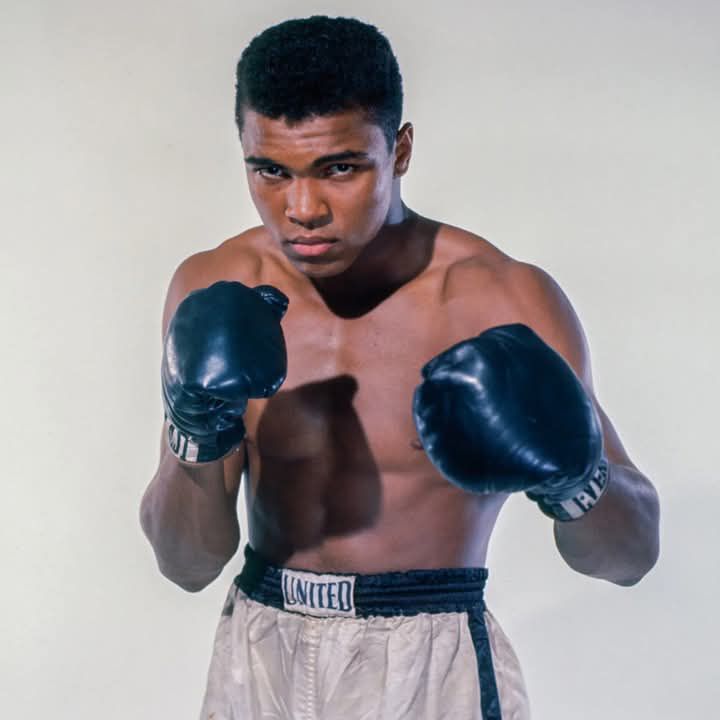
Muhammad Ali, widely regarded as “The Greatest” boxer of all time, was born Cassius Marcellus Clay Jr. on January 17, 1942, in Louisville, Kentucky . He began boxing at 12 and quickly rose to fame, winning a gold medal in the 1960 Summer Olympics.
Muhammad Ali
Ali’s professional career was marked by his impressive record of 56 wins and five losses, with 37 knockouts. He held the heavyweight title three times and had legendary fights against Joe Frazier and George Foreman .
But Ali’s impact went beyond the boxing ring. He was a prominent figure in the civil rights movement, and his refusal to serve in the Vietnam War made him an icon for the anti-war movement. He was also a talented poet and spoken word artist, releasing two studio albums .
Throughout his life, Ali received numerous accolades, including being named Sportsman of the Century by Sports Illustrated and the Sports Personality of the Century by the BBC. He passed away on June 3, 2016, but his legacy continues to inspire generations .
Floyd Mayweather is a boxing legend, known for his impressive record of 50 wins, including 27 knockouts, and zero losses . Born on February 24, 1977, Mayweather began his professional boxing career in 1996 and went on to win multiple world championships in five different weight classes.
Mayweather’s most notable fights include his victories over Oscar De La Hoya, Ricky Hatton, and Canelo Alvarez. He also faced off against Logan Paul in a highly publicized exhibition match in 2021, which ended with no winner declared .
Floyd Mayweather
Throughout his career, Mayweather has been known for his defensive skills, earning him the nickname “Money.” He’s also been recognized for his philanthropic efforts, particularly in his hometown of Grand Rapids, Michigan .
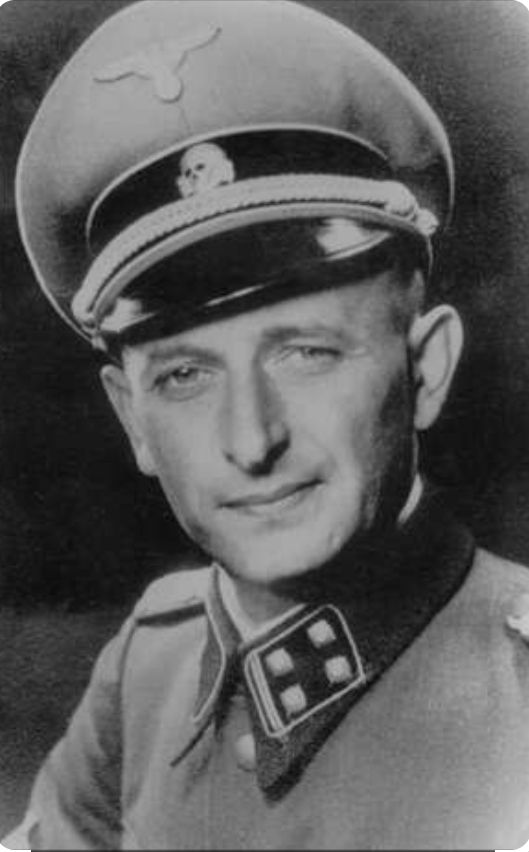
In the period of 1902-1962 there was German- Austrian Nazi officer and one of the primary architect of the Holocaust, responsible for mass murder of six million jews during the world war second.
Adolf Eichmann
In his early life, he was born in Solingen, Germany to a Protestant family. In 1932 he joined the Nazi party. 1934 he became a member of the SS(Schutzstaff), after he worked in the SD(Sicherheitsdienst), the intelligence agency of SS.
Adolf Eichmann
Eichmann’s role was in the Holocaust; He was the head of the Jewish Department in the Reich Security Main Office (RSHA). He coordinated the deportation of Jews to concentration camp, implemented the “final solution” plan to exterminate all Jews, in 1942 he attended the Wannsee Conference where the plan was formalized.
After the second world war he escaped to Austria after Germany’s surrender. He lived in hiding using a fake identity, later he escaped to Argentina in 1950 where he lived under the pseudonym Ricardo Klement. In 1960 May 11 he was captured by Mossad agents.
The Israel Secret Intelligence Agency was searching after caught him from Argentina immediately they moved to Israel,
Adol
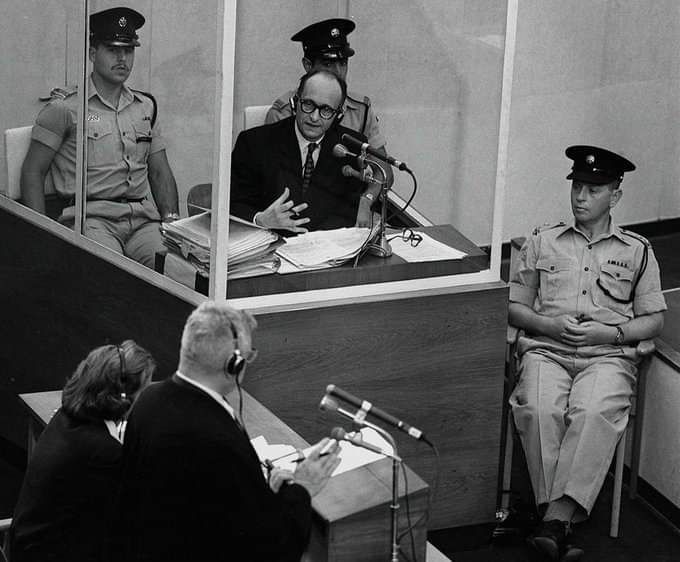
Trial and Execution:
Extradited to Israel, where he stood trial.
Charged with crimes against humanity, war crimes, and membership in a hostile organization.
Found guilty on all counts.
Executed by hanging on May 31, 1962.
Psychological Profile:
Described as ordinary, unremarkable, and bureaucratic.
Displayed no remorse for his actions.
Justified his role as following orders.
Demonstrated a lack of empathy and understanding of the human impact.
Books and Films:
“Eichmann in Jerusalem” by Hannah Arendt (1963)
“The Trial of Adolf Eichmann” (1961)
“Eichmann” (2007 film)
“The Man Who Captured Eichmann” (1996 film)
Quotes:
“I was just a small cog in the machine.”
“I had no feelings whatsoever.”
“I was simply doing my duty.”
Legacy:
Adolf Eichmann’s trial and execution served as a reminder of the atrocities committed during the Holocaust. His case highlighted the importance of holding individuals accountable for their actions, even decades after the fact.
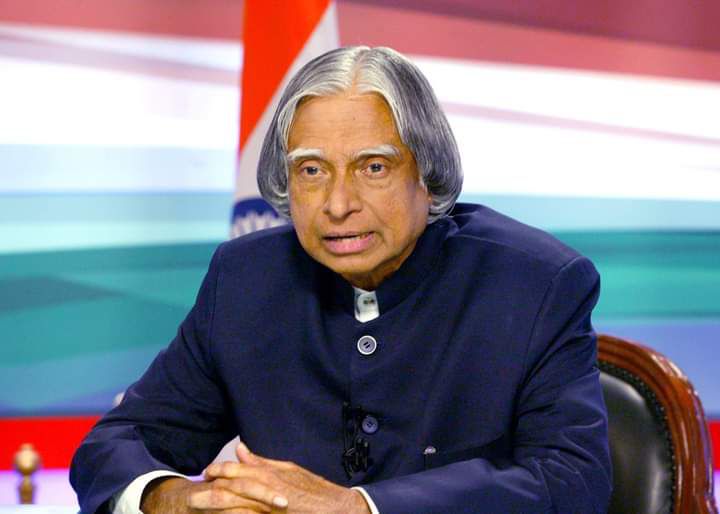
APJ Abdul Kalam is the “Man With Zero Haters” Abdul Kalam was the 11th President of India, and was indeed a man with zero haters. He was a true inspiration to millions, and his legacy continues to inspire and motivate people worldwide.
APJ Abdul Kalam
Why did APJ Abdul Kalam had zero haters?
His humility and despite holding high offices, he remained humble and grounded. He lived a life of unwavering integrity,and earning respect from all. He connected with people from all walks of life, understanding their struggle. He was a highly visionary man, His vision for India’s development and progress resonated with everyone. He showed compassion and kindness to all, regardless of their background. He lived a simple life, avoiding luxury and extravagance. His leadership was inspirational,He was led by an example, motivating others to strive for excellence.
APJ Abdul Kalam, his qualities that made him beloved. He was absolutely people’s President, He was very connected with common people, understanding their concerns. Scientists- President his scientific expertise and innovative thinking impressed in many ways. He guided students and young professionals to share his knowledge because he was a teacher-mentor. His love for India and its development was unwavering, his faith in spirituality and human values inspired many.
Abdul Kalam’s Achievements are ;
Missile Man of India, he played a crucial role in India’s missile programs
President of India (2002-2007)He served with distinction, earning respect globally
Author, He wrote inspiring books, “wings of fire” and “ignited minds”
Educator, He taught at various institutions, including Indian Institute of Management
Innovator, He encouraged innovation and entrepreneurship, promoting Indias growth
Quotes that reflect his philosophy:
“Excellence is a continuous journey, not a destination.”
“Dreams are not what you see in sleep, dreams are something which do not let you sleep.”
“Don’t take rest after your first victory because if you fail in second, more lips are waiting to say that your first victory was just luck.”
“The best way to express gratitude to God is to thank Him for what you have and for what He has done for you.”
The paper to paperless digital revolution refers to the traditional paper- based system to digital solutions, transforming how information is created, shared and managed.
As technological advancements it improved computing power, data storage and Internet connectivity. Reduced paper waste, energy consumption and carbon footprint, it helps to protect the environment. It reduced the cost for paper, printing and storage. Improved efficiency faster information retrieval, automated workflows and reduced errors. The government made some initiatives like digital governance, e-commerce, and online services.
Nowadays digital solutions are made as Digital Management Systems(DMS), electronic Signature(e-signature), Digital Storage(Cloud storage ), Paperless Communication(emails, messaging apps), Digital payments (online banking, digital wallets)
It has made a huge impact in different industries, in the healthcare sector of electronic healthcare records,tele medicines. In the finance sector online banking, digital transactions. Education side digital textbooks, online courses, business are going with paperless offices, digital work flows.
There are so many challenges in the digital world, digital literacy, infrastructure development, cyber security risk, data standardization, and regulatory framework.
As per the timeline ;
In 1990 digital storage solution emerged, in 2000 electronic signatures widely accepted, in 2010 cloud storage and documents management system gained popularity, in 2020 artificial intelligence (AI) machine learning integrated with paperless or digital solutions.
Steve Job(Apple), Bill Gates(Microsoft ), Elon Musk(Space X, Tesla), Mark Zukerberg(Facebook) and Tim Berners-Lee these people are some influential figures in the digital world.
The Internet revolution has changed the communication level, it has transformed the way people communicate, access information and conduct business.
It made global connectivity in a fast and effective way.
The Internet Revolution, also known as the Digital Revolution,It increased global Connectivity the Internet connects billions of people worldwide.
Information Sharing: The Internet enables rapid sharing of information and knowledge.
E-commerce: Online shopping and digital payments have transformed retail.Social Media: Platforms like Facebook, Twitter, and Instagram have changed social interactions.
Social Media: Platforms like Facebook, Twitter, and Instagram have changed social interactions.
Cloud Computing: On-demand access to computing resources and storage.
Causes of the Internet Revolution:
ARPANET (1969): The first network, developed by the US Department of Defense.
TCP/IP (1983): The protocol that enabled global networking.
World Wide Web (1991): Tim Berners-Lee’s invention made the Internet user-friendly.
Broadband Internet (1990s): Widespread adoption of high-speed Internet.
Mobile Devices (2007): Smartphones and tablets enabled ubiquitous Internet access.
Consequences of the Internet Revolution:
Digital Economy: New business models, industries, and jobs.
Globalization: Increased global connectivity and trade.
Social Changes: Shifts in social interactions, relationships, and communities.
Cybersecurity Risks: New threats to personal and national security.
Digital Divide: Inequalities in Internet access and digital literacy.
Key Innovations:
Search Engines (1990s): Google, Bing, and Yahoo! enabled easy information retrieval.
E-commerce Platforms (1995): Amazon, eBay, and others transformed online shopping.
Social Media Platforms (2004): Facebook, Twitter, and Instagram changed social interactions.
Cloud Computing Services (2006): Amazon Web Services (AWS) and others enabled on-demand computing.
Artificial Intelligence (2010s): AI-powered services like Siri, Alexa, and Google Assistant.
Regional Internet Revolutions:
United States: The Internet was first developed and commercialized in the US.
Europe: The EU’s Digital Single Market strategy aims to create a unified digital economy.
Asia: Countries like China, Japan, and South Korea have driven Internet adoption.
Africa: Initiatives like Africa’s Internet Exchange System aim to improve connectivity.
Latin America: Countries like Brazil and Mexico have seen rapid Internet growth.
Timeline:
1969: ARPANET, the first network, is developed. 1983: TCP/IP is adopted as the global networking protocol. 1991: The World Wide Web is invented. 1998: Google is founded. 2007: The iPhone is released, popularizing smartphones.
Influential Figures:
Vint Cerf: Co-designer of TCP/IP and “Father of the Internet.”
Tim Berners-Lee: Inventor of the World Wide Web.
Larry Page and Sergey Brin: Co-founders of Google.



 Histopedia