• Vijay Mallya, once known as the “King of Good Times,” is a prominent figure in India’s business world. His journey from building a successful liquor empire to facing legal battles and financial downfall is a tale of ambition, success, and controversy.

    Vijay Mallya

    Early life and education:
    Vijay Mallya was born on December 18, 1955, in Kolkata, India. He was groomed to take over his father’s business, United Breweries Group, and received education in prestigious institutions like La Martinière Calcutta and St. Xavier’s College.

    Rise to Success:
    Mallya took over the reins of United Breweries Group at the young age of 28 after his father’s death in 1983. Under his leadership, the company expanded its portfolio, including the popular Kingfisher beer brand. Mallya’s aggressive expansion strategies and marketing prowess helped UB Group become a dominant player in the liquor industry.

    Kingfisher Airlines:
    In 2005, Mallya launched Kingfisher Airlines, aiming to revolutionize the Indian aviation industry.

    Kingfisher Airline

    Despite initial success, the airline faced financial troubles due to high operational costs and mounting debts. The eventual collapse of Kingfisher Airlines marked the beginning of Mallya’s financial troubles.

    Legal Battles and Extradition:
    Mallya’s financial mismanagement led to significant debts, and he faced multiple legal challenges from banks and creditors. In 2016, he fled to the UK to avoid arrest, and the Indian government has been seeking his extradition to face charges of fraud and money laundering.

    Legacy and Lessons:
    Vijay Mallya’s story serves as a cautionary tale about the risks of over-leveraging and the importance of prudent financial management. His rise and fall highlight the complexities of the business world and the consequences of unchecked ambition.

    Conclusion:
    The journey of Vijay Mallya from a successful entrepreneur to a fugitive facing legal battles is a compelling narrative of ambition, success, and downfall. His story continues to be a topic of discussion and analysis in the business community.


  • The transformation of Madras into Chennai is a fascinating journey of cultural, economic, and social evolution. This blog explores the historical significance, key milestones, and the impact of this transformation on the city’s identity.

    Historical Background:
    Madras, originally known as Madrasapatnam, was established by the British East India Company in . Over the centuries, it evolved into a major port city, playing a crucial role in maritime trade and colonial administration.

    Colonial Era and Urban Development:
    Under British rule, Madras saw significant urban development, including the establishment of Fort St. George and the expansion of the city’s infrastructure. The city became a hub for trade, administration, and cultural exchange.

    Post-Independence Changes:
    After India gained independence in 1947, Madras continued to grow as a major urban center. In 1969, the state was renamed Tamil Nadu, reflecting its cultural heritage. The city’s name change to Chennai in 1996 marked a significant shift in its identity, shedding colonial influences and embracing its regional roots.

    Modern Chennai:
    Today, Chennai is a vibrant metropolis known for its rich cultural heritage, thriving economy, and modern infrastructure. The city’s transformation from Madras to Chennai reflects its resilience, adaptability, and enduring significance in India’s urban landscape.
    The journey from Madras to Chennai is a testament to the city’s dynamic evolution and its ability to adapt to changing times. This transformation highlights the importance of preserving cultural heritage while embracing progress and development.


  • The Mumbai Dabbawalas, known for their iconic lunchbox delivery service, have become a symbol of efficiency, reliability, and tradition in the bustling city of Mumbai. This blog explores the history, operations, and cultural significance of these dedicated individuals.

    Origins and History:
    The Dabbawala system traces its roots back to the late 19th century, when a group of enterprising individuals began delivering home-cooked meals to office workers in Mumbai. Over the years, the Dabbawalas have become an integral part of the city’s culinary culture.

    How It Works:
    The Dabbawalas follow a well-organized system to ensure timely and accurate delivery of lunchboxes. Each day, they collect lunchboxes from homes, sort them at local collection points, and transport them to workplaces using bicycles, hand carts, and trains. The error rate in their deliveries is remarkably low, with only one mistake in every six million deliveries.

    Cultural Significance:
    The Dabbawalas represent a traditional and personal approach to meal delivery, emphasizing homemade food and cultural values. In an era of fast food and food delivery apps, they stand out for their commitment to preserving this unique culinary tradition.

    Efficiency and Recognition:
    The Dabbawalas have gained international recognition for their efficiency and precision. Their operations have been studied by business schools and management experts worldwide, and they have received accolades from notable figures such as Prince Charles and Richard Branson.

    Challenges and Adaptations:
    Despite their success, the Dabbawalas face challenges such as competition from modern food delivery services and changing dietary habits. However, they continue to adapt and innovate, ensuring their relevance in the ever-evolving culinary landscape.

    Conclusion:
    The Mumbai Dabbawalas are more than just lunchbox carriers; they are a testament to the power of tradition, hard work, and community. Their story inspires us to appreciate the simple yet profound impact of dedicated individuals on our daily lives.


  • Introduction:
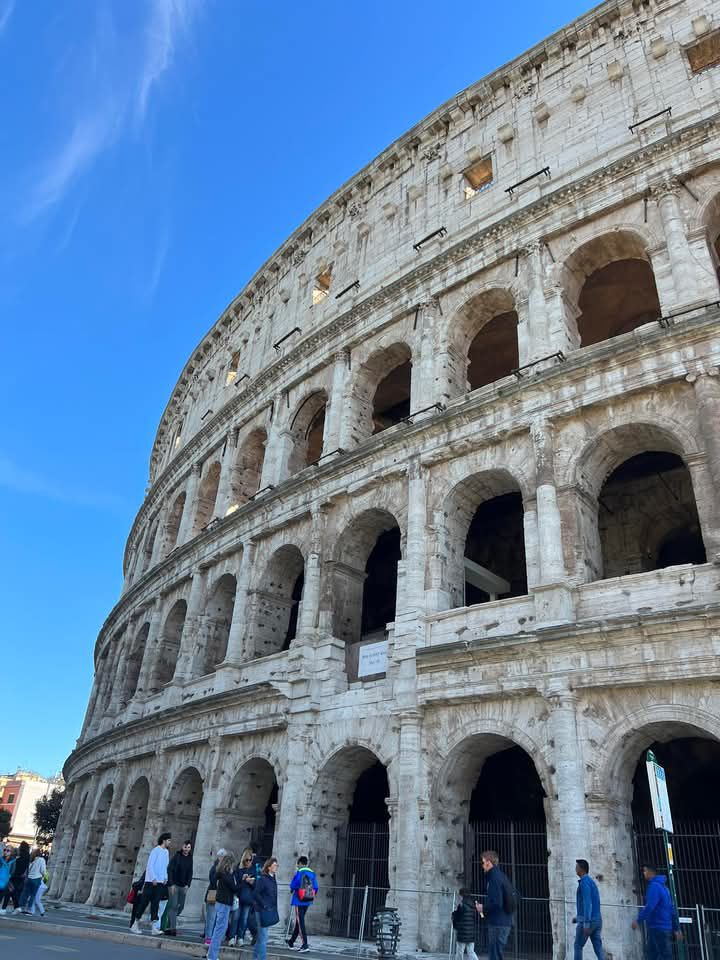
    The Roman Colosseum, an iconic symbol of ancient Rome, stands as a testament to the architectural brilliance and engineering prowess of the Romans. This blog explores the history, design, and significance of this magnificent structure.

    Colosseum

    A Glimpse into History:
    Commissioned by Emperor Vespasian of the Flavian dynasty in AD 70-72, the Colosseum was completed by his son, Titus, in AD 80. Originally known as the Flavian Amphitheatre, it was built to host gladiatorial contests and public spectacles, showcasing the grandeur of the Roman Empire.

    Architectural Design and Construction:
    The Colosseum’s elliptical structure measures 189 meters long, 156 meters wide, and 50 meters high. Its innovative design features a complex system of vaults and arches, allowing it to accommodate up to 50,000 spectators. The use of concrete and travertine stone contributed to its durability and strength, enabling it to withstand the test of time.

    Ingenious Engineering:
    The Colosseum’s engineering marvels include a sophisticated underground network of tunnels and chambers, known as the hypogeum. This area housed gladiators, animals, and stage machinery, enabling seamless coordination of events. The arena also featured a retractable awning system, the velarium, to protect spectators from the sun and rain.

    Cultural and Social Significance:
    Beyond its architectural and engineering feats, the Colosseum played a crucial role in Roman society. It served as a venue for entertainment, political propaganda, and social gatherings. Gladiatorial contests, animal hunts, and mock naval battles captivated the Roman populace, reflecting the Empire’s power and cultural values.

    Legacy and Preservation:
    Despite centuries of natural disasters, neglect, and looting, the Colosseum remains a symbol of Rome’s enduring legacy. Efforts to preserve and restore the structure continue, ensuring that future generations can appreciate its historical and architectural significance.

    Conclusion:
    The Roman Colosseum stands as a monumental achievement in architecture and engineering. Its legacy continues to inspire awe and admiration, reminding us of the ingenuity and grandeur of ancient Rome.


  • The Kinetic Honda holds the distinction of being India’s first gearless scooter, marking a significant milestone in the country’s automotive history. This blog explores the journey of the Kinetic Honda, from its inception to its lasting impact.

    Kinetic Honda

    The Birth of the Kinetic Honda:
    Launched in the late 1980s, the Kinetic Honda was a result of a joint venture between Kinetic Engineering Limited and Honda. It was designed to offer a smooth, automatic riding experience, making it a popular choice among Indian commuters.

    Design and Features:
    The Kinetic Honda featured a sleek, streamlined design with a powerful 98cc, 2-stroke engine. It came equipped with an automatic gearbox, electric starter, and ample legroom, making it a comfortable and reliable scooter for daily use.

    Market Impact:
    The Kinetic Honda quickly gained popularity for its ease of use and affordability. It played a crucial role in popularizing gearless scooters in India, paving the way for future models from other manufacturers.

    Legacy and Influence:
    Despite facing competition from other brands, the Kinetic Honda left a lasting legacy in the Indian scooter market. Its success inspired other manufacturers to develop similar models, contributing to the growth of the gearless scooter segment.

    Conclusion:
    The Kinetic Honda’s journey from being India’s first gearless scooter to becoming a beloved icon of the Indian roads is a testament to its innovative design and enduring appeal. Its legacy continues to influence the scooter industry in India.


  • Alauddin Khalji, the second ruler of the Khalji dynasty, is remembered for his military conquests, economic reforms, and authoritarian rule. This blog explores his life, reign, and legacy.

    Early Life and Rise to Power:
    Born in 1266 CE, Alauddin Khalji rose to power through a combination of ambition and military prowess. He served under his uncle, Jalaluddin Khalji, before seizing the throne in 1296.

    Military Conquests:
    Alauddin Khalji is known for his extensive military campaigns, including the conquest of the Deccan region and the siege of Chittorgarh. His general, Malik Kafur, played a crucial role in these campaigns.

    Economic Reforms:
    Alauddin implemented significant economic policies, such as price controls and market regulations, to stabilize the economy and ensure affordable essential commodities for the common people.

    Cultural Contributions:
    Despite his reputation as a stern ruler, Alauddin patronized poets and scholars, contributing to the development of Persian literature in India.

    Alauddin Khalji

    Legacy:
    Alauddin Khalji’s legacy is a complex one, marked by his military achievements and economic reforms, but also his authoritarian rule and controversial actions.

    Conclusion:
    Alauddin Khalji’s impact on medieval India was profound, shaping the political and military landscape of the Delhi Sultanate and leaving a lasting legacy.


  • Inter Milan, one of Italy’s most storied football clubs, has experienced remarkable highs and challenging lows throughout its history. This blog explores the club’s journey from its inception to its current status.

    Foundation and Early Success:
    Founded in 1908, Inter Milan quickly made its mark by winning its first championship in 1910. The club’s early years were marked by success and a growing reputation in Italian football.

    Golden Era and European Dominance:
    Under the leadership of coach Helenio Herrera in the 1960s, Inter Milan achieved its golden era, winning two European Cups and three Serie A titles. This period, known as the “Grande Inter” era, solidified the club’s status as a European powerhouse.

    Modern Success and Challenges:
    In recent years, Inter Milan has continued to achieve success, including winning the Champions League in 2010 and completing an unprecedented Italian treble. However, the club has also faced financial challenges and ownership changes that have impacted its performance.

    Current Status and Future Prospects:
    Inter Milan remains a competitive force in Italian and European football, with a strong fan base and a commitment to excellence. The club’s future prospects depend on its ability to navigate financial stability and maintain a winning culture.


    Inter Milan’s history is a testament to the highs and lows of football. The club’s resilience and dedication to success continue to inspire fans and players alike.


  • Introduction:
    Apple Inc. has grown from a small startup in a garage to one of the world’s most valuable companies. This blog explores the key milestones and strategies that propelled Apple to tech giant status.

    The Founding of Apple:
    Detail the founding of Apple by Steve Jobs, Steve Wozniak, and Ronald Wayne in 1976. Highlight the creation of the Apple I and Apple II, which laid the foundation for the company’s success.

    Innovative Products:
    Discuss the introduction of groundbreaking products like the Macintosh, iPod, iPhone, and iPad. Explain how each product revolutionized its respective market and set new standards for innovation.

    Design and User Experience:
    Emphasize Apple’s focus on sleek design and intuitive user experience. Explain how this approach differentiated Apple from its competitors and fostered strong brand loyalty.

    Strategic Leadership:
    Highlight the impact of Steve Jobs’ return to Apple in 1997 and his leadership style. Discuss how his vision and relentless pursuit of excellence drove the company’s success.

    Global Expansion:
    Describe Apple’s expansion into international markets and its ability to adapt to different cultures and consumer preferences.

    Corporate Culture:
    Explore Apple’s corporate culture, including its emphasis on creativity, collaboration, and innovation. Explain how this culture has contributed to the company’s sustained success.

    Financial Growth:
    Provide an overview of Apple’s financial growth, including its market capitalization and revenue milestones. Discuss key financial strategies that have supported the company’s expansion.

    Challenges and Resilience:
    Address the challenges Apple has faced, such as competition and market fluctuations. Highlight the company’s resilience and ability to overcome obstacles.

    Conclusion:
    Summarize Apple’s journey from a garage startup to a tech giant. Reflect on the lessons learned and the future potential of the company.


  • The South African cricket team, known as the Proteas, has a unique and meaningful name. This blog explores the origins and significance of this name.


    The South African cricket team, known as the Proteas, has a unique and meaningful name. This blog explores the origins and significance of this name.

    The Botanical Inspiration:
    The Protea flower, South Africa’s national flower, is the inspiration behind the team’s name. The Protea represents strength, resilience, and beauty, qualities that resonate with the team and the nation.

    Historical Significance:
    During the apartheid era, South Africa faced international isolation. The Protea flower symbolized hope and endurance, reflecting the nation’s ability to adapt and thrive in challenging conditions.

    Post-Apartheid Era:
    With the end of apartheid, South Africa was reintegrated into international cricket43dcd9a. The Protea name was chosen to represent the spirit of a new, unified South Africa.

    Cricketing Identity:
    The Proteas name unifies the team and the nation, symbolizing strength and unity in the face of adversity.

    Conclusion:
    The Proteas name is more than just a nickname; it embodies the resilience and spirit of South Africa, both on and off the cricket field.


  • Introduction:
    The Jack the Ripper murders, which terrorized London’s Whitechapel district in 1888, remain one of the most infamous unsolved cases in history. This blog explores the chilling events, the victims, and the enduring mystery surrounding the identity of the killer.

    Background:
    Provide a brief overview of the socio-economic conditions in Whitechapel during the late 19th century, highlighting the poverty, overcrowding, and crime that characterized the area.

    The Canonical Five:
    Detail the five canonical murders attributed to Jack the Ripper: Mary Ann Nichols, Annie Chapman, Elizabeth Stride, Catherine Eddowes, and Mary Jane Kelly. Describe the brutality of the attacks and the impact on the community.

    Investigation and Theories:
    Discuss the police investigation, the infamous “Dear Boss” letter, and the various suspects and theories proposed over the years. Highlight the challenges faced by investigators and the lack of conclusive evidence.

    Cultural Impact:
    Examine how the Jack the Ripper case has influenced literature, film, and popular culture. Mention notable works inspired by the murders, such as books, movies, and TV shows.

    Legacy and Modern Interest:
    Reflect on the lasting legacy of the Jack the Ripper murders and the continued fascination with the case. Discuss modern efforts to solve the mystery and the role of amateur sleuths and historians.

    Conclusion:
    Summarize the enduring mystery of Jack the Ripper and the importance of remembering the victims. Emphasize the lessons learned from the case and the ongoing quest for justice.