• Julian Assange, the founder of WikiLeaks, is one of the most polarizing figures of the information age. His journey from a hacker to a global symbol of transparency and freedom of information is both fascinating and contentious.

    Julian Assange

    Early Life and Hacking

    Born on July 3, 1971, in Townsville, Queensland, Australia, Julian Paul Hawkins (later known as Julian Assange) showed an early interest in computers and hacking. By his late teens, he was deeply involved in the hacker community, which eventually led to his conviction for hacking in 1996.

    Founding WikiLeaks

    In 2006, Assange founded WikiLeaks, a non-profit organization dedicated to publishing classified and sensitive information. WikiLeaks gained international attention in 2010 when it released a series of leaks provided by Chelsea Manning, a U.S. Army intelligence analyst. These leaks included footage of a U.S. airstrike in Baghdad, military logs from the Afghanistan and Iraq wars, and U.S. diplomatic cables.

    Legal Battles and Asylum

    Assange’s activities with WikiLeaks led to numerous legal challenges. In 2010, Sweden sought his extradition from the UK for questioning in a separate investigation. To avoid extradition, Assange sought asylum in the Embassy of Ecuador in London in 2012, where he remained for seven years.

    Julian Assange

    Arrest and Imprisonment

    In April 2019, Assange was arrested by British authorities after Ecuador revoked his asylum. He was sentenced to 50 weeks in prison for breaching bail conditions. Subsequently, the U.S. sought his extradition on charges of conspiracy to obtain and disclose national defense information.

    Recent Developments

    In a surprising turn of events, Assange was released from a British prison in June 2024 under a plea deal with the U.S. Justice Department. He pleaded guilty to violating U.S. espionage law, which allowed him to return to his homeland, Australia. Assange’s future remains uncertain, but his impact on the world of journalism and transparency is undeniable.

    Julian Assange’s journey is a testament to the complex interplay between freedom of information, legal boundaries, and the power of digital activism. His story continues to spark debate and inspire discussions about the role of whistleblowers in modern society.

  • Dubai, one of the seven emirates of the United Arab Emirates (UAE), has undergone a transformation of epic proportions over the past few decades. From its humble beginnings as a small trading port to its current status as a luxurious oasis and a hub of international business, tourism, and innovation, Dubai’s evolution is a fascinating story of vision, determination, and progress.

    Early Days: A Small Trading Port (Pre-1960s)

    Dubai’s history dates back to the 18th century when it was a small trading port, relying heavily on pearl diving and fishing. The emirate’s strategic location at the mouth of the Creek made it an attractive spot for merchants and traders from India, Iran, and other parts of the Middle East. The Al Maktoum dynasty, which still rules Dubai today, played a significant role in shaping the emirate’s early development.

    Discovery of Oil and the Birth of Modern Dubai (1960s-1980s)

    The discovery of oil in Dubai in 1966 marked the beginning of a new era for the emirate. The oil revenues enabled the government to invest in infrastructure development, including roads, bridges, and buildings. This period also saw the establishment of Dubai’s first free zone, the Jebel Ali Free Zone, which attracted foreign investment and helped establish Dubai as a major business hub.

    Visionary Leadership and Rapid Growth (1990s-2000s)

    The 1990s and 2000s saw Dubai’s transformation into the modern, luxurious oasis we know today. Under the visionary leadership of Sheikh Mohammed bin Rashid Al Maktoum, Dubai embarked on a series of ambitious development projects, including:

    1. Palm Jumeirah: A man-made island in the shape of a palm tree, which became a symbol of Dubai’s engineering prowess and luxury lifestyle.
    2. Burj Al Arab: A 7-star hotel that redefined the concept of luxury hospitality.
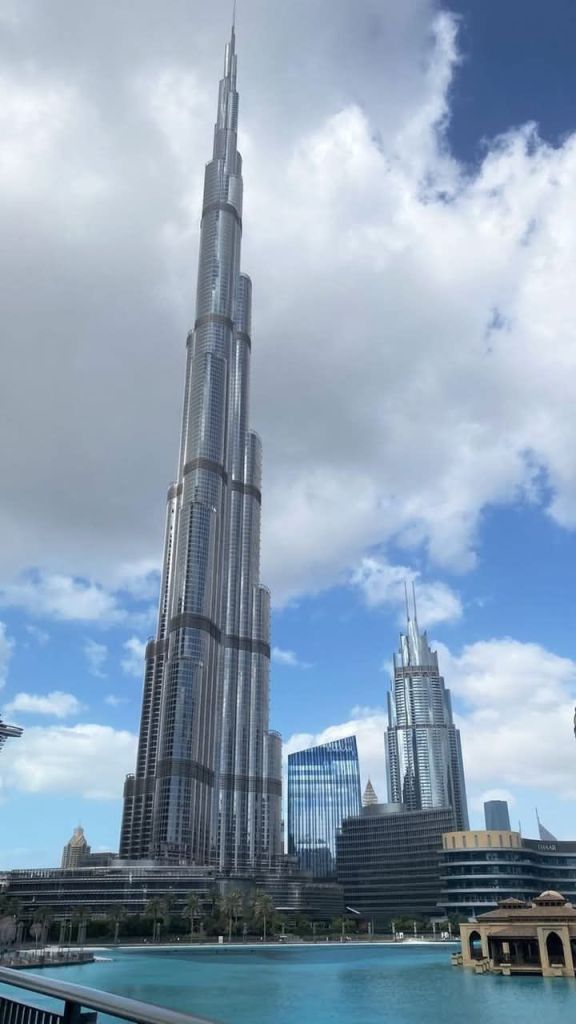
    3. Dubai Mall: One of the world’s largest shopping malls, featuring over 1,200 stores and attractions like the Dubai Fountain Show.
    4. Dubai International Airport: A state-of-the-art airport that has become a major hub for international travel.
    Burj Khalifa

    Sustainability and Innovation (2010s-Present)

    In recent years, Dubai has shifted its focus towards sustainability and innovation. The emirate has set ambitious targets to reduce its carbon footprint and become a leader in renewable energy. Dubai has also invested heavily in emerging technologies like artificial intelligence, blockchain, and the Internet of Things (IoT).

    Some notable initiatives include:

    1. Dubai Clean Energy Strategy: Aims to generate 75% of Dubai’s energy from clean sources by 2050.
    2. Dubai Future District: A dedicated hub for innovation and entrepreneurship, featuring cutting-edge infrastructure and facilities.
    3. Expo 2020: A global event that showcased Dubai’s commitment to innovation, sustainability, and international cooperation.

    Dubai’s evolution is a testament to the power of vision, determination, and collaboration. From its humble beginnings as a small trading port to its current status as a luxurious oasis and a hub of international business, tourism, and innovation, Dubai’s transformation is an inspiration to cities and nations around the world. As Dubai continues to push the boundaries of innovation and sustainability, it’s exciting to think about what the future holds for this remarkable city.

    Timeline:

    • 18th century: Dubai established as a small trading port
    • 1966: Oil discovered in Dubai
    • 1970s: Infrastructure development and establishment of free zones
    • 1990s-2000s: Rapid growth and development of iconic projects like Palm Jumeirah, Burj Al Arab, and Dubai Mall
    • 2010s-present: Focus on sustainability and innovation, with initiatives like Dubai Clean Energy Strategy and Dubai Future District

  • Devil’s Mountain, also known as Devil’s Peak, is a prominent feature of the Cape Town skyline in South Africa. Part of the Table Mountain National Park, this mountain offers breathtaking views, rich biodiversity, and a variety of hiking trails that attract outdoor enthusiasts from around the world.

    Devil’s Peak

    Geological Marvel

    Standing at an elevation of 1,000 meters (3,281 feet), Devil’s Peak is a lithified laccolith, formed by igneous rock intruding into sedimentary rocks and solidifying underground. Over millions of years, erosion has exposed the striking columnar structure, creating a unique and awe-inspiring landscape.

    Cultural and Historical Significance

    Devil’s Peak has deep cultural significance for the indigenous Khoisan people, who have lived in the region for thousands of years. The mountain is also home to several historical landmarks, including the Rhodes Memorial, the University of Cape Town, and Groote Schuur Hospital. These sites offer a glimpse into the rich history and heritage of Cape Town.

    Devil’s Mountain

    Hiking Adventures

    Devil’s Peak is a popular destination for hikers, offering a range of trails that cater to different fitness levels. The Tafelberg Road Ascent is a moderate hike that provides stunning views of the city and Table Mountain. For a more challenging experience, the Newlands Ravine Route offers a longer and more intense hike through lush forests and rugged terrain.

    Biodiversity and Conservation

    The slopes of Devil’s Peak are covered in fynbos, a unique and diverse vegetation type found only in the Cape Floristic Region. This rich biodiversity supports a variety of plant and animal species, making it an important area for conservation efforts. Hikers can enjoy the vibrant colors and fragrances of the fynbos while exploring the mountain’s trails.

    Plan Your Visit

    Whether you’re an avid hiker or simply looking to enjoy the natural beauty of Cape Town, Devil’s Peak offers a memorable experience. Be sure to check for current conditions and any visitor guidelines before planning your trip. Bring plenty of water, wear sturdy hiking shoes, and be prepared for changing weather conditions.

  • “Long Walk to Freedom” is the autobiography of Nelson Mandela, one of the most influential leaders in history. This captivating book chronicles Mandela’s life from his early years in the rural village of Mvezo, South Africa, to his 27 years in prison and his eventual rise to become the country’s first black president.

    Nelson Mandela

    Early Life and Activism

    Nelson Mandela was born on July 18, 1918, into the Thembu royal family. His journey towards activism began during his university days when he joined the African National Congress (ANC) and actively engaged in anti-colonial protests against apartheid policies. Mandela’s leadership in the ANC was marked by his unwavering commitment to equal rights for all South Africans, regardless of race.

    Imprisonment and Sacrifice

    One of the most critical junctures in Mandela’s life came in 1964 when he was arrested and sentenced to life imprisonment for his anti-apartheid activities. He spent 27 years in harsh conditions on Robben Island and other prisons, enduring isolation and constant surveillance. Despite these challenges, Mandela never wavered in his commitment to the cause of freedom and equality.

    Release and Presidency

    Mandela’s release from prison on February 11, 1990, marked the beginning of a new era for South Africa. He played a pivotal role in facilitating the peaceful transition from apartheid to a democratic society. In 1994, Mandela was elected as South Africa’s first black president, symbolizing the triumph of justice and equality.

    Nelson Mandela

    Legacy and Impact

    Mandela’s legacy extends beyond his presidency. His autobiography, “Long Walk to Freedom,” serves as a testament to his resilience, courage, and dedication to justice. It inspires readers to persevere in the face of adversity and to strive for a world where freedom and equality are universal.

  • Table Top Mountain, also known as a mesa, is a captivating geological formation characterized by its flat summit and steep, cliff-like sides. These striking natural structures are found in various parts of the world and are renowned for their unique appearance and breathtaking vistas. Let’s delve into the allure and significance of Table Top Mountains.

    Table Mountain

    Formation of Table Top Mountains

    Table Top Mountains are typically formed through a combination of erosion and volcanic activity. The process begins with the deposition of horizontal layers of sedimentary rock, which are subsequently covered by a harder, more resistant caprock. Over millions of years, the softer underlying layers erode away, leaving behind the flat-topped mesa with its steep sides.

    Table Top Mountain

    Notable Table Top Mountains

    1. Table Mountain, South Africa: One of the most famous Table Top Mountains, Table Mountain in Cape Town is an iconic landmark. It rises approximately 1,086 meters above sea level and offers panoramic views of the city and the Atlantic Ocean. The mountain is home to a rich diversity of flora and fauna, making it a popular destination for hikers and nature enthusiasts.
    2. Monument Valley, USA: Located on the Arizona-Utah border, Monument Valley is renowned for its towering mesas and buttes. These majestic formations have been featured in numerous films and are a symbol of the American West. Visitors can explore the valley through guided tours and scenic drives.
    3. Mount Roraima, Venezuela/Brazil/Guyana: Straddling the borders of three countries, Mount Roraima is a breathtaking mesa that rises 2,810 meters above sea level. Its unique ecosystem and striking landscapes inspired Sir Arthur Conan Doyle’s novel “The Lost World.” The mountain is a popular destination for adventurous hikers and trekkers.

    Ecological and Cultural Significance

    Table Top Mountains are often home to unique ecosystems, with many species of plants and animals that are found nowhere else. The isolated nature of these plateaus creates distinct habitats that contribute to biodiversity. Additionally, many Table Top Mountains hold cultural and spiritual significance for indigenous communities, who have revered these formations for centuries.

    Exploring Table Top Mountains

    For those seeking adventure and natural beauty, Table Top Mountains offer a range of activities, including hiking, rock climbing, and wildlife spotting. The challenging terrain and stunning landscapes make for unforgettable experiences. Whether you’re ascending the rugged slopes of Table Mountain or marveling at the awe-inspiring vistas of Mount Roraima, these natural wonders provide a unique connection to the Earth’s geological history.

    Preservation and Conservation

    As with all natural wonders, it is essential to preserve and protect Table Top Mountains and their surrounding environments. Conservation efforts are crucial to maintaining the delicate ecosystems and cultural heritage of these formations. By promoting sustainable tourism and supporting local conservation initiatives, we can ensure that future generations can continue to enjoy the beauty and significance of Table Top Mountains.


  • India Gate stands tall in the heart of New Delhi, serving as a poignant war memorial dedicated to the brave soldiers who sacrificed their lives during the First World War and the Third Anglo-Afghan War. Designed by the renowned British architect Sir Edwin Lutyens, this iconic structure was completed in 1931 and has since become a symbol of valor and history.

    India Gate

    Historical Significance

    The names of over 13,000 soldiers are inscribed on the walls of India Gate, honoring their memory and sacrifice. The monument also features the Amar Jawan Jyoti (Flame of the Immortal Soldier), which was added in 1972 to commemorate the soldiers who lost their lives in the Indo-Pakistan War of 1971.

    Architectural Marvel

    India Gate is an architectural marvel, built using yellow and red sandstone and granite. The structure stands at 42 meters tall and 9.1 meters wide, with a surrounding area of 306,000 square meters. The design is reminiscent of the Arc de Triomphe in Paris and the Gateway of India in Mumbai, making it a must-visit landmark for tourists and locals alike.

    Cultural Hub

    Beyond its historical and architectural significance, India Gate is a cultural hub in New Delhi. The lush green lawns and well-manicured gardens make it a popular spot for picnics, evening strolls, and family outings. The monument is also a favorite location for various cultural events, including Republic Day celebrations and military parades.

    Visiting India Gate

    India Gate is open to visitors from morning till evening, every day. There is no entry fee, making it accessible to everyone. The nearest metro station is Central Secretariat, and the monument is easily reachable by city bus, taxi, personal car, bike, auto rickshaw, or metro rail.

    A Place of Reflection

    For many, India Gate is more than just a historical monument; it is a place of reflection and homage. Visitors come to pay their respects to the soldiers who gave their lives for the nation and to find a moment of peace amidst the bustling city.


  • Bangalore, often dubbed the “Silicon Valley of India,” has firmly established itself as the epicenter of India’s startup ecosystem. This vibrant city attracts entrepreneurs, investors, and tech enthusiasts from around the world, thanks to its rich talent pool, supportive government policies, and thriving tech infrastructure.

    A Thriving Ecosystem

    Bangalore boasts a startup ecosystem valued at $158 billion, with over 43 unicorn startups, including household names like Flipkart and BigBasket. The city’s startup landscape is supported by over $32 billion in venture capital funding, making it an ideal launchpad for innovative ventures.

    Global Tech Presence

    The city is home to R&D centers for global tech giants like Google, Amazon, Microsoft, and IBM, as well as 400 Global Capability Centers (GCCs). This international presence brings cutting-edge expertise and fosters a culture of innovation and collaboration.

    Government Support

    The Karnataka government has played a pivotal role in nurturing Bangalore’s tech landscape through initiatives like the Karnataka Startup Policy (2022–27), which offers tax incentives, subsidies, and reduced regulatory hurdles. These policies have created a conducive environment for startups to thrive and grow.

    Quality of Life and Infrastructure

    Bangalore offers world-class technology parks and infrastructure, providing a collaborative and efficient working environment. The city’s vibrant cultural scene and diverse expatriate community enhance its appeal for international professionals and businesses.

    Cost-Effectiveness

    Compared to other global tech hubs like Silicon Valley, Bangalore provides access to top-tier talent at a fraction of the cost. This affordability enables companies to allocate more resources to innovation and growth, making Bangalore an attractive destination for startups.

    Future Prospects

    As Bangalore continues to attract investment and talent, it is poised to remain a global hub for technological innovation. The city’s blend of talent, infrastructure, policy support, and entrepreneurial spirit ensures its continued success as India’s startup hub.


  • The Maha Kumbh Mela, one of the largest and most significant religious gatherings in the world, attracts millions of pilgrims and spiritual seekers from across the globe. Held every 12 years at four sacred locations in India—Prayagraj, Haridwar, Ujjain, and Nashik—this grand festival symbolizes the rich tapestry of Indian spirituality and tradition.

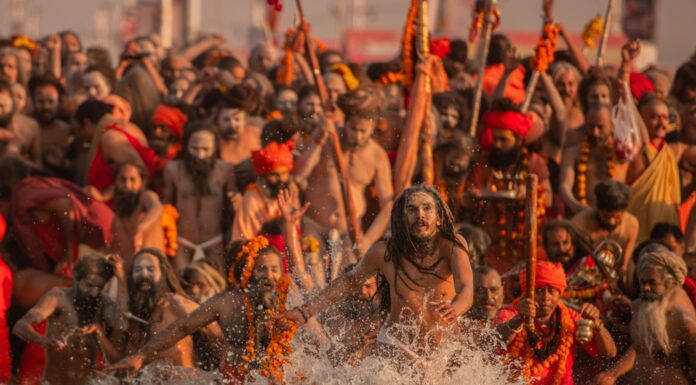
    Maha Kumbh mela

    Historical Significance:
    The origins of the Kumbh Mela can be traced back to ancient Hindu mythology. According to legend, the festival commemorates the victory of gods over demons in the battle for the nectar of immortality (Amrita). The drops of this divine nectar are believed to have fallen at the four Kumbh Mela locations, making them sacred sites for ritualistic bathing.

    The Rituals and Practices:
    During the Maha Kumbh Mela, pilgrims take a holy dip in the sacred rivers, believing it to cleanse their sins and grant spiritual liberation (moksha). The festival is marked by various rituals, including prayer ceremonies, devotional singing, and discourses by spiritual leaders. The presence of ascetics and sadhus adds a unique and mystical element to the event.

    Spiritual practices

    Cultural and Social Impact:
    The Maha Kumbh Mela transcends religious boundaries, fostering a sense of unity and shared faith among millions of participants. It serves as a platform for cultural exchange, showcasing India’s diverse traditions, art forms, and culinary delights. The festival also has a significant economic impact, boosting tourism and local economies.

    Modern-Day Relevance:
    In contemporary times, the Maha Kumbh Mela continues to uphold its spiritual essence while embracing modern amenities and technology. The government and organizers ensure the safety and convenience of pilgrims through infrastructure development, medical facilities, and digital connectivity.

    Challenges and Management:
    Organizing an event of such magnitude comes with its challenges, including crowd management, sanitation, and environmental conservation. The successful execution of the Maha Kumbh Mela is a testament to India’s ability to manage large-scale events with meticulous planning and coordination.

    Personal Experiences and Anecdotes:
    Sharing personal experiences and stories from the Maha Kumbh Mela can add a relatable and human touch to the blog. Accounts of spiritual awakenings, chance encounters, and the sheer scale of the festival can captivate readers and inspire them to participate in future events.
    The Maha Kumbh Mela is not just a religious gathering; it is a celebration of faith, tradition, and humanity. Its enduring significance and global appeal make it a unique phenomenon that continues to inspire and unite people from all walks of life.


    The Maha Kumbh Mela is not just a religious gathering; it is a celebration of faith, tradition, and humanity. Its enduring significance and global appeal make it a unique phenomenon that continues to inspire and unite people from all walks of life.


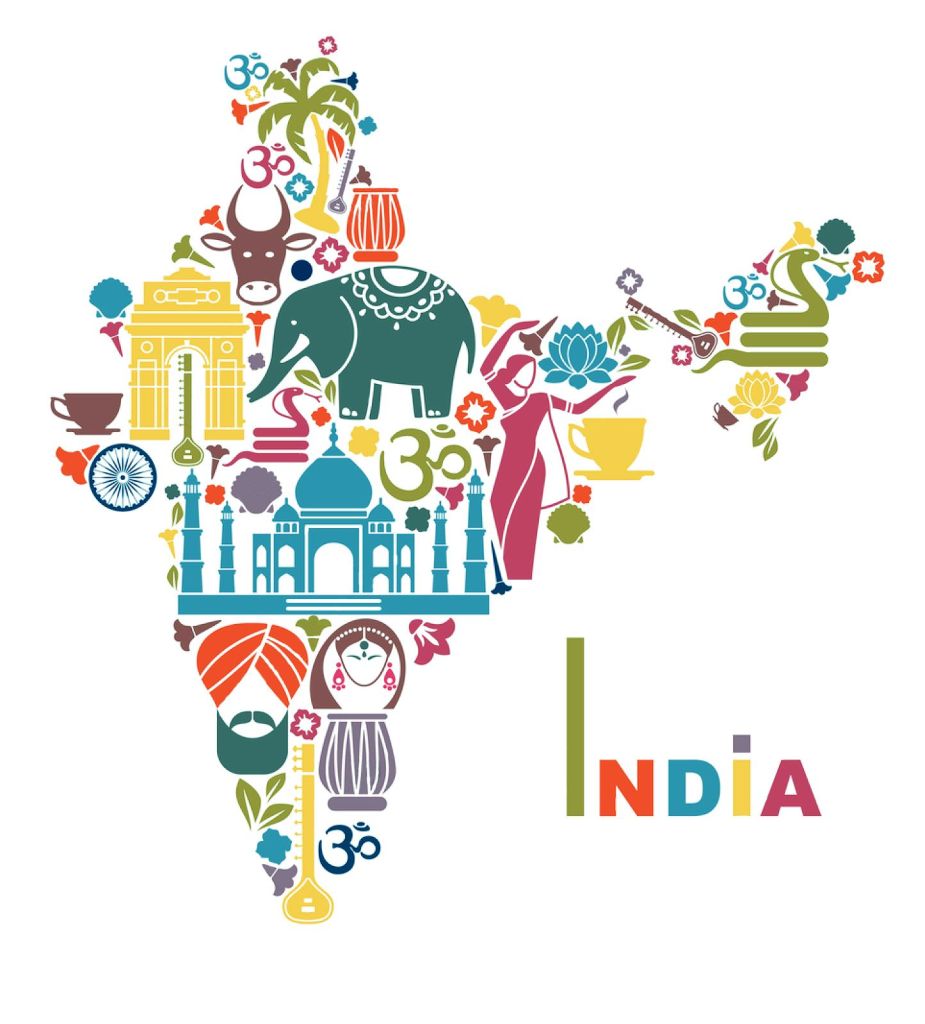
  • India, often referred to as a subcontinent, is a land of immense diversity and unity. With its vast geographical expanse, rich cultural heritage, and multitude of languages, religions, and traditions, India stands as a testament to the harmonious coexistence of diverse communities.

    Geographical Diversity:
    From the snow-capped Himalayas in the north to the sun-soaked beaches of the south, India’s diverse geography plays a crucial role in shaping its cultural and social landscape. The country’s varied topography supports a wide range of flora and fauna, contributing to its rich biodiversity.

    Cultural Diversity:
    India is home to a myriad of cultures, each with its unique customs, traditions, and festivals. The country celebrates numerous festivals such as Diwali, Eid, Christmas, and Pongal, showcasing its cultural richness and inclusivity. Traditional arts, crafts, dance, and music further highlight the vibrant cultural tapestry of India.

    Linguistic Diversity:
    With 22 officially recognized languages and over 1,600 dialects, India boasts a rich linguistic heritage. Each language and dialect reflects the regional identities and cultural nuances of its speakers, contributing to the country’s linguistic diversity.

    Religious Diversity:
    India is a secular nation where multiple religions coexist peacefully. The country is home to major religions such as Hinduism, Islam, Christianity, Sikhism, Buddhism, and Jainism, each contributing to the nation’s spiritual and cultural diversity.

    Unity in Diversity:
    Despite its vast diversity, India has maintained a sense of unity and national integration. The Indian Constitution promotes equality and social justice, ensuring that all citizens, regardless of their background, have the right to freedom and self-expression. The concept of “unity in diversity” is deeply ingrained in the Indian ethos, fostering a sense of belonging and togetherness among its people.

         India’s journey as a big nation with unity and diversity is a testament to its resilience and adaptability. The country’s ability to embrace and celebrate its differences while fostering a sense of unity is a model for the world. As India continues to grow and evolve, its commitment to unity in diversity remains a cornerstone of its identity.


  • Air Deccan, founded in 2003 by Captain G.R. Gopinath,

    Captain G. R Gopinath

    revolutionized the Indian aviation industry by introducing affordable air travel to millions of Indians. This blog explores the journey of Air Deccan, its impact on the aviation landscape, and the challenges it faced.

    The birth of Air Deccan:
    Inspired by the low-cost airline model in the United States, Captain Gopinath envisioned bringing affordable air travel to India. Air Deccan began operations with a fleet of six ATR turboprops, offering incredibly low fares, with some seats available for as low as ₹1 ($0.01).

    Rapid Growth and Popularity:
    Air Deccan quickly gained popularity by connecting tier-1 and tier-2 cities, making air travel accessible to the common man. The airline’s “early bird” fares and “dyna fares” attracted a large customer base, transforming the way people traveled within India.

    Challenges and Acquisition:
    Despite its initial success, Air Deccan faced numerous challenges, including operational inefficiencies, high fuel costs, and intense competition from other low-cost carriers. In 2007, the airline was acquired by Kingfisher Airlines, marking the end of its independent operations.

    Legacy and Impact:
    Air Deccan’s legacy lives on in the Indian aviation industry, as it paved the way for other low-cost carriers like IndiGo and SpiceJet. The airline’s innovative approach to affordable travel left a lasting impact on the way people travel in India.

    Conclusion:
    Air Deccan’s journey from a pioneering low-cost airline to its eventual acquisition is a testament to the challenges and opportunities in the aviation industry. Its legacy continues to inspire and shape the future of air travel in India.