• Diego Forlán, born on May 19, 1979, in Montevideo, Uruguay, is a name that resonates with football fans worldwide. Known for his incredible skills, versatility, and goal-scoring prowess, Forlán has left an indelible mark on the sport.

    Diego Forlan

    Early Career

    Forlán began his football journey in Uruguay, playing for youth clubs like Peñarol and Danubio. His talent quickly caught the eye, and he moved to Argentina to join Independiente. His impressive performances there earned him a move to Europe.

    European Success

    In 2002, Forlán joined Manchester United in the English Premier League. Although his time at United had its ups and downs, he won the Premier League title in the 2002-03 season and the FA Cup in 2003-04. His real breakthrough came when he moved to Villarreal in Spain. Forlán won the Pichichi Trophy as the top scorer in La Liga in his first season and continued to shine.

    In 2007, Forlán joined Atlético Madrid, where he became a fan favorite. He won the Pichichi Trophy again and played a crucial role in Atlético’s 2010 Europa League victory, scoring twice in the final against Fulham.

    International Glory

    Forlán’s international career with Uruguay was equally remarkable. He scored 36 goals in 112 appearances for his country. His standout moment came at the 2010 FIFA World Cup, where he won the Golden Ball as the tournament’s best player and was the joint top scorer with five goals. He also helped Uruguay win the Copa América in 2011.

    Later Years and Retirement

    After his successful stints in Europe, Forlán played for various clubs worldwide, including Inter Milan, Internacional, Cerezo Osaka, Mumbai City, and Kitchee. He retired from professional football in August 2019.

    Legacy

    Diego Forlán’s legacy is one of dedication, skill, and passion for the game. He is regarded as one of the best forwards of his generation and remains an inspiration to aspiring footballers around the world.

    Forlán’s journey from Montevideo to the global stage is a testament to his talent and determination. His contributions to football will be remembered for years to come.


  • Rome, the Eternal City, is a place where ancient history meets modern charm. From the Colosseum’s imposing grandeur to the Trevi Fountain’s breathtaking beauty, Rome is a city that will leave you spellbound.

    A City Steeped in History
    Rome’s rich history spans over 2,500 years, with landmarks like the Roman Forum and the Pantheon showcasing the city’s architectural prowess. The Vatican City, home to the Pope and the Sistine Chapel, is a must-visit destination for art lovers and history enthusiasts.

    Explore the City’s Hidden Gems
    Beyond the iconic landmarks, Rome is a city filled with hidden gems waiting to be discovered. Wander through the charming streets of Trastevere, indulge in delicious Italian cuisine, and soak up the vibrant atmosphere of the Piazza Navona.

    A Food Lover’s Paradise
    Italian cuisine is renowned worldwide, and Rome is the perfect place to sample the country’s culinary delights. From pizza and pasta to gelato and espresso, Rome’s food scene is a treat for the taste buds. Be sure to try some of the city’s famous dishes, such as carbonara and amatriciana.

    A City That Never Sleeps
    Rome is a city that comes alive at night, with a vibrant nightlife scene that’s hard to resist. From rooftop bars to live music venues, there’s always something happening in Rome.

    Top Attractions to Visit

    • Colosseum: This ancient amphitheater is one of Rome’s most iconic landmarks.
    • Vatican City: Home to the Pope and the Sistine Chapel, Vatican City is a must-visit destination.
    • Trevi Fountain: This beautiful baroque fountain is a must-see attraction.
    • Roman Forum: Explore the ancient ruins of the Roman Forum, once the heart of ancient Rome.
    • Pantheon: This ancient temple is one of Rome’s most impressive architectural landmarks.

    Insider Tips

    • Explore on foot: Rome is a city best explored on foot, so be sure to wear comfortable shoes.
    • Avoid tourist traps: Steer clear of overpriced restaurants and souvenir shops.
    • Learn some Italian: The locals will appreciate your effort to speak their language.
    • Visit during shoulder season: Avoid the crowds and heat by visiting during spring or autumn.


    Rome is a city that will capture your heart and leave you wanting more. With its rich history, stunning architecture, and vibrant culture, Rome is a destination that’s hard to resist. So come and discover the Eternal City for yourself – you won’t be disappointed!

    Rome #Travel #Italy #History #Food #Culture

  • Lee Kuan Yew, Singapore’s first and longest-serving Prime Minister, is a name synonymous with visionary leadership and transformative change. Born on September 16, 1923, Yew’s life was a testament to his unwavering dedication to creating a better future for Singaporeans.

    Lee Kuan Yew

    From Humble Beginnings to Nation-Building

    Yew’s educational journey at Raffles Institution and the University of Cambridge laid the foundation for his profound understanding of governance, rule of law, and economic development. As the first Prime Minister of Singapore, Yew led the nation through tumultuous times, steering it towards stability, progress, and inclusivity.

    Key Achievements:

    • Transformed Singapore from a small trading port to a global financial and economic hub
    • Prioritized social cohesion and racial harmony, fostering a sense of national identity and unity
    • Emphasized education, innovation, and adaptability, creating a highly skilled and competitive workforce
    • Developed a business-friendly environment, modernized infrastructure, and established robust trade relations

    Leadership Lessons from Lee Kuan Yew

    Yew’s leadership style was characterized by discipline, pragmatism, and a relentless pursuit of excellence. His commitment to good governance, meritocracy, and long-term planning laid the foundation for Singapore’s economic success.

    Timeless Leadership Principles:

    • Say it as it is: Be straightforward and honest in your communication
    • Plan for succession: Groom the next generation of leaders to ensure continuity
    • Stay tenacious: Lead with resolve and perseverance, even in the face of adversity

    A Lasting Legacy

    Lee Kuan Yew’s legacy extends far beyond Singapore’s borders. His visionary leadership and nation-building strategies have inspired leaders worldwide. As we commemorate his 100th birth anniversary, we honor his remarkable contributions to Singapore’s development and transformation.

    Remembering Lee Kuan Yew:

    • A commemorative coin, the LKY100, has been issued to mark his 100th birth anniversary
    • His portrait and notable achievements are featured on the coin, serving as a reminder of his enduring impact

    In conclusion, Lee Kuan Yew’s exemplary leadership and transformative vision have left an indelible mark on Singapore’s history. As we reflect on his legacy, we are reminded of the importance of visionary leadership, good governance, and dedication to creating a better future for all.

  • Nestled at the crossroads of Asia, Singapore’s meteoric rise from a humble trading post to a global financial powerhouse is nothing short of extraordinary. This city-state’s journey is a testament to visionary leadership, relentless innovation, and the resilience of its people. Let’s take a deep dive into the fascinating evolution of Singapore.

    Early Beginnings: The Strategic Trading Post
    Singapore’s story begins in the early 14th century when it was known as Temasek, a thriving port bustling with maritime trade. Its strategic location at the crossroads of major sea routes made it a magnet for traders from China, India, and the Malay Archipelago.

    In 1819, Sir Stamford Raffles, recognizing the island’s potential, established Singapore as a British trading post. The free port status attracted merchants from around the world, turning it into a vibrant commercial hub.

    Colonial Era: The Jewel of the Empire
    During the British colonial period, Singapore flourished as a key port within the British Empire. The influx of immigrants, particularly from China, India, and the Malay Peninsula, brought diversity and a melting pot of cultures.

    However, World War II brought turmoil when Singapore fell to the Japanese in 1942. The harsh occupation ended in 1945, and Singapore reverted to British rule. The post-war years saw growing anti-colonial sentiment and a push for self-governance.

    The Road to Independence
    In 1959, Singapore achieved self-governance, with Lee Kuan Yew becoming its first Prime Minister. The political landscape was fraught with challenges, including ethnic tensions and the quest for merger with Malaysia. In 1963, Singapore joined Malaysia but was expelled just two years later, leading to its full independence on August 9, 1965.

    Building a Nation: The Lee Kuan Yew Era
    Lee Kuan Yew’s visionary leadership played a pivotal role in Singapore’s transformation. His policies focused on economic development, education, and urban planning. Key initiatives included:

    • Industrialization: Attracting multinational corporations and fostering manufacturing sectors.
    • Education: Establishing a robust education system to create a skilled workforce.
    • Infrastructure: Building world-class infrastructure, including Changi Airport and the Mass Rapid Transit (MRT) system.
    • Housing: Implementing public housing programs to provide affordable homes.

    Economic Miracle: From Third World to First
    Under Lee Kuan Yew’s guidance, Singapore experienced rapid economic growth. The country’s strategic investment in technology, finance, and trade propelled it to become one of the “Four Asian Tigers” alongside Hong Kong, South Korea, and Taiwan. Key milestones included:

    • The establishment of the Economic Development Board (EDB) to attract foreign investment.
    • The creation of Jurong Industrial Estate, transforming swamps into an industrial hub.
    • Developing a robust financial sector, making Singapore a global banking and trading center.

    A Global City: The Modern Era
    In the 21st century, Singapore has continued to evolve and adapt to global challenges. It has embraced innovation and sustainability, positioning itself as a smart city and a global tech hub. Key developments include:

    • Smart Nation Initiative: Leveraging technology to enhance urban living, healthcare, and governance.
    • Green Initiatives: Committing to environmental sustainability through initiatives like Gardens by the Bay and green building standards.
    • Cultural Renaissance: Promoting arts and culture, including iconic events like the Singapore Arts Festival and the development of the Esplanade.


    Singapore’s journey from a trading post to a global powerhouse is a story of resilience, vision, and adaptability. Its evolution is a testament to the spirit of its people and their commitment to excellence. As Singapore continues to navigate the complexities of the modern world, it stands as a shining example of what a small nation can achieve with determination and innovation.

  • Michael Schumacher, born on January 3, 1969, in Hürth, Germany, is widely regarded as one of the greatest Formula One drivers of all time. Known affectionately as “Schumi,” he has left an indelible mark on the world of motorsport with his extraordinary talent, dedication, and numerous records.

    Michael Schumacher

    Early Life and Career Beginnings

    From a young age, Schumacher showed an innate passion for racing. His father, Rolf Schumacher, managed a karting track, which allowed Michael to start racing go-karts at the tender age of four. His talent quickly became evident, and by the age of 14, he was already competing and winning in junior championships. Schumacher’s relentless pursuit of excellence saw him win the German and European karting titles in 1987.

    Rise to Formula One Stardom

    Schumacher’s transition to Formula One came in 1991 when he made his debut with the Jordan Grand Prix team at the Belgian Grand Prix. His impressive performance caught the attention of Benetton, and he joined the team for the remainder of the season. Schumacher’s breakthrough came in 1994 when he won his first World Drivers’ Championship with Benetton, a title he successfully defended the following year.

    In 1996, Schumacher moved to Ferrari, a team that was struggling at the time. His arrival marked the beginning of a new era for Ferrari, as he led the team to five consecutive World Drivers’ Championships from 2000 to 2004. Schumacher’s dominance in the sport was unparalleled, and he set numerous records, including the most Grand Prix wins (91), pole positions (68), and fastest laps (77).

    Retirement and Comeback

    After achieving his seventh World Championship title in 2004, Schumacher announced his retirement from Formula One. However, he made a brief comeback with Mercedes from 2010 to 2012, although he did not achieve the same level of success as during his time with Ferrari.

    Life After Racing

    Schumacher’s life took a dramatic turn in December 2013 when he suffered a severe head injury while skiing in the French Alps. He was placed in a medically induced coma for six months and has since been undergoing rehabilitation. Despite the challenges, Schumacher continues to make progress, although he remains largely out of the public eye.

    Legacy and Impact

    Michael Schumacher’s legacy extends beyond his records and titles. He is remembered for his relentless drive, innovative racing techniques, and ability to inspire and lead his teams to greatness. His contributions to Formula One have left an enduring impact on the sport, and his story continues to inspire aspiring racers around the world.

  • Diego Armando Maradona, affectionately known as “El Pibe de Oro” (The Golden Boy), was an Argentine professional footballer who left an indelible mark on the beautiful game. Born on October 30, 1960, in Lanús, Argentina, Maradona’s life was a testament to his passion, skill, and unwavering dedication to football.

    Maradona

    Early Life and Career

    Maradona’s love affair with football began at a young age. He joined the youth team of Argentinos Juniors at just 8 years old and quickly made a name for himself as a prodigious talent. His impressive skills and vision on the field earned him a place in the Argentine national team at just 16 years old.

    Club Career

    Maradona’s club career was a storied one, with stints at some of the world’s most iconic clubs. He played for:

    1. Argentinos Juniors (1976-1981): Maradona’s professional debut was with Argentinos Juniors, where he quickly established himself as a key player.
    2. Boca Juniors (1981-1982): Maradona’s time at Boca Juniors was marked by success, including a league title in 1981.
    3. Barcelona (1982-1984): Maradona’s move to Barcelona was a significant one, as he helped the club win the Copa del Rey in 1983.
    4. Napoli (1984-1991): Maradona’s seven-year stint at Napoli is often considered the most successful period of his club career. He led the team to two Serie A titles, a Coppa Italia, and a UEFA Cup.

    International Career

    Maradona’s international career was nothing short of spectacular. He made his debut for Argentina in 1977 and went on to earn 91 caps, scoring 30 goals. His crowning achievement was leading Argentina to World Cup victory in 1986, where he scored four goals, including the infamous “Hand of God” goal against England.

    Legacy

    Diego Maradona’s legacy extends far beyond his impressive playing career. He was a true icon of the sport, known for his:

    1. Exceptional skill: Maradona’s dribbling ability, vision, and passing range were unparalleled.
    2. Passion and leadership: He was a natural leader on the field, inspiring his teammates with his work rate and determination.
    3. Charisma and personality: Maradona’s larger-than-life personality and charisma made him a beloved figure around the world.

    Personal Life and Later Years

    Maradona’s personal life was marked by struggles with addiction and health issues. He passed away on November 25, 2020, at the age of 60, leaving behind a legacy that will continue to inspire generations of footballers and fans.

    In conclusion, Diego Maradona was a true football legend, whose impact on the sport will be felt for years to come. His incredible skill, passion, and leadership on the field, combined with his charismatic personality, made him a beloved figure around the world.

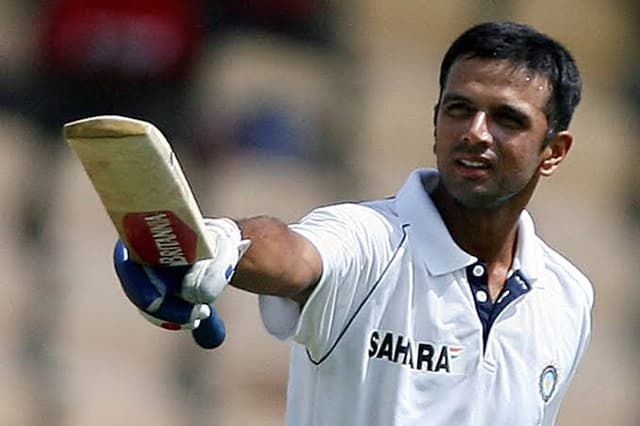
  • Cricket, a religion in India, has seen legends who have redefined the game and left indelible marks on its history. Among them stands a figure, not just a player, but a testament to resilience, discipline, and unwavering determination—Rahul Dravid, affectionately known as “The Wall.”

    Rahul Dravid

    Early Days and Rise to Prominence

    Born on January 11, 1973, in Indore, Madhya Pradesh, Rahul Dravid showed early signs of his cricketing prowess. He made his debut in international cricket in 1996, a year that heralded the arrival of a player destined to become a cornerstone of Indian cricket. With a technique that was as solid as a rock and a temperament to match, Dravid quickly earned the nickname “The Wall.”

    Master of the Craft

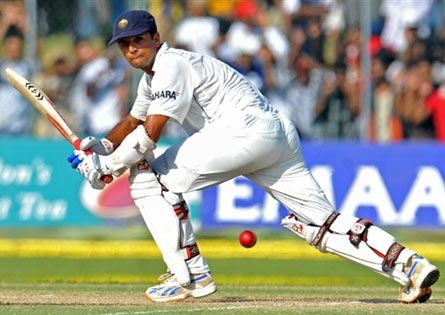
    Rahul Dravid’s career is a masterclass in the art of batting. His ability to anchor the innings, weathering storms and grinding out runs, set him apart. Known for his impeccable technique and calm demeanor, Dravid often stood firm when the team’s fortunes wavered. His innings at the crease were not just about runs but about the patience, grit, and mental fortitude that defined his character.

    Rahul Dravid

    One of the most memorable moments in Dravid’s career was the 2003 Adelaide Test against Australia. His monumental 233 and 72* in the match showcased his ability to stand tall against the fiercest bowling attacks. These innings exemplified his skill, patience, and endurance, leading India to a historic victory on Australian soil.

    Versatility and Leadership

    While Dravid was primarily known for his test cricket exploits, his versatility across formats cannot be overstated. He adapted his game to suit the demands of One Day Internationals (ODIs), playing crucial roles in many Indian victories. His ability to bat at various positions and don the wicketkeeper’s gloves when needed made him an invaluable asset to the team.

    Dravid’s leadership when he was appointed the captain of the Indian cricket team. Under his captaincy, India achieved notable successes, including the series victory in England in 2007. His calm and composed demeanor provided stability and inspiration to his teammates.

    Beyond the Numbers

    Rahul Dravid’s cricketing journey is not just about the runs and records. It’s about the principles and values he embodied—integrity, humility, and sportsmanship. He was the quintessential team player, always putting the team’s needs above his own. His commitment to the game and the respect he garnered from opponents and fans alike made him a true ambassador of cricket.

    Rahul Dravid

    Post-Retirement Contributions

    Even after hanging up his boots, Dravid’s contribution to Indian cricket continues. As a coach and mentor, he has been instrumental in nurturing young talent, preparing the next generation of cricketers to take on the challenges of international cricket. His work with the India A and Under-19 teams has been pivotal in shaping the future of Indian cricket.

    Legacy of “The Wall”

    Rahul Dravid’s legacy extends far beyond the cricketing field. He is an icon of perseverance, dedication, and excellence. The lessons from his career resonate with aspiring cricketers and sports enthusiasts around the world. Dravid’s journey teaches us that success is not just about talent but about hard work, resilience, and the unwavering pursuit of excellence.

    In the pantheon of cricketing greats, Rahul Dravid will always be remembered as “The Wall”—a player who stood tall, unyielding, and inspired generations with his remarkable journey.

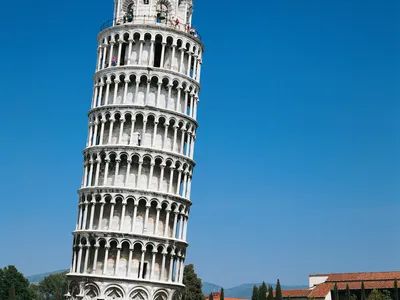
  • When you think of Pisa, the first image that likely springs to mind is the Leaning Tower. An architectural marvel and a testament to human ingenuity, this iconic structure continues to captivate millions of visitors from around the world. But beyond the Instagram-worthy photo ops, there’s a rich history and fascinating science that make the Leaning Tower of Pisa truly remarkable.

    Leaning Tower of Pisa

    Construction of the Leaning Tower of Pisa began in August 1173. Intended to be a freestanding bell tower for the cathedral of Pisa, the tower’s foundation was laid on unstable, soft soil—a mix of sand, clay, and shells. After the construction reached the second floor in 1178, the tower began to sink on one side. Work was halted for almost a century due to wars, which ironically allowed the underlying soil to settle, preventing an earlier collapse.

    The project resumed in 1272 under architect Giovanni di Simone, who attempted to compensate for the tilt by adding taller columns and arches on the shorter side. This only added to the tower’s unique, banana-like curve. The tower was finally completed in 1372, standing at about 56 meters tall.

    The Science Behind the Tilt

    The tower’s infamous tilt is due to its poor foundation. With a shallow depth of only three meters and unstable subsoil, the structure began leaning even before its construction was completed. Over the centuries, numerous efforts have been made to stabilize the tower.

    Leaning Tower of Pisa

    In the 20th century, engineers placed lead weights on the north side to counterbalance the tilt. Between 1990 and 2001, the tower was closed to the public while engineers undertook a massive restoration project. They removed soil from underneath the elevated side and anchored the structure with steel cables. Today, the tower leans at a safe angle of about 3.97 degrees.

    Cultural Significance

    The Leaning Tower of Pisa isn’t just an architectural wonder; it’s also a cultural icon. It has inspired countless works of art, literature, and even scientific experiments. Galileo Galilei, the renowned physicist, is said to have conducted his gravitational experiments by dropping objects from the tower to demonstrate the principles of motion.

    Each year, millions of tourists visit Pisa to marvel at the tower and, of course, to pose for the classic “holding up the tower” photo. Beyond the clichés, the tower continues to be a powerful symbol of human perseverance and ingenuity.

    Visiting the Tower

    If you’re planning a trip to Pisa, a visit to the Leaning Tower is a must. Located in the Piazza dei Miracoli (Square of Miracles), the tower is part of a stunning complex that includes the Pisa Cathedral, the Baptistery, and the Camposanto Monumentale.

    Tickets are required to climb the tower, and it’s best to book in advance, as slots can fill up quickly. As you ascend the 294 steps to the top, you’ll feel the tilt more pronouncedly, and you’ll be rewarded with breathtaking views of Pisa and its surrounding countryside.

    In conclusion, the Leaning Tower of Pisa is more than just a leaning structure—it’s a testament to the quirks of history, the challenges of engineering, and the resilience of human ambition. Whether you’re an architecture aficionado, a history buff, or just someone looking for an unforgettable experience, the Leaning Tower of Pisa is sure to leave a lasting impression.

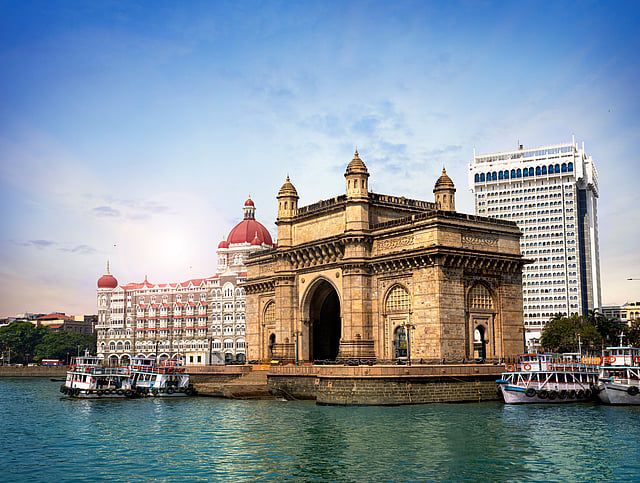
  • Mumbai, the financial capital of India, is a city that never sleeps. From its vibrant streets to its iconic landmarks, Mumbai is a melting pot of cultures, traditions, and lifestyles. But, have you ever wondered what this magnificent city was like in its early days? Let’s take a journey through the history of Old Bombay, and discover the charms of a bygone era.

    Mumbai

    The Birth of Bombay

    In the 17th century, Bombay was a collection of seven islands, inhabited by the Kolis, a fishing community. The Portuguese, who had established a trading post in the area, named the islands “Bom Bahia” or “Good Bay.” In 1668, the British East India Company acquired the islands from the Portuguese, and Bombay began to take shape as a major trading center.

    The Growth of Old Bombay

    During the 18th and 19th centuries, Bombay underwent rapid transformation. The British built roads, bridges, and buildings, and the city became a hub of commerce and industry. The construction of the Suez Canal in 1869 further boosted Bombay’s growth, as it became a major port for trade between Europe and Asia.

    Landmarks of Old Bombay

    Some of the iconic landmarks of Old Bombay still stand today, telling the story of the city’s rich history. These include:

    • The Gateway of India: Built in 1924 to commemorate the visit of King George V and Queen Mary, this monumental arch is a symbol of Bombay’s colonial past.
    • The Victoria Terminus: This stunning railway station, built in 1887, is a masterpiece of Victorian Gothic architecture and one of the busiest railway stations in the world.
    • The Bombay High Court: Built in 1862, this beautiful building is a testament to the city’s rich judicial history.
    • The Crawford Market: Established in 1869, this historic market is a treasure trove of fresh produce, spices, and souvenirs.

    The Culture of Old Bombay

    Old Bombay was a city of diverse cultures, where people from different backgrounds lived and worked together. The city was known for its vibrant nightlife, with music, dance, and theater performances that showcased the talents of local artists. The famous Bombay Parsi community, known for their love of food, music, and theater, played a significant role in shaping the city’s cultural landscape.

    The Legacy of Old Bombay

    Today, Mumbai is a city of over 20 million people, with a thriving economy, a rich cultural scene, and a strong sense of community. As we look back at the history of Old Bombay, we are reminded of the city’s resilience, adaptability, and determination. From its humble beginnings as a small trading post to its current status as a global financial hub, Mumbai has come a long way, and its legacy continues to inspire and captivate people around the world.

    In conclusion, Old Bombay was a city of contrasts, where traditional and modern, rich and poor, and old and new coexisted in a vibrant and dynamic landscape. As we explore the city’s history, we are reminded of the power of human ingenuity, creativity, and perseverance, and we are inspired to build a better future for ourselves and for generations to come.

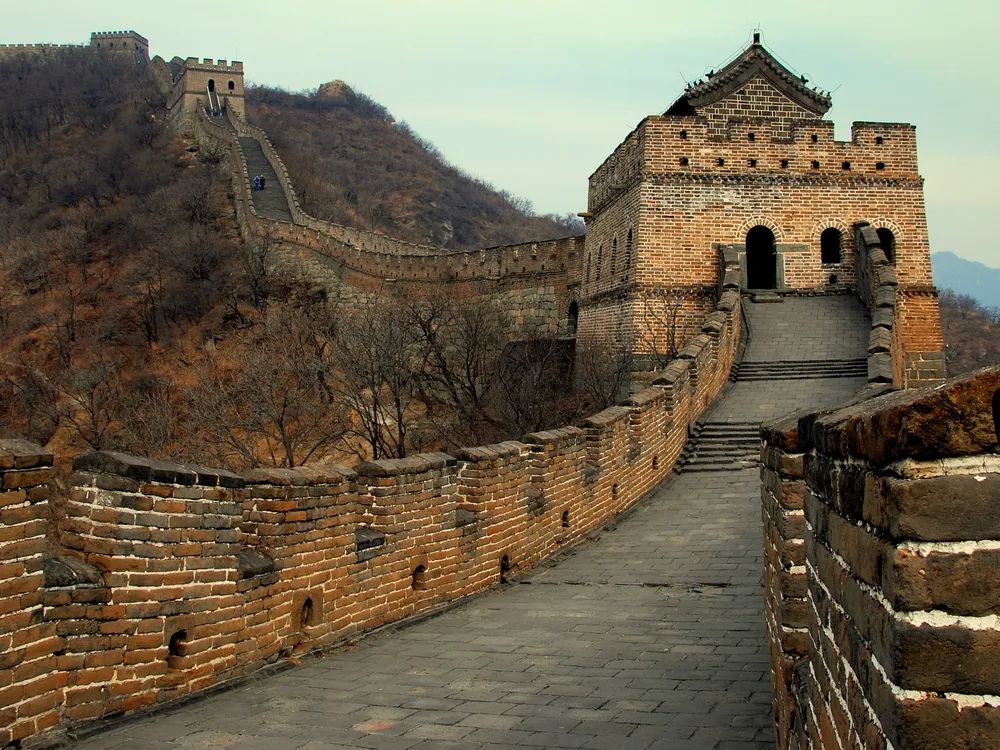
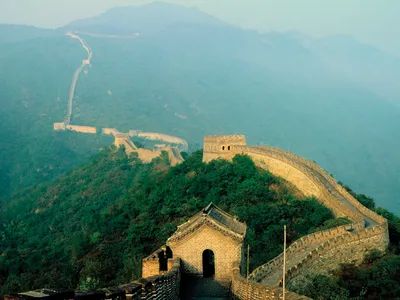
  • The Great Wall of China, one of the most impressive architectural achievements in history, stretches across China’s rugged landscape like a majestic dragon. Built over several centuries to protect the Chinese Empire from invaders, the Great Wall is a testament to the ingenuity and perseverance of ancient Chinese engineers and laborers.

    A Brief History of the Great Wall

    The earliest versions of the Great Wall date back to the 7th century BC, when several small walls were built by different Chinese states to protect themselves from invading nomadic tribes. However, it was during the Qin Dynasty (221-206 BC) that the first version of the Great Wall as we know it today was built.

    Over the centuries, successive Chinese dynasties expanded and fortified the wall, using local materials such as stone, brick, and rammed earth. The most famous and well-preserved sections of the wall were built during the Ming Dynasty (1368-1644), which saw the wall extended to its current length of over 13,000 miles (21,000 km).

    Engineering and Architecture

    The Great Wall is an engineering marvel, considering the limited technology and resources available to ancient Chinese builders. The wall’s construction required the labor of thousands of workers, who toiled in harsh conditions to build the wall’s foundation, walls, and watchtowers.

    The wall’s architecture is equally impressive, with an average height of 20-30 feet (6-9 meters) and a width of 15-20 feet (4.5-6 meters). The wall’s watchtowers, which were built at regular intervals, served as military outposts and communication centers.

    Tourism and Preservation

    Today, the Great Wall of China is one of the most popular tourist attractions in the world, with over 10 million visitors per year. While tourism has helped to raise awareness and funds for the wall’s preservation, it has also posed significant challenges, including erosion, litter, and damage to the wall’s structure.

    To address these concerns, the Chinese government has implemented various preservation and conservation efforts, including the restoration of damaged sections, the construction of visitor centers and museums, and the implementation of sustainable tourism practices.

    Legacy and Cultural Significance

    The Great Wall of China is more than just a historical monument or tourist attraction – it is a powerful symbol of Chinese culture and heritage. The wall has inspired countless works of art, literature, and music, and continues to captivate the imagination of people around the world.

    In 1987, the Great Wall of China was designated a UNESCO World Heritage Site, recognizing its cultural and historical significance. Today, the wall remains an enduring testament to the ingenuity, perseverance, and creativity of the Chinese people.

    The Great Wall of China is a remarkable achievement that continues to inspire wonder and awe. Its rich history, impressive architecture, and cultural significance make it a must-see destination for anyone interested in exploring the world’s most incredible monuments. As we continue to marvel at the Great Wall’s grandeur, we are reminded of the power of human creativity, perseverance, and collaboration.