• As I stood at the edge of the Sahara Desert, the blistering sun beating down on my skin, I felt a sense of awe wash over me. The endless dunes of golden sand stretched out before me like a sea of liquid gold, inviting me to explore their secrets.

    My journey began in the bustling city of Marrakech, Morocco, where I met my guide, Abdul. A seasoned Tuareg tribesman, Abdul had spent his entire life navigating the treacherous dunes of the Sahara. With a warm smile and a twinkle in his eye, he welcomed me to his world.

    Sahara Desert

    The Sahara’s Ancient History
    As we set off into the desert, Abdul regaled me with stories of the Sahara’s ancient history. He spoke of the mighty empires that once flourished here, of the traders and travelers who braved the treacherous dunes to reach the fabled cities of Timbuktu and Marrakech.

    We walked for hours, the sun beating down on us, until we reached the oasis town of Zagora. Here, we rested and replenished our supplies, surrounded by the lush greenery of the palm trees and the sound of birdsong.

    The Tuareg Tribesmen
    As we journeyed deeper into the desert, we encountered the Tuareg tribesmen, Abdul’s people. With their distinctive blue turbans and proud demeanor, they welcomed us into their midst.

    We spent the night in a Tuareg camp, surrounded by the stars and the sound of the wind rustling through the dunes. Abdul taught me how to play the traditional Tuareg instrument, the imzad, and we sang and danced into the night.

    The Sahara’s Hidden Wonders
    The next morning, we set off to explore the Sahara’s hidden wonders. We visited the ancient rock art of the Draa Valley, where the walls of the canyon were adorned with vivid depictions of animals and humans.

    We also visited the Erg Chebbi dunes, where we watched the sunset over the dunes, the sky ablaze with color. It was a moment of pure magic, one that I will never forget.

    The Sahara’s Lessons
    As I stood on the edge of the Sahara, preparing to leave, I realized that the desert had taught me valuable lessons. It had shown me the importance of resilience, of adaptability, and of living in harmony with nature.

    The Sahara Desert is a place of enchantment, a place where the boundaries between reality and fantasy blur. It is a place that will leave you changed forever, a place that will call you back again and again.
    SaharaDesert #DesertAdventures #TuaregTribesmen #Morocco #Travel #Adventure

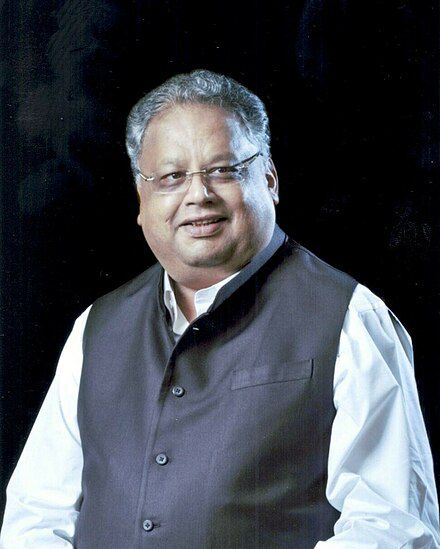
  • Once upon a time, in the bustling city of Mumbai, a young boy named Rakesh Jhunjhunwala sat at the dinner table, listening intently to his father discuss the stock market. His father, an income tax officer, often spoke about stocks and investments, sparking a curiosity in young Rakesh. Little did anyone know, this boy would grow up to become one of India’s most legendary investors, earning the title of the “Big Bull of the Indian Stock Market.”

    Rakesh was born on July 5, 1960, into a middle-class Marwari family. His journey into the world of stocks began in the early 1980s, armed with a mere ₹5,000. While his father encouraged his interest, he made it clear that Rakesh would have to find his own way financially. Undeterred, Rakesh took his first steps into the stock market, driven by a hunger to learn and a belief in his instincts.

    Rakesh Jhunjunwala

    His first big win came with Tata Tea. In 1986, he bought 5,000 shares at ₹43 each. Within three months, the stock price soared to ₹143, and Rakesh made a profit of ₹5 lakh—a fortune at the time. This was just the beginning. Over the years, he invested in companies like Titan, Lupin, and Crisil, turning them into multi-baggers and amassing a fortune that would eventually make him a billionaire.

    But Rakesh was more than just an investor. He was a visionary who believed in the potential of India’s economy. His bullish outlook on the market earned him the nickname “Big Bull.” He wasn’t afraid to take risks, and his confidence often inspired others to dream big. He co-founded Rare Enterprises, named after the first two letters of his and his wife Rekha’s names, to manage his investments.

    Despite his immense wealth, Rakesh remained grounded. He was known for his wit, humor, and generosity. He often said, “Respect the market. Have an open mind. Know what to stake. Know when to take a loss. Be responsible.” These words became a mantra for aspiring investors.

    Rakesh’s journey wasn’t without challenges. He faced market crashes, criticism, and even health issues. Yet, he never lost his optimism or his love for the stock market. His story is a testament to the power of perseverance, knowledge, and belief in oneself.

    On August 14, 2022, India bid farewell to its Big Bull. Rakesh Jhunjhunwala passed away, leaving behind a legacy that continues to inspire millions. His life story is not just about wealth but about vision, courage, and the indomitable spirit of a man who dared to dream.

    And so, the tale of Rakesh Jhunjhunwala reminds us that the stock market is not just about numbers; it’s about stories, dreams, and the people who dare to believe in them.

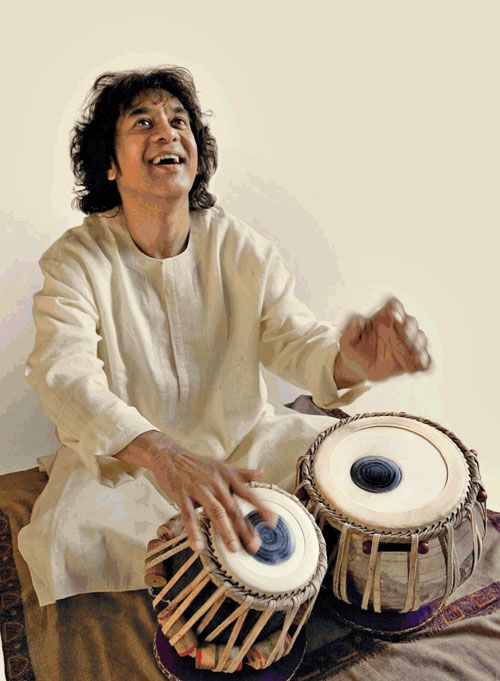
  • It was a warm summer evening in Mumbai when I first witnessed the magic of Zakir Hussain’s fingers on the tabla. The air was electric, and the crowd was entranced as he weaved a spell of rhythm and melody that left us all breathless.

    As a young boy growing up in a family of musicians, Zakir was destined for greatness. His father, Ustad Allah Rakha, was a renowned tabla player who had performed with some of the greatest musicians of the time. Zakir’s early years were spent listening to his father’s stories of the great masters and watching him practice for hours on end.

    The Early Years
    Zakir’s own journey with the tabla began when he was just three years old. His father would sit him on his lap and teach him the basics of the instrument. As he grew older, Zakir’s practice sessions became longer and more intense. He would spend hours practicing, his fingers moving deftly over the drums as he mastered the complex rhythms and techniques of the tabla.

    The Rise to Fame
    Zakir’s talent and dedication soon earned him recognition, and he began performing with some of the greatest musicians of the time. His collaborations with Pandit Ravi Shankar, Ali Akbar Khan, and L. Subramaniam, among others, helped to establish him as one of the leading tabla players of his generation.

    Zakir Hussain

    A Fusion of Tradition and Innovation
    Zakir’s music is a unique blend of traditional Indian classical music and modern innovation. He has collaborated with musicians from around the world, incorporating elements of jazz, rock, and fusion into his music. His album “Making Music” with John McLaughlin and Jan Garbarek is a testament to his ability to fuse different styles and create something entirely new and innovative.

    A Legacy of Music and Inspiration
    Today, Zakir Hussain is widely regarded as one of the greatest tabla players of all time. His music has inspired generations of musicians and music lovers around the world. He continues to perform and compose music, pushing the boundaries of what is possible on the tabla.

    As I left the concert hall that summer evening, I felt inspired and energized by the magic of Zakir Hussain’s music. His fingers had danced across the drums, creating a symphony of sound that had left us all spellbound. It was a truly unforgettable experience, and one that I will always treasure.

  • Located in the northeastern state of Sikkim, Gangtok is a city that is nestled in the lap of the Himalayas. With its breathtaking natural beauty, rich cultural heritage, and warm hospitality, Gangtok is a destination that is waiting to be discovered.

    A City of Stunning Natural Beauty
    Gangtok is a city that is surrounded by towering mountains, lush green forests, and sparkling rivers. The city’s natural beauty is simply breathtaking, with views of the Himalayas that will leave you spellbound.

    Top Attractions in Gangtok
    Gangtok is a city that is steeped in history, culture, and natural beauty. Some of the top attractions to visit in Gangtok include:

    • Tsomgo Lake: A stunning lake that is located at an altitude of 12,400 feet and is considered sacred by the locals.
    • Nathula Pass: A historic pass that connects Sikkim to Tibet and offers breathtaking views of the Himalayas.
    • Rumtek Monastery: A beautiful monastery that is located on a hilltop and offers stunning views of the surrounding mountains.
    • MG Road: A bustling street that is lined with shops, restaurants, and cafes and is the perfect place to experience the local culture.

    Experience the Local Culture
    Gangtok is a city that is rich in culture and tradition. The city is home to a diverse population of Nepalis, Tibetans, and Indians, and the local culture is a unique blend of these different influences.

    Try the Local Cuisine
    Gangtok is a city that is famous for its delicious local cuisine, which includes:

    • Momos: Steamed dumplings that are filled with meat or vegetables and are a staple of the local cuisine.
    • Thukpa: A hearty noodle soup that is made with vegetables, meat, and noodles.
    • Gundruk Soup: A sour soup that is made with fermented green leaves and is a specialty of the local cuisine.


    Gangtok is a city that is waiting to be discovered. With its breathtaking natural beauty, rich cultural heritage, and warm hospitality, Gangtok is a destination that is sure to leave a lasting impression. Whether you’re interested in exploring the local culture, trying the local cuisine, or simply taking in the breathtaking views of the Himalayas, Gangtok is a city that has something for everyone.

  • Located in the heart of China’s Hubei province, Wuhan is a city that seamlessly blends tradition and modernity. As the capital of Hubei, Wuhan is a thriving metropolis that boasts a rich history, vibrant culture, and breathtaking landscapes.

    A City Steeped in History
    Wuhan’s history dates back over 3,500 years, with the city playing a significant role in China’s ancient past. Wuhan was a key stop on the famous Silk Road, with merchants and traders flocking to the city to exchange goods and ideas.

    The City of a Hundred Lakes
    Wuhan is often referred to as the “City of a Hundred Lakes,” thanks to its stunning natural beauty. The city is surrounded by numerous lakes, rivers, and wetlands, making it a haven for nature lovers and outdoor enthusiasts.

    Top Attractions in Wuhan
    Wuhan is a city that is steeped in history, culture, and natural beauty. Some of the top attractions to visit in Wuhan include:

    • Yellow Crane Tower: A stunning tower that offers breathtaking views of the Yangtze River.
    • Wuhan Yangtze River Bridge: A iconic bridge that spans the Yangtze River and offers spectacular views of the city.
    • Hubei Provincial Museum: A world-class museum that showcases the history and culture of Hubei province.
    • East Lake: A beautiful lake that offers stunning views, walking trails, and picnic areas.

    Wuhan’s Vibrant Culture
    Wuhan is a city that is proud of its rich cultural heritage. From traditional opera and music to delicious local cuisine and vibrant festivals, Wuhan has something to offer everyone.

    Wuhan’s Local Cuisine
    Wuhan is famous for its delicious local cuisine, which includes:

    • Hot dry noodles: A spicy and flavorful noodle dish that is a staple of Wuhan cuisine.
    • Wuhan-style dumplings: Delicious dumplings that are filled with pork, vegetables, and spices.
    • Steamed fish with pickled mustard greens: A classic Wuhan dish that is both flavorful and nutritious.


    Wuhan is a city that is waiting to be discovered. From its rich history and vibrant culture to its breathtaking natural beauty and delicious local cuisine, Wuhan has something to offer everyone. Whether you’re interested in exploring ancient temples and museums or simply want to experience the local culture and cuisine, Wuhan is a destination that is sure to leave a lasting impression.

  • Located in the heart of Europe, the Netherlands is a country known for its rich history, vibrant culture, and breathtaking landscapes. From the charming canals of Amsterdam to the windswept beaches of the Wadden Sea, the Netherlands is a destination that has something for everyone.

    A Brief History of the Dutch
    The Netherlands has a long and storied history that dates back to the Middle Ages. The country’s strategic location at the mouth of the Rhine River made it an important hub for trade and commerce, and the Dutch quickly established themselves as skilled merchants and sailors.

    During the Dutch Golden Age of the 17th century, the Netherlands experienced a period of unprecedented growth and prosperity. The country became a major world power, and its cities, such as Amsterdam and Utrecht, became centers of learning, art, and culture.

    Dutch Culture and Traditions
    The Dutch are known for their warm hospitality, love of celebrations, and passion for life. Some of the country’s most popular traditions and festivals include:

    • King’s Day: A national holiday celebrated on April 27th, which marks the birthday of King Willem-Alexander.
    • Sinterklaas: A festive holiday celebrated on December 5th, which marks the arrival of St. Nicholas in the Netherlands.
    • Tulip Festival: A vibrant festival celebrated in the spring, which showcases the country’s famous tulips.

    Must-Visit Places in the Netherlands
    The Netherlands is a country with a rich history, vibrant culture, and breathtaking landscapes. Some of the top places to visit include:

    • Amsterdam: The capital city of the Netherlands, known for its charming canals, world-class museums, and vibrant nightlife.
    • Utrecht: A charming university town, known for its medieval architecture, lively atmosphere, and picturesque canals.
    • Keukenhof Gardens: A stunning park, known for its vibrant tulips, daffodils, and other flowers.
    • Wadden Sea: A UNESCO World Heritage Site, known for its breathtaking landscapes, diverse wildlife, and picturesque villages.

    Dutch Cuisine and Drinks
    The Netherlands is famous for its delicious cuisine and drinks, which include:

    • Stroopwafels: Thin waffles with a caramel-like filling, typically served as a snack or dessert.
    • Herring: A popular snack in the Netherlands, often served raw or pickled.
    • Heineken: A world-famous beer, brewed in Amsterdam since 1864.
    • Jenever: A traditional Dutch spirit, often served as a digestif or used in cocktails.


    The Netherlands is a country that has something for everyone. From its rich history and vibrant culture to its breathtaking landscapes and delicious cuisine, the Netherlands is a destination that is sure to leave a lasting impression. Whether you’re interested in exploring the country’s charming cities, visiting its world-class museums, or simply enjoying the country’s laid-back atmosphere, the Netherlands is a must-visit destination for any traveler.

  • Discover the Soul of Westbank

    Nestled in the heart of the Middle East, Westbank is a region that often flies under the radar. Yet, it is a land brimming with history, culture, and natural beauty. For those willing to explore, Westbank offers an experience like no other.

    A Journey Through Time

    Westbank is a living museum. Everywhere you turn, there are echoes of the past. Ancient ruins, historical landmarks, and age-old traditions paint a vivid picture of the region’s rich history. Wander through the streets of Hebron, one of the world’s oldest cities, and feel the weight of centuries on your shoulders.

    The Vibrant Markets

    Step into the bustling markets of Westbank, and you’ll find a sensory overload. The aroma of spices, the vibrant colors of textiles, and the lively chatter of vendors create an atmosphere that’s both exciting and welcoming. Don’t miss the chance to bargain for unique souvenirs or savor traditional Palestinian dishes.

    Natural Beauty

    Nature enthusiasts will find plenty to love in Westbank. From the rolling hills of Nablus to the serene landscapes of Jericho, the region is a tapestry of scenic wonders. Take a hike in the lush valleys or enjoy a leisurely stroll along the ancient paths. Every corner of Westbank tells a story, waiting to be discovered.

    Warm Hospitality

    One of the most memorable aspects of visiting Westbank is the warmth and hospitality of its people. The locals are eager to share their culture and stories, making you feel like a part of their community. Enjoying a cup of strong, aromatic coffee with new friends is a highlight of any trip.

    A Cultural Melting Pot

    Westbank is a blend of diverse cultures and influences. This diversity is reflected in its art, music, and festivals. Whether it’s the sound of traditional oud music filling the air or a vibrant festival lighting up the streets, there’s always something happening in Westbank.

    Adventure Awaits

    For those seeking adventure, Westbank has plenty to offer. From exploring ancient caves to experiencing the thrill of desert safaris, the region promises unforgettable experiences. Each adventure is a chance to connect with the land and its history in a deeply personal way.

    Westbank is more than just a destination; it’s an experience. Its rich history, natural beauty, and warm hospitality make it a place worth exploring. So, pack your bags and get ready to uncover the magic of Westbank—a hidden gem waiting to be discovered.

  • Mikhail Gorbachev, the last General Secretary of the Communist Party of the Soviet Union, is a name synonymous with reform, revolution, and the end of the Cold War. Born on March 2, 1931, in the village of Privolnoye, Russia, Gorbachev’s life and legacy continue to inspire and fascinate people around the world.

    Early Life and Education
    Gorbachev grew up in a peasant family, experiencing firsthand the hardships of rural life in the Soviet Union. He excelled in school, earning a scholarship to Moscow State University, where he studied law. It was during his university days that Gorbachev became interested in politics, joining the Communist Party in 1950.

    Rise to Power
    Gorbachev’s rise through the Communist Party ranks was swift and impressive. He became a member of the Central Committee in 1971 and was appointed as the First Secretary of the Stavropol Regional Committee in 1970. His reputation as a reform-minded leader earned him the attention of Soviet leader Yuri Andropov, who mentored Gorbachev and helped him become a full member of the Politburo in 1980.

    General Secretary and Reformer
    In 1985, following the death of Konstantin Chernenko, Gorbachev became the General Secretary of the Communist Party. At just 54 years old, he was the youngest leader of the Soviet Union in decades. Gorbachev’s vision for reform was built around two core concepts: perestroika (restructuring) and glasnost (openness). He aimed to revitalize the Soviet economy, increase transparency, and promote democratization.

    Key Reforms and Achievements
    Gorbachev’s reforms had far-reaching consequences, both domestically and internationally. Some of his notable achievements include:

    1. Perestroika: Gorbachev introduced market-oriented reforms, encouraging private enterprise and foreign investment.
    2. Glasnost: He promoted freedom of speech, allowing for open discussion and criticism of the government.
    3. Democratization: Gorbachev introduced multi-candidate elections and established the Congress of People’s Deputies.
    4. End of the Cold War: His policies of détente and disarmament helped to ease tensions with the West, contributing to the collapse of the Berlin Wall and the eventual dissolution of the Soviet Union.

    Legacy and Impact
    Mikhail Gorbachev’s legacy is complex and multifaceted. While some critics argue that his reforms were too little, too late, others praise him for his courage and vision. Gorbachev’s impact on world history is undeniable:

    1. End of the Soviet Empire: His reforms paved the way for the dissolution of the Soviet Union and the emergence of independent nations.
    2. Global Democratization: Gorbachev’s emphasis on democratization and human rights inspired movements around the world.
    3. International Cooperation: His commitment to diplomacy and cooperation helped to reduce tensions and promote global understanding.


    Mikhail Gorbachev’s life and legacy serve as a testament to the power of reform and the human spirit. As we reflect on his achievements and challenges, we are reminded of the importance of courage, vision, and cooperation in shaping a better world.

    MikhailGorbachev #Reform #Revolution #ColdWar #Democratization #Legacy

  • China, a land of ancient history, vibrant culture, and breathtaking landscapes, has undergone a remarkable transformation over the centuries. From its humble beginnings as a feudal society to its current status as a global superpower, China’s evolution is a fascinating story of resilience, innovation, and determination.

    Ancient China (2100 BCE – 221 BCE)
    The earliest Chinese civilizations date back to the Shang Dynasty (16th – 11th centuries BCE), known for its bronze technology, writing system, and divination practices. The Qin Dynasty (221 – 206 BCE) unified various warring states, creating a single, centralized empire.

    Imperial China (221 BCE – 1912 CE)
    The Han Dynasty (206 BCE – 220 CE) marked the beginning of China’s imperial era, characterized by significant economic, cultural, and territorial expansions. The Tang Dynasty (618 – 907 CE) is often regarded as the “Golden Age” of Chinese history, with notable achievements in poetry, art, and trade.

    Modern China (1912 – 1949)
    The fall of the Qing Dynasty in 1912 led to a period of republican governance, followed by the Chinese Civil War between the Nationalist Party (KMT) and the Communist Party of China (CPC). The CPC, led by Mao Zedong, ultimately emerged victorious in 1949.

    Communist China (1949 – present)
    Mao’s leadership was marked by significant social and economic changes, including the Great Leap Forward and the Cultural Revolution. After Mao’s death in 1976, Deng Xiaoping introduced market-oriented reforms, transforming China into an economic powerhouse.

    Contemporary China (1978 – present)
    China’s economic rise has been meteoric, with the country becoming the world’s second-largest economy in 2010. The government has continued to implement reforms, investing heavily in infrastructure, technology, and innovation.

    Key Drivers of China’s Evolution

    1. Economic Reforms: Deng Xiaoping’s market-oriented reforms in 1978 marked a significant turning point in China’s economic development.
    2. Infrastructure Development: China’s massive investments in infrastructure, including roads, railways, and ports, have facilitated rapid economic growth.
    3. Innovation and Technology: China has become a global leader in innovation and technology, with significant advancements in fields like artificial intelligence, renewable energy, and biotechnology.
    4. Global Trade and Diplomacy: China’s increasing participation in global trade and diplomacy has helped to establish the country as a major player on the world stage.

    Challenges and Opportunities
    As China continues to evolve, it faces numerous challenges, including:

    1. Environmental Sustainability: China’s rapid industrialization has come at a significant environmental cost, with the country struggling to balance economic growth with environmental sustainability.
    2. Social Inequality: China’s economic growth has created significant social inequality, with a widening gap between the rich and the poor.
    3. Global Relations: China’s increasing global influence has led to tensions with other nations, particularly the United States.

    Despite these challenges, China’s evolution presents numerous opportunities for growth, innovation, and cooperation.


    China’s evolution from an ancient civilization to a global superpower is a testament to the country’s resilience, adaptability, and determination. As China continues to navigate the complexities of the 21st century, its evolution will undoubtedly have far-reaching implications for the world.

    China #Evolution #History #Economy #Innovation #GlobalSuperpower

  • Dr. Manmohan Singh, the 13th Prime Minister of India, is a name synonymous with economic reforms, stability, and growth. His tenure from 2004 to 2014 was marked by significant milestones that transformed India’s economic landscape.

    Manmohan Singh

    Early Life and Education
    Born on September 26, 1932, in Gah, Punjab (now in Pakistan), Dr. Singh’s early life was marked by hardship and struggle. He migrated to India during the Partition and went on to study economics at Punjab University, Cambridge University, and Oxford University.

    A Brilliant Economist
    Dr. Singh’s academic brilliance and expertise in economics led him to become a renowned economist. He served as a lecturer at Punjab University and later as a professor at the Delhi School of Economics. His research focused on economic development, international trade, and monetary policy.

    A Career in Public Service
    Dr. Singh’s entry into public service began in 1971 when he joined the Indian government as an economic advisor. He went on to serve in various roles, including:

    • Governor of the Reserve Bank of India (1982-1985)
    • Deputy Chairman of the Planning Commission (1985-1987)
    • Finance Minister (1991-1996)
    • Leader of the Opposition in the Rajya Sabha (1998-2004)
    • Prime Minister (2004-2014)

    Economic Reforms and Achievements
    As Finance Minister in 1991, Dr. Singh played a crucial role in liberalizing India’s economy. His policies helped to:

    • Reduce trade barriers and tariffs
    • Encourage foreign investment
    • Promote economic growth and stability

    As Prime Minister, Dr. Singh’s government achieved significant milestones, including:

    • Passing the Right to Information Act (2005)
    • Implementing the National Rural Employment Guarantee Act (2005)
    • Launching the Jawaharlal Nehru National Urban Renewal Mission (2005)

    A Legacy of Integrity and Wisdom
    Dr. Manmohan Singh’s legacy extends beyond his economic reforms and achievements. He is widely respected for his:

    • Integrity and honesty
    • Wisdom and vision
    • Commitment to public service


    Dr. Manmohan Singh’s life and career serve as an inspiration to millions. His contributions to India’s economic growth and development are immeasurable. As we reflect on his legacy, we are reminded of the importance of integrity, wisdom, and public service.

    DrManmohanSingh #EconomicReforms #India #PublicService #Integrity #Wisdom