• In the early 20th century, China was a country in chaos. The Qing dynasty had fallen, and the nation was plagued by poverty, inequality, and foreign invasion. It was during this tumultuous time that a young man named Mao Zedong emerged, determined to change the course of Chinese history.

    Mao Zedong

    The Early Years

    Mao was born in 1893 in the Hunan province of China. He grew up in a peasant family and was deeply affected by the poverty and injustice that surrounded him. Mao became fascinated with the ideas of Marxism and Leninism, and he began to see communism as the solution to China’s problems.

    The Long March

    In 1934, Mao led the Communist Party of China on the infamous Long March, a 6,000-mile journey from the southeastern province of Jiangxi to the northwestern province of Shaanxi. The march was a testament to Mao’s determination and leadership, and it cemented his position as the leader of the Chinese Communist Party.

    The Rise to Power

    After the Long March, Mao’s popularity and influence grew rapidly. He became the chairman of the Communist Party of China in 1943 and declared the establishment of the People’s Republic of China in 1949. Mao’s vision for a socialist China was ambitious, and he implemented a series of radical policies, including land reform, collectivization, and the Great Leap Forward.

    The Cultural Revolution

    But Mao’s rule was also marked by violence, repression, and chaos. The Cultural Revolution, which began in 1966, was a decade-long campaign to purge China of traditional and cultural elements. The revolution led to widespread destruction, violence, and suffering, and it had a profound impact on Chinese society.

    Legacy

    Mao Zedong died in 1976, but his legacy continues to shape China today. He is remembered as a revolutionary leader who unified China and transformed its economy. However, his rule was also marked by brutality, repression, and human rights abuses.

    A Complex Figure

    Mao Zedong was a complex and multifaceted figure, and his life and legacy continue to fascinate and divide people around the world. His story is a testament to the power of ideology, leadership, and revolution, and it serves as a reminder of the importance of understanding and learning from history.

    Practical Information:

    • Mao’s Birthplace: Shaoshan, Hunan province, China
    • The Long March: 6,000 miles, 1934-1935
    • The Cultural Revolution: 1966-1976

    Uncover the Fascinating Story of Mao Zedong

    Mao Zedong’s life was a testament to the power of revolution, leadership, and ideology. His legacy continues to shape China today, and his story serves as a reminder of the importance of understanding and learning from history.


  • In the 8th century BC, a small city-state was born on the banks of the Tiber River in central Italy. This city, Rome, would eventually become the epicenter of one of the greatest empires the world has ever known – the Roman Empire.

    The Early Years

    Rome’s early years were marked by a series of struggles and power struggles. The city was ruled by a succession of kings, each vying for control and dominance. But it wasn’t until the expulsion of the last king, Lucius Tarquinius Superbus, in 509 BC that Rome truly began to flourish.

    The Republic

    The Roman Republic was born, and with it, a system of governance that would become the envy of the ancient world. The Republic was characterized by a complex system of checks and balances, designed to prevent any one person or group from gaining too much power.

    As the Republic grew in power and influence, Rome expanded its borders, conquering much of Italy and eventually, the Mediterranean. The Roman legions, with their disciplined tactics and superior engineering skills, were almost invincible.

    The Empire

    But as the Republic grew, so did the corruption and power struggles. The once-mighty Roman Senate was increasingly dominated by wealthy and influential families. It was during this time that Julius Caesar, a brilliant and ambitious general, rose to power.

    Caesar’s assassination in 44 BC marked the end of the Republic and the beginning of the Roman Empire. His adopted son, Octavian, would go on to become the first emperor, taking the title of Augustus.

    The Fall

    The Roman Empire reached its zenith in the 2nd century AD, with a vast network of roads, aqueducts, and public buildings. But beneath the surface, the Empire was rotting.

    Corruption, mismanagement, and external pressures eventually took their toll. The Empire was repeatedly divided and reunified, with various emperors vying for control.

    In 476 AD, the Western Roman Empire officially came to an end, with the deposition of the last emperor, Romulus Augustulus. The Eastern Roman Empire, also known as the Byzantine Empire, would survive for another thousand years.

    Legacy

    Despite its fall, the Roman Empire’s legacy endures. From language and law to architecture and engineering, the Romans left an indelible mark on Western civilization.

    Their story serves as a reminder of the dangers of corruption, the importance of effective governance, and the enduring power of human creativity and innovation.

    Practical Information:

    • Must-See Sites: The Colosseum, the Pantheon, the Roman Forum
    • Best Time to Visit: Spring (April-May) and autumn (September-October) for optimal weather and smaller crowds
    • Further Reading: “The History of the Decline and Fall of the Roman Empire” by Edward Gibbon

    Uncover the Secrets of the Roman Empire

    The Roman Empire’s story is one of power, corruption, and legacy. From its humble beginnings to its spectacular fall, the Empire’s history is a fascinating tale that continues to captivate and inspire us today.

  • As I stepped off the plane in Key West, the southernmost point of the continental United States, I felt a sense of excitement and trepidation. This tiny island at the tip of Florida had a reputation for being a haven for artists, writers, and free spirits. I was eager to unravel its mystique and discover the secrets that lay hidden beneath its sun-kissed streets.

    A Stroll Down Duval Street

    My journey began on Duval Street, the iconic thoroughfare that runs through the heart of Key West. The street was alive with music, laughter, and the sweet scent of tropical flowers. I wandered past colorful shops, galleries, and restaurants, each one showcasing the island’s unique blend of Caribbean, Cuban, and American influences.

    Key West

    As I walked, I noticed the eclectic mix of architecture, from grand Victorian mansions to humble conch cottages. Each building seemed to have a story to tell, and I found myself wondering about the people who had lived and laughed within their walls.

    The Ernest Hemingway Connection

    One of the most famous residents of Key West was, of course, Ernest Hemingway. The legendary author had called the island home in the 1930s, and his legacy still permeates the air. I visited the Ernest Hemingway Home and Museum, where I saw the famous six-toed cats that roam the grounds and learned about the author’s life and works.

    A Sunset to Remember

    As the day drew to a close, I made my way to Mallory Square, where the sun sets over the Gulf of Mexico. The sky was ablaze with color, and the atmosphere was electric. Street performers, musicians, and vendors added to the festive atmosphere, and I felt grateful to be a part of this magical moment.

    The Allure of Key West

    As I left Key West and returned to the mainland, I felt a sense of melancholy wash over me. I had fallen under the island’s spell, and I knew that I would return one day. Key West is a place that gets under your skin, a place that makes you feel alive and connected to the world around you.

    Practical Information:

    • Getting There: Key West is accessible by plane or car via the Overseas Highway.
    • Best Time to Visit: December to April for optimal weather and smaller crowds.
    • Must-See Attractions: Ernest Hemingway Home and Museum, Mallory Square, Duval Street.

    Unlock the Secrets of Key West

    If you’re looking for a destination that will capture your heart and inspire your soul, look no further than Key West. This enchanting island has a way of making you feel like you’re part of something special, something that will stay with you long after you leave its sun-kissed shores.

  • It was the winter of 1941, and the world was at war. Nazi Germany, under the leadership of Adolf Hitler, had launched a surprise attack on the Soviet Union, catching the Red Army off guard. The Soviet troops were ill-prepared for the invasion, but they refused to back down.

    As the German army advanced, the Red Army retreated, buying time to regroup and reorganize. The Soviet soldiers, led by General Georgy Zhukov, dug in their heels and prepared to defend their motherland against all odds.

    The Battle of Stalingrad

    The battle-scarred city of Stalingrad became the focal point of the war on the Eastern Front. The Red Army, bolstered by reinforcements and supplies, launched a counterattack against the German Sixth Army, led by General Friedrich Paulus.

    The battle was brutal and relentless, with both sides suffering heavy losses. But the Red Army refused to yield, fighting with a ferocity and determination that would eventually turn the tide of the war.

    The Turning Point

    In February 1943, the Red Army launched a massive counterattack, encircling the German Sixth Army and cutting off their supply lines. The German troops, exhausted and demoralized, began to surrender in droves.

    The Battle of Stalingrad marked a major turning point in the war, as the Red Army gained the upper hand and began to push the German army back. The Soviet soldiers, fueled by their unwavering patriotism and determination, had saved their country from the brink of disaster.

    The Legacy of the Red Army

    The Red Army’s bravery and sacrifice during World War II will never be forgotten. Their unwavering commitment to their country and their people inspired a nation and changed the course of history.

    As we reflect on the legacy of the Red Army, we are reminded of the importance of courage, perseverance, and patriotism. Their story serves as a powerful reminder that even in the darkest of times, the human spirit can overcome even the most daunting challenges.

    Key Takeaways:

    • Courage in the Face of Adversity: The Red Army’s bravery and determination in the face of overwhelming odds serve as a powerful inspiration to us all.
    • The Importance of Perseverance: The Soviet soldiers’ refusal to give up, even when all seemed lost, ultimately turned the tide of the war.
    • The Power of Patriotism: The Red Army’s unwavering commitment to their country and their people fueled their determination to defend their motherland against all odds.
  • As I stood at the foot of the Tibetan Mountains, I felt a sense of awe wash over me. The towering peaks stretched towards the sky, their rugged beauty a testament to the raw power of nature.

    My journey began in the bustling city of Lhasa, where I had spent days preparing for the challenge ahead. I had assembled a team of seasoned trekkers, and together, we set out to conquer the mighty Tibetan Mountains.

    The Trek Begins

    The first few days of the trek were grueling, as we navigated treacherous terrain and braved the harsh Himalayan weather. But as we climbed higher, the scenery shifted, and we found ourselves surrounded by breathtaking vistas and picturesque villages.

    We encountered nomadic tribes, who welcomed us with open arms and shared their stories of living in harmony with the mountains. We saw majestic yaks, their shaggy coats a testament to their ability to thrive in this unforgiving environment.

    The Summit Beckons

    As we neared the summit, the air grew thinner, and the winds howled with a ferocity that made every step a battle. But we pressed on, driven by a shared sense of determination and wonder.

    Finally, we reached the top, where the view took our breath away. The Tibetan Mountains stretched out before us, a sea of peaks and valleys that seemed to stretch on forever.

    A Journey of Self-Discovery

    As I stood on the summit, I realized that this journey had been about more than just conquering a mountain. It had been a journey of self-discovery, a test of my physical and mental limits.

    The Tibetan Mountains had taught me the value of perseverance, the importance of teamwork, and the beauty of living in harmony with nature.

    A Lasting Legacy

    As I looked out at the breathtaking vista, I knew that this journey would stay with me forever. The Tibetan Mountains had left an indelible mark on my soul, a reminder of the power of nature and the human spirit.

    Practical Information:

    • Best Time to Visit: Spring (April-May) and Autumn (September-October)
    • Trekking Routes: Several routes available, including the popular Mount Kailash trek
    • Permits and Guides: Required for most treks; hire a reputable guide or tour operator

    Embark on Your Own Tibetan Mountain Adventure

    If you’re ready for the challenge of a lifetime, the Tibetan Mountains await. With their breathtaking scenery, rich culture, and sense of adventure, they promise an unforgettable journey that will leave you changed forever.

  • In the heart of Manipur, a small state in northeastern India, a remarkable woman named Irom Sharmila embarked on an extraordinary journey. Her quest for justice and human rights would become one of the longest and most iconic hunger strikes in history.

    It began on November 2, 2000, when Irom Sharmila, then just 28 years old, learned about the Malom Massacre. On that fateful day, the Assam Rifles, a paramilitary force, had opened fire on a crowd of unarmed civilians at a bus stop in Malom, killing 10 people.

    Sharmila was deeply disturbed by the incident and the subsequent lack of action from the government. She decided to take a stand, or rather, a seat – a hunger strike that would last for 16 long years.

    The Hunger Strike

    Sharmila’s protest began in a small room in Imphal, Manipur’s capital city. She demanded the repeal of the Armed Forces (Special Powers) Act (AFSPA), a law that granted the military sweeping powers to arrest, detain, and even kill civilians with impunity.

    As the days turned into weeks, and the weeks into months, Sharmila’s health began to deteriorate. She was arrested, force-fed, and imprisoned multiple times, but she refused to give up. Her determination and resilience inspired a movement, with thousands of people joining her in her quest for justice.

    A Symbol of Resistance

    Irom Sharmila’s hunger strike became a powerful symbol of resistance against oppression, human rights abuses, and the AFSPA. Her courage and conviction inspired people from all walks of life, including activists, artists, and ordinary citizens.

    In 2016, after 16 years of fasting, Sharmila ended her hunger strike, but not her fight for justice. She continues to advocate for human rights and the repeal of the AFSPA, inspiring a new generation of activists and leaders.

    A Legacy of Courage

    Irom Sharmila’s story is a testament to the transformative power of courage, conviction, and non-violent resistance. Her legacy continues to inspire people around the world, reminding us that even the smallest actions can spark significant change.

    Key Takeaways:

    • Courage in the Face of Adversity: Irom Sharmila’s story demonstrates the importance of standing up for what is right, even in the face of overwhelming opposition.
    • The Power of Non-Violent Resistance: Sharmila’s 16-year hunger strike is a powerful example of the impact of non-violent resistance on bringing about social change.
    • The Importance of Human Rights: Irom Sharmila’s fight for justice highlights the importance of protecting human rights and holding those in power accountable for their actions.
  • It was the year 1904, and Amadeo Giannini, a young Italian immigrant, had a vision to provide financial services to the ordinary people of San Francisco. With a modest investment of $150,000, Giannini founded the Bank of Italy, which would eventually become one of the largest banks in the world – Bank of America.

    As the story goes, Giannini’s bank was different from the others. He believed in lending to the common man, the farmers, and the small business owners, who were often overlooked by the bigger banks. His approach was simple yet revolutionary – he would go out into the community, meet people, and understand their financial needs.

    Bank of America

    One famous anecdote about Giannini’s commitment to his customers is the story of a young farmer who came to him for a loan. The farmer had no collateral, but Giannini was impressed by his determination and work ethic. He decided to take a chance and approved the loan. The farmer went on to become a successful businessman, and his loyalty to Giannini’s bank remained unwavering.

    As the years passed, the Bank of Italy grew rapidly, and in 1928, it merged with the Bank of America, Los Angeles, to form the Bank of America National Trust and Savings Association. The rest, as they say, is history. Today, Bank of America is a global financial institution with operations in over 40 countries and a customer base of millions.

    Lessons from the Bank of America Story

    1. Innovation and Risk-Taking: Giannini’s willingness to challenge conventional banking wisdom and take risks on ordinary people helped him build a loyal customer base and establish a successful bank.
    2. Community Focus: Bank of America’s commitment to serving the local community and understanding their financial needs has been a key factor in its success.
    3. Customer Loyalty: By building strong relationships with his customers, Giannini created a loyal following that helped spread the word about his bank and drive its growth.

    The story of Bank of America is a testament to the power of innovation, community focus, and customer loyalty. From its humble beginnings as a small bank in San Francisco to its current status as a global financial giant, Bank of America’s journey is an inspiration to entrepreneurs and business leaders around the world.

  • As I stepped off the bus and onto the winding roads of Wayanad, I couldn’t help but feel a sense of excitement and wonder. This picturesque district in Kerala, India, was a place I had only heard of in whispers – a hidden gem nestled deep within the Western Ghats.

    My journey began in the town of Kalpetta, the district headquarters of Wayanad. As I wandered through the bustling streets, I was struck by the vibrant colors and sounds that seemed to dance in every direction. From the sweet aroma of freshly brewed coffee to the rhythmic beat of tribal drums, every sense was alive and tingling.

    As I ventured deeper into the countryside, the landscape shifted and morphed, like a canvas of emerald and gold. Rolling hills gave way to sparkling waterfalls, and lush forests whispered secrets to the wind. It was as if nature herself had woven a tapestry of breathtaking beauty, and I was humbled to be a part of it.

    One of the most unforgettable experiences of my journey was a visit to the Edakkal Caves. These ancient rock formations, dating back to the Stone Age, were a testament to the region’s rich cultural heritage. As I climbed through the narrow passages and marveled at the ancient carvings, I felt a deep connection to the land and its people.

    Wayanad is also home to several indigenous tribes, each with their own unique customs and traditions. I had the privilege of visiting a local tribal village, where I was warmly welcomed with open arms and hearts. The experience was a poignant reminder of the importance of preserving our cultural diversity and respecting the wisdom of our ancestors.

    As I prepared to leave Wayanad, I felt a pang of sadness. This enchanting land had captured my heart, and I knew that a part of me would always remain here. But I also knew that I would return, drawn by the irresistible allure of Wayanad’s emerald hills and the warmth of its people.

    Practical Information:

    • Location: Wayanad District, Kerala, India
    • Best Time to Visit: October to May
    • Must-see Attractions: Edakkal Caves, Banasura Sagar Dam, and the Wayanad Wildlife Sanctuary

    Tips and Insights:

    • Respect local customs and traditions, especially when visiting tribal villages.
    • Be prepared for unpredictable weather, especially during the monsoon season.
    • Try the local cuisine, including dishes made from fresh forest produce.

    As you embark on your own journey to Wayanad, remember to listen to the whispers of the forest, to respect the ancient traditions, and to soak in the breathtaking beauty of this emerald land.

  • It was a typical Wednesday morning in London, September 16, 1992. But little did anyone know, it would become a day etched in the annals of financial history. The Bank of England, the revered institution that had stood the test of time, was on the brink of collapse.

    The story begins a few months prior, when the British government, led by Prime Minister John Major, had made a bold decision to join the European Exchange Rate Mechanism (ERM). The ERM was designed to stabilize exchange rates among European countries, paving the way for a single currency.

    However, the British economy was struggling, and the pound was under intense pressure. Despite this, the government stubbornly refused to devalue the currency or raise interest rates to defend it. The markets sensed blood, and speculators began to circle.

    On that fateful Wednesday, the Bank of England found itself facing a monumental task. With the pound plummeting, the bank attempted to prop it up by buying massive amounts of sterling. But the effort was futile. The markets were too powerful, and the bank’s reserves were dwindling rapidly.

    As the day wore on, the situation grew more desperate. The bank’s governor, Robin Leigh-Pemberton, was on the phone with the Prime Minister, pleading for emergency funding. But it was too late. The pound had fallen below its ERM limit, and the game was up.

    At 7:30 pm, the Bank of England announced its surrender. The pound was withdrawn from the ERM, and interest rates were raised to 15%. The markets were stunned, and the British economy was plunged into chaos.

    The collapse of the Bank of England on Black Wednesday was a watershed moment in financial history. It marked the end of Britain’s ambitions to join the European single currency and exposed the vulnerabilities of the global financial system.

    As the dust settled, the bank’s governor resigned, and the government was left to pick up the pieces. The British economy would take years to recover, but the lessons of Black Wednesday would never be forgotten.

    Practical Lessons:

    • The dangers of speculation and market manipulation
    • The importance of flexibility in monetary policy
    • The need for effective communication and crisis management

    A Cautionary Tale:

    The collapse of the Bank of England on Black Wednesday serves as a reminder of the unpredictable nature of financial markets. It highlights the importance of prudent decision-making, effective risk management, and the need for humility in the face of uncertainty.

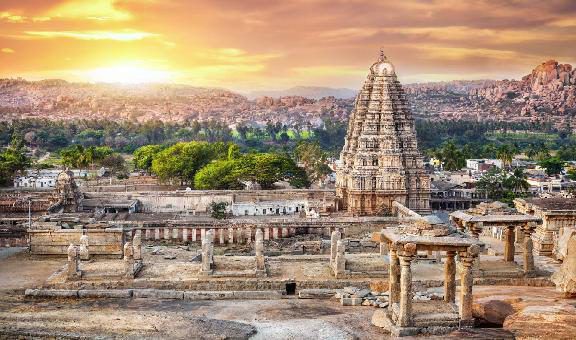
  • As I stepped off the dusty bus and onto the worn streets of Humbi, I couldn’t help but feel a sense of excitement and trepidation. This ancient city, hidden deep in the heart of Karnataka, India, was a mystery waiting to be unraveled.

    My journey began in the scorching heat of the Indian sun, as I navigated the narrow alleys and crumbling temples of Humbi. The air was thick with the scent of incense and the sounds of chanting priests, transporting me to a bygone era.

    As I explored the city, I stumbled upon the magnificent Shiva Temple, its intricate carvings and towering spire a testament to the ingenuity of the ancient craftsmen. The temple’s walls whispered secrets of a forgotten civilization, and I couldn’t help but feel a sense of awe and reverence.

    But Humbi held more than just ancient temples and mysterious ruins. As I delved deeper into the city, I discovered a thriving community of artisans and craftsmen, their skilled hands weaving magic into the intricate patterns and colors of their textiles.

    As the sun dipped below the horizon, casting a golden glow over the city, I realized that Humbi was more than just a forgotten city – it was a living, breathing testament to the ingenuity and creativity of the human spirit.

    Practical Information:

    • Location: Humbi, Karnataka, India
    • Best Time to Visit: October to February
    • Must-see Attractions: Shiva Temple, Jain Basadi, and the Humbi Fort

    Tips and Insights:

    • Be respectful of the local culture and traditions
    • Try the local cuisine, including the famous Humbi dosas
    • Explore the city’s many temples and ruins, but be prepared for the heat and crowds