• N’Golo Kanté’s journey to becoming one of the world’s top midfielders is a story of perseverance, hard work, and dedication. From his humble beginnings in Paris to his current status as a global football star, Kanté’s story is an inspiration to many.

    N’ Golo Kante

    Early Life and Career
    Kanté’s love for football began in the streets of Paris, where he played with friends and dreamed of becoming a professional player. His talent and determination eventually led him to Caen, where he made his professional debut.

    Rise to Prominence
    Kanté’s impressive performances at Caen caught the attention of Leicester City, who signed him in 2015. His tireless work rate and exceptional tackling helped the Foxes win the Premier League title in 2016, a feat considered one of the greatest in football history.

    Achievements and Legacy
    Kanté’s success with Leicester City led to a move to Chelsea FC, where he won numerous titles, including the Premier League and Champions League. He has also been instrumental in France’s World Cup-winning campaign.


    N’Golo Kanté’s story is a testament to the power of hard work, dedication, and perseverance. From his early days in Paris to his current status as a global football star, Kanté’s journey is an inspiration to football fans around the world.

  • In the still of a Vatican night, a solemn whisper echoed through marble halls: “Il Papa è morto” – The Pope is dead.

    As news of Pope Benedict XVI’s passing spread, a mysterious 9-day ritual unfolded. Let me guide you through the secretive ceremonies:

    Day 1-3: Chamber of Mourning

    • Cardinals gathered to certify death
    • Pope’s ring destroyed to prevent forged documents
    • Vatican seals broken to prevent interference

    Day 4: Funeral Announcement & Exposure

    • Official death announcement to the world
    • Pope’s body laid in state for public viewing
    • Swiss Guards stood watch, eyes fixed on the sea of mourners

    Day 5-8: Continuous Prayer & Preparation

    • Continuous prayer vigils in St. Peter’s
    • Cardinals prepared for secret conclave to elect new Pope
    • Pope’s body embalmed, dressed in ceremonial attire

    Day 9: Funeral Mass & Burial

    • Solemn funeral mass in St. Peter’s Square
    • Eulogies from world leaders and clergy
    • Pope laid to rest in Vatican crypts beneath St. Peter’s

    What fascinated you most about these secretive rituals?

  • The selection and appointment of a new Pope is a centuries-old tradition that is both fascinating and complex. The process, known as a conclave, brings together cardinals from around the world to choose the next leader of the Catholic Church.

    The Conclave Process

    • Secrecy and tradition: The conclave is a secretive process that takes place in the Sistine Chapel, where cardinals gather to pray and deliberate.
    • Voting and discernment: The cardinals participate in a series of votes, seeking guidance from the Holy Spirit to choose the next Pope.

    The Requirements

    • Cardinal electors: Only cardinals under the age of 80 are eligible to participate in the conclave.
    • Two-thirds majority: A candidate must receive two-thirds of the votes to be elected as the new Pope.

    The Announcement

    • Habemus Papam: The new Pope is announced to the world with the traditional Latin phrase “Habemus Papam,” meaning “We have a Pope.”

    Conclusion
    The selection and appointment of a new Pope is a significant event that brings together tradition, spirituality, and leadership. The conclave process is a testament to the enduring legacy of the Catholic Church and its commitment to spiritual guidance.
    [23/04, 7:41 am] Meta AI: “The Conclave: A Story of Spiritual Leadership and Tradition”

    The selection and appointment of a new Pope is a centuries-old tradition that is both fascinating and complex. The process, known as a conclave, brings together cardinals from around the world to choose the next leader of the Catholic Church.

    The Conclave Process

    • Secrecy and tradition: The conclave is a secretive process that takes place in the Sistine Chapel, where cardinals gather to pray and deliberate.
    • Voting and discernment: The cardinals participate in a series of votes, seeking guidance from the Holy Spirit to choose the next Pope.

    The Requirements

    • Cardinal electors: Only cardinals under the age of 80 are eligible to participate in the conclave.
    • Two-thirds majority: A candidate must receive two-thirds of the votes to be elected as the new Pope.

    The Announcement

    • Habemus Papam: The new Pope is announced to the world with the traditional Latin phrase “Habemus Papam,” meaning “We have a Pope.”


    The selection and appointment of a new Pope is a significant event that brings together tradition, spirituality, and leadership. The conclave process is a testament to the enduring legacy of the Catholic Church and its commitment to spiritual guidance.

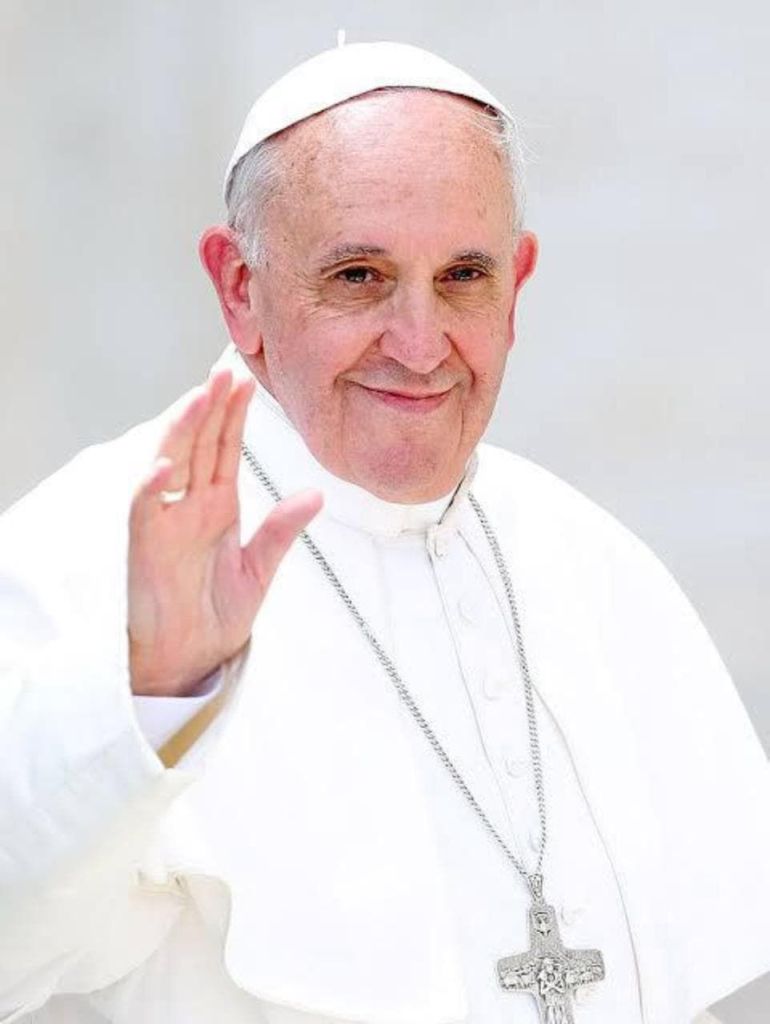
  • Pope Francis has been a beacon of hope and inspiration for millions around the world. His message of love, compassion, and mercy has resonated with people of all faiths and backgrounds.

    Pope Francis

    A Life of Service
    Pope Francis’s life has been marked by a deep commitment to serving others. From his early days as a Jesuit priest to his papacy, he has consistently advocated for the poor, the marginalized, and the environment.

    Key Messages

    • Mercy and compassion: Pope Francis has emphasized the importance of showing mercy and compassion to those in need.
    • Care for the environment: He has been a vocal advocate for protecting the environment and addressing climate change.
    • Inclusion and diversity: Pope Francis has promoted greater inclusion and diversity within the Church and society.

    Impact and Legacy
    Pope Francis’s message has inspired countless people around the world. His visits to different countries, speeches, and writings have sparked important conversations and reflections.

    Conclusion
    Pope Francis’s legacy is one of love, compassion, and service. His message continues to inspire and guide people of all faiths and backgrounds, encouraging us to build a more just and compassionate world.

  • The Easter egg is a beloved symbol of the Easter holiday, representing new life, renewal, and the joy of spring. But have you ever wondered where this tradition came from?

    The History of Easter Eggs

    • Ancient origins: Eggs have long been a symbol of fertility and new life in many cultures.
    • Christian significance: The Easter egg is often seen as a symbol of Jesus’ resurrection and the empty tomb.

    Decorating Easter Eggs

    • Traditional methods: From dyeing to painting, there are many ways to decorate Easter eggs.
    • Modern twists: Today, people get creative with stickers, glitter, and other embellishments.

    Easter Egg Traditions

    • Easter egg hunts: A fun activity for kids (and adults!) of all ages.
    • Easter baskets: Filled with decorated eggs, candy, and other treats.

    Conclusion
    The Easter egg is a timeless symbol of the Easter holiday, representing new life, joy, and celebration. Whether you’re decorating eggs, participating in Easter egg hunts, or simply enjoying time with loved ones, the Easter egg is a beloved part of the holiday tradition.

  • Easter is a time of celebration and reflection, marking the resurrection of Jesus Christ and the triumph of life over death. It’s a holiday that’s rich in tradition, symbolism, and joy.

    The Story of Easter
    According to Christian tradition, Jesus was crucified on Good Friday and buried in a tomb. On the third day, he rose from the dead, appearing to his disciples and proving his divinity.

    Easter Traditions

    • Easter eggs: Decorated eggs symbolize new life and renewal.
    • Easter baskets: Children often receive baskets filled with candy and treats.
    • Family gatherings: Easter is a time for families and friends to come together.

    The Meaning of Easter
    Easter is a celebration of hope, renewal, and the promise of eternal life. It’s a time to reflect on the significance of Jesus’ resurrection and its impact on our lives.

    Practical Information

    • Date: Easter is celebrated on a Sunday in March or April, varying in date each year.
    • Traditions: Easter eggs, Easter baskets, and family gatherings are just a few of the many traditions associated with this holiday.


    Easter is a joyous celebration that brings people together and inspires hope and renewal. Whether you’re celebrating with family, friends, or community, Easter is a time to come together and rejoice in the spirit of the season.

  • The Amazon Forest, often referred to as the “lungs of the Earth,” is a vast and mysterious region that has captivated explorers, scientists, and nature lovers for centuries. Spanning across nine countries in South America, this incredible ecosystem is home to an unparalleled array of biodiversity.

    The Amazon’s Unique Features

    • Biodiversity hotspot: The Amazon is home to 10% of the world’s known plant and animal species.
    • Indigenous communities: Many indigenous tribes have lived in harmony with the forest for thousands of years.
    • Carbon sequestration: The Amazon plays a critical role in regulating the Earth’s climate.

    Exploring the Amazon

    • Wildlife encounters: From majestic jaguars to colorful macaws, the Amazon is a wildlife enthusiast’s paradise.
    • River adventures: The Amazon River and its tributaries offer opportunities for boat tours, fishing, and kayaking.
    • Cultural experiences: Visitors can learn about the traditions and ways of life of indigenous communities.

    Practical Information

    • Location: The Amazon Forest spans across nine countries in South America, including Brazil, Peru, Colombia, and Ecuador.
    • Size: The Amazon Forest covers an area of approximately 5.5 million square kilometers.


    The Amazon Forest is a natural wonder that continues to inspire and awe people around the world. By exploring and learning about this incredible ecosystem, we can gain a deeper appreciation for the importance of preserving our planet’s natural treasures.

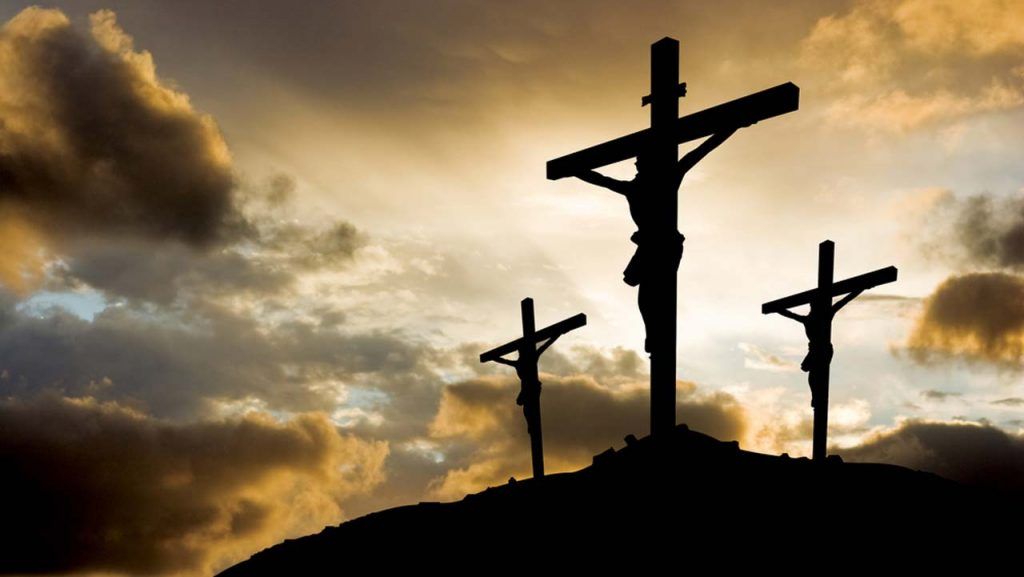
  • Good Friday is a day of profound significance in the Christian faith, commemorating the crucifixion and death of Jesus Christ. It is a time for reflection, prayer, and contemplation, as believers around the world honor the ultimate sacrifice made by Jesus for humanity’s salvation.

    The Events of Good Friday
    According to the New Testament, Jesus was betrayed by Judas Iscariot, arrested by the Roman authorities, and sentenced to death by crucifixion. As he hung on the cross, Jesus forgave his tormentors and entrusted his mother to his disciple John.

    The Meaning of Good Friday
    Good Friday is a day of sorrow and reflection, but it is also a reminder of God’s love and mercy. The sacrifice of Jesus is seen as a demonstration of God’s willingness to forgive humanity’s sins and offer redemption.

    Observing Good Friday
    Many Christians observe Good Friday through:

    • Fasting and prayer: Devoting time to spiritual reflection and contemplation
    • Church services: Attending special services and ceremonies to commemorate the occasion
    • Acts of charity: Engaging in acts of kindness and generosity to reflect the values of compassion and forgiveness

    Practical Information

    • Date: Good Friday is observed on the Friday before Easter Sunday, varying in date each year.
    • Significance: It commemorates the crucifixion and death of Jesus Christ.


    Good Friday is a powerful reminder of the significance of sacrifice, forgiveness, and redemption. As believers reflect on the events of this day, they are encouraged to deepen their faith and strive to live according to the teachings of Jesus.

  • Mesopotamia, the land between the Tigris and Euphrates rivers, is a region steeped in history and intrigue. This ancient civilization has captivated historians, archaeologists, and enthusiasts alike, offering a glimpse into the dawn of human progress.

    The Birthplace of Cities
    Mesopotamia is often referred to as the “cradle of civilization” due to its role in the development of urban centers. The Sumerians, Akkadians, Babylonians, and Assyrians all contributed to the growth and prosperity of this region.

    Innovations and Achievements
    Mesopotamia was a hotbed of innovation, with significant contributions to:

    • Writing: The invention of cuneiform, one of the earliest forms of writing
    • Agriculture: The development of irrigation systems and crop rotation
    • Architecture: The construction of ziggurats, temples, and palaces

    Cultural Significance
    Mesopotamia’s cultural legacy extends far beyond its geographical boundaries. The Epic of Gilgamesh, one of the earliest surviving works of literature, originated in this region.

    Practical Information

    • Location: Mesopotamia corresponds to modern-day Iraq, Kuwait, and parts of Syria, Turkey, and Iran.
    • Timeline: The Mesopotamian civilization flourished from around 4500 BCE to 539 BCE.


    Mesopotamia’s story is a testament to human ingenuity, creativity, and perseverance. As we continue to uncover the secrets of this ancient civilization, we are reminded of the importance of preserving our cultural heritage and learning from the past.

  • The Bolsheviks were a radical left-wing political party that played a pivotal role in shaping the course of Russian history. Led by Vladimir Lenin, they seized power in 1917 and went on to establish the world’s first socialist state.

    The Rise of the Bolsheviks
    The Bolsheviks emerged in the early 20th century, amidst growing discontent with the Russian monarchy and the country’s socio-economic conditions. Lenin’s leadership and ideology attracted many who were dissatisfied with the status quo.

    The October Revolution
    In October 1917, the Bolsheviks staged a successful revolution, overthrowing the provisional government and seizing power. This marked a turning point in Russian history, as the Bolsheviks began to implement their vision for a socialist society.

    Impact and Legacy
    The Bolsheviks’ impact on Russia and the world was profound. They:

    • Established a socialist state: The Bolsheviks created a new political and economic system that would serve as a model for other countries.
    • Implemented radical policies: The Bolsheviks introduced policies such as nationalization, land redistribution, and workers’ control, which aimed to create a more equal society.
    • Inspired global revolution: The Bolsheviks’ success inspired socialist and communist movements around the world, shaping international politics and ideology.

    Practical Information

    • Leader: Vladimir Lenin
    • Founded: 1903
    • Key event: October Revolution (1917)


    The Bolsheviks’ story is one of revolution, ideology, and transformation. Their impact on history continues to be felt, and their legacy remains a subject of debate and discussion. Whether seen as heroes or villains, the Bolsheviks played a pivotal role in shaping the modern world.