• A Life of Courage and Conviction
    Golda Meir, one of the most influential women in Israeli history, defied convention and broke barriers throughout her life. Born in 1898 in Kiev, Russia, Golda Meir’s early life was marked by poverty and hardship. However, she rose above these challenges to become one of the most prominent leaders in Israeli politics.

    Golda Meir

    The Journey to Leadership
    Golda Meir’s journey to leadership was not an easy one. She faced numerous obstacles, including poverty, sexism, and anti-Semitism. Despite these challenges, she remained determined and focused on her goals. Her leadership skills and charisma eventually earned her the respect and admiration of her peers.

    A Legacy of Strength and Resilience
    Golda Meir’s legacy is one of strength, resilience, and determination. She served as Israel’s fourth Prime Minister from 1969 to 1974 and played a crucial role in shaping the country’s early years. Her leadership during the Yom Kippur War earned her international recognition and respect.


    Golda Meir’s life is a testament to the power of courage, conviction, and determination. Her legacy continues to inspire people around the world, and her contributions to Israeli politics remain unparalleled. By learning from her life and experiences, we can gain valuable insights into leadership, resilience, and the importance of standing up for what we believe in.
  • In the heart of the Cold War, behind the iron curtain, an empire of spies moved like ghosts—silent, unseen, and powerful. This was the Komitet Gosudarstvennoy Bezopasnosti, better known as the KGB, the Soviet Union’s most feared secret intelligence agency.

    The Birth of the Invisible Watchers

    It was 1954. The Soviet Union, locked in a deadly chess match with the West, needed an organization that could control information, dismantle enemies, and protect its own secrets. Thus, the KGB emerged—an institution so formidable that its presence lingered in every Soviet citizen’s mind like an unspoken warning.

    Masters of Espionage

    KGB operatives were not mere spies; they were architects of deception. Disguises, double agents, psychological manipulation—these were their weapons. Their influence stretched beyond the USSR, infiltrating governments, businesses, and even ordinary lives. Some vanished mysteriously, others defected, carrying whispered truths to rival nations.

    Cold War Operations: The Silent Battles

    The KGB orchestrated some of the most daring intelligence operations in history. Here are a few of their most infamous missions:

    Operation RYAN

    In the 1980s, Soviet leaders feared a surprise nuclear attack from the U.S. To counter this, the KGB launched Operation RYAN, a massive intelligence effort to monitor Western military movements and detect signs of an impending strike. Agents were embedded deep within NATO countries, tracking missile sites, military exercises, and even political rhetoric.

    Operation Toucan

    The KGB was a master of disinformation. In Operation Toucan, Soviet intelligence worked alongside Cuban operatives to manipulate global media against Chilean leader Augusto Pinochet. They forged documents, planted false stories, and influenced major newspapers to tarnish Pinochet’s reputation, proving that propaganda could be as powerful as bullets.

    The KGB vs. Hezbollah

    In 1985, Hezbollah kidnapped four Soviet diplomats in Beirut. The KGB responded with ruthless efficiency. They tracked down the kidnappers, eliminated key figures, and sent a chilling message: Soviet operatives were not to be trifled with. The hostages were released soon after, marking one of the most aggressive rescue missions in Cold War history.

    The Fall and Legacy

    As the Soviet Union crumbled in 1991, so did the KGB. But did it truly vanish? Or did its spirit live on in the corridors of modern intelligence agencies? Today, remnants of its techniques linger in Russia’s FSB, shaping global espionage in ways unseen.

    The KGB was more than an agency—it was an enigma, a legend, a force that shaped the world in ways history still struggles to uncover.

  • Genocide is a word that evokes images of unimaginable horror and suffering. It’s a term that has been used to describe some of the darkest moments in human history.

    What is Genocide?
    Genocide is the systematic and intentional destruction of a group of people based on their nationality, ethnicity, religion, or other characteristics. It’s a crime against humanity that seeks to erase entire communities and cultures.

    The Impact of Genocide
    Genocide leaves deep scars on individuals, communities, and societies. The trauma and pain caused by such atrocities can last for generations, making it challenging for people to rebuild their lives.

    Examples of Genocide
    There have been several instances of genocide throughout history, including the Holocaust, the Rwandan Genocide, and the Armenian Genocide. Each of these events has its own unique story and impact.


    Genocide is a stark reminder of the darkest aspects of human nature. By understanding its impact and learning from history, we can work towards creating a more compassionate and just world.

    Get Involved

    • Learn about genocide: Educate yourself about the history and impact of genocide.
    • Support affected communities: Donate to organizations that help survivors and affected communities.
    • Advocate for human rights: Promote human rights and dignity for all individuals and communities.
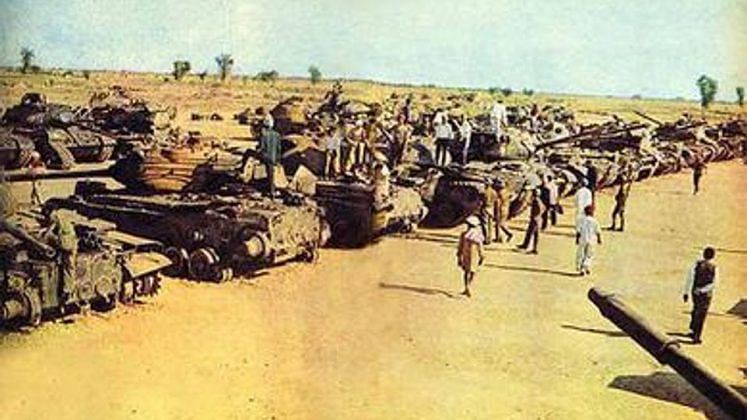
  • The 1965 Indo-Pak War was a defining moment in the history of both India and Pakistan. The war was a testament to the bravery, sacrifice, and resilience of the soldiers who fought on both sides.

    The Background
    The 1965 war was sparked by a series of skirmishes and tensions between India and Pakistan, particularly over the disputed region of Kashmir. The conflict escalated into a full-scale war, with both countries engaging in fierce battles.

    The War
    The war saw several key battles, including the Battle of Asal Uttar, the Battle of Burki, and the Battle of Chawinda. Indian soldiers displayed remarkable courage and strategic brilliance, ultimately leading to a ceasefire.

    The Aftermath
    The war ended with a ceasefire on September 23, 1965. The Tashkent Agreement, signed in 1966, formally ended the conflict. The war had a profound impact on both countries, shaping their future and relations.


    The 1965 Indo-Pak War was a pivotal moment in the history of both nations. The bravery and sacrifice of the soldiers who fought in the war will always be remembered and honored.

    Get Inspired

    • Learn about the war: Explore the history and significance of the 1965 Indo-Pak War.
    • Honor the soldiers: Pay tribute to the brave soldiers who fought and sacrificed their lives.
    • Promote peace: Strive for peace and understanding between nations, recognizing the devastating impact of war.
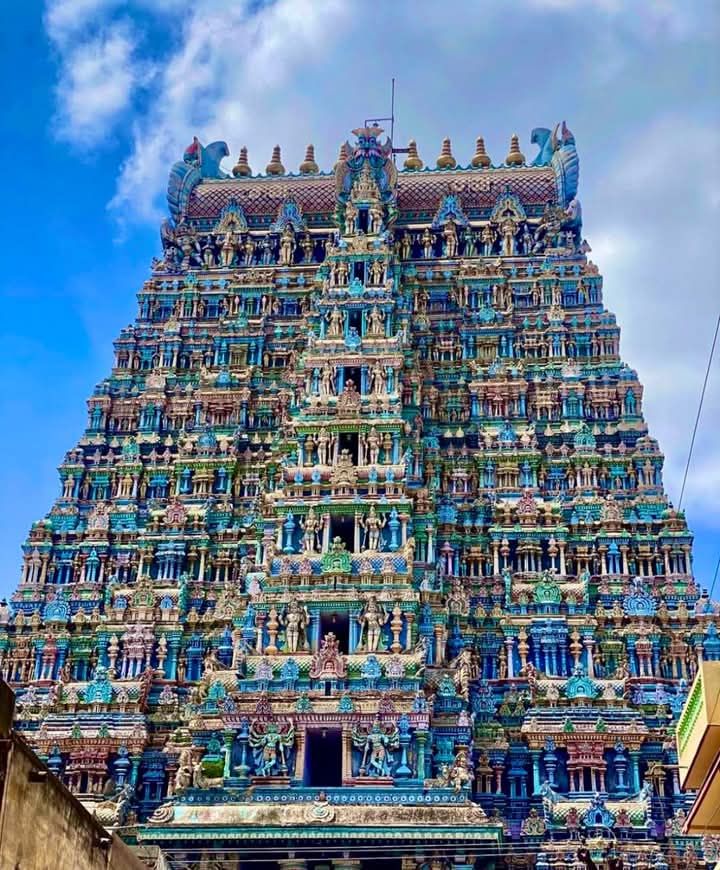
  • Madurai, a city steeped in history and spirituality, is a treasure trove of ancient temples, vibrant culture, and rich traditions. Located on the banks of the Vaigai River, Madurai has been a center of worship, art, and learning for centuries.

    A City of Temples
    Madurai is home to some of India’s most iconic temples, including the Meenakshi Amman Temple, a masterpiece of Dravidian architecture. The city’s temples are not just places of worship but also repositories of art, culture, and history.

    Madurai Meenakshi Amman Kovil

    A Rich Cultural Heritage
    Madurai’s cultural heritage is a reflection of its rich history, with influences from the Pandya dynasty, the Vijayanagara Empire, and the Nayaka rulers. The city’s music, dance, and art forms are a testament to its vibrant cultural landscape.

    A City of Festivals
    Madurai comes alive during its festivals, with the Chithirai Festival being one of the most prominent. The city’s festivals are a celebration of its rich cultural heritage and spiritual traditions.


    Madurai is a city that seamlessly blends tradition and modernity, offering a unique experience for visitors. Its temples, culture, and festivals make it a must-visit destination for anyone interested in exploring India’s rich heritage.

    Get Inspired

    • Visit Madurai’s temples: Explore the city’s iconic temples and experience its spiritual energy.
    • Immerse in local culture: Attend a festival or cultural event to experience Madurai’s vibrant culture.
    • Discover local cuisine: Try Madurai’s unique cuisine, which reflects its rich cultural heritage.
  • The Dronacharya Award, one of India’s highest honors for coaches, is a testament to the country’s rich tradition of recognizing and rewarding excellence in sports coaching. This prestigious award has been conferred upon numerous coaches who have made significant contributions to the development of athletes and sports in India.

    A Legacy of Mentorship
    The Dronacharya Award has a long history of honoring outstanding coaches who have demonstrated exceptional dedication, passion, and commitment to their athletes. From athletics to wrestling, hockey to cricket, the award has recognized the achievements of coaches from diverse sports disciplines.

    Stories of Inspiration
    The Dronacharya Award has been awarded to many remarkable coaches who have inspired generations of athletes. For instance, coaches like P.A. Raphel, a renowned hockey coach, have shown how effective mentorship can lead to extraordinary achievements.

    The Significance of the Award
    The Dronacharya Award is more than just an award; it’s a celebration of the impact that coaches can have on athletes and sports. It encourages others to strive for similar greatness and inspires a sense of pride and admiration for the awardees.


    The Dronacharya Award is a shining example of how India recognizes and rewards excellence in sports coaching. The stories of its recipients serve as a reminder that with dedication, passion, and effective mentorship, athletes can achieve greatness and make a lasting impact on the world.

    Get Inspired

    • Learn about the recipients: Explore the stories of Dronacharya Award awardees and their contributions.
    • Appreciate the role of coaches: Recognize the impact that coaches can have on athletes and sports.
    • Strive for excellence: Let the Dronacharya Award inspire you to pursue your passions and strive for greatness.

  • The Arjuna Award, one of India’s highest sporting honors, is a testament to the country’s rich tradition of recognizing and rewarding excellence in sports. This prestigious award has been conferred upon numerous athletes who have made significant contributions to their respective sports, inspiring generations to strive for greatness.

    A Legacy of Excellence
    The Arjuna Award has a long history of honoring outstanding athletes who have demonstrated exceptional dedication, passion, and commitment to their sport. From cricket to hockey, athletics to wrestling, the award has recognized the achievements of athletes from diverse backgrounds and sports.

    Stories of Inspiration
    The Arjuna Award has been awarded to many remarkable athletes who have inspired others with their achievements. For instance, recipients like Sachin Tendulkar, a cricket legend, have shown how dedication and hard work can lead to extraordinary achievements.

    The Significance of the Award
    The Arjuna Award is more than just an award; it’s a celebration of excellence and a recognition of the impact that athletes can have on society. It encourages others to strive for similar greatness and inspires a sense of pride and admiration for the awardees.


    The Arjuna Award is a shining example of how India recognizes and rewards excellence in sports. The stories of its recipients serve as a reminder that with dedication, passion, and hard work, anyone can achieve greatness and make a lasting impact on the world.

    Get Inspired

    • Learn about the recipients: Explore the stories of Arjuna Award awardees and their contributions.
    • Strive for excellence: Let the Arjuna Award inspire you to pursue your passions and strive for greatness.
    • Celebrate achievements: Recognize and celebrate the achievements of others, just like the Arjuna Award does.
  • The Bharat Ratna, India’s highest civilian award, is a testament to the country’s rich tradition of recognizing and rewarding excellence. This prestigious award has been conferred upon numerous individuals who have made significant contributions to their respective fields, inspiring generations to strive for greatness.

    A Legacy of Excellence
    The Bharat Ratna has a long history of honoring outstanding individuals who have demonstrated exceptional dedication, passion, and commitment to their work. From scientists to artists, athletes to activists, the award has recognized the achievements of people from diverse backgrounds and fields.

    Stories of Inspiration
    The Bharat Ratna has been awarded to many remarkable individuals who have inspired others with their work. For instance, recipients like Dr. APJ Abdul Kalam, a renowned scientist and former President of India, have shown how dedication and hard work can lead to extraordinary achievements.

    The Significance of the Award
    The Bharat Ratna is more than just an award; it’s a celebration of excellence and a recognition of the impact that individuals can have on society. It encourages others to strive for similar greatness and inspires a sense of pride and admiration for the awardees.


    The Bharat Ratna is a shining example of how India recognizes and rewards excellence. The stories of its recipients serve as a reminder that with dedication, passion, and hard work, anyone can achieve greatness and make a lasting impact on the world.

    Get Inspired

    • Learn about the recipients: Explore the stories of Bharat Ratna awardees and their contributions.
    • Strive for excellence: Let the Bharat Ratna inspire you to pursue your passions and strive for greatness.
    • Celebrate achievements: Recognize and celebrate the achievements of others, just like the Bharat Ratna does.
  • The Padma Bhushan, one of India’s highest civilian honors, is a testament to the country’s rich tradition of recognizing and rewarding excellence. This prestigious award has been conferred upon numerous individuals who have made significant contributions to their respective fields, inspiring generations to strive for greatness.

    A Legacy of Excellence
    The Padma Bhushan has a long history of honoring outstanding individuals who have demonstrated exceptional dedication, passion, and commitment to their work. From artists to scientists, athletes to activists, the award has recognized the achievements of people from diverse backgrounds and fields.

    Stories of Inspiration
    The Padma Bhushan has been awarded to many remarkable individuals who have inspired others with their work. For instance, recipients like Dr. APJ Abdul Kalam, a renowned scientist and former President of India, have shown how dedication and hard work can lead to extraordinary achievements.

    The Significance of the Award
    The Padma Bhushan is more than just an award; it’s a celebration of excellence and a recognition of the impact that individuals can have on society. It encourages others to strive for similar greatness and inspires a sense of pride and admiration for the awardees.


    The Padma Bhushan is a shining example of how India recognizes and rewards excellence. The stories of its recipients serve as a reminder that with dedication, passion, and hard work, anyone can achieve greatness and make a lasting impact on the world.

    Get Inspired

    • Learn about the recipients: Explore the stories of Padma Bhushan awardees and their contributions.
    • Strive for excellence: Let the Padma Bhushan inspire you to pursue your passions and strive for greatness.
    • Celebrate achievements: Recognize and celebrate the achievements of others, just like the Padma Bhushan does.
  • The Padma Shri, one of India’s highest civilian honors, is a testament to the country’s rich tradition of recognizing and rewarding excellence. This prestigious award has been conferred upon numerous individuals who have made significant contributions to their respective fields, inspiring generations to strive for greatness.

    A Legacy of Excellence
    The Padma Shri has a long history of honoring outstanding individuals who have demonstrated exceptional dedication, passion, and commitment to their work. From artists to scientists, athletes to activists, the award has recognized the achievements of people from diverse backgrounds and fields.

    Stories of Inspiration
    The Padma Shri has been awarded to many remarkable individuals who have inspired others with their work. For instance, recipients like Dr. APJ Abdul Kalam, a renowned scientist and former President of India, have shown how dedication and hard work can lead to extraordinary achievements.

    The Significance of the Award
    The Padma Shri is more than just an award; it’s a celebration of excellence and a recognition of the impact that individuals can have on society. It encourages others to strive for similar greatness and inspires a sense of pride and admiration for the awardees.


    The Padma Shri is a shining example of how India recognizes and rewards excellence. The stories of its recipients serve as a reminder that with dedication, passion, and hard work, anyone can achieve greatness and make a lasting impact on the world.

    Get Inspired

    • Learn about the recipients: Explore the stories of Padma Shri awardees and their contributions.
    • Strive for excellence: Let the Padma Shri inspire you to pursue your passions and strive for greatness.
    • Celebrate achievements: Recognize and celebrate the achievements of others, just like the Padma Shri does.