• A Land of Rich History
    Sindh Province, located in the southeastern region of Pakistan, is a treasure trove of history, culture, and natural beauty. From the ancient Indus Valley Civilization to the modern-day metropolis of Karachi, Sindh has a story to tell.

    Cultural Heritage

    • Sindhi Music and Dance: The province is known for its vibrant music and dance, with traditional folk songs and energetic dance performances.
    • Cuisine: Sindhi cuisine is a delicious blend of flavors, with popular dishes like Sindhi biryani, sindhi kari, and kebabs.

    Natural Wonders

    • Indus River: The Indus River flows through Sindh, providing a lifeline for the province’s agriculture and economy.
    • Karachi’s Beaches: Karachi, the provincial capital, is home to some of Pakistan’s most beautiful beaches, including Clifton Beach and Sandspit Beach.

    Historical Landmarks

    • Mohenjo-Daro: The ancient city of Mohenjo-Daro, a UNESCO World Heritage Site, is a testament to the region’s rich history and cultural heritage.
    • Mazar-e-Quaid: The Mazar-e-Quaid, the mausoleum of Pakistan’s founder, Muhammad Ali Jinnah, is a significant historical landmark in Karachi.


    Sindh Province is a hidden gem waiting to be explored. With its rich history, vibrant culture, and natural beauty, Sindh has something to offer for every kind of traveler. Whether you’re interested in history, culture, or adventure, Sindh is a destination that will leave you spellbound.

  • A Humble Beginning
    In the 1970s, Amancio Ortega and Rosalía Mera, a Spanish couple, embarked on a journey to create a unique fashion brand. Their vision was to provide high-quality, stylish clothing at affordable prices. Thus, ZARA was born.

    The ZARA Difference

    • Fast Fashion: ZARA’s business model revolutionized the fashion industry with its fast-fashion approach, quickly responding to changing trends and customer demands.
    • Design and Quality: The brand’s focus on design, quality, and attention to detail has made it a favorite among fashion enthusiasts worldwide.

    Global Expansion

    • From Local to Global: ZARA expanded from a single store in Spain to a global brand with thousands of stores across the world.
    • Cultural Adaptation: The brand has successfully adapted to diverse cultural contexts, offering a unique blend of global styles and local tastes.

    Sustainability and Innovation

    • Sustainable Practices: ZARA has implemented various sustainable practices, such as reducing waste and using eco-friendly materials, to minimize its environmental impact.
    • Digital Innovation: The brand has embraced digital innovation, offering online shopping and using data analytics to enhance customer experience.

    The ZARA Experience

    • Store Experience: ZARA’s stores are designed to provide an immersive shopping experience, with beautifully designed spaces and attentive customer service.
    • Customer Loyalty: The brand has built a loyal customer base by consistently delivering high-quality products and staying ahead of fashion trends.


    ZARA’s story is a testament to the power of innovation, adaptability, and customer-centricity. From its humble beginnings to its global success, the brand continues to inspire and influence the fashion industry.

  • A Dream of Cooperation
    In the heart of South Asia, a vision emerged – to bring together nations in a spirit of cooperation and friendship. The South Asian Association for Regional Cooperation (SAARC) was born out of this dream, with the aim of fostering economic, social, and cultural ties among its member states.

    The Journey Begins
    On December 8, 1985, seven nations – Bangladesh, Bhutan, India, Maldives, Nepal, Pakistan, and Sri Lanka – came together to form SAARC. Later, Afghanistan joined the organization, further strengthening regional ties.

    Achievements and Milestones

    • Trade and Economic Cooperation: SAARC has facilitated trade and economic cooperation among its member states, promoting regional growth and development.
    • Social and Cultural Exchange: The organization has promoted social and cultural exchange, fostering greater understanding and people-to-people contact among nations.
    • Regional Initiatives: SAARC has launched various regional initiatives, including programs on poverty alleviation, health, and education.

    Challenges and Opportunities

    • Regional Cooperation: SAARC has faced challenges in achieving regional cooperation, but it continues to strive for greater collaboration and mutual understanding.
    • Economic Growth: The organization has opportunities to promote economic growth and development in the region, leveraging the diverse strengths of its member states.

    A Brighter Future
    As SAARC continues to work towards its goals, it remains a beacon of hope for regional cooperation and development. With its diverse member states and rich cultural heritage, SAARC is poised to play a significant role in shaping the future of South Asia.

  • A Land of Contrasts
    North Korea, a country shrouded in mystery, is a land of stark contrasts. From the bustling streets of Pyongyang to the serene landscapes of Mount Paektu, North Korea is a nation that is both fascinating and enigmatic.

    A Glimpse into Daily Life

    • Morning Routine: In North Korea, the day begins with a ritualistic routine, where citizens gather to sing patriotic songs and praise the leadership.
    • Work and Leisure: People work in various industries, from agriculture to manufacturing, and enjoy leisure activities like watching state-approved films and participating in group sports.

    Cultural Heritage

    • Traditional Music and Dance: North Korea has a rich cultural heritage, with traditional music and dance playing an important role in national celebrations and events.
    • Cuisine: North Korean cuisine is a unique blend of flavors, with popular dishes like naengmyeon (cold noodles) and kimchi.

    Tourism and Exploration

    • Mount Kumgang: This scenic mountain range is a popular tourist destination, known for its stunning natural beauty and serene lakes.
    • Pyongyang Landmarks: The capital city is home to several iconic landmarks, including the Juche Tower and the Mansudae Grand Monument.


    North Korea is a country that is both captivating and complex. From its stunning landscapes to its unique cultural heritage, there is much to discover about this enigmatic nation. Whether you’re interested in history, culture, or politics, North Korea has something to offer.

  • A Dream Takes Shape
    In the heart of India’s space agency, ISRO, a team of scientists and engineers had a dream – to explore the moon. The Chandrayaan mission was born out of this dream, with a vision to uncover the secrets of the lunar surface.

    The Journey Begins
    On October 22, 2008, Chandrayaan-1 launched from the Satish Dhawan Space Centre, carrying with it the hopes and aspirations of a nation. The spacecraft embarked on its 384,000-kilometer journey to the moon, equipped with state-of-the-art instruments and a team of experts monitoring its every move.

    Discoveries and Achievements

    • Water on the Moon: Chandrayaan-1 made a groundbreaking discovery – the presence of water on the lunar surface. This finding opened up new avenues for research and exploration.
    • Mapping the Moon: The spacecraft created detailed maps of the moon’s surface, providing valuable insights into its geology and composition.

    A Legacy Continues
    The success of Chandrayaan-1 paved the way for future lunar missions, including Chandrayaan-2 and Chandrayaan-3. Each mission built upon the discoveries of the previous one, pushing the boundaries of our understanding of the moon.

    Inspiring a Nation
    The Chandrayaan mission has inspired a generation of Indians to pursue careers in science, technology, engineering, and mathematics (STEM). It has shown that with determination and hard work, even the most ambitious goals can be achieved.


    The story of Chandrayaan is a testament to India’s growing prowess in space exploration. As we continue to push the boundaries of space research, we are reminded of the power of human ingenuity and the importance of pursuing our dreams.

  • A City Steeped in History
    Hyderabad, the capital of Telangana, is a city that seamlessly blends tradition with modernity. Founded in 1591 by Muhammad Quli Qutb Shah, the city has a rich history that is reflected in its architecture, culture, and cuisine.

    The Charm of Old Hyderabad

    • Charminar: This iconic monument is a symbol of Hyderabad’s rich history and cultural heritage. Built in 1591, Charminar is a stunning example of Mughal architecture.
    • Laad Bazaar: This bustling marketplace is a shopper’s paradise, offering a wide range of traditional goods, including pearls, bangles, and intricate handicrafts.

    A City of Contrasts

    • Modern Hyderabad: The city is home to several modern landmarks, including the HITEC City, which is a hub for IT companies and startups.
    • Traditional Cuisine: Hyderabad is famous for its delicious cuisine, which is a blend of Mughal, Persian, and local flavors. From biryani to haleem, the city offers a culinary experience like no other.

    Cultural Heritage

    • Festivals and Celebrations: Hyderabad is known for its vibrant cultural scene, with festivals like Bonalu, Bathukamma, and Eid being celebrated with great fervor.
    • Arts and Crafts: The city is home to several traditional arts and crafts, including Bidriware, Chintz, and Kalamkari.


    Hyderabad is a city that has something for everyone. From its rich history and cultural heritage to its modern architecture and delicious cuisine, the city is a must-visit destination for anyone interested in exploring the beauty and diversity of India. Whether you’re a history buff, a foodie, or a shopaholic, Hyderabad is sure to leave you enchanted.

  • A Mysterious Legend
    In the world of fast food, few brands are as iconic as McDonald’s. However, hidden within the company’s history is a peculiar tale – the story of the “Cursed Bench.”

    The Story Behind the Bench
    The legend claims that Osaki, a Japanese businessman, visited McDonald’s headquarters in the United States. After being rejected by the company, Osaki, in a fit of rage, placed a curse on the bench where he sat.

    The Curse Takes Hold
    According to the legend, anyone who sits on the bench will never work at McDonald’s again. The story has become a cautionary tale, with some claiming it’s a reason why certain individuals didn’t get hired or had their careers derailed.

    Separating Fact from Fiction
    While the story is intriguing, there’s no concrete evidence to support the existence of the curse. Nevertheless, the legend has become an entertaining piece of McDonald’s folklore.


    The “Cursed Bench” story might be more myth than reality, but it’s a fascinating glimpse into the power of storytelling and urban legends. Whether you believe in the curse or not, it’s undeniable that the tale has captured the imagination of many.

  • A Humble Beginning
    In the late 20th century, Lohia Machines Limited (LML) emerged as a prominent player in the Indian two-wheeler market. Founded in 1972, LML started its journey with a vision to provide affordable and reliable transportation to the masses.

    Partnership with Piaggio
    LML’s partnership with Piaggio, the iconic Italian scooter manufacturer, catapulted the company to success. The LML Vespa brand became synonymous with style, reliability, and performance.

    Rise to Fame
    LML’s popularity soared in the 1990s, with its scooters becoming a favorite among Indian consumers. The company’s innovative designs, robust manufacturing, and competitive pricing helped it gain a significant market share.

    Challenges and Decline
    However, LML’s fortunes began to decline in the early 2000s due to increased competition, changing market trends, and financial struggles. Despite efforts to revive the brand, LML eventually ceased production.

    Legacy and Revival
    Although LML is no longer a dominant player, its legacy lives on. The brand’s nostalgia and loyal customer base have sparked interest in reviving the company.


    The story of LML serves as a reminder of the ever-changing landscape of the automotive industry. As the market continues to evolve, it’s essential for companies to adapt and innovate to stay ahead.

  • A Journey to the Heart of Pakistan’s Nuclear Power
    In the rolling hills of Punjab, Pakistan, lies a facility that has been shrouded in mystery and intrigue for decades. The Kahuta Nuclear Plant, also known as the Khan Research Laboratories (KRL), has been a subject of fascination for many. Let’s embark on a journey to uncover the story behind this nuclear powerhouse.

    The Birth of a Nuclear Program
    In the 1970s, Pakistan’s nuclear program was born out of necessity. The country’s scientists and engineers, led by the visionary Dr. Abdul Qadeer Khan, worked tirelessly to develop a nuclear deterrent. The Kahuta Nuclear Plant was a crucial part of this endeavor.

    A Symbol of Scientific Prowess
    The Kahuta Nuclear Plant represents Pakistan’s scientific capabilities and its commitment to harnessing nuclear energy for peaceful purposes. The facility has been a hub for research and development, attracting top talent from across the country.

    A Complex Legacy
    The Kahuta Nuclear Plant’s legacy is complex and multifaceted. While it has contributed significantly to Pakistan’s nuclear program, it has also raised concerns about nuclear proliferation and security.


    The Kahuta Nuclear Plant is a testament to Pakistan’s scientific prowess and its determination to harness nuclear energy. As we look to the future, it’s essential to acknowledge the complexities surrounding nuclear power and strive for a more nuanced understanding of its role in our world.

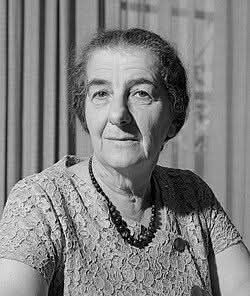
  • A Life of Courage and Conviction
    Golda Meir, one of the most influential women in Israeli history, defied convention and broke barriers throughout her life. Born in 1898 in Kiev, Russia, Golda Meir’s early life was marked by poverty and hardship. However, she rose above these challenges to become one of the most prominent leaders in Israeli politics.

    Golda Meir

    The Journey to Leadership
    Golda Meir’s journey to leadership was not an easy one. She faced numerous obstacles, including poverty, sexism, and anti-Semitism. Despite these challenges, she remained determined and focused on her goals. Her leadership skills and charisma eventually earned her the respect and admiration of her peers.

    A Legacy of Strength and Resilience
    Golda Meir’s legacy is one of strength, resilience, and determination. She served as Israel’s fourth Prime Minister from 1969 to 1974 and played a crucial role in shaping the country’s early years. Her leadership during the Yom Kippur War earned her international recognition and respect.


    Golda Meir’s life is a testament to the power of courage, conviction, and determination. Her legacy continues to inspire people around the world, and her contributions to Israeli politics remain unparalleled. By learning from her life and experiences, we can gain valuable insights into leadership, resilience, and the importance of standing up for what we believe in.