• In a world where economies are intricately connected, the International Monetary Fund (IMF) plays a vital role in maintaining global economic stability. Imagine a guardian that watches over the financial health of nations, providing guidance and support to help them navigate the complex web of international trade and finance. That’s precisely what the IMF does.

    The Birth of the IMF

    The IMF was born out of the ashes of World War II, when the global economy was in shambles. In 1944, world leaders gathered at Bretton Woods, New Hampshire, to create a new international monetary order. The IMF was established to promote global economic cooperation, exchange rate stability, and to prevent competitive devaluations.

    How the IMF Works

    The IMF provides financial assistance to countries facing economic challenges, such as balance of payments difficulties or debt crises. In return, the IMF requires these countries to implement economic reforms aimed at stabilizing their economies and promoting growth. The IMF also conducts research and analysis on global economic trends, providing valuable insights for policymakers and economists.

    The IMF’s Role in Crisis Management

    The IMF has played a crucial role in managing economic crises around the world. From the Asian financial crisis of the late 1990s to the European sovereign debt crisis, the IMF has provided financial support and policy guidance to help countries navigate these challenging situations.

    The IMF’s Impact on Global Economic Stability

    The IMF’s work has a significant impact on global economic stability. By providing financial support and policy guidance, the IMF helps countries maintain economic stability, promote growth, and reduce poverty. The IMF’s research and analysis also inform policymakers and economists, helping them make more informed decisions.

    The IMF’s Future Role

    As the global economy continues to evolve, the IMF must adapt to new challenges and opportunities. The rise of emerging markets, the increasing importance of global value chains, and the growing need for sustainable development are just a few of the issues that the IMF will need to address in the years to come.

    The IMF plays a vital role in maintaining global economic stability, providing financial assistance and policy guidance to countries in need. Its work has a significant impact on the lives of millions of people around the world, and its continued relevance will depend on its ability to adapt to the changing global economic landscape. By understanding the IMF’s role and functions, we can better appreciate the importance of global economic cooperation and the need for effective international institutions.

  • Imagine you’re a business owner, and you’re trying to gauge the performance of your company. You’d look at various metrics like revenue, profits, and growth rate. Now, imagine applying these same metrics to an entire country. That’s essentially what Gross Domestic Product, or GDP, does. It’s a measure of the total value of goods and services produced within a country’s borders over a specific period.

    The GDP Formula: Breaking it Down

    GDP is calculated using the following formula: GDP = private consumption + gross investment + government spending + (exports – imports). Let’s break it down¹:

    • Private Consumption: This includes the spending of households and non-profit organizations on goods and services.
    • Gross Investment: This includes business expenditures and home purchases by households.
    • Government Spending: This includes government expenditures on goods and services.
    • Net Exports: This is the difference between a country’s exports and imports.

    The Significance of GDP

    GDP is a crucial indicator of a country’s economic health. It helps policymakers understand the size of the economy, track economic growth, and make informed decisions. A growing GDP indicates a strong economy, while a declining GDP can signal economic troubles.²

    Measuring GDP: The Three Approaches

    There are three ways to calculate GDP³:

    • Production Approach: This method calculates GDP by adding up the value of all goods and services produced within a country.
    • Income Approach: This method calculates GDP by adding up all the incomes earned by households and businesses.
    • Expenditure Approach: This method calculates GDP by adding up all the expenditures made by households, businesses, government, and foreigners.

    GDP in Real Life: A Global Perspective

    Let’s look at some examples of countries with significant GDPs:

    • India: With a GDP of $2.72 trillion, India is one of the fastest-growing economies in the world.
    • Italy: Italy’s GDP stands at $2.07 trillion, with a strong focus on manufacturing and services.
    • Brazil: Brazil’s GDP is $1.87 trillion, driven by its large and diverse economy.

    In conclusion, GDP is a powerful tool for understanding a country’s economic performance. By tracking GDP growth, policymakers can make informed decisions to promote economic stability and prosperity. Whether you’re a business owner, investor, or simply a curious citizen, understanding GDP can help you navigate the complex world of economics.

  • July 13, 2011, was a day that will forever be etched in the memories of Mumbaikars. The city, known for its vibrant streets and bustling markets, was shaken to its core by a series of coordinated bomb blasts that ripped through the crowded streets of Opera House, Zaveri Bazaar, and Dadar West.

    The Attacks

    Between 6:54 pm and 7:06 pm, three improvised explosive devices detonated, leaving 26 people dead and 130 injured. The blasts were a cowardly attempt to spread fear and chaos in the financial capital of India. The Indian Mujahideen, a terrorist organization, was believed to be behind the attacks, with its co-founder Yasin Bhatkal allegedly playing a key role.¹ ²

    The Aftermath

    The attacks sent shockwaves across the nation, with people from all walks of life coming together to condemn the senseless violence. The city’s resilience was put to the test as people lined up to donate blood and offer support to the victims. The government swung into action, with the National Investigation Agency (NIA) and the Maharashtra Anti-Terrorism Squad (ATS) launching a probe into the attacks.

    The Investigation

    The investigation was a complex one, with the ATS working tirelessly to uncover the conspiracy behind the blasts. In 2014, the ATS arrested Abdul Mateen Fakki, who was accused of financing the terrorist operation by passing money through hawala sources to Yasin Bhatkal. The same year, the Maharashtra ATS was handed over the custody of Yasin Bhatkal for probing the 2011 Mumbai Bombings Case.

    A City United

    Despite the tragedy, Mumbai’s spirit remained unbroken. The city’s residents came together to support each other, and the city’s hospitals worked tirelessly to treat the injured. The 13/7 attacks will always be remembered as a dark day in India’s history, but it also showcased the city’s resilience and determination to move forward.

    Remembering the Victims

    As we reflect on the events of that fateful day, it’s essential to remember the innocent lives lost and the countless others who were affected by the tragedy. May their memory serve as a reminder of the need for peace, unity, and compassion in our society.

  • A Life of Poetry and Philosophy
    Kahlil Gibran, a renowned Lebanese-American writer, poet, and artist, left an indelible mark on the world of literature. Born on January 6, 1883, in Bsharri, Lebanon, Gibran’s work continues to inspire and captivate readers worldwide.

    The Prophet: A Masterpiece
    Gibran’s most famous work, “The Prophet,” is a collection of 26 poetic essays that explore the human condition. This timeless classic has been translated into over 40 languages and has sold millions of copies worldwide. Through his writings, Gibran shares profound insights on love, freedom, and the meaning of life.

    Gibran’s Artistic Expression
    Not only was Gibran a gifted writer, but he was also a talented artist. His artwork, often featuring mystical and symbolic themes, reflects his deep connection to nature and the human experience.

    Legacy and Impact
    Kahlil Gibran’s work has had a profound impact on modern literature and spirituality. His writings continue to inspire readers, artists, and thinkers around the world. Through his legacy, Gibran reminds us of the power of words to touch hearts and minds.


    Kahlil Gibran’s life and work serve as a testament to the enduring power of creativity and wisdom. His writings continue to guide us on our journey, offering insights into the human experience and the mysteries of life.

  • Imagine walking through a city that feels like a fairy tale, where every building seems to be painted in hues of pink, and the air is filled with the aroma of spices and the sound of bustling streets. Welcome to Jaipur, the capital of Rajasthan, India, famously known as the Pink City.

    A Royal Heritage
    Jaipur’s story begins in 1727 when Maharaja Sawai Jai Singh II founded the city. Known for his love of architecture and astronomy, the Maharaja designed Jaipur as a planned city, with broad streets and majestic buildings that would stand the test of time. The city’s architecture is a blend of Rajput and Mughal styles, reflecting the rich cultural heritage of India.

    The Pink Hue
    But why is Jaipur called the Pink City? The answer lies in 1876 when Prince Albert, the husband of Queen Victoria, visited Jaipur. To welcome the royal couple, the buildings were painted pink, a color associated with hospitality in Rajput culture. Today, the city still maintains this distinctive hue, making it one of the most visually striking cities in the world.

    Must-Visit Attractions

    • Hawa Mahal (Palace of Winds): A stunning palace built in 1799, known for its intricate latticework and 953 windows that allowed royal ladies to observe street life without being seen.
    • Amer Fort: A majestic fort perched on a hilltop, offering breathtaking views of the city and a glimpse into the life of Rajasthan’s royalty.
    • City Palace: The former royal residence of the Maharajas of Jaipur, now a museum showcasing the city’s rich history and culture.
    • Jantar Mantar: An ancient astronomical observatory featuring some of the world’s largest and most accurate stone instruments.

    Cultural Experiences
    Jaipur is not just about architecture; it’s also a city that thrums with life and culture. From the vibrant markets filled with handicrafts and textiles to the delicious Rajasthani cuisine, every experience in Jaipur is a sensory delight. Don’t miss out on trying local delicacies like dal bati churma or exploring the bustling Johari Bazaar.


    Jaipur, the Pink City, is a place where history meets modernity, and tradition blends with innovation. Whether you’re a history buff, a foodie, or someone who loves exploring new cultures, Jaipur has something for everyone. So, pack your bags and get ready to fall in love with this enchanting city.

  • The English Premier League (EPL) is one of the most popular and competitive football leagues in the world. With its rich history, exciting matches, and world-class players, it’s a must-watch for football fans globally.

    A Brief History of the EPL
    The EPL was founded in 1992, when the top clubs in the English First Division broke away from the Football League to take advantage of a lucrative television rights deal. Since then, the league has grown into a global phenomenon, attracting millions of fans worldwide.

    Top Teams in the EPL
    Some of the most successful and popular teams in the EPL include:

    • Manchester City: Known for their attacking style of play and strong squad depth.
    • Liverpool: A six-time European champion with a passionate fan base.
    • Chelsea: A three-time Premier League winner with a rich history of success.
    • Manchester United: A record 13-time Premier League winner with a massive global following.
    • Arsenal: A six-time FA Cup winner with a loyal fan base.

    Exciting Matches and Moments
    The EPL is known for its thrilling matches and memorable moments. From dramatic last-minute goals to stunning upsets, there’s always something exciting happening on the pitch. Some notable matches include:

    • The North West Derby: Manchester United vs. Manchester City, a fierce rivalry between two of the biggest clubs in England.
    • The London Derby: Chelsea vs. Arsenal, a clash between two of London’s biggest clubs.
    • The Merseyside Derby: Liverpool vs. Everton, a historic rivalry between two of Liverpool’s biggest clubs.

    Global Superstars
    The EPL has attracted some of the world’s best players, including:

    • Kevin De Bruyne: A talented Belgian midfielder known for his exceptional vision and passing ability.
    • Mohamed Salah: A speedy Egyptian winger who has become a Liverpool legend.
    • Harry Kane: A prolific English striker who has consistently scored goals for Tottenham Hotspur.


    The English Premier League is a thrilling competition that offers something for every football fan. With its rich history, exciting matches, and world-class players, it’s no wonder that it’s one of the most popular sports leagues in the world. Whether you’re a die-hard fan or just a casual observer, the EPL is sure to provide endless entertainment and excitement.

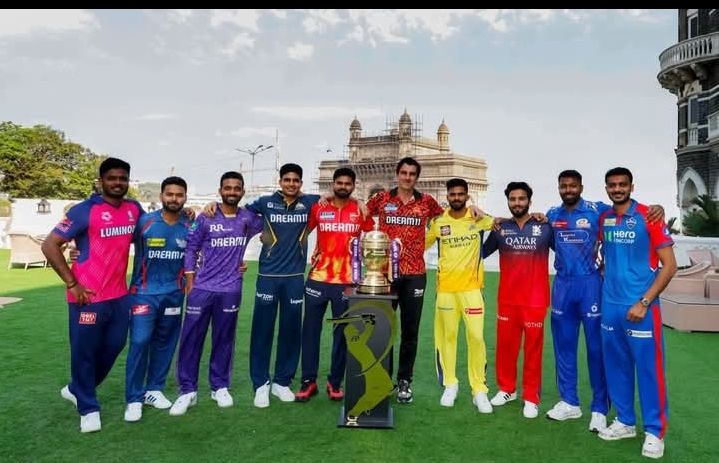
  • The Indian Premier League (IPL) is more than just a cricket tournament – it’s a celebration of India’s rich cricketing heritage, a showcase of extraordinary talent, and a festival of excitement that captivates millions. Let’s dive into the world of IPL and explore what makes it so special.

    The Birth of a Phenomenon
    Launched in 2008, the IPL has become one of the most popular T20 leagues globally, featuring a star-studded lineup of international and domestic players. The tournament’s success can be attributed to its innovative format, which combines sports, entertainment, and drama.

    Teams That Steal the Show
    Some of the most iconic teams in the IPL include¹:

    • Chennai Super Kings: Known for their consistent performance and strong leadership.
    • Mumbai Indians: A five-time IPL champion, showcasing exceptional skill and strategy.
    • Royal Challengers Bangalore: A team that’s always been about flair and talent, with players like Virat Kohli and AB de Villiers.
    • Delhi Capitals: A team on the rise, with young talent and experienced players coming together to make a strong impact.
    • Gujarat Titans: A relatively new team that’s made a significant impression in the league.

    Moments That Made History
    The IPL has witnessed some incredible moments over the years, from thrilling last-ball finishes to record-breaking scores. Some notable highlights include²:

    • Josh Inglis and Priyansh Arya’s impressive performances: Their skills on the field have been a treat to watch.
    • Captain Jitesh Sharma’s explosive batting: His 85* off 33 balls was a masterclass in hitting.

    The Future of IPL
    With new teams, talented players, and innovative formats, the IPL continues to evolve and captivate audiences worldwide. Whether you’re a die-hard cricket fan or just enjoy the excitement of the game, the IPL has something for everyone.

    Get Ready for the Action
    As the IPL season unfolds, fans can catch the action live on television, online streaming platforms, or even on the official IPL website. With its electrifying atmosphere and world-class cricket, the IPL promises to deliver an unforgettable experience.³

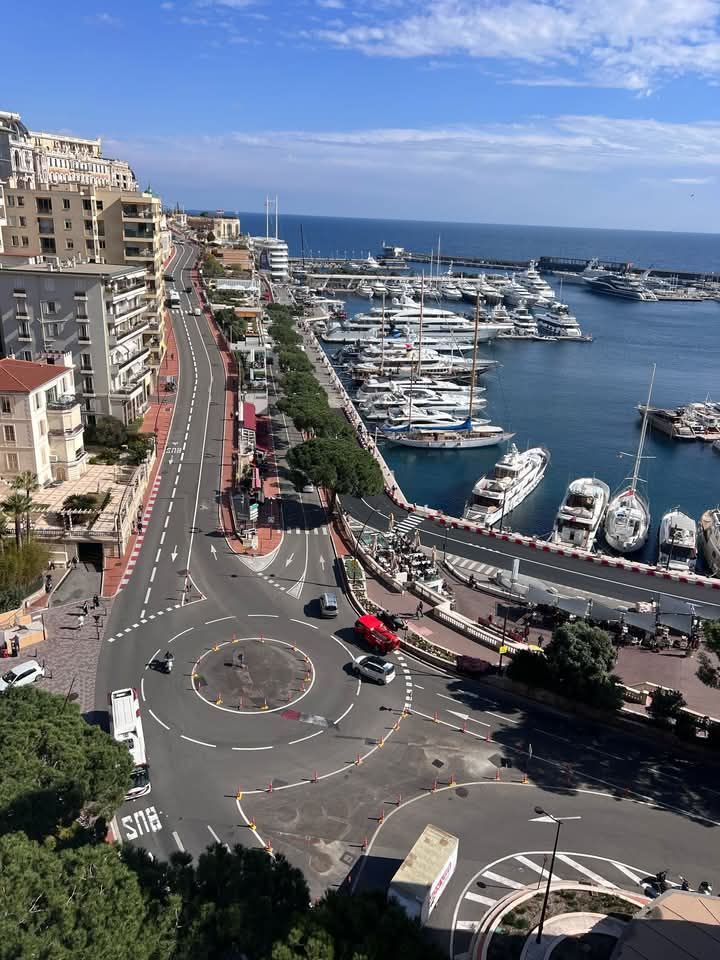
  • Imagine a place where luxury meets extravagance, where billionaires and millionaires call home, and where the air is filled with the scent of opulence. Welcome to Monaco, the world’s richest country, nestled along the picturesque Mediterranean coastline. This tiny principality is a magnet for the elite, offering a unique blend of financial incentives, luxurious living, and cultural richness.

    A Hub for the Wealthy
    Monaco’s reputation as a haven for the rich and famous is well-deserved. With a population of just over 39,000 people, it’s astonishing to note that approximately one-third of its residents are millionaires. The country’s GDP per capita is a staggering $234,000, making it one of the highest in the world. So, what makes Monaco so attractive to the wealthy?

    Tax Benefits and Luxury Lifestyle
    One of the main reasons Monaco is a favorite among the elite is its favorable tax regime. Residents are not required to pay income tax, making it an attractive destination for those looking to preserve and grow their fortunes. The principality’s luxurious lifestyle is another major draw. From opulent casinos to lavish superyachts, Monaco offers an unparalleled level of extravagance.

    Some notable billionaires who call Monaco home include:

    • Stefano Pessina: With a net worth of $5.95 billion, Pessina is the richest person in Monaco. He made his fortune in the fashion and retail sector.
    • David Nahmad: Nahmad is another prominent billionaire residing in Monaco, with a net worth of $2.33 billion. He is also involved in the fashion and retail industry.¹

    A Thriving Economy
    Monaco’s economy is driven by several key sectors, including:

    • Tourism: The principality attracts millions of visitors each year, drawn to its stunning coastline, luxury hotels, and high-profile events like the Monaco Grand Prix.
    • Real Estate: Monaco’s property market is highly sought after, with prices reaching up to $58,000 per square meter. The demand for luxury properties is consistently high, making it a lucrative investment opportunity.
    • Private Wealth Management: Monaco has established itself as a center for private wealth management, with many financial institutions specializing in protecting and growing the fortunes of the world’s wealthiest individuals.²

    Sustainability and Environmental Efforts
    Despite its reputation for luxury and extravagance, Monaco is also committed to sustainability and environmental conservation. Prince Albert II has been a driving force behind the principality’s efforts to reduce its carbon footprint and protect the Mediterranean environment. Initiatives like Monaco Ocean Week demonstrate the country’s dedication to preserving its natural beauty for future generations.


    Monaco is more than just a destination – it’s an experience. With its unique blend of luxury, financial incentives, and cultural richness, it’s no wonder that this tiny principality has become a magnet for the world’s elite. Whether you’re a billionaire or just someone who appreciates the finer things in life, Monaco is a place that will leave you in awe.

  • A Glorious Past
    The Dravidian community has a rich and diverse cultural heritage that spans thousands of years. With roots tracing back to the ancient Indus Valley Civilization, the Dravidians have made significant contributions to art, literature, and architecture.

    Cultural Traditions

    • Temple Architecture: The Dravidian style of temple architecture is renowned for its intricate carvings, grand gopurams, and majestic vimanas.
    • Classical Music and Dance: The Dravidian community has a rich tradition of classical music and dance, with forms like Bharatanatyam and Carnatic music being highly revered.

    Language and Literature

    • Dravidian Languages: The Dravidian family of languages includes Tamil, Telugu, Kannada, and Malayalam, each with its own distinct script and literary tradition.
    • Tamil Sangam Literature: The Tamil Sangam literature is one of the oldest and most revered literary traditions in the Dravidian community, showcasing the region’s rich cultural heritage.

    Contributions and Achievements

    • Art and Architecture: The Dravidian community has made significant contributions to art and architecture, with iconic structures like the Meenakshi Amman Temple and the Brihadeeswara Temple.
    • Philosophy and Spirituality: The Dravidian community has a rich tradition of philosophy and spirituality, with influential thinkers like Adi Shankara and Ramanuja contributing to Indian thought.


    The Dravidian community’s rich cultural heritage is a testament to its glorious past and its contributions to art, literature, and architecture. Its legacy continues to inspire and influence people around the world.

  • A Rich History
    The Sikh community has a rich history that dates back to the 15th century in the Punjab region of South Asia. Founded by Guru Nanak, the Sikh faith emphasizes the importance of spiritual growth, social justice, and community service.

    Core Values

    • Equality and Justice: Sikhism promotes the values of equality and justice, encouraging its followers to stand up against oppression and injustice.
    • Service to Humanity: The Sikh community places great emphasis on service to humanity, with many Sikhs engaging in volunteer work and charitable activities.

    Traditions and Practices

    • The Five Ks: Sikh men wear the Five Ks, which include Kesh (uncut hair), Kanga (a wooden comb), Kara (a steel wristband), Kirpan (a sword), and Kachera (short pants).
    • Langar: The tradition of Langar, or community kitchen, is an integral part of Sikhism, where people from all walks of life come together to share meals.

    Contributions and Achievements

    • Military Valor: Sikhs have a long history of military valor and bravery, with many Sikh soldiers serving in the Indian Army and other military forces around the world.
    • Cultural Contributions: Sikh artists, musicians, and writers have made significant contributions to the cultural landscape of South Asia and beyond.


    The Sikh community is a vibrant and diverse group of people who are united by their faith, values, and traditions. With their rich history, cultural contributions, and commitment to social justice, Sikhs continue to inspire and influence people around the world.