• In the heart of Pakistan lies a province that embodies the country’s rich history, vibrant culture, and breathtaking landscapes. Khyber Pakhtunkhwa, formerly known as the North West Frontier Province, is a land of enchanting beauty, where the majestic mountains meet the fertile valleys. Let’s embark on a journey to explore this captivating region.
    A Glimpse into the Past

    Khyber Pakhtunkhwa has a storied past, with its strategic location making it a crucial hub for trade and cultural exchange. The province has been home to various civilizations, including the ancient Gandhara kingdom, which was renowned for its Buddhist heritage and stunning architecture. The region’s history is etched in its rugged terrain, with ancient fortresses, temples, and monasteries standing testament to its glorious past.

    Cultural Heritage

    The province is predominantly inhabited by the Pashtun people, known for their warm hospitality, rich traditions, and resilient spirit. The Pashtun culture is a vibrant tapestry of music, dance, and handicrafts, with the province being famous for its exquisite embroidery, woodwork, and pottery. The annual festivals and celebrations in Khyber Pakhtunkhwa are a testament to the region’s joie de vivre, with traditional Pashtun dishes like kebabs and rice being an integral part of the festivities.

    Natural Beauty

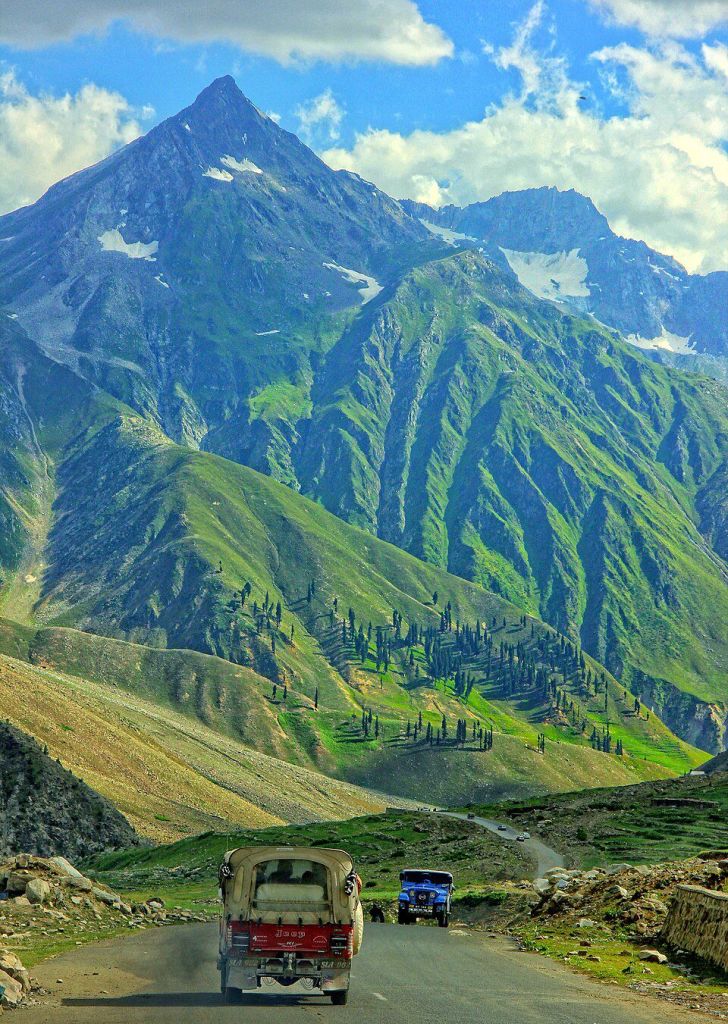
    Khyber Pakhtunkhwa is a paradise for nature lovers, with its snow-capped mountains, pristine valleys, and lush forests. The province is home to some of the most spectacular landscapes in Pakistan, including the Karakoram Highway, which offers breathtaking views of the surrounding mountains and rivers. The Swat Valley, often referred to as the “Switzerland of Pakistan,” is a popular tourist destination, attracting visitors from around the world with its serene lakes, verdant meadows, and picturesque villages.

    Sports and Adventure

    Khyber Pakhtunkhwa is also a haven for adventure enthusiasts and sports lovers. The province has produced some of Pakistan’s most celebrated cricketers, including Shahid Afridi, Younis Khan, and Fakhar Zaman. Squash is another popular sport in the region, with legendary players like Hashim Khan and Jahangir Khan hailing from Khyber Pakhtunkhwa.

    Khyber Pakhtunkhwa is a treasure trove of history, culture, and natural beauty, waiting to be explored and discovered. From its ancient ruins to its vibrant festivals, this enchanting land has something to offer every kind of traveler. Whether you’re a history buff, a culture vulture, or an adventure enthusiast, Khyber Pakhtunkhwa is a destination that will leave you spellbound and yearning for more.


  • The Wagah Border, located near Lahore, Pakistan, and Amritsar, India, is one of the most iconic and emotionally charged borders in the world. Every evening, the border witnesses a spectacular ceremony that showcases the pride and patriotism of both India and Pakistan. In this blog, we’ll take you on a journey to explore the history, significance, and emotions that surround the Wagah Border.

    A History of Turmoil and Triumph

    The Wagah Border has a complex history that dates back to the partition of India in 1947. The border has witnessed numerous conflicts, skirmishes, and ceasefires over the years, making it a sensitive and heavily fortified area. Despite the tensions, the border has also become a symbol of national pride and patriotism for both countries.

    The Beating Retreat Ceremony

    The beating retreat ceremony at the Wagah Border is a must-see experience for anyone visiting the area. Every evening, a large crowd gathers on both sides of the border to witness the ceremony, which involves a elaborate display of military pomp and showmanship. The ceremony is a display of pride, discipline, and patriotism, with soldiers from both sides marching, shouting slogans, and performing elaborate drills.

    A Display of Patriotism and Pride

    The Wagah Border ceremony is more than just a display of military might; it’s a celebration of national pride and patriotism. The crowd on both sides of the border is filled with people waving flags, wearing patriotic attire, and cheering for their country. The atmosphere is electric, with chants of “Long live India” and “Long live Pakistan” echoing through the air.

    A Symbol of Peace and Friendship

    Despite the tensions and conflicts, the Wagah Border has also become a symbol of peace and friendship. Many people on both sides of the border have families and friends across the border, and the border ceremony has become a way for them to connect and show their love and respect for each other.

    The Wagah Border is a powerful symbol of patriotism, pride, and national identity. The beating retreat ceremony is a must-see experience that showcases the discipline, pride, and passion of both India and Pakistan. Whether you’re a history buff, a patriot, or simply someone looking for a unique experience, the Wagah Border is a place that will leave you with a lasting impression.

  • In the world of fashion, where trends come and go, one brand has managed to make a lasting impact: Zudio. With its unique blend of style, affordability, and quality, Zudio has become a household name, especially among the young and fashion-conscious.

    The Story Behind Zudio

    Zudio’s journey began with a simple yet ambitious goal: to provide trendy and affordable clothing to the masses. With a keen understanding of the market and a passion for fashion, the brand quickly gained popularity among consumers. Today, Zudio is a leading fashion brand with a strong presence in India and beyond.

    What Sets Zudio Apart

    So, what makes Zudio stand out in a crowded market? Here are a few key factors:

    • Affordable Prices: Zudio’s commitment to affordability has made fashion accessible to a wider audience. With prices starting from as low as ₹499, the brand has democratized fashion, making it possible for everyone to look stylish without breaking the bank.
    • Trendy Designs: Zudio’s designs are inspired by the latest fashion trends, ensuring that customers stay ahead of the curve. From statement pieces to everyday essentials, the brand’s collections are both stylish and versatile.
    • Quality Products: Despite its affordable prices, Zudio prioritizes quality, ensuring that every product meets high standards of craftsmanship and durability.

    The Zudio Experience

    Shopping at Zudio is an experience in itself. With a wide range of products, including clothing, footwear, and accessories, customers can find everything they need to upgrade their wardrobe. The brand’s stores are designed to provide a seamless shopping experience, with friendly staff and a welcoming atmosphere.

    Zudio’s success story is a testament to the power of innovative thinking and a customer-centric approach. By providing affordable, trendy, and high-quality products, the brand has managed to carve out a niche for itself in the competitive fashion industry. Whether you’re a fashion enthusiast or just starting to explore your personal style, Zudio is definitely worth checking out.

  • Bolivia, a landlocked country in South America, is a place of breathtaking beauty and rich cultural heritage. From the majestic Andes mountains to the vibrant markets and festivals, Bolivia is a country that will leave you in awe. But beyond its stunning landscapes and colorful traditions, Bolivia is also a lesson in resilience and growth.

    A History of Struggle and Triumph

    Bolivia’s history is marked by struggles and triumphs. From the ancient civilizations of the Tiwanaku and Inca empires to the Spanish colonization and modern-day challenges, Bolivia has faced numerous obstacles on its path to development. Yet, despite these challenges, the Bolivian people have shown remarkable resilience and determination.

    A Lesson in Adaptation

    One of the most striking aspects of Bolivia is its ability to adapt to changing circumstances. From the harsh climate of the Altiplano to the economic challenges of the modern era, Bolivians have learned to be resourceful and innovative. This adaptability is a valuable lesson for anyone facing challenges in their own lives.

    A Story of Cultural Richness

    Bolivia is a country with a rich cultural heritage, where traditional practices and customs are still alive and thriving. From the vibrant textiles and handicrafts to the lively music and dance, Bolivia’s culture is a true reflection of its people’s creativity and spirit. This cultural richness is a reminder of the importance of preserving our heritage and traditions.

    A Path to Growth and Development

    Despite its challenges, Bolivia is a country that is growing and developing rapidly. With a growing economy and a strong sense of community, Bolivia is a place where opportunities are emerging and people are working together to build a better future. This growth and development are a testament to the power of hard work and determination.

    Bolivia is a lesson in resilience, adaptation, cultural richness, and growth. It is a country that has faced numerous challenges and come out stronger on the other side. As we reflect on Bolivia’s story, we are reminded of the importance of perseverance, creativity, and community. Whether you’re a traveler, a student, or simply someone looking for inspiration, Bolivia’s story is one that will stay with you long after you’ve left its borders.

  • In the world of European football, the UEFA Nations League has emerged as a thrilling competition that brings together the continent’s top teams in a unique and exciting format. Born out of a desire to replace traditional friendlies with more meaningful matches, the Nations League has quickly become a fan favorite.

    The Birth of the Nations League

    The UEFA Nations League was introduced in 2018, marking a significant shift in the way European teams compete against each other. The competition was designed to provide more competitive matches and to give teams a chance to compete against opponents of similar strength.

    The Format

    The Nations League features 55 European teams, divided into four leagues (A, B, C, and D) based on their UEFA rankings. Teams compete in a series of matches, with the top teams in each league vying for promotion and the bottom teams facing relegation. The competition culminates in a thrilling final tournament, where the top four teams compete for the championship.

    The Thrill of Competition

    The Nations League has brought a new level of excitement to European football. With teams competing in high-stakes matches, the competition has produced some thrilling moments and unexpected results. From dramatic comebacks to stunning upsets, the Nations League has kept fans on the edge of their seats.

    Benefits for Teams and Fans

    The Nations League has provided teams with a platform to test themselves against top opponents and to develop their skills. For fans, the competition has offered a fresh and exciting format, with more meaningful matches and a chance to see their team compete against the best in Europe.

    The UEFA Nations League has revolutionized European football, bringing a new level of competition and excitement to the continent’s top teams. With its unique format and thrilling matches, the Nations League has become a must-watch competition for football fans around the world.

  • In the world of cricket, there are few bowlers who have left an indelible mark on the game. Muthiah Muralitharan, affectionately known as “Murali,” is one such legend. Born on April 17, 1972, in Kandy, Sri Lanka, Murali’s journey to cricketing greatness is a testament to his dedication, perseverance, and passion for the sport.

    Early Days and Rise to Fame

    Murali’s cricketing journey began in the scenic hills of Kandy, where he honed his skills as a spinner. His unique bowling action, which involved a bent arm and a flick of the wrist, soon caught the attention of cricket enthusiasts. As he rose through the ranks, Murali’s talent and dedication earned him a spot in the Sri Lankan national team.

    A Record-Breaking Career

    Murali’s career was marked by numerous records and accolades. He became the highest wicket-taker in Test cricket, snaring an astonishing 800 wickets. His mastery of spin bowling allowed him to exploit even the smallest amounts of turn, leaving batsmen bewildered and helpless.

    Challenges and Triumphs

    Despite facing numerous challenges, including controversies surrounding his bowling action, Murali persevered and continued to excel on the field. His determination and passion for the game inspired a generation of cricketers and fans alike.

    Legacy

    Murali’s legacy extends beyond his on-field achievements. He has inspired countless young cricketers, particularly in Sri Lanka, to pursue their dreams and strive for excellence. His contributions to the sport have been recognized globally, and he remains one of the most celebrated cricketers of all time.

    Muthiah Muralitharan’s story is a testament to the power of hard work, dedication, and passion. His journey to cricketing greatness is an inspiration to anyone who has ever picked up a cricket bat or ball. As we reflect on his remarkable career, we are reminded of the impact that one individual can have on a sport and a nation.

  • The Sinhalese people are the largest ethnic group in Sri Lanka, with a rich history and culture that dates back over 2,500 years. They have a unique identity shaped by their language, religion, and traditions.

    Origin and History

    The Sinhalese people are believed to have originated from the Indian subcontinent, specifically from the region of Bengal. According to legend, the Sinhalese people are descended from Prince Vijaya, who arrived in Sri Lanka in the 6th century BCE. Over time, the Sinhalese people developed a distinct culture, influenced by Buddhism, Hinduism, and other regional traditions.

    Language and Literature

    The Sinhalese language, also known as Sinhala, is an Indo-Aryan language spoken by the majority of the population in Sri Lanka. It has a rich literary tradition, with works dating back to the 3rd century BCE. The Sinhalese alphabet is derived from the ancient Brahmi script, and the language has been influenced by Pali, Sanskrit, and other languages.

    Culture and Traditions

    The Sinhalese people have a vibrant culture, with a strong emphasis on family, community, and tradition. They celebrate various festivals throughout the year, including the Sinhalese and Tamil New Year, Vesak (Buddha’s birthday), and Poson (commemorating the introduction of Buddhism to Sri Lanka). Traditional Sinhalese cuisine includes rice, curry, and a variety of other dishes.

    Football in Sinhalese Culture

    Football is a popular sport in Sri Lanka, and the Sinhalese people have a strong passion for the game. Many talented footballers have emerged from the Sinhalese community, representing Sri Lanka in international competitions.

    The Sinhalese people have a rich history, culture, and tradition that is worth exploring. From their origins to their language, literature, and cultural practices, the Sinhalese people have a unique identity that is an integral part of Sri Lankan heritage. By understanding and appreciating this rich cultural heritage, we can gain a deeper insight into the lives and experiences of the Sinhalese people.

  • Andrés Escobar was a Colombian footballer who played for the national team during the 1990s. He was known for his exceptional skills on the field and his dedication to the sport. However, his life took a tragic turn during the 1994 World Cup.

    The Own Goal

    During a match against the United States, Escobar scored an own goal, which led to Colombia’s elimination from the tournament. This event would ultimately seal his fate. Upon returning to Colombia, Escobar faced intense scrutiny and backlash from fans and the media.

    The Tragic End

    On July 2, 1994, Escobar was shot and killed outside a bar in Medellín, Colombia. The murder was reportedly linked to the own goal he scored during the World Cup match. The incident shocked the football world and highlighted the darker side of the sport.

    Legacy

    Despite his tragic end, Escobar’s legacy lives on. He is remembered as a talented footballer who gave his all to the sport. His story serves as a reminder of the pressures and consequences that athletes can face, both on and off the field.

    The story of Andrés Escobar is a poignant reminder of the human side of sports. It highlights the importance of empathy and understanding in the face of adversity. Escobar’s legacy continues to inspire football fans around the world, and his memory serves as a cautionary tale about the dangers of unchecked passion and the importance of sportsmanship.

  • In the aftermath of World War II, Europe lay in ruins, and the threat of Soviet expansion loomed large. Amidst this uncertainty, a group of visionary leaders came together to form an alliance that would change the course of history: the North Atlantic Treaty Organization, or NATO.

    The Birth of NATO

    On April 4, 1949, 12 nations signed the North Atlantic Treaty in Washington, D.C., creating a unique bond between North America and Europe. The treaty’s core principle was simple yet powerful: an attack on one member state would be considered an attack on all. This collective defense commitment marked the beginning of a new era in international cooperation.

    The Cold War Era

    During the Cold War, NATO played a crucial role in deterring Soviet aggression. The alliance’s military presence and strategic planning helped maintain stability in Europe, and its commitment to democracy and freedom inspired nations to work together towards a common goal. NATO’s role in the Cold War era was not limited to military deterrence; it also promoted economic cooperation, scientific research, and cultural exchange among its member states.

    NATO’s Evolution

    As the world changed, NATO adapted. The alliance expanded to include new member states, and its mission evolved to address emerging security challenges. From the Balkans to Afghanistan, NATO has demonstrated its ability to respond to crises and promote stability in regions critical to global security.

    NATO’s Impact

    NATO’s impact on global security cannot be overstated. The alliance has helped to prevent conflicts, promote democracy, and protect human rights. Its commitment to collective defense has provided a sense of security and stability for its member states, allowing them to focus on economic development and social progress.

    Challenges Ahead

    As the world becomes increasingly complex, NATO faces new challenges. From terrorism and cyber threats to climate change and pandemics, the alliance must adapt to emerging security threats. NATO’s ability to evolve and respond to these challenges will be crucial in maintaining global security and stability.

    The North Atlantic Treaty Organization has come a long way since its inception. From its humble beginnings as a defensive alliance to its current role as a global security player, NATO has demonstrated its ability to adapt and evolve. As the world continues to change, NATO’s commitment to unity, cooperation, and collective defense will remain essential in promoting peace and stability.

    By understanding NATO’s history, mission, and impact, we can appreciate the importance of international cooperation and collective defense in maintaining global security. As NATO continues to evolve and address emerging security challenges, its role in shaping the future of global security will remain significant.

  • In the midst of Asia’s rapid economic growth, the Asian Development Bank (ADB) has been a steadfast partner, working tirelessly to improve the lives of millions of people across the continent. With its headquarters in Manila, Philippines, the ADB has been a driving force behind Asia’s development, providing financial support, technical assistance, and policy guidance to its member countries.

    The ADB’s Mission

    The ADB’s mission is to help its developing member countries (DMCs) achieve economic growth, reduce poverty, and improve living standards. The bank’s vision is an Asia and Pacific region free of poverty. To achieve this, the ADB focuses on four key areas: infrastructure development, human development, regional cooperation and integration, and environmental sustainability.

    The ADB’s Impact

    The ADB’s impact on Asia’s development has been significant. From building roads and bridges to improving access to clean water and sanitation, the bank’s projects have transformed the lives of millions of people. For example, the ADB has helped to construct over 10,000 kilometers of roads in Indonesia, improving connectivity and access to markets for rural communities.

    The ADB’s Innovative Approach

    The ADB is known for its innovative approach to development. The bank has been at the forefront of promoting sustainable development, supporting projects that reduce greenhouse gas emissions, and promoting renewable energy. The ADB has also been a pioneer in promoting regional cooperation and integration, helping to establish the Asian Bond Markets Initiative and the Chiang Mai Initiative Multilateralization.

    The ADB’s Future Role

    As Asia continues to evolve, the ADB will play an increasingly important role in shaping the region’s development. The bank will need to adapt to new challenges, such as climate change, and find innovative solutions to address the region’s development needs. With its expertise, experience, and commitment to development, the ADB is well-positioned to help Asia achieve its full potential.

    The Asian Development Bank has been a beacon of hope for Asia’s development, working tirelessly to improve the lives of millions of people across the continent. With its innovative approach, commitment to sustainability, and focus on regional cooperation and integration, the ADB is poised to play an increasingly important role in shaping Asia’s future. By understanding the ADB’s mission, impact, and innovative approach, we can better appreciate the importance of development institutions in promoting economic growth and reducing poverty.