• Kamala Surayya, one of India’s most celebrated writers, left an indelible mark on literature with her unflinching honesty and bold narrative style. Born on March 31, 1934, in Punnayurkulam, Kerala, Kamala Surayya defied conventions throughout her life, inspiring generations of writers and readers alike.

    A Life of Words
    Kamala Surayya’s journey into the world of literature began at a young age, influenced by her mother, Nalapat Balamani Amma, a renowned Malayali poet. Her great-uncle, Nalapat Narayana Menon, a prominent writer, further nurtured her love for poetry. Kamala Surayya’s writing career spanned multiple genres, including poetry, short stories, and memoirs, with works that continue to resonate with readers today.¹ ²

    Breaking Conventions
    Kamala Surayya’s writing was marked by its candor and unapologetic exploration of themes considered taboo in her time. Her poetry collections, such as Summer in Calcutta and The Descendants, showcased her unique voice and perspective. Her autobiography, My Story, published in 1973, was a groundbreaking work that sparked both admiration and controversy.

    A Trailblazer
    Kamala Surayya’s impact on Indian literature extends beyond her writing. She was a trailblazer, paving the way for future generations of women writers. Her fearless exploration of female sexuality, motherhood, and identity continues to inspire readers and writers today. Some notable works include³:

    • Poetry Collections: The Sirens, Summer in Calcutta, The Descendants, The Old Playhouse and Other Poems
    • Short Story Collections: Pakshiyude Manam, Neypayasam, Thanuppu
    • Novels: Neermathalam Pootha Kalam, Chandana Marangal

    A Legacy of Courage
    Kamala Surayya’s life was marked by both personal and professional challenges. Her conversion to Islam in 1999, at the age of 65, sparked controversy and debate. Despite facing criticism, Kamala Surayya remained true to herself, leaving behind a legacy of courage and conviction. Her passing on May 31, 2009, was mourned by readers and writers worldwide, but her work continues to inspire and provoke thought.⁴


  • Located in the heart of Jammu and Kashmir, Anantnag is a city that seamlessly weaves together history, culture, and natural splendor. With its rich heritage dating back to the 8th century, Anantnag has been a significant hub for various civilizations, leaving behind a treasure trove of architectural marvels and spiritual sites.

    The Story Behind Anantnag’s Name
    Anantnag’s name is derived from the Sanskrit word “Ananta,” meaning the great serpent of Vishnu, symbolizing eternity. The city has also been known as Islamabad, a name believed to have originated from a Mughal governor named Islam Khan who built a garden in the area. Today, both names are used, with Anantnag being preferred by Hindus and Sikhs, while Islamabad is favored by Muslims.

    A City of Ancient Temples and Mosques
    Anantnag boasts several ancient temples and mosques that reflect its cultural diversity. Some notable sites include¹ ²:

    • Martand Sun Temple: A 7th-century temple dedicated to the Hindu Sun god, Surya, built by King Lalitaditya of the Surya dynasty. This temple showcases exceptional craftsmanship and is one of the finest examples of ancient Kashmiri architecture.
    • Aishmuqam Shrine: A revered shrine believed to be the resting place of Sheikh Zain-ud-din, a famous disciple of Sheikh Noor-ud-din, a renowned saint of Kashmir.
    • Masjid Baba Dawood Khaki: One of the oldest mosques in the city, built around 1400 CE.

    Natural Wonders
    Anantnag is surrounded by breathtaking natural beauty, including:

    • Amarnath Ji’s Cave: A sacred cave located 46 km from Anantnag, famous for its annual procession and the ice Shiva Linga that forms inside the cave.
    • Kishtwar National Park: A protected area spread over 400 sq. km, home to various species of animals, including the musk deer and Himalayan black and brown bear.
    • Jhelum River: A lifeline for the region, providing water for irrigation, drinking, and other purposes.

    A Blend of Cultures
    Anantnag’s history is a testament to the various cultures that have shaped the city over the centuries. From ancient Hindu temples to Mughal-era mosques, the city’s architecture reflects its rich cultural heritage. The city’s strategic location has made it an important center for trade and commerce, contributing to its economic growth.

    Conclusion
    Anantnag is a city that offers a unique blend of history, culture, and natural beauty. Its ancient temples, mosques, and shrines are a testament to its rich heritage, while its stunning landscapes and serene environment make it a haven for those seeking peace and tranquility. Whether you’re a history buff, a nature lover, or simply looking for a new adventure, Anantnag has something to offer everyone.

  • The game of rugby is a sport that is steeped in history and tradition. From its humble beginnings in the early 19th century to its current status as a global phenomenon, rugby has evolved into a game that is loved and played by millions around the world. But where did this game come from, and how did it become the sport we know today?

    The Birth of Rugby
    The story of rugby begins in 1823 at Rugby School in Warwickshire, England. According to legend, a young student named William Webb Ellis picked up the ball during a game of soccer and ran with it, thus inventing the game of rugby. While the story of Ellis’s actions may be apocryphal, it is clear that the game of rugby was born out of the public schools’ soccer traditions.

    The Early Years of Rugby
    In the early years of rugby, the game was played with few rules and a great deal of violence. Players were allowed to hack, trip, and charge each other, making the game a brutal and physical affair. However, as the game gained popularity, efforts were made to standardize the rules and make the game safer.

    The Spread of Rugby
    Rugby quickly spread throughout the United Kingdom, with the first official rules being written in 1845. The game also spread to other parts of the world, including Australia, New Zealand, and South Africa, where it became a popular sport among the British colonies.

    The Modern Game
    Today, rugby is a global sport with millions of players and fans around the world. The game has evolved to include different variants, such as rugby union and rugby league, each with its own rules and traditions. The sport has also become a major part of international competitions, including the Rugby World Cup.


    The history of rugby is a story of passion, perseverance, and community. From its humble beginnings at Rugby School to its current status as a global phenomenon, the game of rugby has evolved into a sport that is loved and played by millions. Whether you’re a seasoned player or a new fan, the game of rugby has something to offer everyone.

  • In the world of athletics, there are few names that shine as brightly as P. T. Usha. Born in a small village in Kerala, India, Usha’s journey to becoming one of the country’s most celebrated athletes is a testament to her unwavering dedication, unrelenting passion, and sheer determination.

    The Early Years
    P. T. Usha was born on June 27, 1964, in Kuttali, a small village in Kerala. Growing up in a humble family, Usha’s early life was marked by simplicity and hard work. However, it was her innate talent and enthusiasm for sports that set her apart from her peers. Usha’s journey in athletics began at a young age, and she quickly rose through the ranks, becoming a force to be reckoned with in Indian athletics.

    The Payyoli Express
    Usha’s speed and agility earned her the nickname “Payyoli Express,” a name that would become synonymous with excellence in Indian athletics. Her impressive performances at the national and international levels caught the attention of athletics enthusiasts and critics alike. Usha’s dedication to her craft was evident in every stride she took on the track, and her achievements continue to inspire generations of athletes.

    A Legacy of Excellence
    P. T. Usha’s achievements extend far beyond her impressive medal count. She has been a trailblazer for women in sports, breaking down barriers and challenging societal norms. Usha’s legacy is not just about her own accomplishments but also about the impact she has had on the sports landscape in India. Her contributions to athletics have paved the way for future generations of athletes, and her name has become synonymous with excellence and determination.


    The story of P. T. Usha is a testament to the power of hard work, dedication, and perseverance. From her humble beginnings to her rise as one of India’s most celebrated athletes, Usha’s journey is an inspiration to anyone who has ever dreamed of achieving greatness. As the Payyoli Express continues to inspire and motivate, her legacy will undoubtedly continue to shape the world of athletics for years to come.

  • India, a land of diverse cultures, languages, and traditions, has been known by many names throughout its history. One of the most significant and enduring names is Hindustan, a term that evokes a sense of pride and identity among Indians. But have you ever wondered why India is called Hindustan? Let’s embark on a journey to explore the fascinating story behind this name.

    The Origins of Hindustan
    The term Hindustan is derived from the Persian word “Hindu,” which refers to the Indus River, and the suffix “-stan,” which means “land” or “place.” The name Hindustan literally means “the land of the Indus River.” The Persians used this term to describe the region beyond the Indus River, which was considered the eastern boundary of their empire.

    The Evolution of the Name
    Over time, the term Hindustan gained popularity and became synonymous with the Indian subcontinent. The name was used by various rulers and dynasties, including the Mughals, who referred to their empire as Hindustan. The term also found its way into the works of poets, writers, and travelers, who used it to describe the beauty and richness of the land.

    The Cultural Significance of Hindustan
    The name Hindustan is not just a geographical term; it also carries a deep cultural significance. It represents the rich heritage, traditions, and values of the Indian people. The term is often used in literature, music, and art to evoke a sense of nostalgia and patriotism.


    The name Hindustan is a testament to India’s rich history and cultural diversity. From its origins in the Persian language to its widespread use in modern times, the term has evolved to become an integral part of India’s identity. Whether you’re an Indian or someone interested in the country’s culture, understanding the story behind the name Hindustan can deepen your appreciation for this incredible land and its people.

  • The Nobel Prize is one of the most prestigious awards in the world, recognizing outstanding contributions in the fields of physics, chemistry, medicine, literature, peace, and economics. But have you ever wondered how this esteemed prize came to be? Let’s embark on a journey to explore the fascinating story behind the Nobel Prize.

    The Life of Alfred Nobel
    Alfred Nobel, a Swedish inventor, chemist, and engineer, was born in 1833. He is best known for inventing dynamite, which revolutionized the construction and mining industries. However, towards the end of his life, Nobel became increasingly concerned about the destructive power of his invention and the harm it could cause.

    The Will that Changed Everything
    In 1895, Nobel wrote his last will and testament, which included a surprising provision. He left the majority of his estate to establish the Nobel Prizes, which would be awarded annually to those who had made the most important discoveries or inventions in their respective fields. Nobel’s goal was to recognize and reward excellence, while also promoting peace and progress.

    The First Nobel Prizes
    The first Nobel Prizes were awarded in 1901, five years after Nobel’s death. The prizes were awarded in the fields of physics, chemistry, medicine, literature, and peace. The economics prize was established later, in 1968, by the Sveriges Riksbank, the central bank of Sweden.

    A Legacy of Excellence
    Over the years, the Nobel Prize has become synonymous with excellence and innovation. It has been awarded to some of the most brilliant minds in history, including Marie Curie, Albert Einstein, and Martin Luther King Jr. The prize has also recognized groundbreaking discoveries and achievements that have transformed our understanding of the world and improved the human condition.


    The Nobel Prize is more than just an award; it’s a celebration of human ingenuity, creativity, and perseverance. It’s a reminder that individual achievements can have a profound impact on society and the world at large. As we continue to face the challenges of the 21st century, the Nobel Prize serves as a beacon of inspiration, encouraging us to strive for excellence and push the boundaries of what’s possible.

  • In the southeastern tip of Florida, where the sun-kissed beaches meet the vibrant streets, lies the city of Miami. A melting pot of cultures, Miami is a place where art deco architecture, Latin American flavors, and a thriving nightlife come together to create an unforgettable experience. Let’s embark on a journey to explore the magic of Miami.

    A City Born of Dreams and Diversity
    Miami’s history is a story of immigrants and entrepreneurs who came to the city in search of a better life. From the early days as a small trading post to its current status as a global hub, Miami has always been a city of opportunity. The city’s diverse population has created a unique cultural landscape, with influences from Latin America, the Caribbean, and beyond.

    Beaches and Beyond
    Miami’s beaches are world-renowned for their white sand and crystal-clear waters. South Beach, with its art deco district, is a hotspot for nightlife and people-watching. But Miami’s attractions go beyond its beaches. The Vizcaya Museum and Gardens, a National Historic Landmark, is a stunning example of Mediterranean Revival architecture. The Wynwood Walls, an outdoor art exhibit featuring works by world-class artists, is a must-visit for art lovers.

    A Foodie’s Paradise
    Miami’s culinary scene is a reflection of its diverse population. From Cuban cuisine to fresh seafood, the city offers a wide range of flavors and dishes. Little Havana, with its vibrant streets and authentic Cuban restaurants, is a foodie’s paradise. The city’s food trucks and markets offer a taste of the diverse culinary landscape.


    Miami is a city that has something for everyone. Its vibrant culture, stunning beaches, and diverse culinary scene make it a destination that will leave you wanting more. Whether you’re looking for relaxation, adventure, or cultural experiences, Miami is a city that will captivate your senses and leave you with unforgettable memories.

  • In the heart of the Himalayas, where the rugged landscape meets the sky, lies the Galwan Valley, a strategically important and disputed region between India and China. The valley’s name is derived from Gulam Rasool Galwan, a local explorer who ventured into this unforgiving terrain over a century ago. Let’s embark on a journey to explore the history, significance, and tensions surrounding the Galwan Valley.

    A History of Exploration and Dispute

    In the late 19th century, Gulam Rasool Galwan, a Ladakhi explorer, braved the harsh conditions of the valley, mapping out new routes and territories. His exploits earned him recognition, and the valley was subsequently named after him. However, the region’s history is complex, with both India and China laying claim to the territory. The Galwan Valley is situated near the Line of Actual Control (LAC), the de facto border between India and China, making it a contentious area.¹ ²

    Strategic Importance

    The Galwan Valley holds significant strategic value due to its proximity to the Siachen Glacier and the Karakoram Pass. Control of the valley would provide an advantage in terms of military surveillance and access to key territories. China has been investing heavily in infrastructure development in the region, including the construction of roads, bridges, and military installations. India, too, has been bolstering its military presence in the region, with a focus on enhancing its surveillance and response capabilities.³

    Tensions and Conflicts

    The Galwan Valley has been a flashpoint for tensions between India and China. In 2020, a violent clash between Indian and Chinese troops resulted in significant casualties on both sides, highlighting the region’s volatility. The incident sparked a diplomatic row, with both countries accusing each other of aggression. Since then, tensions have remained high, with both sides maintaining a significant military presence in the region.⁴

    Unresolved Issues

    Despite diplomatic efforts, the border dispute between India and China remains unresolved. The Galwan Valley continues to be a point of contention, with both countries asserting their claims. The situation is further complicated by the presence of other territorial disputes in the region, including the Siachen Glacier and the Doklam plateau.

    The Galwan Valley is a symbol of the complex and often contentious relationship between India and China. Its strategic importance and disputed status have led to tensions and conflicts, highlighting the need for a peaceful resolution to the border dispute. As the situation continues to unfold, one thing is certain – the Galwan Valley will remain a critical point of contention in the India-China relationship.

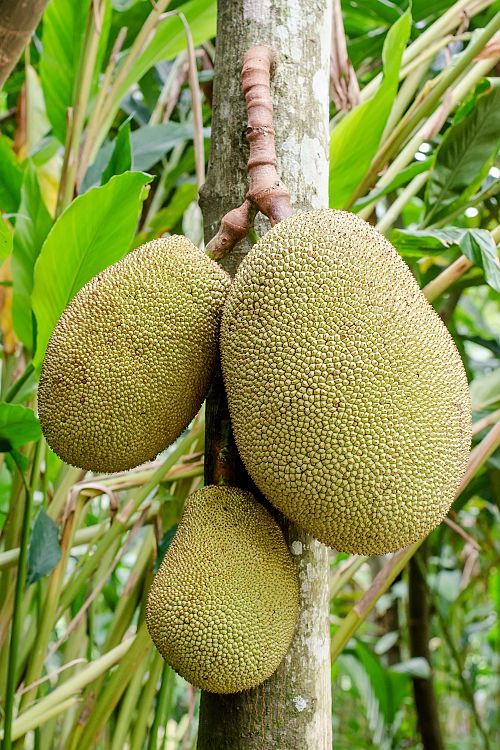
  • In the lush rainforests of India and Southeast Asia, a peculiar fruit grows in abundance, boasting a unique flavor and texture that has captivated people for centuries. The jackfruit, with its distinctive green skin and soft, juicy flesh, is a culinary treasure that has been cherished for generations. Let’s embark on a journey to explore the fascinating world of jackfruit.

    A Fruit with a Rich History

    The jackfruit has been a staple in Indian and Southeast Asian cuisine for centuries. This tropical fruit is believed to have originated in the Western Ghats of India, where it has been cultivated for over 3,000 years. The jackfruit tree, known for its large size and sprawling canopy, is a member of the fig and mulberry family.

    A Versatile Ingredient

    The jackfruit is a versatile ingredient that can be used in a variety of dishes. The fruit’s flesh can be eaten raw, cooked, or dried, and its seeds can be roasted or boiled. In India, jackfruit is often used in curries, stews, and chutneys, while in Southeast Asia, it’s commonly used in desserts and snacks.

    A Nutritional Powerhouse

    The jackfruit is a nutritional powerhouse, rich in vitamins, minerals, and antioxidants. It’s an excellent source of potassium, magnesium, and vitamin B6, making it a great addition to a healthy diet. The fruit’s high fiber content also makes it a great option for those looking to improve their digestive health.

    A Sustainable Food Source

    The jackfruit tree is a sustainable food source that requires minimal care and maintenance. It’s a drought-tolerant tree that can thrive in a variety of environments, making it an ideal crop for small-scale farmers. The tree’s wood is also used for furniture-making and other wood products, reducing waste and providing additional income for farmers.

    Conclusion

    The jackfruit is a tropical superfood that offers a unique flavor, texture, and nutritional profile. With its rich history, versatility, and sustainability, it’s no wonder that this fruit has become a staple in many cuisines around the world. Whether you’re a foodie, a health enthusiast, or simply someone looking to try new flavors, the jackfruit is definitely worth exploring.

  • In the realm of Indian literature, G. Sankara Kurup stands as a towering figure, a poet whose words have captivated the hearts of millions. Born in 1901 in the picturesque village of Malabar, Kerala, Kurup’s life was a testament to the power of creativity and imagination. Let’s embark on a journey to explore the life and works of this literary legend.

    The Early Years

    Kurup’s early life was marked by a deep love for literature and poetry. Growing up in a family that valued education, he was exposed to the works of great poets and writers from a young age. His own poetic journey began with the writing of traditional Malayalam poems, which eventually gave way to more modern and experimental forms of expression.

    A Poetic Maestro

    Kurup’s poetry is characterized by its lyricism, depth, and philosophical insight. His words have the power to evoke strong emotions, paint vivid pictures, and convey complex ideas with simplicity and elegance. Some of his most notable works include “Odakkuzhal” (The Bamboo Flute), “Viswadarshanam” (The Vision of the Universe), and “Nana Kshana Lokam” (The World of Diverse Moments).

    Awards and Accolades

    Kurup’s contributions to Indian literature have been recognized with numerous awards and accolades. He was the first Malayalam poet to be awarded the Jnanpith Award, one of India’s highest literary honors, in 1965. His work has also been translated into several languages, introducing his poetry to a global audience.

    Legacy

    G. Sankara Kurup’s legacy extends far beyond his own writings. He has inspired generations of poets, writers, and artists, and his work continues to be studied and appreciated by scholars and literature lovers alike. His poetry has also been set to music, adding another dimension to its beauty and impact.

    G. Sankara Kurup’s life and works are a testament to the transformative power of poetry. Through his words, he has captured the essence of human experience, explored the depths of nature, and reflected on the mysteries of existence. His legacy serves as a reminder of the importance of creativity, imagination, and the written word in enriching our lives and understanding of the world.