• A City Steeped in History and Tradition
    Thrissur, a city in the state of Kerala, India, is known for its rich cultural heritage and traditions. The city’s history dates back to the ancient times, and it has been a center of art, literature, and spirituality for centuries.
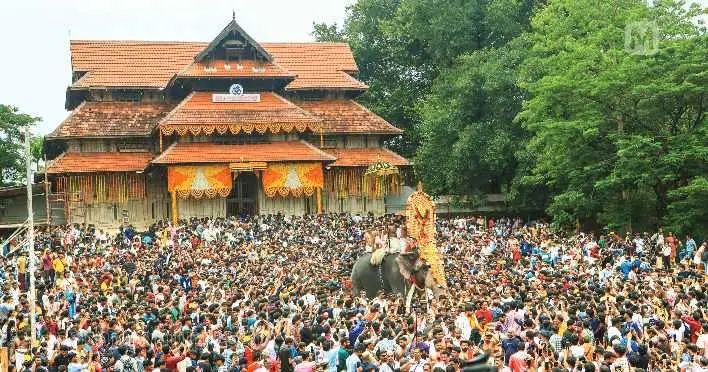
    The Thrissur Pooram
    One of the most famous festivals in Thrissur is the Thrissur Pooram, a vibrant and colorful celebration that showcases the city’s cultural diversity. The festival features a procession of elephants, traditional music, and fireworks, attracting thousands of visitors from all over the world.

    Temples and Festivals
    Thrissur is home to numerous temples, each with its own unique architecture and cultural significance. The Vadakkunnathan Temple, dedicated to Lord Shiva, is one of the most famous temples in the city and a major pilgrimage center.

    Art and Culture
    Thrissur has a thriving art and cultural scene, with numerous institutions and organizations promoting traditional arts like Kathakali, Kalaripayattu, and Chenda Melam. The city is also known for its vibrant music and dance performances.


    Thrissur’s rich cultural heritage and traditions make it a fascinating city to explore. From its historic temples to its vibrant festivals and art scene, Thrissur is a city that embodies the spirit of Kerala’s cultural diversity and creativity.


  • The Roundel Design
    The BMW logo, also known as the “roundel,” consists of a black ring with the company name “BMW” in white, surrounded by a blue and white checkered pattern. This design has undergone several changes since its inception.

    BMW Logo

    The Origins
    The BMW logo has its roots in the company’s early history. The blue and white checkered pattern is said to represent the colors of the Bavarian flag, paying homage to the company’s origins in Bavaria, Germany.

    Evolution
    Over the years, the BMW logo has undergone several design changes. The logo has been refined to make it more modern and sleek, while still maintaining its iconic design.

    Design Significance
    The BMW logo is more than just a symbol; it represents the company’s values and commitment to innovation and excellence. The logo is a testament to BMW’s rich history and its dedication to producing high-quality vehicles.


    The BMW logo is an iconic symbol that represents the company’s rich history, innovation, and excellence. The logo’s design and evolution reflect the company’s commitment to quality and its dedication to producing exceptional vehicles.

  • Early Life and Inspiration
    Sugathakumari was a renowned Indian poet and activist who wrote in Malayalam. Born in 1934 in Aranmula, Kerala, Sugathakumari was deeply influenced by her father’s teachings and the social and cultural context of her time.

    Sugathakumari

    Literary Career
    Sugathakumari’s literary career spanned several decades, during which she wrote numerous poems, essays, and short stories. Her work was marked by its powerful exploration of themes such as social justice, women’s rights, and environmental conservation.

    Activism and Advocacy
    Sugathakumari was not only a writer but also a passionate activist and advocate for social justice. She was involved in various movements, including the women’s rights movement and environmental conservation efforts.

    Legacy
    Sugathakumari’s legacy is a testament to the power of literature to inspire and bring about change. Her work continues to be widely read and studied, and her commitment to social justice and activism remains an inspiration to many.

    Conclusion
    The story of Sugathakumari’s life and work is a powerful reminder of the impact that literature can have on society. Through her writing and activism, Sugathakumari left a lasting legacy that continues to inspire and empower people today.

  • The Dutch East India Company
    In the 17th century, the Dutch East India Company (VOC) was one of the most powerful trading companies in the world. Established in 1602, the VOC was granted a monopoly on Dutch trade in the East Indies and quickly became a dominant force in the region.

    Colonization of Indonesia
    The Dutch colonization of Indonesia began in the early 17th century, with the VOC establishing trading posts and colonies throughout the archipelago. The Dutch exploited Indonesia’s natural resources, including spices, textiles, and coffee, and imposed their own system of governance.

    Impact of Dutch Colonization
    The Dutch colonization of Indonesia had a profound impact on the region. The Dutch introduced new technologies, institutions, and cultural practices, but also imposed their own language, customs, and values on the local population.

    Legacy of Dutch Colonization
    The legacy of Dutch colonization can still be seen in Indonesia today. Many Indonesian cities and buildings reflect Dutch architectural styles, and the country’s language and culture have been shaped by Dutch influences.


    The story of Dutch colonization is a complex and multifaceted one, reflecting the dynamics of exploration, trade, and cultural exchange. By understanding this history, we can gain insights into the ongoing cultural, economic, and social developments in the regions affected by Dutch colonization.

  • The Age of Exploration
    In the 15th century, Portugal emerged as a major maritime power, driven by a desire to explore new trade routes and expand its influence. The Portuguese invasion of various regions around the world was a significant aspect of this era, shaping the course of history and leaving a lasting legacy.

    Key Explorers and Conquests
    Some notable Portuguese explorers and conquests include:

    • Vasco da Gama: Led the first expedition to navigate a sea route from Europe to India, opening up new trade opportunities.
    • Alfonso de Albuquerque: Played a crucial role in establishing Portuguese control over key territories in India, Southeast Asia, and the Middle East.
    • The conquest of Goa: In 1510, the Portuguese captured Goa, which became a strategic base for their operations in Asia.

    Impact of the Portuguese Invasion
    The Portuguese invasion had a profound impact on the regions they colonized, introducing:

    • New trade routes and commerce: The Portuguese established new trade routes, facilitating the exchange of goods, ideas, and cultures.
    • Cultural exchange: The Portuguese brought their language, customs, and architecture to the regions they colonized, leaving a lasting legacy.
    • Conflict and resistance: The Portuguese invasion also led to conflict and resistance from local populations, shaping the complex history of the regions.

    Legacy of the Portuguese Invasion
    The legacy of the Portuguese invasion can still be seen in the cultural, architectural, and linguistic heritage of the regions they colonized. From the Portuguese-style architecture in Goa to the influence of the Portuguese language in Brazil, the impact of the invasion continues to be felt today.


    The story of the Portuguese invasion is a complex and multifaceted one, reflecting the dynamics of exploration, colonization, and cultural exchange. By understanding this history, we can gain insights into the ongoing cultural, economic, and social developments in the regions affected by the Portuguese invasion.

  • What is Zionism?
    Zionism is a nationalist movement that emerged in the late 19th century, with the goal of establishing a Jewish homeland in Palestine, which is now the State of Israel. The movement was driven by a desire to create a safe haven for Jews facing persecution and discrimination in various parts of the world.

    Early History of Zionism
    The idea of Zionism was first articulated by Theodor Herzl in his book “The Jewish State” (1896). Herzl argued that Jews would never be fully accepted in European societies and that a separate Jewish state was necessary for their survival. The First Zionist Congress, held in Basel, Switzerland in 1897, marked the beginning of the Zionist movement as a formal organization.

    Key Figures and Events
    Some key figures and events in the history of Zionism include:

    • Theodor Herzl: Considered the founder of modern Zionism, Herzl’s vision for a Jewish state was influential in shaping the movement.
    • Chaim Weizmann: A prominent Zionist leader, Weizmann played a crucial role in securing British support for the establishment of a Jewish homeland in Palestine.
    • The Balfour Declaration (1917): This statement by the British government expressed support for the establishment of a “national home for the Jewish people” in Palestine.

    Controversies and Criticisms
    Zionism has been the subject of controversy and criticism, with some arguing that it is a form of colonialism or apartheid. Others have criticized the treatment of Palestinians and the impact of Israeli policies on the region.

    Modern Zionism
    Today, Zionism remains a complex and multifaceted movement, with various interpretations and perspectives. Some Zionists advocate for a two-state solution, while others support a more expansive definition of Israel’s borders.


    The story of Zionism is complex and contested, reflecting the diverse perspectives and experiences of those involved. Understanding the history and nuances of Zionism can provide valuable insights into the ongoing debates and challenges in the region.

  • Persia, known today as Iran, is a land with a rich history and cultural heritage that spans thousands of years. From the majestic ruins of Persepolis to the vibrant cities of Tehran and Isfahan, Persia has been a cradle of civilization, contributing significantly to the world’s cultural and scientific heritage.

    A Cradle of Civilization
    The Persian Empire, under the rule of Cyrus the Great, was one of the largest and most influential empires of the ancient world. The Persians were known for their tolerance, administrative skills, and architectural achievements. The famous Royal Road, which stretched over 1,500 miles, facilitated trade and communication across the empire.

    Cultural Contributions
    Persia has made significant contributions to various fields, including:

    • Architecture: The Persians were renowned for their architectural achievements, including the construction of Persepolis, a UNESCO World Heritage Site.
    • Literature: Persian literature, particularly poetry, has had a profound impact on world literature, with poets like Rumi and Hafez.
    • Science: Persian scholars made significant contributions to various fields, including mathematics, astronomy, and medicine.

    Legacy and Influence
    The legacy of Persia can be seen in its cultural influence on neighboring regions and beyond. From the intricate designs of Persian carpets to the flavors of Persian cuisine, the cultural heritage of Persia continues to inspire and captivate people around the world.


    The story of Persia is one of cultural richness, legacy, and influence. From its ancient empires to its modern-day contributions, Persia remains a land of fascination and beauty. By exploring its history and cultural heritage, we can gain a deeper appreciation for the enduring legacy of this ancient land.

  • The Parci community, also known as the Parsi community, is a small but vibrant ethnic group with a rich cultural heritage. Originating from Persia (modern-day Iran), the Parsi community has a unique history and tradition that spans over a thousand years.

    A Journey from Persia to India
    The Parsi community’s journey to India began in the 8th century when they fled persecution in Persia. They settled primarily in Gujarat, India, and brought with them their distinct culture, language, and traditions. Despite being a minority, the Parsi community has made significant contributions to Indian society.

    Cultural Practices and Traditions
    The Parsi community is known for its rich cultural practices and traditions. Some notable customs include:

    • Navjote ceremony: A coming-of-age ceremony for young Parsis, marking their initiation into the community.
    • Wedding ceremonies: Parsi weddings are known for their vibrant colors and elaborate rituals.
    • Funeral rites: The Parsi community has a unique tradition of exposing the dead to vultures in “Towers of Silence” (Dakhma).

    Contributions to Society
    The Parsi community has made significant contributions to various fields, including:

    • Business and industry: Parsis have played a crucial role in India’s economic development, with many prominent business families.
    • Philanthropy: The Parsi community is known for its philanthropic efforts, with many charitable institutions and trusts.
    • Arts and culture: Parsis have made notable contributions to Indian arts, literature, and music.

    Challenges and Resilience
    Despite facing numerous challenges, including a declining population and cultural assimilation, the Parsi community has shown remarkable resilience. Efforts are being made to preserve their cultural heritage and traditions for future generations.


    The Parci community’s story is one of resilience, cultural richness, and contributions to society. Their unique traditions and practices have made them an integral part of India’s diverse cultural landscape. By learning about and appreciating their heritage, we can work towards preserving the community’s identity and promoting cultural diversity.

  • The Jewish community has a rich and diverse history that spans thousands of years, with a presence in many countries around the world. From ancient times to the present day, Jewish communities have thrived, contributing significantly to the cultural, economic, and intellectual development of their host countries.

    A Global Diaspora
    The Jewish diaspora, which began with the Roman destruction of the Second Temple in Jerusalem in 70 CE, led to the dispersal of Jewish communities across the globe. Today, Jewish communities can be found on every continent, each with its unique traditions, customs, and cultural practices.

    Cultural Contributions
    Jewish communities have made significant contributions to various fields, including science, art, literature, and politics. From Nobel laureates to renowned artists, Jewish individuals have left an indelible mark on human civilization.

    Community and Tradition
    Despite geographical dispersion, Jewish communities have maintained strong ties to their heritage and traditions. The observance of Shabbat, kosher dietary laws, and holidays like Passover and Hanukkah are integral to Jewish life, fostering a sense of community and shared identity.

    Challenges and Resilience
    Throughout history, Jewish communities have faced numerous challenges, including persecution, discrimination, and violence. Despite these difficulties, Jewish communities have shown remarkable resilience, adapting to new environments and finding ways to preserve their cultural and religious identity.

    Modern Jewish Life
    Today, Jewish communities continue to thrive, with many individuals actively engaged in various aspects of Jewish life, including education, community service, and advocacy. The diversity within the Jewish community is reflected in the wide range of denominations, from Orthodox to Reform, each with its unique approach to Jewish practice and identity.


    The Jewish community’s global presence is a testament to the resilience and adaptability of Jewish people throughout history. From ancient times to the present day, Jewish communities have made significant contributions to the world, while maintaining a strong sense of identity and tradition.

  • Damascus, the capital of Syria, is a city that has been woven into the fabric of history for millennia. With a rich cultural heritage, it is considered one of the oldest continuously inhabited cities in the world. Nestled in the eastern foothills of the Anti-Lebanon mountain range, Damascus has been a major hub of trade and culture, earning it the nickname “City of Jasmine”.

    A City Steeped in History
    Damascus has witnessed the rise and fall of empires, from the Aramaeans to the Romans, and from the Umayyads to the Abbasids. Each civilization has left its mark on the city, shaping its architecture, culture, and traditions. The city’s strategic location has made it a crossroads between the East and the West, with the ancient Silk Road passing through it.

    Cultural Significance
    Damascus is not just a city; it’s a living museum of history, art, and architecture. The Umayyad Mosque, one of the largest and most beautiful mosques in the world, is a testament to the city’s rich cultural heritage. The mosque’s stunning architecture and intricate designs reflect the city’s history as a center of Islamic culture.

    Challenges and Resilience
    Despite facing numerous challenges, including civil war and conflict, Damascus has shown remarkable resilience. The city has been a symbol of hope and determination, with its people working tirelessly to rebuild and restore their beloved city. Today, Damascus continues to be a beacon of culture and history, attracting visitors from around the world.

    Places to Visit
    Some of the top attractions in Damascus include¹:

    • The Umayyad Mosque: A stunning example of Islamic architecture and one of the largest mosques in the world.
    • The Ancient City of Damascus: A UNESCO World Heritage Site, featuring ancient ruins and historical landmarks.
    • The National Museum of Damascus: A museum showcasing the city’s rich history and cultural heritage.
    • The Souks of Damascus: Traditional markets filled with vibrant colors, sounds, and smells.


    Damascus is a city that has stood the test of time, with a rich history and cultural heritage that continues to inspire and captivate visitors. Despite facing numerous challenges, the city remains a beacon of hope and resilience, a testament to the strength and determination of its people.