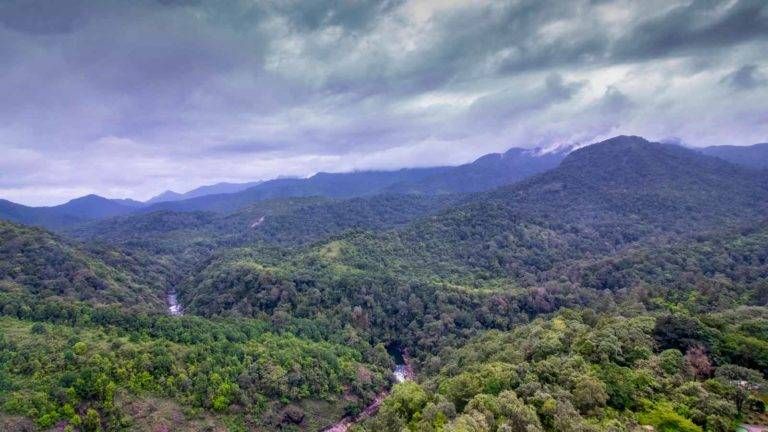
• Deep in the heart of Kerala’s Western Ghats lies a treasure trove of biodiversity and natural beauty – the Parambikulam Tiger Reserve. Spread across 643.66 square kilometers, this reserve is a haven for wildlife enthusiasts, nature lovers, and adventure seekers.


    The Parambikulam Tiger Reserve is home to a diverse range of wildlife, including majestic Bengal tigers, elephants, leopards, gaur, sambar deer, and numerous bird species. The reserve’s unique geography, with its mix of evergreen, semi-evergreen, and moist deciduous forests, supports an incredible array of flora and fauna.


    Visitors to the reserve can embark on guided wildlife safaris, trekking expeditions, and nature walks, led by experienced guides and naturalists. The reserve also offers boating on the tranquil waters of the Parambikulam Reservoir, providing a serene and picturesque experience.


    The Parambikulam Tiger Reserve is not only a haven for wildlife but also a home to several indigenous tribes, including the Kadar, Malasar, and Muduvar communities. These tribes have lived in harmony with nature for generations, and their traditional knowledge and practices contribute to the conservation efforts in the reserve.


    The Parambikulam Tiger Reserve is a model for successful conservation and ecotourism efforts. The reserve’s management focuses on sustainable tourism practices that benefit both the environment and local communities. Visitors can engage in various ecotourism activities that promote conservation awareness and support the local economy.


    The best time to visit the Parambikulam Tiger Reserve is from November to April, when the weather is pleasant and wildlife sightings are more frequent. The reserve offers various accommodation options, including eco-friendly treehouses, tents, and forest lodges.

    Things to Do

    • Wildlife Safari: Explore the reserve’s core areas in a guided jeep or bus safari
    • Trekking: Embark on guided treks through the reserve’s diverse landscapes
    • Boating: Enjoy a serene boat ride on the Parambikulam Reservoir
    • Bird Watching: Spot over 250 species of birds in the reserve
    • Tribal Symposia: Learn about the traditional knowledge and practices of the indigenous tribes

    Whether you’re a wildlife enthusiast, nature lover, or adventure seeker, the Parambikulam Tiger Reserve has something to offer. Plan your visit today and experience the beauty and wonder of this incredible ecosystem.

  • In the late 19th century, when women’s education was a taboo in India, Anandibai Joshi defied societal norms and pursued her dream of becoming a doctor. Her remarkable journey is an inspiration to many, and her legacy continues to empower women to this day.

    Dr.Anadibai Joshi


    Anandibai was born in 1865 in Kalyan, Maharashtra, to a conservative Hindu family. She was married at the tender age of nine to Gopalrao Joshi, a man much older than her. Despite the challenges she faced, Anandibai’s husband encouraged her to pursue education, and she began her journey towards becoming a learned woman.


    As Anandibai grew older, she became increasingly passionate about education and medicine. Her husband supported her dreams, and she began studying medicine. Anandibai’s determination and perseverance paid off when she was accepted into the Women’s Medical College of Pennsylvania in the United States.


    Anandibai’s journey was not without its challenges. She faced numerous obstacles, including cultural and societal pressures, language barriers, and financial constraints. Despite these hurdles, she remained steadfast in her pursuit of medical education. Anandibai’s dedication and hard work earned her a degree in medicine, and she became India’s first female doctor.


    Anandibai’s achievement was a groundbreaking moment in Indian history. She paved the way for future generations of women to pursue careers in medicine and education. Her legacy continues to inspire women to break free from societal norms and pursue their dreams.


    Tragically, Anandibai’s life was cut short due to tuberculosis. Despite her untimely death at the age of 21, her impact on Indian society and women’s empowerment remains significant.


    Anandibai Joshi’s story is a testament to the power of determination and perseverance. She defied societal norms and pursued her dreams, leaving behind a legacy that continues to inspire women to this day. Her remarkable journey serves as a reminder that with hard work and dedication, anything is possible.

    By sharing Anandibai’s story, we hope to inspire future generations to pursue their passions and break free from societal constraints. Her legacy will continue to empower women and inspire them to reach for the stars.


  • Silent Valley National Park, situated in the Palakkad district of Kerala, is a pristine and biodiverse region that offers a tranquil escape from the hustle and bustle of city life. This national park is a treasure trove of natural wonders, featuring lush forests, sparkling streams, and cascading waterfalls. Let’s dive into the details of this incredible destination.


    Silent Valley National Park is nestled in the Western Ghats, a UNESCO World Heritage Site known for its diverse wildlife and stunning landscapes. The park is approximately 80 kilometers northwest of Coimbatore and 40 kilometers southwest of Mannarkkad. You can reach Silent Valley by air, train, or road, with the nearest airport being Coimbatore International Airport and the nearest railway station being Palakkad Junction.


    The ideal time to visit Silent Valley National Park is from December to April, when the climate is pleasant and the rainfall is low. During this period, the average temperature ranges from 15°C to 25°C, making it perfect for outdoor activities like trekking and wildlife spotting.

    Things to Do

    • Trekking: Explore the park’s diverse landscapes and lush forests through guided treks, suitable for all levels.
    • Wildlife Spotting: Catch a glimpse of the park’s incredible wildlife, including lion-tailed macaques, Malabar giant squirrels, and various bird species.
    • Bird Watching: With over 200 species of birds, Silent Valley is a paradise for bird enthusiasts.
    • Photography: Capture the park’s breathtaking landscapes and wildlife through photography.

    Packages and Tours

    • Sairandhri Package: A 30-meter high tower offering panoramic views of the park and its surroundings.
    • Kunthipuzha River Package: A full-day package including a jeep ride, trek to Poochipara waterfall, and picnic lunch.
    • Walakkad Package: A two-day package including a jeep ride, trek to Walakkad campsite, and overnight stay.

    Accommodation and Facilities

    • Eco-friendly Accommodations: Stay in nearby towns like Mukkali or eco-lodges within the park for an immersive experience.
    • Guided Tours: Join experienced guides for trekking, wildlife spotting, and nature interpretation.
    • Basic Facilities: Restrooms, drinking water facilities, and picnic areas are available within the park.


    Silent Valley National Park is a model for successful conservation and ecotourism efforts. The park’s management focuses on preserving its unique ecosystems while promoting sustainable tourism practices. Visitors can engage in activities that foster an appreciation for conservation while enjoying the park’s natural beauty.¹


    Silent Valley National Park is a must-visit destination for nature lovers and adventure seekers. With its stunning landscapes, diverse wildlife, and conservation efforts, this park offers a unique experience for visitors. Plan your trip to Silent Valley and immerse yourself in the natural beauty of Kerala’s wilderness.


  • North East India, a region of breathtaking beauty and rich cultural heritage, is a treasure trove of diverse landscapes, traditions, and cuisines. Comprising eight states – Arunachal Pradesh, Assam, Manipur, Meghalaya, Mizoram, Nagaland, Sikkim, and Tripura – this region is a paradise for travelers and adventure seekers.


    The North East is home to some of the most stunning natural landscapes in the country. From the majestic Brahmaputra River to the rolling hills of the Khasi and Jaintia mountains, the region’s diverse geography is awe-inspiring. The lush forests, sparkling waterfalls, and serene lakes make it an ideal destination for nature lovers and photographers.


    The North East is a melting pot of cultures, with each state having its unique traditions, customs, and festivals. The region is home to a diverse array of tribes, each with their distinct language, cuisine, and art forms. Visitors can experience the vibrant colors and patterns of traditional clothing, music, and dance, which reflect the region’s rich cultural heritage.


    The cuisine of North East India is a reflection of its cultural diversity. Each state has its unique culinary traditions, with popular dishes like Assam’s fish curry, Manipur’s Iromba, and Meghalaya’s Jadoh. The region’s cuisine is known for its use of fresh herbs, spices, and fermented products, which add a distinct flavor to the dishes.


    The North East offers a range of adventure activities, from trekking and rafting to wildlife exploration and birdwatching. The region’s diverse landscapes and ecosystems make it an ideal destination for outdoor enthusiasts. Visitors can explore the Kaziranga National Park, home to the endangered one-horned rhinoceros, or trek through the scenic hills of Arunachal Pradesh.


    North East India is a hidden gem waiting to be discovered. With its stunning natural beauty, rich cultural heritage, and diverse traditions, the region offers a unique experience for travelers. Whether you’re an adventure seeker, nature lover, or cultural enthusiast, the North East has something to offer everyone. So, come and explore this enchanting region, and discover its secrets for yourself.


  • In the early 2000s, a group of economists coined the term BRIC to describe the emerging economies of Brazil, Russia, India, and China. Later, South Africa joined the group, and it became known as BRICS. Today, BRICS represents a powerful bloc of nations that are shaping the global economy and redefining the future of international relations.


    The BRICS nations have experienced remarkable economic growth over the past few decades. China, in particular, has undergone a stunning transformation, emerging as a global economic powerhouse. India, Brazil, and Russia have also made significant strides in developing their economies, while South Africa has brought a unique perspective to the group.


    BRICS is more than just a grouping of nations; it’s a new model of cooperation that emphasizes mutual respect, equality, and win-win outcomes. The member countries have come together to promote trade, investment, and economic cooperation, while also addressing global challenges such as climate change, poverty, and inequality.


    The BRICS nations have identified several key areas of cooperation, including:

    • Trade and investment: Promoting trade and investment among member countries and with the rest of the world.
    • Finance: Strengthening financial cooperation and developing new financial institutions, such as the New Development Bank.
    • Energy: Collaborating on energy security and promoting sustainable energy solutions.
    • Technology: Sharing knowledge and expertise in areas like information technology, biotechnology, and nanotechnology.


    The BRICS nations are having a significant impact on the global economy and international relations. They are promoting a more multipolar world order, where emerging economies have a greater say in global decision-making. BRICS is also driving innovation and entrepreneurship, creating new opportunities for businesses and individuals around the world.


    The story of BRICS is a testament to the power of cooperation and the potential of emerging economies. As the BRICS nations continue to grow and develop, they will play an increasingly important role in shaping the future of the world. By working together, they can create a more prosperous, equitable, and sustainable world for all.


  • In the realm of Greek mythology, Pegasus, the winged horse, has captivated imaginations for centuries. This majestic creature has become an enduring symbol of inspiration, creativity, and intellectual pursuits.


    Pegasus was said to have been born from the blood of Medusa, the snake-haired Gorgon, after she was beheaded by Perseus. This mythical origin story has been depicted in various forms of art and literature throughout history, showcasing the creature’s significance in ancient Greek culture.


    Pegasus was often associated with the Muses, the goddesses of the arts and sciences. According to myth, Pegasus created the spring of Hippocrene on Mount Helicon by striking the ground with his hoof. This spring was said to inspire creativity and intellectual pursuits in those who drank from it, making Pegasus a powerful symbol of artistic and literary inspiration.


    The image of Pegasus has been used in various contexts, from literature and art to advertising and branding. The winged horse has become a potent symbol of imagination, inspiration, and intellectual curiosity, continuing to inspire artists, writers, and thinkers around the world.


    The story of Pegasus is a testament to the enduring power of myth and imagination. This legendary winged horse continues to captivate audiences and inspire new generations of creatives, serving as a reminder of the importance of inspiration and intellectual pursuits.


  • K.R. Narayanan, the 10th President of India, left an indelible mark on the country’s history. His life’s journey is a testament to his dedication, perseverance, and commitment to public service.


    Born on October 4, 1921, in Perumthanam, Kerala, Narayanan’s early life was marked by humble beginnings. Despite facing numerous challenges, he pursued his education with determination, earning a Master’s degree in English Literature from the University of Kerala.


    Narayanan’s career spanned multiple fields, including diplomacy, academia, and politics. He served as a diplomat in various countries, including Japan, the United Kingdom, and Australia. His experience in international relations and diplomacy would later shape his presidency.


    In 1997, Narayanan was elected as the President of India, becoming the first Dalit to hold the office. During his tenure, he worked tirelessly to promote national unity, social justice, and human rights. His presidency was marked by a commitment to upholding the Constitution and protecting the rights of the marginalized.


    K.R. Narayanan’s legacy extends beyond his presidency. He remains an inspiration to many, particularly in the Dalit community, for his determination and perseverance in the face of adversity. His life’s journey serves as a reminder of the importance of dedication, hard work, and commitment to public service.


    The story of K.R. Narayanan’s life is a testament to the power of human spirit and the impact one individual can have on a nation. His legacy continues to inspire and motivate people to work towards a more just and equitable society.


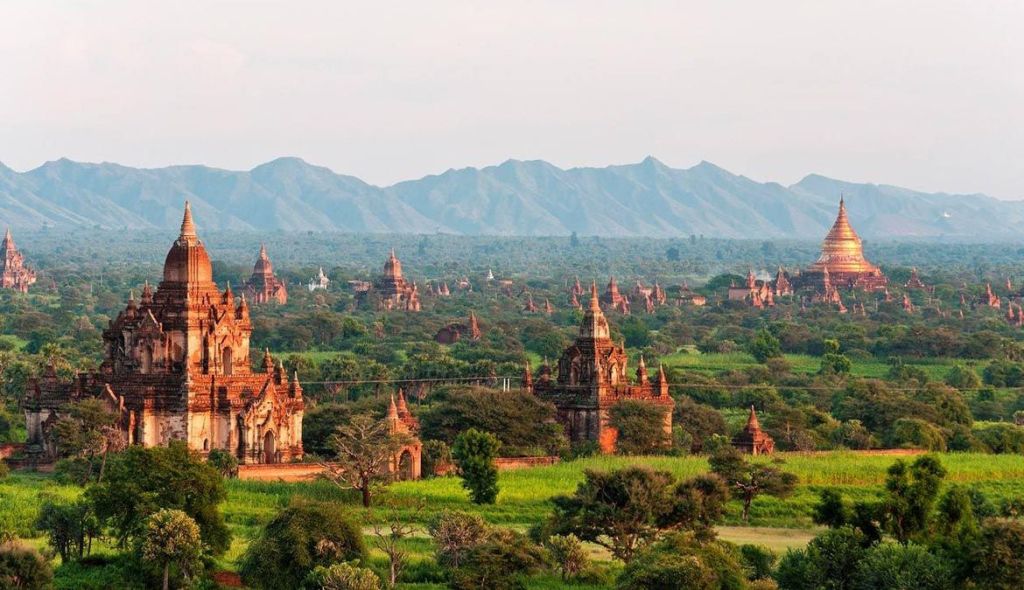
  • The Southeast Asian nation of Myanmar, formerly known as Burma, has undergone a significant transformation in recent years. This journey through time explores the country’s rich history, cultural heritage, and the changes that have shaped its identity.


    Burma’s history dates back to the 11th century, with the Pagan Kingdom being a notable period in its ancient past. The country was later colonized by the British in the 19th century, which had a profound impact on its culture, economy, and politics.

    The Name Change: Burma to Myanmar
    In 1989, the military government of Burma changed the country’s name to Myanmar. This change was part of a broader effort to shed the country’s colonial legacy and assert its independence. However, the name change has been a subject of controversy, with some arguing that it was imposed without sufficient consultation with the people.


    Myanmar is home to a rich cultural heritage, with Buddhism playing a significant role in its traditions and daily life. The country’s stunning temples, vibrant festivals, and warm hospitality are just a few aspects of its unique culture.


    Myanmar has faced numerous challenges in recent years, including economic struggles, political instability, and human rights concerns. However, the country has also made significant progress in areas such as tourism, infrastructure development, and economic reforms.


    As Myanmar continues to evolve and grow, it is essential to acknowledge its complex history and cultural heritage. By understanding the country’s past and present, we can better appreciate its unique identity and the opportunities that lie ahead.


    The transformation of Burma to Myanmar is a story of a nation’s journey through time, shaped by its history, culture, and people. As the country continues to grow and develop, it is essential to respect its unique identity and the complexities of its past.

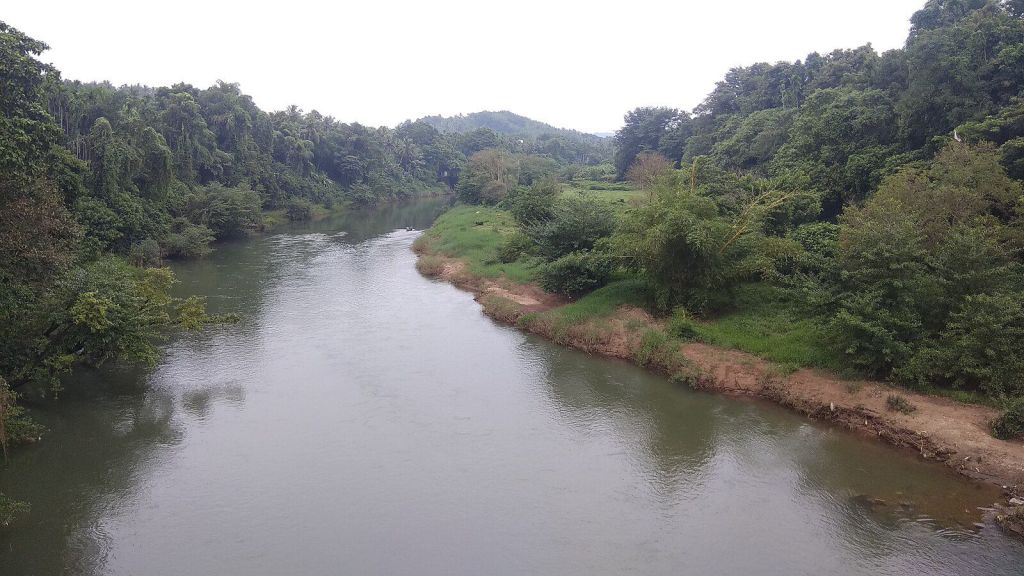
  • Tucked away in the Kozhikode district of Kerala, India, lies the serene Elavazhinji River, a tributary of the Chaliyar River. This tranquil waterbody is nestled near the neighborhoods of Perinnakkad Colony and Lakshamveedu Colony, offering breathtaking views and a chance to connect with nature.


    The Elavazhinji River is surrounded by picturesque towns and villages, each with its unique charm. Some notable places to visit in the area include:

    • Mukkam: A major municipal town located about 27 km east of Kozhikode city, known for its scenic beauty and tranquil atmosphere.
    • Thiruvambady: A historic hill town situated 35 kilometers west of Kozhikode, famous for its Panchayat headquarters and legislative assembly constituency.
    • Koodaranji: A hill town in Kozhikode district, offering stunning views and a chance to experience the region’s natural beauty.


    The Elavazhinji River and its surroundings offer ample opportunities for nature lovers and adventure enthusiasts. Visitors can:

    • Take a stroll: Enjoy a leisurely walk along the riverbank, soaking in the serene atmosphere and scenic views.
    • Explore the region: Discover the local flora and fauna, and experience the unique culture of the area.
    • Relax and unwind: Find a peaceful spot to relax and rejuvenate, surrounded by nature’s beauty.


    The Elavazhinji River is easily accessible by road, with Kozhikode city being the nearest major hub. Visitors can take a taxi or bus from Kozhikode to reach the river.


    The Elavazhinji River is a hidden gem in Kerala, waiting to be explored and appreciated. Its serene atmosphere, scenic views, and surrounding towns make it an ideal destination for nature lovers and those seeking a peaceful getaway.¹


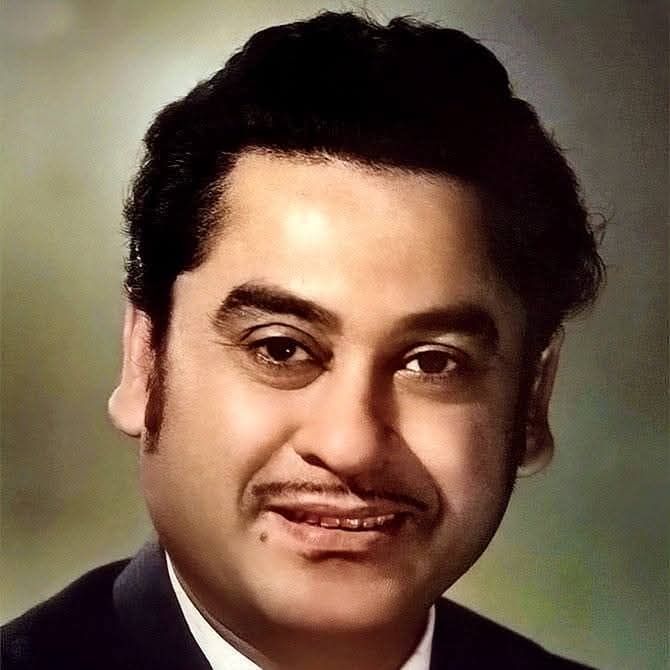
  • Kishore Kumar, one of India’s most iconic playback singers, left an indelible mark on the music industry. With his unique voice and versatility, he continues to captivate audiences even decades after his passing. Let’s embark on a journey to explore the life and legacy of this legendary singer.

    Kishore Kumar


    Born on August 4, 1929, in Khandwa, Madhya Pradesh, Kishore Kumar was the youngest of four siblings. His early life was marked by a passion for music, which was encouraged by his family. Kumar’s journey in the music industry began as a playback singer, and he eventually became one of the most sought-after voices in Bollywood.


    Kishore Kumar’s voice was a game-changer in the Indian music industry. He sang for numerous iconic actors, including Rajesh Khanna, Amitabh Bachchan, and Dev Anand. His songs continue to be popular even today, and his legacy has inspired generations of singers.

    Some of His Most Iconic Songs

    • “Mere Sapno Ki Rani” from the movie Aradhana
    • “Yeh Dosti” from the movie Sholay
    • “Chalo Sajna Jahan Tak” from the movie Padosan
    • “Mere Naina Sawan Bhadon” from the movie Mehbooba

    Kishore Kumar won numerous awards during his career, including eight Filmfare Awards for Best Male Playback Singer. He was also awarded the Padma Bhushan in 2001, one of India’s highest civilian honors.


    Kishore Kumar’s impact on the Indian music industry is immeasurable. He revolutionized playback singing and inspired countless singers. His songs continue to be enjoyed by people of all ages, and his legacy remains unparalleled.


    Kishore Kumar’s life and career are a testament to his talent, dedication, and passion for music. His voice continues to captivate audiences, and his legacy serves as an inspiration to aspiring singers. As we reflect on his remarkable journey, we are reminded of the power of music to transcend time and touch hearts.