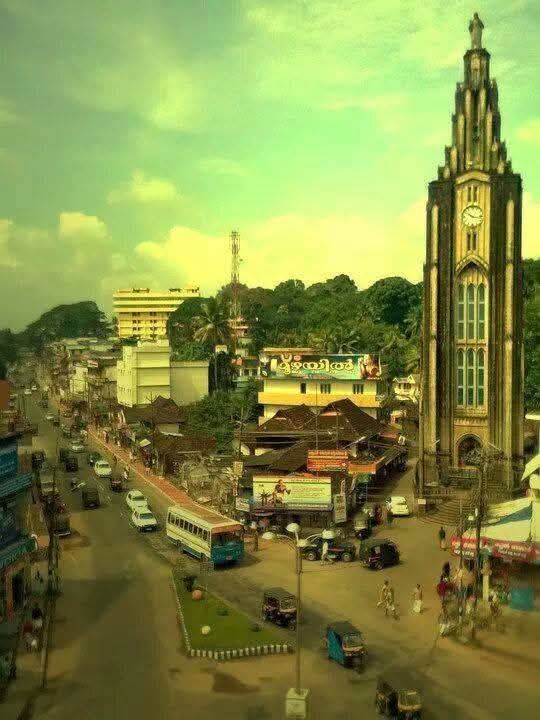
• Nestled in the heart of Kerala’s Kottayam district, Palai is a municipal town that boasts a rich history, cultural heritage, and breathtaking natural beauty. Let’s embark on a journey to explore this fascinating town.
    A Glimpse into Palai’s History
    Palai’s history dates back to 1000 AD, with the earliest settlements tracing their roots to this period. The town was once part of the princely state of Travancore and was ruled by the Njavakattu Karthas, who were known for their patronage of the arts and architecture.


    Palai is home to numerous cultural and educational institutions, including St. Thomas College and Alphonsa College. The town is also famous for its churches, such as St. Thomas Cathedral and St. Mary’s Forane Church, Kuravilangad, which showcase a unique blend of Roman and Portuguese architectural styles.

    Places to Visit
    Some of the top attractions in Palai include:

    • St. Thomas Cathedral: A historic church with a museum featuring royal antiques and artifacts
    • Poonjar Palace Complex: A 600-year-old palace that reflects Kerala’s rich cultural heritage
    • St. Alphonsa of Bharananganam: A revered shrine dedicated to the saint, with a marble tomb and a museum showcasing her life and legacy
    • Lalam Mahadeva Temple: A sacred Hindu temple located on the banks of the Lalam River
    • Kadappattor Mahadeva Temple: Another prominent Hindu temple situated on the banks of the Meenachil River


    Palai is surrounded by lush green landscapes, with the Meenachil River flowing gently through the town. The nearby Western Ghats offer breathtaking views and opportunities for trekking and exploration.


    Palai is a hidden gem in Kerala, waiting to be discovered by travelers and adventurers. With its rich history, cultural significance, and natural beauty, this town has something to offer everyone. Whether you’re interested in history, architecture, or nature, Palai is a must-visit destination in Kerala.


  • In the heart of Rome, where ancient history meets modern passion, one name stands out among the rest – Francesco Totti. Born on September 27, 1976, Totti’s love affair with football began at a tender age, and his destiny was forever intertwined with AS Roma, the club he would come to embody.

    Francesco Totti


    Totti’s journey to stardom began in the Porta Metronia neighborhood, where he spent countless hours honing his skills. His talent didn’t go unnoticed, and soon he joined AS Roma’s youth system in 1989. By 1992, he had made his professional debut, and the rest, as they say, is history.

    The Captain: Leadership and Loyalty
    As Totti grew into his role, he became more than just a player – he was a symbol of loyalty and leadership. In 1998, at just 22 years old, he was appointed captain, a position he held for nearly two decades. His dedication to the club was unwavering, rejecting lucrative offers from other teams to stay true to his roots.

    Glory Days: Trophies and Accolades
    Totti’s trophy cabinet is filled with an impressive array of honors, including:

    • Serie A Title: 2000-01
    • Coppa Italia: 2006-07, 2007-08
    • Supercoppa Italiana: 2001, 2007
    • FIFA World Cup: 2006
    • European Golden Shoe: 2006-07

    His individual accolades are equally impressive, with numerous awards for his performances, including the Serie A Italian Footballer of the Year and the Golden Foot award.


    Totti’s impact on AS Roma and Italian football is immeasurable. He’s known by many nicknames, including “Il Capitano” (The Captain), “L’Ottavo Re di Roma” (The Eighth King of Rome), and “Il Gladiatore” (The Gladiator). His legacy extends beyond his on-field accomplishments, inspiring generations of football fans with his passion, loyalty, and dedication.


    When Totti announced his retirement in 2017, it marked the end of an era. His farewell match was a testament to the love and respect he commands from fans worldwide. Though he’s no longer on the pitch, his legacy lives on, inspiring future generations of footballers and fans alike.


    Totti’s story is one of passion, loyalty, and greatness. His contributions to AS Roma and Italian football will never be forgotten. As we look back on his remarkable career, we’re reminded of the power of dedication and the enduring legacy of a true football legend.


  • In the world of international trade, few events have sparked as much debate and uncertainty as the Trump tariffs. Implemented in 2025, these tariffs have sent shockwaves through the global economy, leaving businesses and consumers alike wondering what the future holds.


    It all began in February 2025, when President Donald Trump reinstated and expanded tariffs on several key trading partners, including Canada, Mexico, and China. The tariffs were part of Trump’s broader strategy to protect American industries and reduce trade deficits.

    • February 2025: Trump doubles tariffs on all Chinese imports to 20%, with a 10% tariff on all Chinese imports taking effect on February 5.
    • March 2025: Trump suspends some tariffs and introduces new exemptions, including a one-month suspension on Canadian and Mexican tariffs.
    • April 2025: A universal 10% tariff on nearly all imported goods takes effect, with specific industries like steel and aluminum facing even steeper tariffs of up to 50%.


    The Trump tariffs have had far-reaching consequences for the global economy. The World Trade Organization (WTO) has warned that the tariffs could trigger a significant contraction in global trade, with some estimates suggesting a decline of up to 81-91% in trade between the US and China.

    • Higher Prices: Import tariffs increase costs for businesses, which are often passed on to consumers.
    • Job Market Uncertainty: The tariffs have created uncertainty in the job market, with some industries facing potential job losses due to increased costs.
    • Slower Economic Growth: The International Monetary Fund (IMF) has downgraded its global GDP forecast to 2.8% due to tariff-driven income loss.


    The Trump tariffs have sparked a global response, with many countries imposing retaliatory tariffs on US goods. China, in particular, has been a major target of Trump’s tariffs, with duties on Chinese goods reaching as high as 145% in some cases.

    • China’s Retaliation: China has imposed 15% tariffs on US coal and liquefied natural gas, as well as 10% tariffs on certain agricultural machinery and large engines.
    • Canada and Mexico: Both countries have imposed counter-tariffs on US goods, with Canada adding a 6-month suspension on tariffs for imports critical to manufacturing, food and beverage processing, healthcare, and national security.
    • European Union: The EU has proposed increasing tariffs to target $100 billion worth of US goods.


    As the Trump tariffs continue to shape the global trade landscape, one thing is clear: the future of trade is uncertain. Will the tariffs achieve their intended goal of protecting American industries, or will they lead to further economic instability? Only time will tell.


  • The history of Alaska is a fascinating tale of exploration, purchase, and settlement. While Alaska is now an integral part of the United States, its journey to becoming an American territory is a story worth telling.

    The Early Days: Russian Rule
    Alaska was originally inhabited by indigenous peoples, including the Inupiat, Yupik, Aleut, and Athabascan. In the 18th century, Russian explorers arrived, and the territory became a Russian colony. The Russians established settlements, traded with the native populations, and harvested the region’s rich fur resources.


    In 1867, the United States purchased Alaska from Russia for $7.2 million, which is approximately $125 million in today’s dollars. This transaction, known as the Alaska Purchase, was negotiated by U.S. Secretary of State William H. Seward and Russian Minister to the United States Eduard de Stoeckl. The purchase was initially met with skepticism and even ridicule, with some referring to it as “Seward’s Folly.”

    American Settlement and Development
    Following the purchase, American settlers began to arrive in Alaska. The discovery of gold in the late 1800s brought a surge of prospectors, and the establishment of mining camps and towns. The construction of the Alaska Highway during World War II further facilitated settlement and development.


    Alaska’s journey to statehood was a long and complex one. In 1958, Congress passed the Alaska Statehood Act, and Alaska became the 49th state on January 3, 1959.


    The story of Alaska’s history is one of exploration, purchase, and settlement. From its early days as a Russian colony to its current status as an American state, Alaska’s complex history has shaped the territory into what it is today.

    If you’re looking for more information on Alaska’s history or would like to explore specific aspects of its development, feel free to ask!


  • In the world of supercars, few brands evoke the same level of passion and excitement as Lamborghini. But have you ever wondered how this iconic brand came to be? The story begins with a chance meeting between Ferruccio Lamborghini, a successful tractor manufacturer, and Enzo Ferrari, the legendary founder of Ferrari.


    Ferruccio Lamborghini owned several Ferrari cars, but he was dissatisfied with their quality, particularly the clutch mechanism. One day, he decided to visit Enzo Ferrari at his factory in Maranello to discuss the issues. However, Ferrari’s response was far from welcoming. According to legend, Ferrari told Lamborghini, “Let me make cars. You stick to making tractors.” This dismissive remark sparked a fire within Lamborghini, and he became determined to create his own line of high-performance cars.

    From Tractors to Supercars
    Born on April 28, 1916, in Renazzo, Italy, Ferruccio Lamborghini grew up in a family of farmers. After serving in the Italian Royal Air Force during World War II, he began repairing and converting military vehicles into tractors. This venture eventually became Lamborghini Trattori, a company that would make him a wealthy industrialist. With his success, Lamborghini was able to pursue his passion for cars, owning several luxury vehicles, including multiple Ferraris.

    The Creation of Lamborghini Automobili
    In 1963, Lamborghini founded Automobili Lamborghini in Sant’Agata Bolognese, near Bologna. He assembled a team of talented engineers, including Giotto Bizzarrini, Gian Paolo Dallara, and Paolo Stanzani, to design and build his first car, the 350 GTV. Although the 350 GTV didn’t gain much traction, its successor, the 350 GT, debuted at the Turin Motor Show in 1964 and became an instant success.

    Iconic Models
    Some of the most iconic Lamborghini models include:

    • Lamborghini Miura: A revolutionary car with a mid-mounted V12 engine, the Miura is considered one of the most beautiful cars ever made.
    • Lamborghini Countach: With its wedge-shaped design and scissor doors, the Countach is an iconic supercar that has become a symbol of luxury and performance.
    • Lamborghini Espada: A grand tourer with a V12 engine, the Espada is known for its sleek design and comfortable interior.


    Today, Lamborghini is part of the Volkswagen Group and continues to push the boundaries of innovation and design. The brand’s commitment to performance, luxury, and style has made it a leader in the supercar market. Ferruccio Lamborghini’s legacy extends beyond his cars; he proved that with determination and hard work, even the most unlikely challenges can be overcome.


  • In the mystical land of Kerala, India, lies a captivating art form that has been mesmerizing audiences for centuries. Theyyam, a ritualistic dance-drama, is a unique blend of spirituality, mythology, and cultural heritage. Let’s embark on a journey to explore the fascinating world of Theyyam and uncover its secrets.


    Theyyam has its roots in ancient tribal communities of North Malabar, where it was performed as a ritual to honor deities and connect with nature. Over time, this dynamic art form evolved, incorporating elements of Hindu mythology and cultural traditions. Today, Theyyam is an integral part of Kerala’s cultural identity, with over 400 variations showcasing its diversity and richness.


    Theyyam is more than just a performance; it’s a sacred ritual that embodies the spirit of gods, goddesses, and immortal souls. Performers, often men, don elaborate costumes and vibrant makeup to transform into divine beings. The rhythmic beats of traditional music guide their movements, creating a captivating spectacle that merges art, religion, and history.

    Types of Theyyam
    Some of the most famous forms of Theyyam include:

    • Vishnumoorthi Theyyam: A popular form that narrates the story of Hiranyakashipu’s death by Lord Narasimha
    • Muthappan Theyyam: Associated with a deity from the Brahmin family Kalakattu illam, showcasing the rich mythology of Kerala
    • Chamundi Theyyam: A fierce incarnation of the Hindu goddess Kali, symbolizing power and protection
    • Devakoothu Theyyam: The only form performed by women, highlighting the diversity and inclusivity of Theyyam


    To witness the enchanting world of Theyyam, visit Kerala during the winter months (December to April), when temple festivals take place. Some of the most famous festivals are held in:

    • Kannur: Known for its rich cultural heritage and vibrant Theyyam performances
    • Kasaragod: A hub for Theyyam enthusiasts, with numerous temples and festivals
    • Parassinikadavu Muthappan Temple: A renowned temple showcasing the majestic Muthappan Theyyam

    Preserving the Legacy of Theyyam
    Efforts are being made to preserve the legacy of Theyyam, including documentation, performance sponsorships, and cultural institutions. The Folklore Museum Academy in Kannur is a great place to learn about Kerala’s rich folk traditions, including Theyyam.

    Theyyam is a captivating art form that showcases Kerala’s rich cultural heritage and spiritual traditions. Its unique blend of mythology, music, and dance makes it a must-experience for anyone interested in exploring the depths of Indian culture.


  • Sam Altman, a name synonymous with innovation and artificial intelligence, has been making waves in the tech world for over a decade. As the CEO of OpenAI, Altman has been instrumental in shaping the future of AI and its applications. Let’s dive into his remarkable journey and explore what makes him a leader in this field.

    Sam Altman

    Early Days and Education
    Born on April 22, 1985, in St. Louis, Missouri, Altman displayed an early aptitude for technology and entrepreneurship. He attended John Burroughs School and later studied computer science at Stanford University. However, he dropped out after two years to pursue his entrepreneurial ventures.


    At 19, Altman co-founded Loopt, a location-based social networking app, which raised over $30 million in venture capital funding. Although the company was eventually acquired by Green Dot Corporation for $43 million, it marked the beginning of Altman’s entrepreneurial journey.

    Altman joined Y Combinator (YC) in 2011 and became its president in 2014. During his tenure, YC funded over 2,000 startups, including iconic companies like Airbnb, Stripe, and Reddit. He introduced the YC Continuity Fund, allowing the accelerator to invest in later-stage startups.

    Leading OpenAI
    In 2019, Altman left YC to focus on OpenAI as its CEO. Under his leadership, OpenAI transitioned to a capped-profit model, securing significant funding from partners like Microsoft. Altman has been instrumental in developing groundbreaking AI models like GPT-3, GPT-4, and GPT-5.

    Key Achievements

    • Advancing AI Research: Altman has spearheaded research into Artificial General Intelligence (AGI), envisioning it as a transformative tool for humanity.
    • AI Safety and Ethics: He emphasizes the need for ethical governance and international collaboration to mitigate AI risks.
    • Global Impact: Altman engages with governments and corporations to shape AI policies and applications, ensuring that AI benefits all of humanity.
    • Investments and Partnerships: He has invested in innovative startups like Helion Energy and Worldcoin, and partnered with NVIDIA to advance AI hardware.


    Altman’s leadership hasn’t been without challenges. He was briefly removed as CEO of OpenAI in 2023 but reinstated after employee backlash and negotiations. Critics argue that Altman is becoming one of the most powerful people on Earth, and his influence on AI development should be scrutinized.


    Sam Altman’s journey is a testament to his innovative spirit and leadership. As OpenAI continues to push the boundaries of AI research, Altman’s vision for a future where AI benefits humanity will undoubtedly shape the world we live in. With his commitment to innovation, mentorship, and cutting-edge research, Altman is poised to leave a lasting impact on the tech sector.


  • In the world of crime, few stories captivate the imagination like that of Albert Spaggiari, the mastermind behind one of the most audacious bank robberies in French history. Born in 1932 in Laragne-Montéglin, France, Spaggiari’s life was marked by rebellion and adventure from a young age.


    Spaggiari’s father died when he was just three years old, and his mother remarried. However, Albert despised his stepfather and left home at 17 to join the Parachute Regiment, fighting against Ho Chi Minh’s communist forces in Indochina. During his military service, Spaggiari proved himself to be a tough soldier, earning decorations for bravery. Nevertheless, his old habits resurfaced, and he was caught breaking into a milk bar in Hanoi, leading to his imprisonment.


    Spaggiari’s most notorious exploit was the 1976 bank robbery in Nice, where he and his gang dug an eight-meter tunnel from the sewer to the vault of the Société Générale bank. The heist was meticulously planned, with Spaggiari’s team working long hours in the sewers, even stringing up electric cables for lighting. They decorated the tunnel walls with racy pictures of women, and police later found the remains of meals and empty wine bottles.

    The gang made off with an estimated 46 million francs, none of which was ever recovered. The daring heist captured the imagination of the public, and Spaggiari became known as the “Prince of Thieves”.


    Spaggiari was eventually arrested after a tip-off from a former girlfriend led the police to one of his accomplices. However, during his trial, Spaggiari devised an audacious escape plan. He created a fictitious document, distracting the judge, and then jumped out of a window, landing safely on a parked car and escaping on a waiting motorcycle.


    After his escape, Spaggiari fled to Argentina, where he lived for several years. There were rumors that he occasionally snuck back into France to visit his mother and wife. Spaggiari’s life in hiding added to his legend, and he became a symbol of anti-heroes who challenge the system.


    Albert Spaggiari’s story has inspired books, films, and documentaries. His daring heist and clever escape have cemented his place in the annals of crime history. Despite his eventual death from lung cancer in 1989, Spaggiari’s legend lives on, captivating audiences with its mix of adventure, cunning, and rebellion.


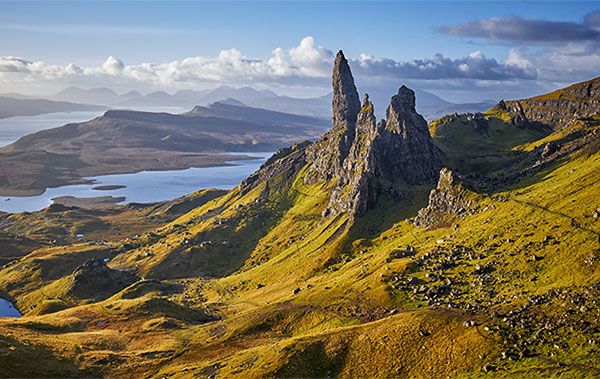
  • Scotland, a land of breathtaking landscapes and rich history, is renowned for its whisky production. From the misty mountains to the rolling hills, Scotland’s diverse regions offer a unique whisky-making experience. Let’s embark on a journey to explore the best of Scotland’s whisky country.

    Discovering Scotland’s Whisky Trails
    Scotland’s whisky trails are a testament to the country’s rich heritage and craftsmanship. The Speyside Whisky Trail, for instance, is home to some of the most iconic distilleries, including¹ ²:

    • Glenfiddich: Known for its interactive exhibits and guided tours, Glenfiddich is a must-visit for whisky enthusiasts.
    • Macallan: With its award-winning architecture, Macallan offers private tastings and a glimpse into the art of whisky-making.
    • Lagavulin: Located on the island of Islay, Lagavulin is famous for its smoky drams and iconic red chimney.

    Exploring Scotland’s Distilleries
    Scotland’s distilleries are not just about whisky production; they’re also about storytelling and tradition. Some notable distilleries include³ ⁴:

    • Glenturret Distillery: Scotland’s oldest working distillery, Glenturret offers a unique glimpse into traditional whisky-making methods.
    • Blair Athol Distillery: Located in the picturesque town of Pitlochry, Blair Athol offers tours and tastings of its distinctive single malt whiskies.
    • Talisker Distillery: Situated on the Isle of Skye, Talisker is known for its whiskies with a salty taste, reflecting the island’s rugged landscape.

    Experiencing Scotland’s Whisky Culture
    Scotland’s whisky culture is deeply rooted in its history and traditions. Visitors can experience this culture by:

    • Whisky Tastings: Sample some of Scotland’s finest whiskies, from peated Islay whiskies to smooth Speyside drams.
    • Distillery Tours: Learn about the whisky-making process and the history behind each distillery.
    • Whisky and Food Pairings: Discover how whisky pairs with local cuisine, from seafood to traditional Scottish dishes.

    Planning Your Whisky Journey
    To make the most of your whisky journey in Scotland, consider the following tips⁵:

    • Best Time to Visit: Spring and autumn are ideal times to visit Scotland’s distilleries, with mild weather and fewer tourists.
    • Getting There: Scotland’s airports and public transportation system make it easy to reach distilleries and towns.
    • Accommodation: Choose from a range of hotels, B&Bs, and self-catering cottages near distilleries and towns.

    Scotland’s whisky country offers a unique blend of tradition, culture, and natural beauty. Whether you’re a whisky enthusiast or just curious about Scotland’s heritage, a journey through Scotland’s distilleries is sure to be an unforgettable experience. So, pack your bags, grab your whisky glass, and embark on a journey of discovery through the land of whisky. Cheers!


  • As the sun rises over the Red Fort in New Delhi, the Prime Minister of India hoists the national flag, marking the beginning of Independence Day celebrations. This momentous occasion, observed on August 15th every year, commemorates India’s liberation from British colonial rule in 1947.


    India’s journey to freedom was long and arduous, with countless freedom fighters sacrificing their lives for the nation’s independence. Leaders like Mahatma Gandhi, Jawaharlal Nehru, and Subhas Chandra Bose played pivotal roles in shaping the country’s destiny. On August 15, 1947, India officially became a sovereign nation, ending nearly 200 years of British rule.


    Independence Day is a vibrant celebration of India’s rich cultural heritage and diversity. From the Red Fort ceremony in Delhi to local flag-hoisting events, patriotic parades, and cultural programs, the nation comes together to honor its freedom fighters and celebrate its achievements.

    • Red Fort Ceremony: The Prime Minister’s address to the nation highlights India’s progress and future goals, inspiring millions of Indians.
    • Patriotic Decorations: Homes, offices, and public spaces are adorned with the Indian tricolor, symbolizing national pride.
    • Cultural Events: Schools, colleges, and community groups organize parades, dances, and patriotic performances.

    The Significance of Independence Day
    This day is not just a celebration of freedom; it’s a reminder of the nation’s unity, democracy, and self-determination. It honors the sacrifices made by freedom fighters and inspires citizens to contribute positively to the nation’s growth.


    As India celebrates its 79th Independence Day in 2025, the theme “Naya Bharat” or “United in Diversity, Leading in Progress” reflects the nation’s aspirations for a prosperous, safe, and independent future. With a focus on inclusive growth, innovation, and unity, India is poised to become a global leader in technology, culture, and sustainability.


    Indian Independence Day is a testament to the nation’s resilience and determination. As we celebrate our freedom, we honor the past, celebrate the present, and work towards a brighter future for generations to come. Let us unite in our pursuit of a stronger, more inclusive India, where every citizen can thrive and contribute to the nation’s progress.