• Nestled in the breathtaking landscapes of Tibet, Manasa Sarovar is a lake that weaves a tapestry of spirituality, natural beauty, and cultural significance. Located near the majestic Mount Kailash, this freshwater lake is considered one of the holiest sites in Hinduism, Buddhism, Jainism, and the Bon religion.


    The name “Manasa Sarovar” originates from Sanskrit, combining “Manas,” meaning mind, and “Sarovar,” meaning lake. According to Hindu mythology, the lake was conceived in the mind of Lord Brahma, making it a symbol of purity and spiritual connection. It’s believed that Brahma created this lake for his son to bathe, imbuing it with profound sacredness.

    Spiritual Significance Across Faiths

    • Hinduism: Manasa Sarovar is associated with Lord Shiva’s abode, Mount Kailash. Hindus believe bathing in the lake purifies the soul.
    • Buddhism: Buddhists consider the lake sacred, representing the mother counterpart to Mount Kailash, the father figure in Buddhist cosmology.
    • Jainism: The lake is linked to Rishabhanatha, the first Tirthankara, who attained nirvana near Ashtapad Mountain close to Kailash.
    • Bon Religion: This ancient Tibetan faith also venerates Manasa Sarovar, reflecting its pan-religious spiritual allure.


    Situated at an elevation of about 4,600 meters, Manasa Sarovar is one of the world’s highest freshwater lakes, spread over approximately 320 square kilometers. Surrounded by the Himalayas and the Kailash Range, the lake’s crystal-clear waters reflect the stunning mountain scenery, creating a mesmerizing vista.


    Thousands embark on the Kailash Manasa Sarovar Yatra, a pilgrimage considered spiritually transformative. The journey often involves circumambulating Mount Kailash and visiting Manasa Sarovar, believed to bring purification and spiritual fulfillment. Routes typically start from Lhasa or Kathmandu, with options via Lipulekh Pass or Nathu La Pass.

    Experiencing Manasa Sarovar

    • Best Time to Visit: Late spring to summer (May-June) offers relatively favorable weather.
    • Accommodations: Basic guesthouses and tents are common; pilgrims often bring dry food.
    • Activities: Circumambulation (kora) of the lake is a revered practice; some take sacred dips in its waters.

    Manasa Sarovar’s blend of profound spirituality, awe-inspiring natural beauty, and cultural richness makes it a destination of unparalleled allure for pilgrims and travelers seeking transcendence and connection with the divine.


  • Charlie Kirk’s story is one of passion, conviction, and ultimately, a shocking end to a life deeply intertwined with American conservative politics. Born on October 14, 1993, in Arlington Heights, Illinois, Kirk grew into a prominent figure, co-founding Turning Point USA (TPUSA) in 2012 at just 18 years old.


    Kirk’s journey into politics began in high school, where he supported Republican candidates like Mark Kirk (no relation) in Illinois. Dropping out of Harper College, he dove headfirst into political activism, encouraged by Tea Party member Bill Montgomery, leading to the establishment of TPUSA, a conservative student organization aiming to counter liberal groups like (link unavailable)


    Charlie Kirk became a close ally of Donald Trump, utilizing social media and campus tours to amplify his message. He hosted “The Charlie Kirk Show,” a popular conservative talk radio program, and was known for his debates and tours like “You’re Being Brainwashed,” targeting college campuses to engage Gen Z voters.

    Key Positions and Controversies
    Kirk held strong views on several issues:

    • Immigration: He advocated for stopping immigration to the U.S. completely.
    • Gun Rights: A staunch supporter of the Second Amendment, Kirk argued some gun deaths were worth preserving gun rights.
    • Abortion: He opposed abortion, comparing it to the Holocaust.
    • Christian Nationalism: Kirk promoted Christian nationalist ideas, questioning the separation of church and state.


    Tragedy struck on September 10, 2025, when Kirk was fatally shot in the neck while speaking at Utah Valley University during his “American Comeback Tour”. The shooting occurred around 12:20 p.m. MDT, with Kirk addressing an audience of about 3,000 people. He was pronounced dead, shocking political circles, with President Trump ordering flags flown at half-staff and announcing Kirk would receive the Presidential Medal of Freedom posthumously.


    Kirk’s influence was significant, with millions following him on social media and his podcast being among the top on platforms like Apple Podcasts. His death prompted reactions across the political spectrum, highlighting concerns about political violence.

    Charlie Kirk’s life was a testament to his convictions and activism, leaving behind a complex legacy in American conservative politics.


  • Imagine a man who defied odds, transformed the tech landscape, and left an indelible mark on the world of software and philanthropy. Welcome to the captivating story of Larry Ellison, the co-founder and former CEO of Oracle Corporation.

    Early Struggles and the Spark of Ambition
    Born on August 17, 1944, in New York, Ellison’s early life was marked by challenges, including struggling to pay electricity bills to keep his computer running. Yet, it was this very passion for technology that ignited his ambition. He once negotiated with power companies just to keep his computer operational, showcasing his relentless drive.


    In 1977, Ellison, along with Bob Miner and Ed Oates, founded Software Development Laboratories (SDL), which later became Oracle Corporation. Their initial project was building a relational database management system (RDBMS) for the CIA. When the project was canceled, they pivoted to commercialize their database software, revolutionizing the industry.

    Visionary Leadership and Strategic Moves
    Ellison’s leadership style is characterized by his visionary thinking, focus on innovation, and willingness to take bold risks. He drove Oracle’s growth through strategic acquisitions like Sun Microsystems and PeopleSoft, cementing Oracle’s position in the tech industry. His push into cloud computing transformed Oracle’s trajectory, making it a leader in cloud-based solutions.

    Key Achievements and Contributions

    • Relational Database Management Systems (RDBMS): Ellison pioneered RDBMS, a cornerstone of modern database technology.
    • Oracle Database: His work on the Oracle Database remains a flagship product.
    • Autonomous Database: Leveraging AI and machine learning, this innovation automates database management.
    • Cloud Computing Advocate: Ellison positioned Oracle as a major cloud solutions provider.

    Philanthropy and Personal Ventures
    Ellison’s philanthropic pursuits are noteworthy, focusing on education, scientific research, sustainability, and cancer treatment through institutions like the Ellison Medical Foundation and the Lawrence J. Ellison Institute for Transformative Medicine. He’s also invested in environmental conservation and owns Lānaʻi, a Hawaiian island he’s transforming into a sustainable community.

    The Man Behind the Success
    Known for his competitive nature and sometimes controversial leadership style, Ellison is a complex figure admired for driving Oracle’s success and criticized for his aggressive business tactics. At 81, he’s remained influential, recently attending significant tech and political events, including meetings with global leaders.


    Larry Ellison’s story is one of resilience, innovation, and impact. From humble beginnings to shaping the tech world, his legacy continues to inspire entrepreneurs and tech enthusiasts. Oracle’s evolution under his leadership underscores his vision for technological advancement and business growth.


  • In the annals of motorsport history, one name stands out as the pioneer of Formula One’s premier accolade – Giuseppe “Nino” Farina. Born on October 30, 1906, in Turin, Italy, Farina etched his name into the record books as the inaugural Formula One World Champion in 1950.

    Early Days and Racing Heritage
    Farina’s journey into the world of racing was deeply rooted in his passion for speed and his Italian heritage. Before World War II, he was already making waves in Grand Prix racing, winning three consecutive Italian Championships with Alfa Corse from 1937 to 1939. This impressive feat caught the attention of legendary figures like Tazio Nuvolari and Enzo Ferrari, solidifying his position as a pre-war star.


    The 1950 Formula One season marked the beginning of a new era in motorsport. Farina, driving for Alfa Romeo, showcased his exceptional skill and determination. The season consisted of seven championship races, with the first-ever Formula One championship race taking place at Silverstone, the 1950 British Grand Prix, where Farina claimed victory. He went on to win the Swiss Grand Prix and the Italian Grand Prix, accumulating 30 points and securing the championship title ahead of his teammate Juan Manuel Fangio.

    Key Victories

    • 1950 British Grand Prix: Farina’s winning debut at Silverstone set the tone for his championship campaign.
    • 1950 Swiss Grand Prix: Another strong performance added to his tally.
    • 1950 Italian Grand Prix: This victory sealed his status as the first Formula One World Champion.


    Giuseppe Farina’s achievement laid the groundwork for what would become one of the most prestigious competitions in global motorsport. His triumph inspired generations of racing drivers and helped establish Formula One as a premier series. Farina’s career, though marked by controversy, is defined by his pioneering status as the sport’s first World Champion.

    Career Highlights

    • First Formula One World Champion: 1950
    • Team: Alfa Romeo
    • Wins: 3 (British, Swiss, and Italian Grands Prix in 1950)
    • Age at Championship: 43 years, 308 days

    Farina’s story is a testament to his bravery, technical prowess, and the enduring legacy he left on Formula One. His name remains synonymous with the origins of the sport’s most coveted title.

  • Imagine a country nestled amidst breathtaking fjords, crowned by the mesmerizing dance of the Northern Lights, and steeped in a heritage of Viking adventures and modern innovation. Welcome to Norway, a Scandinavian gem that captivates hearts with its stunning natural beauty, rich culture, and forward-thinking society.

    A Journey Through Norway’s Landscapes
    Norway’s dramatic landscapes are a testament to nature’s artistry:

    • Fjords: Majestic waterways like Geirangerfjord and Sognefjord carve deep into the country’s coastline, offering awe-inspiring vistas.
    • Northern Lights (Aurora Borealis): In the Arctic skies, the ethereal Northern Lights paint spectral colors, drawing visitors to Tromsø and Senja.
    • Mountains and Glaciers: Rugged terrains like Jotunheimen National Park and glaciers such as Jostedalsbreen showcase Norway’s alpine splendor.

    The Spirit of Norway’s Culture
    Norway’s cultural tapestry is woven with history, creativity, and community:

    • Viking Heritage: The Vikings left an indelible mark on Norway’s history, with sites like the Viking Ship Museum in Oslo telling their tales.
    • Edvard Grieg: Norway’s celebrated composer, known for works like “Peer Gynt,” adds to the nation’s rich musical legacy.
    • Traditional Cuisine: Dishes like lutefisk and kjøttkaker reflect Norway’s culinary traditions, often featuring seafood like salmon.

    Innovation and Prosperity
    Norway blends tradition with modern prosperity:

    • Oil Wealth: Norway’s prudent management of North Sea oil revenues via the Government Pension Fund Global has fostered economic stability.
    • Sustainability: The country leads in electric vehicle adoption and emphasizes environmental stewardship.
    • Design and Technology: Norwegian design, exemplified by brands like Nordic Design, merges functionality with aesthetics.

    Experiencing Norway

    • Oslo: The capital blends urban charm with cultural attractions like the Vigeland Sculpture Park.
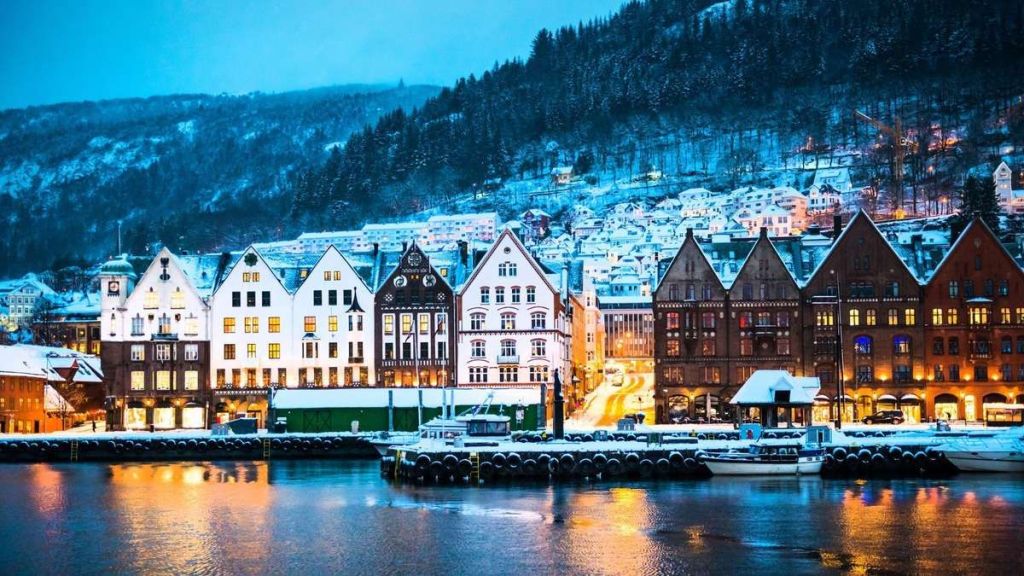
    • Bergen: Gateway to fjords, known for its colorful wooden houses and Bryggen Wharf.
    • Tromsø: A hub for Northern Lights adventures and Arctic explorations.
    • Outdoor Activities: Hiking, skiing, and whale watching showcase Norway’s outdoor allure .

    The Norwegian Way of Life
    Norwegians value community (felleskap), nature (natur), and a concept known as hygge (cozy contentment), contributing to a high quality of life.

    Norway’s blend of stunning landscapes, cultural richness, and progressive ethos makes it a captivating destination and a remarkable country to explore. Whether chasing the Northern Lights or savoring fjord vistas, Norway’s magic is bound to leave an enduring impression.


  • Imagine a country that not only dominates the global oil market but also revolutionizes the way oil is extracted and consumed. Welcome to the story of the United States, the world’s number one oil-producing nation.

    A Shale Revolution
    The United States has been the world’s largest oil producer for several consecutive years, thanks largely to the shale revolution and advances in hydraulic fracturing, commonly known as fracking. This technological breakthrough has dramatically increased the country’s oil output, making it a game-changer in the global energy landscape.

    Key Oil-Producing Regions
    The U.S. boasts several prolific oil-producing regions, including:

    • The Permian Basin: Located in Texas and New Mexico, it’s one of the most productive oil fields globally.
    • Bakken Formation: Spanning North Dakota and Montana, it’s another significant contributor to U.S. oil production.
    • Texas: The Lone Star State leads the nation in oil production, accounting for nearly four times the output of the next state.

    Production Numbers
    In 2024, the United States produced approximately 21.91 million barrels per day, representing roughly 22% of global oil production. This staggering figure solidifies its position as the world’s top oil producer, followed by Russia and Saudi Arabia.

    Global Impact
    The U.S.’s dominance in oil production has several implications:

    • Energy Security: Enhanced production contributes to global energy security and influences market dynamics.
    • Exports: The U.S. has become a net petroleum exporter, marking a significant shift in global energy trade.
    • Economic Influence: As a major producer and consumer, the U.S. plays a pivotal role in shaping global oil prices and policies.

    Other Top Producers
    While the U.S. leads the pack, other notable oil-producing countries include:

    • Russia: Second-largest producer with around 10.1-11.13 million barrels per day.
    • Saudi Arabia: Third-largest producer and a key OPEC member, producing about 9.7-10.75 million barrels per day.
    • Canada: Fourth-largest producer, known for its vast oil sands in Alberta.

    The story of the United States as the world’s top oil producer is one of innovation, technological prowess, and significant global economic influence. As the energy landscape continues to evolve, the U.S. remains a central player in shaping the future of oil production and consumption.

  • The Drain Theory: Unveiling the Economic Exploitation of Colonial India
    Imagine a country rich in resources, vibrant in culture, and bustling with potential, yet plagued by poverty and underdevelopment. This was the paradox of India under British colonial rule, a scenario that Dadabhai Naoroji eloquently critiqued through his seminal work – the Drain Theory.

    The Genesis of the Drain Theory
    Dadabhai Naoroji, often hailed as the “Grand Old Man of India,” introduced the Drain Theory in his groundbreaking book “Poverty and Un-British Rule in India” published in 1901. Naoroji argued that British colonial policies led to a systematic transfer of wealth from India to Britain, draining India’s economic resources and contributing to its widespread poverty .

    What is the Drain Theory?
    The Drain Theory posits that colonial exploitation occurred through various mechanisms:

    • Export of Surplus: India generated export surpluses, but these were utilized to meet Britain’s financial obligations rather than being reinvested in India.
    • Home Charges: Payments made by India to Britain for administrative expenses, pensions, and interest on loans.
    • Remittances: Profits and salaries taken back to Britain by British officials and businessmen serving in India.
    • Unrequited Exports: Goods exported from India without corresponding imports, representing a net outflow of resources .

    Impact of the Economic Drain
    Naoroji contended that this economic drain had severe consequences for India:

    • Poverty: Continuous outflow of wealth contributed to India’s economic stagnation and poverty.
    • Underdevelopment: Lack of investment in India’s infrastructure and industries hindered economic growth.
    • Deindustrialization: Traditional Indian industries suffered due to colonial economic policies favoring British interests .

    Key Components of the Drain
    Component Description
    Home Charges Payments to Britain for colonial administration costs
    Export Surpluses India’s trade surpluses used for Britain’s benefit
    Remittances Transfer of earnings by British expatriates to Britain
    Unrequited Exports Exports without equivalent value imports, leading to resource outflow
    Legacy of the Drain Theory
    The Drain Theory became a pivotal concept in India’s struggle for independence, influencing nationalist thought and leaders like Mahatma Gandhi and Jawaharlal Nehru. It highlighted the exploitative nature of colonial rule and underscored the need for economic self-sufficiency and self-governance .

    Reflections on Economic Exploitation
    Dadabhai Naoroji’s Drain Theory remains a critical lens for understanding colonial economic policies and their long-term impacts. It serves as a reminder of the importance of equitable economic systems and the need for nations to control their own economic destinies.

    Naoroji’s pioneering analysis continues to resonate, offering insights into historical exploitation and informing discussions on economic justice and development .


  • Imagine a man who dedicated his life to fighting for his country’s freedom, who traveled across continents to raise his voice against colonial rule, and who inspired generations of leaders to come. This is the story of Dadabhai Naoroji, a pioneering figure in India’s struggle for independence.

    Dadabhai Naoroji


    Born on September 4, 1825, in Navsari, Gujarat, Naoroji belonged to a Parsi-Zoroastrian family. His mother recognized the importance of education and ensured he focused on his studies, leading him to excel academically. Naoroji’s academic prowess earned him a spot at Elphinstone College, where he later became the first Indian professor of mathematics and natural philosophy.


    Naoroji’s entry into politics began with his appointment as Dewan of Baroda in 1874. However, his disagreements with the Maharaja and the Resident led him to resign. This marked the beginning of his journey as a vocal critic of British colonial rule. He founded the East India Association in London in 1867, aiming to present the Indian perspective to the British public.


    Naoroji’s most significant contribution was his “Drain Theory,” which posited that British colonial policies were draining India’s wealth to Britain. In his book “Poverty and Un-British Rule in India,” he argued that this exploitation was the root cause of India’s poverty. His theory not only influenced Indian nationalism but also inspired future leaders like Mahatma Gandhi.

    A Voice in the British Parliament
    In 1892, Naoroji made history by becoming the first Indian to be elected to the British Parliament. Representing Finsbury Central as a member of the Liberal Party, he tirelessly advocated for Indian self-rule and economic reforms. His position in the British political system allowed him to speak directly to British policymakers, making him a vital link between India and Britain.


    Naoroji’s contributions to Indian nationalism, his economic theories, and his role in bridging the gap between India and Britain have left a lasting impact. His ideas on economic justice, self-rule, and social equity significantly influenced key figures in the Indian independence movement, including Mahatma Gandhi and Jawaharlal Nehru.


    Dadabhai Naoroji’s legacy extends beyond his lifetime. His pioneering work continues to inspire Indians to pursue a just and equitable society. As we reflect on his life and contributions, we are reminded of the power of dedication, perseverance, and visionary leadership.

    Key Contributions:

    • Drain Theory: Highlighted the economic exploitation of India by British colonial rulers
    • Indian National Congress: Played a crucial role in founding the organization and shaping its early objectives
    • British Parliament: Became the first Indian to be elected to the British Parliament, advocating for Indian rights and self-rule
    • Social Reform: Championed women’s education and equal rights under the law

    Naoroji’s story is a testament to the impact one individual can have on a nation’s history. His commitment to India’s freedom struggle continues to inspire generations, cementing his place as the “Grand Old Man of India”.


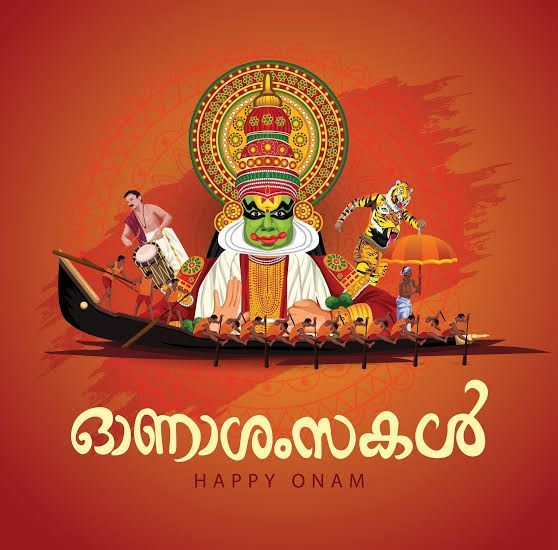
  • In the heart of Kerala, a state known for its lush landscapes and vibrant culture, lies a festival that embodies the spirit of unity, prosperity, and joy – Onam. This ten-day celebration, culminating in Thiruvonam, is a time for Malayalis to come together and honor their cultural heritage, while welcoming the mythical return of the benevolent King Mahabali.

    The Legend of King Mahabali
    King Mahabali, a ruler of great wisdom and generosity, was said to have brought prosperity and happiness to his kingdom. According to Hindu mythology, Mahabali’s kingdom was a paradise on earth, where there was no poverty, crime, or inequality. However, the gods grew concerned about Mahabali’s growing power and influence, leading Lord Vishnu to intervene in his fifth avatar as Vamana.

    The Story Behind Onam
    Vamana approached Mahabali during a grand sacrifice and requested three steps of land. Despite warnings from his guru, Sukracharya, Mahabali agreed, showcasing his commitment to his word. As Vamana grew in size, he covered the earth and heavens with his first two steps. When asked where to place the third step, Mahabali offered his own head, demonstrating his ultimate sacrifice. Moved by this gesture, Vishnu granted Mahabali the boon to visit his beloved subjects once a year, which is now celebrated as Onam.

    Celebrating Onam
    Onam is a festival that reflects the harmony of culture and nature, family and community. The celebrations include:

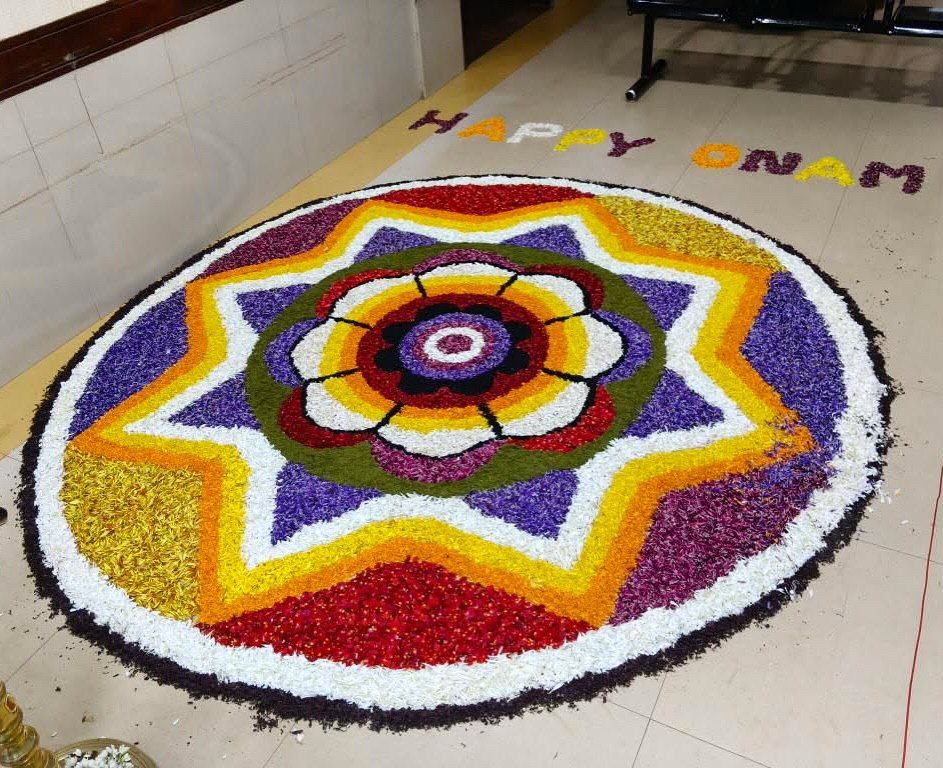
    • Pookkalam: Intricately designed flower carpets that welcome King Mahabali into homes.
    • Onasadya: A grand vegetarian feast served on banana leaves, featuring traditional Kerala dishes.
    • Vallamkali: Snake boat races that showcase Kerala’s maritime heritage and team spirit.
    • Traditional Dances: Kaikottikali and Pulikali performances that add color and vibrancy to the celebrations.

    The Significance of Onam
    Onam is more than just a festival – it’s a celebration of Kerala’s traditions, values, and spirit of unity. It reflects the importance of keeping one’s word, selfless leadership, and harmony with nature. As families gather around banana leaves laden with nature’s bounty, and children learn to arrange flowers in age-old patterns, Onam continues to weave its magic across generations.


    Whether you’re in Kerala or celebrating with the Malayali community elsewhere, Onam is an opportunity to experience the rich cultural heritage of this vibrant state. So, let’s come together to celebrate the joy, unity, and cultural richness of Onam, and honor the legacy of King Mahabali’s benevolent rule. Happy Onam!


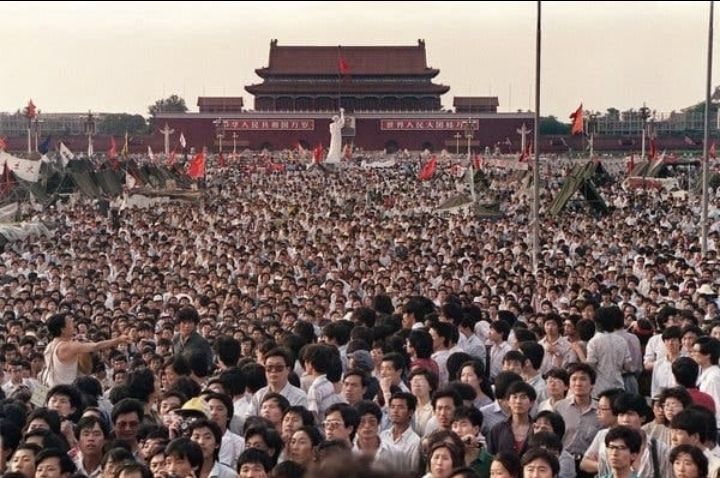
  • Imagine standing in the world’s largest city square, surrounded by grand monuments, historic buildings, and the vibrant energy of Beijing. Welcome to Tiananmen Square, a place where ancient traditions meet modern grandeur. Located in the heart of China’s capital, this iconic square has witnessed pivotal moments in history, from imperial ceremonies to modern-day protests.


    Tiananmen Square’s story began in 1417, during the Ming dynasty, when it served as a royal square outside the Forbidden City’s main entrance. Over the centuries, it has played host to numerous significant events, including the May Fourth Movement in 1919 and the founding ceremony of the People’s Republic of China in 1949. Chairman Mao Zedong proclaimed the establishment of the PRC from the Tiananmen Rostrum, marking the beginning of a new era in Chinese history.

    Must-See Attractions

    • The Monument to the People’s Heroes: A 38-meter-high monument honoring the heroes who fought for China’s independence and freedom. The monument features eight relief sculptures depicting key moments in Chinese revolutionary history.
    • Chairman Mao Memorial Hall: A solemn hall housing Mao’s embalmed body, attracting visitors from across the globe. To visit, you’ll need to reserve tickets at least six days in advance.
    • The Great Hall of the People: An imposing building that serves as the seat of China’s national legislature. Its grand auditoriums and halls showcase China’s rich cultural heritage.
    • National Museum of China: Located on the east side of the square, this museum showcases China’s rich history, from ancient dynasties to modern times.

    Experiencing Tiananmen Square

    • Flag-Raising Ceremony: Witness the daily flag-raising ceremony at sunrise, performed by the People’s Liberation Army. The ceremony is a powerful display of patriotism and discipline.
    • Nighttime Visit: Experience the square’s magical ambiance at night, with beautifully illuminated monuments and buildings. The evening atmosphere is electric, with street performers and vendors adding to the excitement.

    Practical Tips

    • Getting There: Take the subway to Tiananmen East or West stations (Line 1) or Qianmen Station (Line 2).
    • Reservations: Due to security measures, visitors may need to reserve entry in advance. Check the official website or platforms like (link unavailable) and Klook for booking options.
    • Dress Code: Wear comfortable shoes and clothing suitable for walking and exploring the square.

    Tiananmen Square is more than just a tourist destination – it’s a symbol of China’s rich history, cultural heritage, and national pride. As you explore this iconic square, you’ll discover the essence of China, from its ancient traditions to its modern aspirations.