• In the heart of Kerala’s Western Ghats lies a sacred site that attracts millions of devotees each year – the Sabarimala Temple. Dedicated to Lord Ayyappa, a deity revered for his embodiment of dharma and celibacy, this temple is nestled amidst dense forests and rugged hills, offering a spiritual journey like no other.

    The story of Lord Ayyappa, the son of Lord Shiva and Mohini (the female avatar of Lord Vishnu), is deeply intertwined with the history of Sabarimala Temple. According to legend, Lord Ayyappa was born to defeat the demoness Mahishi and bring peace to the world. The temple is believed to be the place where Lord Ayyappa meditated after his victory, and it has since become a sacred pilgrimage site for his devotees.


    The journey to Sabarimala Temple is not just a physical trek but a spiritual odyssey. Devotees undertake a 41-day vratham, a period of austerity and devotion, before embarking on the arduous journey to the temple. The trek begins from Pamba, the base camp, and takes pilgrims through dense forests and steep hills, symbolizing the ascetic life that Lord Ayyappa embraced.


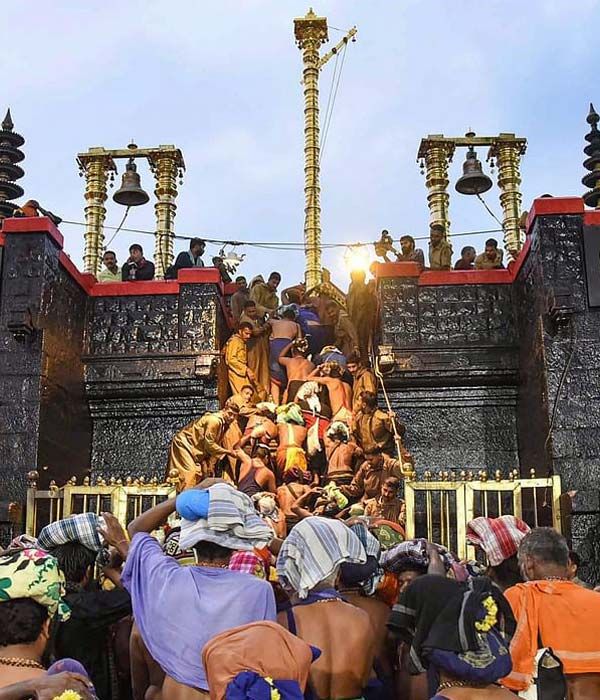
    The temple’s 18 sacred steps are a crucial part of the pilgrimage. Devotees believe that climbing these steps, which are covered with Panchaloha (an alloy of five metals), brings them closer to Lord Ayyappa. Each step represents a specific virtue or vow that pilgrims must uphold, and only those who carry the irumudi kettu (a sacred bundle of offerings) are allowed to ascend.


    One of the most significant events at Sabarimala Temple is the Makara Jyothi festival, celebrated on Makar Sankranti. Devotees gather to witness the divine light that appears on the hills, believed to be a manifestation of Lord Ayyappa. This festival marks the culmination of the pilgrimage season and is considered a deeply auspicious and spiritually elevating experience.


    Sabarimala Temple is more than just a place of worship; it’s a symbol of devotion, endurance, and spirituality. The pilgrimage to Sabarimala offers a unique blend of natural beauty and spiritual experience, attracting millions of devotees each year. Whether you’re a devout pilgrim or a curious traveler, Sabarimala Temple is a journey that will leave you with unforgettable memories.

    Key Highlights of Sabarimala Temple:

    • Location: Pathanamthitta district, Kerala, India
    • Dedication: Lord Ayyappa, a deity revered for his embodiment of dharma and celibacy
    • Pilgrimage Season: Mandalam-Makaravilakku season (mid-November to mid-January)
    • Trek: 5-kilometer climb through dense forests and steep hills from Pamba base camp
    • Festivals: Makara Jyothi, Mandala Pooja, and monthly poojas during Malayalam months

  • In the realm of international cricket, few tournaments evoke as much passion and excitement as the Asia Cup. This prestigious event has been a cornerstone of Asian cricket for over three decades, showcasing the region’s finest talents and fostering a spirit of competition and camaraderie.

    The Genesis: 1984
    The Asia Cup’s story began in 1984, when the Asian Cricket Council (ACC) founded the tournament as a platform for Asian nations to come together and compete. Held in Sharjah, United Arab Emirates, the inaugural edition featured three teams: India, Pakistan, and Sri Lanka. India emerged victorious, winning the title in a round-robin format.

    The Rise of Sri Lanka: 1986
    Two years later, Sri Lanka hosted the tournament and claimed their first Asia Cup title, defeating Pakistan in the final. This marked a significant milestone in Sri Lankan cricket, signaling their emergence as a force to be reckoned with in the region.


    India continued to assert their dominance in the tournament, winning titles in 1988 and 1990-91. The 1990-91 edition was notable for Sachin Tendulkar’s debut in the Asia Cup, who would go on to become one of the tournament’s most iconic players. India’s winning streak continued in 1995, when they defeated Sri Lanka in the final.

    Format Changes and New Winners: 2000s
    The Asia Cup underwent significant changes in the 2000s, with the introduction of new teams and formats. Pakistan won their first title in 2000, defeating Sri Lanka in the final. Sri Lanka, however, reclaimed their dominance, winning titles in 2004 and 2008.


    The Asia Cup entered the T20 era in 2016, with India winning the title in a thrilling final against Bangladesh. This marked a new chapter in the tournament’s history, with the T20 format bringing a fresh dynamic to the competition.


    In recent years, the Asia Cup has continued to showcase the region’s finest cricketing talents. Sri Lanka won the 2022 edition, defeating Pakistan in the final. India, however, reclaimed the title in 2023, defeating Sri Lanka in a one-sided final.


    The Asia Cup has not only provided a platform for Asian nations to compete but has also played a significant role in promoting cricket in the region. The tournament has witnessed numerous thrilling moments, remarkable performances, and unforgettable matches that have etched themselves into the annals of cricket history.

    Asia Cup Winners List:

    • India: 8 titles (1984, 1988, 1990-91, 1995, 2010, 2016, 2018, 2023)
    • Sri Lanka: 6 titles (1986, 1997, 2004, 2008, 2014, 2022)
    • Pakistan: 2 titles (2000, 2012)

  • In the heart of the South Caucasus region, where Eastern Europe meets Western Asia, lies a country with a story as complex as its history and as vibrant as its culture – Azerbaijan. This landlocked nation, bordered by Russia, Georgia, Armenia, Iran, and the Caspian Sea, is a treasure trove of ancient traditions, modern ambitions, and contrasting realities.


    Azerbaijan’s history dates back to the Stone Age, with evidence of human settlements found in places like Gobustan National Park and Azykh Cave. Over the centuries, various empires and dynasties have shaped the country’s identity, from the Scythians to the Persian Empire and the Soviet Union. The Azerbaijan Democratic Republic, established in 1918, marked a brief period of independence before the country became part of the Soviet Union. With the dissolution of the USSR in 1991, Azerbaijan regained its independence.


    Azerbaijani culture is a unique blend of Eastern and Western influences, reflecting its strategic location at the crossroads of civilizations. The country is renowned for its:

    • Traditional Music and Dance: Mugam, a classical form of Azerbaijani music, and traditional dances like the “Uzundere” showcase the nation’s rich cultural heritage.
    • Cuisine: Azerbaijani dishes like plov, dolma, and kebabs are flavorful and aromatic, often accompanied by tea, a staple in Azerbaijani hospitality.
    • Architecture: The Maiden Tower and the Palace of the Shirvanshahs in Baku’s Walled City are testaments to Azerbaijan’s architectural prowess, blending Eastern and Western styles.


    Azerbaijan’s economy is heavily reliant on its vast oil and gas reserves, making it a significant player in the global energy market. The country has invested heavily in infrastructure development, including the Baku-Tbilisi-Ceyhan pipeline, which has boosted its economic growth. However, this reliance on fossil fuels also poses environmental challenges and underscores the need for sustainable development.


    Azerbaijan’s human rights record has been a subject of concern, with reports of government crackdowns on dissent, restrictions on media freedom, and the imprisonment of activists and journalists. The country’s leadership, under President Ilham Aliyev, has been criticized for authoritarianism and suppressing opposition voices.


    In November 2024, Azerbaijan took the global stage by hosting COP29, the United Nations Climate Change Conference. This event highlighted the country’s role in international climate discussions and its commitment to addressing environmental challenges. However, the conference also drew attention to Azerbaijan’s own environmental record and the need for greater action on climate change.


    Azerbaijan is a country of contrasts, where ancient traditions meet modern ambitions, and economic growth coexists with human rights concerns. As the nation continues to navigate its path in the global community, its rich cultural heritage, economic potential, and complex realities make it a fascinating subject to explore. Whether you’re drawn to its historical landmarks, cultural festivals, or the resilience of its people, Azerbaijan has a story to tell that’s both captivating and thought-provoking.


  • In the fast-paced world of technology, few brands have made a mark as significant as Xiaomi. Founded in 2010 by Lei Jun, a serial entrepreneur with a vision to make high-quality technology accessible to everyone, Xiaomi has grown into a global powerhouse, redefining the smartphone industry with its innovative approach and commitment to excellence.

    The Early Days: A Mission to Disrupt
    Xiaomi’s journey began with a simple yet ambitious goal: to provide high-quality smartphones at affordable prices. The company’s early success was fueled by its focus on delivering exceptional value to customers, combining powerful hardware with intuitive software and sleek designs. This approach resonated with consumers worldwide, propelling Xiaomi to the top ranks of the smartphone market.


    Xiaomi’s commitment to innovation is evident in its cutting-edge products and technologies. From the popular Redmi series to the flagship Xiaomi Mi and Mi Fold lines, the company has consistently pushed the boundaries of what is possible in smartphone design and functionality. Some notable innovations include:

    • HyperOS: Xiaomi’s proprietary operating system, designed to provide a seamless and intuitive user experience.
    • AI-Powered Features: Xiaomi’s smartphones often come equipped with advanced AI-powered features, such as AI-driven cameras and optimized performance.
    • 5G Connectivity: Xiaomi has been at the forefront of 5G adoption, offering a range of 5G-enabled devices that cater to the growing demand for high-speed connectivity.

    Beyond Smartphones: A Diversified Ecosystem
    Xiaomi’s influence extends far beyond the smartphone market. The company has diversified its product portfolio to include a range of smart devices, such as:

    • Smart Home Products: Xiaomi offers a variety of smart home devices, including smart speakers, lights, and security cameras.
    • Wearables: Xiaomi’s wearable devices, such as smartwatches and fitness trackers, provide users with valuable insights into their health and fitness.
    • Electric Vehicles: Xiaomi has also ventured into the electric vehicle market with its SU7 model, showcasing its ambition to disrupt yet another industry.

    Global Reach and Community Engagement
    Xiaomi’s global presence is a testament to its success in building a loyal community of fans and customers. The company has established a strong foothold in various markets, including India, China, and Europe, and continues to expand its reach through strategic partnerships and innovative marketing initiatives.


    Xiaomi’s story is one of innovation, perseverance, and a relentless pursuit of excellence. As the company continues to push the boundaries of technology and disrupt industries, its commitment to delivering exceptional value to customers remains unwavering. With its diversified ecosystem, cutting-edge products, and global presence, Xiaomi is poised to shape the future of technology and beyond.


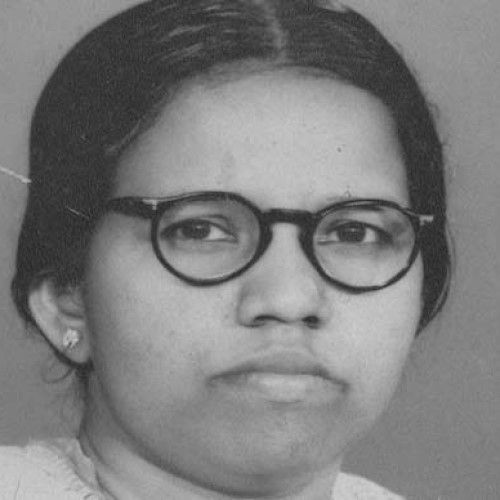
  • In the annals of Indian history, few figures shine as brightly as Dakshayani Velayudhan, a woman who defied societal norms to etch her name into the fabric of the nation’s democratic framework. Born on July 4, 1912, in Mulavukad, Kerala, Dakshayani’s life was a testament to the power of perseverance, intellect, and unwavering courage.

    Dakshyani Velayudhan


    Dakshayani’s journey began in a society where caste and gender barriers seemed insurmountable. Yet, she shattered these constraints to become India’s first Dalit woman graduate, earning a (link unavailable) in Chemistry from Maharaja’s College, Ernakulam. Her achievement was revolutionary, paving the way for countless marginalized women who aspired to break free from oppression.


    At just 34 years old, Dakshayani became the only Dalit woman member of the Constituent Assembly, tasked with drafting India’s Constitution. Her presence was nothing short of revolutionary. She passionately advocated for the rights of marginalized communities, tirelessly pushing for social justice, gender equity, and caste annihilation. Dakshayani firmly believed that democracy should not only exist in constitutional texts but also in everyday life.

    Key Contributions

    • Constituent Assembly Debates: Dakshayani’s interventions in the Assembly were marked by her strong, independent voice, unafraid to challenge popular opinion. She championed decentralized governance, arguing that grassroots participation was fundamental for an equitable democracy.
    • Advocate for Women’s Rights: Dakshayani established the Mahila Jagriti Parishad in Delhi, an organization dedicated to promoting women’s empowerment, especially for those from marginalized communities.
    • Social Reform: She worked tirelessly to eradicate untouchability and promote social justice, believing that true progress could only be achieved when women, especially those from marginalized communities, were given agency over their lives.³


    Dakshayani’s legacy extends far beyond her impressive achievements. She inspired generations with her courage, intellect, and unwavering commitment to social justice. The Kerala government instituted the Dakshayani Velayudhan Award in 2019 to honor women who have made significant strides in empowering others. Her life and work continue to be a beacon of hope for those fighting against caste and gender oppression.


    As we reflect on Dakshayani Velayudhan’s journey, we reaffirm our commitment to the ideals she fought for – education, equality, dignity, and social justice. Her story is not just a chapter in history; it’s a clarion call for future generations to continue the fight for a more inclusive and equitable society.


  • In the vibrant tapestry of India’s growth story, the Tata Group stands out as a cornerstone, weaving threads of innovation, compassion, and relentless progress. Founded by Jamsetji Tata in 1868, this conglomerate has evolved into one of India’s most revered business entities, touching lives across sectors like healthcare, education, environment, and technology.

    Pioneering Healthcare for All
    Imagine a nation where cancer care is accessible and affordable – Tata Memorial Hospital in Mumbai, established in the 1940s, embodies this vision. It’s India’s first dedicated cancer hospital, a beacon of hope for countless patients. The Tata Medical Centre in Kolkata further exemplifies the group’s commitment to battling this disease. During the COVID-19 pandemic, Tata Group’s swift response included donating ₹1,500 crore and augmenting oxygen supply, showcasing their crisis management prowess.


    Education has been a key focus area for Tata. Institutions like the Indian Institute of Science (IISc) in Bengaluru, founded with Jamsetji Tata’s vision, stand testament to their educational contributions. Initiatives like Tata Strive have impacted over 6.5 lakh individuals since 2014, imparting valuable skills for employability. Scholarships and educational projects supported by Tata Trusts have touched millions of students and teachers across India.


    Tata’s green initiatives reflect a deep-rooted commitment to sustainability. Tata Chemicals Botanical Reserve in Gujarat preserves native species and biodiversity. Efforts like planting over 18 million trees near hydroelectric facilities showcase their ecological stewardship. Projects addressing coastal salinity and promoting sustainable farming practices underscore their environmental dedication.

    Driving Economic Growth and Innovation
    Tata Group’s footprint in India’s economic landscape is profound. Tata Consultancy Services (TCS), a global IT giant, has been pivotal in positioning India as a tech hub. Strategic acquisitions like Jaguar Land Rover (JLR) and Corus Steel elevated Tata’s global presence, creating jobs and boosting India’s industrial stature. The iconic Tata Nano, the world’s most affordable car, symbolized innovation for the masses.

    Touching Lives through Philanthropy
    The Tata Trusts, holding 66% of Tata Sons’ equity, channel dividends into transformative philanthropic endeavors. Initiatives like Tata Water Mission have provided clean drinking water to millions in rural India. Annapurna Project delivers nutritious meals to thousands of schoolchildren, addressing health and nutrition gaps.


    Leaders like Jamsetji Tata, JRD Tata, and Ratan Tata have steered the group with a blend of business acumen and societal compassion. Ratan Tata’s tenure saw expansions like the acquisition of Tetley Tea and global recognition for Tata brands. His emphasis on corporate social responsibility and ethical governance set benchmarks for Indian businesses.


    The Tata Group’s journey is a testament to the power of business intertwined with social purpose. As India continues to grow, Tata’s legacy of empowerment, innovation, and compassion remains a guiding light, inspiring generations to come.

  • India vs Pakistan, a rivalry that transcends boundaries and ignites passions like no other. Imagine a cricket pitch transformed into a battlefield where two giants clash, their encounters etched in the annals of sporting history. This is the tale of India and Pakistan’s cricketing saga, a narrative woven with thrilling victories, heartbreaking defeats, and an unyielding intensity that captivates fans worldwide.


    The India-Pakistan cricket rivalry was born in 1952 when Pakistan toured India for their first Test series. Since then, these two nations have faced off numerous times, producing some of the most iconic moments in cricket. Their contests are more than just matches; they’re a reflection of the complex relationship between the two countries, infused with geopolitical tensions and cultural nuances.

    Head-to-Head Statistics: A Glimpse into the Past

    • Total Matches: India and Pakistan have played 209 times across all formats, with Pakistan winning 88 matches and India securing 77 victories, while 44 matches ended in a draw or no result.
    • Test Cricket: 59 Tests have seen Pakistan win 12, India win 9, and 38 drawn matches.
    • ODIs: Pakistan leads with 73 wins against India’s 58 in 136 matches.
    • T20Is: India dominates with 10 wins out of 14 matches, Pakistan having 3 wins.

    Memorable Encounters

    1. 1983 Cricket World Cup: India’s historic win marked their first World Cup title, setting the stage for future successes.
    2. 1992 Cricket World Cup: Pakistan’s triumph under Imran Khan remains a cherished moment for Pakistani fans.
    3. 2007 T20 World Cup Final: India defeated Pakistan in a thrilling final, claiming their first T20 World Cup title.
    4. 2011 Cricket World Cup Semi-final: India knocked Pakistan out, en route to their second World Cup victory.
    5. 2023 Asia Cup: India thrashed Pakistan by 228 runs, their highest-ever margin of victory in ODIs against Pakistan.
    6. 2025 ICC Champions Trophy: India secured a dominant six-wicket win, extending their unbeaten ODI streak against Pakistan.

    Legendary Players and Performances

    • Sachin Tendulkar: The highest run-scorer in India-Pakistan ODIs with 2,526 runs.
    • Virat Kohli: Dominant in T20Is against Pakistan, with 406 runs in 10 matches.
    • Javed Miandad: Pakistan’s batting great with 2,228 Test runs against India.
    • Kapil Dev: India’s legendary all-rounder with 99 Test wickets against Pakistan.


    Every India-Pakistan match is a spectacle, drawing massive audiences and generating unparalleled excitement. The rivalry isn’t just about cricket; it’s a cultural phenomenon reflecting the aspirations, pride, and emotions of millions. Whether it’s the frenzy of a World Cup encounter or the drama of an Asia Cup clash, these matches are unforgettable.


    The India-Pakistan cricket rivalry is a captivating narrative of sports, passion, and history. With each encounter, the story unfolds further, adding new chapters to a saga that continues to enthrall fans globally. As these two cricketing powerhouses meet on the field, the world watches, knowing they’re witnessing something extraordinary – a testament to cricket’s power to unite and electrify.


  • In the vibrant world of football, few stories are as captivating as that of Paul Pogba, the French midfielder whose career has been a thrilling mix of dazzling talent, towering achievements, and profound challenges. Born on March 15, 1993, in Lagny-sur-Marne, France, Pogba’s journey is a testament to the unpredictable nature of professional sports.


    Pogba’s footballing prowess was evident from his early days. He joined Manchester United’s youth academy and made his professional debut in 2011. His time at Old Trafford was marked by flashes of brilliance, including winning the 2011 Youth Cup. Pogba’s versatility, physicality, and technical skill caught the eye of fans and coaches alike.


    In 2012, Pogba made a high-profile move to Juventus, where he became a key player, winning multiple Serie A titles and reaching the 2015 Champions League final. His performances earned him a place in the French national team, culminating in winning the 2018 World Cup – a pinnacle of his international career.


    Pogba’s career hit a significant roadblock in 2023 when he tested positive for testosterone, leading to a provisional suspension. Initially facing a four-year ban, he successfully appealed to the Court of Arbitration for Sport (CAS), reducing the suspension to 18 months. This period saw speculation about his future, with his contract with Juventus mutually terminated in November 2024.


    Eligible to return to football in March 2025, Pogba’s future is a topic of intense speculation. There have been rumors linking him with clubs like Marseille, Manchester United (again), and even Inter Miami. Pogba has expressed willingness to take a salary cut to continue playing for Juventus, showcasing his passion for the game. His adaptability and skill make him an intriguing prospect for various clubs globally.


    In interviews, Pogba has spoken about turning down Pep Guardiola’s approach to join Manchester City, opting instead for Juventus. He’s expressed hunger to return stronger, stating he’ll be a “new Pogba” – more determined and hungry. Pogba’s perspective on football icons like Lionel Messi and Cristiano Ronaldo has also drawn interest, reflecting his thoughtful approach to the sport.


    As Pogba navigates his post-ban career, his legacy as a World Cup winner and talented midfielder remains intact. With his ban set to conclude in March 2025, fans eagerly anticipate his return to competitive football, curious to see where his journey takes him next.


  • In the vast landscape of Russian literature, one figure stands tall like a majestic oak tree – Count Lev Nikolayevich Tolstoy, affectionately known as Leo Tolstoy. Born on September 9, 1828, at Yasnaya Polyana, his family’s estate nestled southwest of Tula, Tolstoy’s life was a tapestry woven with threads of aristocracy, military service, profound spirituality, and literary genius.

    Leo Tolstoy

    Early Chapters of a Remarkable Life
    Tolstoy’s childhood was marked by loss; his mother passed away when he was just two, and his father followed when he was nine. Raised by relatives, young Leo’s curiosity and introspection were nurtured amidst the Russian countryside’s beauty. He began studying law and oriental languages at Kazan University at 16 but didn’t complete his studies, opting instead for a life that would blend military adventure with profound literary pursuits.

    Military Service and Literary Awakening
    Tolstoy’s stint as an artillery officer during the Crimean War deeply influenced him, providing grit for works like Sevastopol Sketches. This period sowed seeds of pacifism that would later flourish into a cornerstone of his philosophy. His early literary successes included the semi-autobiographical trilogy Childhood, Boyhood, and Youth.

    Masterpieces that Transcend Time

    • War and Peace (1869): This epic, sprawling across wars, families, and Russian society, is often hailed as one of literature’s pinnacles.
    • Anna Karenina (1878): Tolstoy considered this his first true novel, exploring themes of love, societal pressures, and personal tragedy.
    • The Death of Ivan Ilyich (1886): A profound exploration of mortality and the human condition.


    The 1870s marked a profound moral and spiritual crisis for Tolstoy, documented in A Confession (1882). He embraced Christian anarchism and pacifism, interpreting Jesus’ teachings literally, especially the Sermon on the Mount. Works like The Kingdom of God Is Within You (1894) influenced giants like Mahatma Gandhi and Martin Luther King Jr., showcasing Tolstoy’s impact beyond literature.

    Influences and Legacy

    • Influences: Tolstoy was shaped by thinkers like Schopenhauer and interactions with European intellectuals like Victor Hugo.
    • Impact: Regarded as one of the greatest novelists, Tolstoy’s works have been translated widely, with over 400 million copies printed in the Soviet Union alone.
    • Excommunication: His radical views led to excommunication from the Russian Orthodox Church in 1901.

    Tolstoy’s journey ended on November 20, 1910, at Astapovo, but his literary and philosophical legacy continues to captivate readers worldwide, reminding us of the power of storytelling and the enduring quest for truth and compassion.


  • In the vibrant tapestry of Indian music, there’s a thread that stands out for its soulful warmth and versatility – the enchanting voice of Krishnakumar Kunnath, affectionately known as KK. Born on August 23, 1968, in Delhi to Malayali parents, KK’s musical voyage began in the bustling streets of his hometown, eventually weaving a legacy that would resonate across generations.

    Early Notes of a Legendary Career
    KK’s love affair with music wasn’t just a career choice; it was a calling he pursued with passion. After graduating from Kirori Mal College, University of Delhi, he took his first steps into Mumbai’s competitive music scene in 1994, armed with a demo tape and dreams that echoed beyond the ordinary. His big break came with jingles – over 3,500 in 11 languages in just four years, showcasing his adaptability and vocal prowess.


    KK’s Bollywood debut was with “Chhod Aaye Hum” from Gulzar’s Maachis (1996), but it was “Tadap Tadap Ke Is Dil Se” from Hum Dil De Chuke Sanam (1999) that marked his turning point. Who can forget the haunting beauty of “Dola Re Dola” from Devdas (2002) or the romantic allure of “Aankhon Mein Teri” from Om Shanti Om (2007)? His songs weren’t just melodies; they were emotions painted across cinematic canvases.

    Hits That Defined Generations

    • “Pal”: From his debut album Pal (1999), this song remains an anthem of nostalgia and friendship.
    • “Yaaron”: Another gem from Pal, echoing bonds of camaraderie.
    • “Khuda Jaane”: From Bachna Ae Haseeno (2008), showcasing his romantic sensibilities.
    • “Tu Jo Mila”: A soul-stirring track from Bajrangi Bhaijaan (2015).

    KK’s repertoire wasn’t confined to Hindi; he lent his voice to Tamil (Uyirin Uyirae from Kaaka Kaaka), Telugu, Kannada, and even a solitary Malayalam song “Rahasyamay” in Puthiya Mukham (2009), proving his linguistic versatility.


    KK married his childhood sweetheart Jyothy Krishna in 1991, and they had two children, Nakul and Taamara. Beyond playback singing, he dazzled in concerts and collaborated with maestros like A.R. Rahman. His artistry earned accolades including two Screen Awards and six Filmfare nominations.


    Tragically, KK’s journey ended too soon on May 31, 2022, following a concert at Kolkata’s Nazrul Mancha, leaving behind a legacy that continues to echo. Tributes poured in from icons like Arijit Singh and Sonu Nigam, underscoring his impact.

    KK wasn’t just a singer; he was a voice that captured the heartbeat of millions, blending genres and languages with effortless charm. His melodies linger, reminding us of the timeless power of music to touch souls.