• Imagine a place where innovation knows no bounds, where the brightest minds converge, and where the future is being written every day. Welcome to Silicon Valley, the epicenter of technology and entrepreneurship.


    It all started with a vision. In the 1950s, Stanford University’s Dean, Frederick Terman, encouraged his students to stay in the area and start their own businesses. Two of his students, Bill Hewlett and Dave Packard, took his advice and founded Hewlett-Packard in a small garage in Palo Alto. This marked the beginning of a revolution that would change the world.


    As the years went by, Silicon Valley became a magnet for innovators and entrepreneurs. The region’s proximity to top universities, venture capitalists, and a talented workforce created a perfect storm for startups to flourish. The invention of the microprocessor, the development of the personal computer, and the emergence of the internet further fueled the growth of the tech industry.


    Today, Silicon Valley is home to some of the world’s most influential companies, including Apple, Google, Facebook, and Tesla. The region’s diverse ecosystem, comprising startups, accelerators, and incubators, fosters a culture of collaboration and innovation. From artificial intelligence to biotechnology, Silicon Valley is at the forefront of various fields, shaping the future of humanity.


    Walking through the streets of Palo Alto, Mountain View, or San Jose, you can feel the energy and excitement of the tech community. The iconic Apple Park, Googleplex, and Facebook headquarters are testaments to the region’s innovative spirit. The annual TechCrunch Disrupt conference, Web 2.0 Summit, and SXSW conferences showcase the latest trends and ideas in the industry.


    However, Silicon Valley is not without its challenges. The region’s high cost of living, traffic congestion, and income inequality are pressing concerns. Despite these challenges, the Valley continues to attract talent from around the world, driven by its promise of innovation and opportunity.


    As technology continues to evolve, Silicon Valley remains at the forefront of innovation. With advancements in AI, blockchain, and clean energy, the region is poised to shape the future of industries and societies. Whether you’re an entrepreneur, investor, or simply a curious observer, Silicon Valley is a place that will inspire and captivate you.

    Key Takeaways:

    • Innovation Hub: Silicon Valley is a global center for technology and entrepreneurship.
    • Diverse Ecosystem: The region’s diverse ecosystem fosters collaboration and innovation.
    • Talent Magnet: Silicon Valley attracts talent from around the world.
    • Challenges and Opportunities: The region faces challenges like high cost of living and income inequality, but continues to drive innovation and opportunity.

  • October 2nd marks a significant day in Indian history – Gandhi Jayanti, the birthday of Mahatma Gandhi, the Father of the Nation. This day is celebrated with great fervor and enthusiasm across the country, paying tribute to the man who played a pivotal role in India’s struggle for independence.


    Born in 1869 in Porbandar, Gujarat, Mohandas Karamchand Gandhi grew up to become a lawyer, politician, and social activist. His philosophy of non-violence and truth inspired a nation, and his leadership was instrumental in India’s fight for freedom against British rule. Gandhi’s methods of non-violent resistance, inspired by Henry David Thoreau’s civil disobedience, influenced movements for civil rights and freedom across the world .


    Gandhi Jayanti is not just a celebration of Gandhi’s birth; it’s a reflection of his values and principles. The day is observed as a national holiday in India, with various events and programs organized to promote Gandhian values such as peace, non-violence, and communal harmony. People pay homage to Gandhi at Raj Ghat, his memorial in New Delhi, through prayer meetings and tribute offerings.


    Gandhi’s impact on Indian society and the world is profound. He championed social causes like women’s rights, economic self-sufficiency, and the abolition of untouchability. His emphasis on simple living, self-reliance, and environmental sustainability remains relevant today. Gandhi’s leadership and vision continue to inspire people globally, making him an enduring symbol of peace and non-violence .

    Ways to Celebrate Gandhi Jayanti

    • Prayer Meetings: Organize or attend prayer meetings to reflect on Gandhi’s teachings and values.
    • Community Service: Engage in community service activities that promote social welfare and communal harmony.
    • Cultural Events: Participate in cultural events, such as plays, music, and dance performances, that showcase Gandhi’s life and legacy.
    • Reflection and Self-Improvement: Take time to reflect on Gandhi’s principles and how you can apply them in your daily life.

    As we celebrate Gandhi Jayanti, let’s draw inspiration from the Mahatma’s life and teachings. His message of peace, love, and non-violence remains a guiding light for humanity, reminding us of the power of compassion and kindness. Today, October 2, 2025, as we mark this special day, let’s strive to make a positive impact in our communities and the world at large.


  • In the heart of Kerala, a tranquil paradise awaits, known as Alappuzha, or the “Venice of the East”. This enchanting town, nestled in the Alappuzha district, boasts a unique crisscrossing network of canals, palm-fringed waterways, and lush greenery. Lord Curzon aptly described Alappuzha as the “Venice of the East”, and it’s easy to see why.


    Imagine sailing along in a traditional Kettuvallam houseboat, surrounded by the serene beauty of Alappuzha’s backwaters. The gentle lapping of the water against the boat, the vibrant greenery, and the quaint villages dotting the landscape create a truly unforgettable experience. As you glide through the canals, catch glimpses of Chinese fishing nets, flocks of ducks swimming in the waters, and tiny birds flying overhead.


    Alappuzha is not just about its breathtaking scenery; it’s also a hub of rich cultural heritage. Visit the Krishnapuram Palace, a stunning example of traditional Kerala architecture, which houses a museum showcasing the region’s history. The St. Mary’s Forane Church, with its striking Gothic architecture, is another must-visit destination. Don’t miss the Ambalapuzha Sri Krishna Temple, famous for its delicious Paalpayasam, a sweet rice pudding.


    Alappuzha’s beaches are perfect for unwinding and soaking up the sun. The Alappuzha Beach, with its golden sands and iconic lighthouse, is a popular spot for relaxation. Take a leisurely stroll along the shore, enjoy the refreshing coastal breeze, or try your hand at beach volleyball. For a more secluded experience, head to Marari Beach, known for its untouched beauty and peaceful atmosphere.


    Alappuzha is also home to numerous pilgrimage sites, each with its unique history and significance. Visit the Arthunkal Church, a historic Christian pilgrimage center dedicated to St. Sebastian, or the Vaikom Mahadeva Temple, famous for its annual Vaikathashtami festival. The Mannarasala Nagaraja Temple, nestled in a serene forest, is another must-visit destination for those seeking spiritual solace.


    Alappuzha’s cuisine is a delightful blend of traditional Kerala flavors and international influences. Savor the fresh seafood, including prawns, crabs, and fish, prepared in a variety of ways. Don’t miss the traditional Kerala dishes like appam, puttu, and sambar. For a unique dining experience, try the floating markets and street food stalls along the canals.


    The best time to visit Alappuzha is from October to March, when the weather is pleasant and ideal for exploring the backwaters and beaches. With a range of accommodation options, from budget-friendly homestays to luxury resorts, Alappuzha has something to offer every kind of traveler.

    Alappuzha, the “Venice of the East”, is a destination that will captivate your senses and leave you with unforgettable memories. Whether you’re looking for relaxation, cultural experiences, or adventure, Alappuzha has it all. So come and discover the charm of this enchanting town, nestled in the heart of Kerala.


  • In the world of football, few names are as revered as Iker Casillas, the Spanish goalkeeper who dominated the pitch with his exceptional reflexes, leadership, and charisma. Born on May 20, 1981, in Móstoles, Spain, Casillas’ journey to becoming one of the greatest goalkeepers of all time is a story of dedication, perseverance, and passion.


    Casillas’ love affair with football began at a young age, and he quickly rose through the ranks of Real Madrid’s youth academy. His talent and potential were undeniable, and by the time he was 19, he had already made his professional debut for Los Blancos. Over the years, Casillas would go on to become an integral part of the team, known for his incredible shot-stopping ability, distribution, and leadership.


    Casillas’ career is filled with numerous accolades and achievements. He won five La Liga titles, two UEFA Champions League trophies, and the FIFA World Cup with Spain in 2010. He was also named the IFFHS World’s Best Goalkeeper three times and was included in the UEFA Team of the Year six times. His iconic performances in big games, including the Champions League final, cemented his status as a Real Madrid legend.


    After retiring from football in 2020, Casillas has remained involved in the sport, sharing his insights and expertise with the next generation of goalkeepers. He has also been active on social media, engaging with fans and sharing updates about his life. Casillas has been in a relationship with Sara Carbonero, a Spanish sports journalist, although the couple has faced their share of challenges and breakups.


    Iker Casillas’ legacy extends beyond his on-field accomplishments. He has inspired countless young goalkeepers and football fans around the world with his passion, dedication, and sportsmanship. His influence on the sport will be felt for generations to come, and his name will forever be etched in the annals of football history.

    Key Takeaways

    • Exceptional Goalkeeper: Casillas is widely regarded as one of the greatest goalkeepers of all time, known for his incredible reflexes and shot-stopping ability.
    • Leadership: He was an influential leader on the pitch, captaining both Real Madrid and the Spanish national team.
    • Trophy Cabinet: Casillas won numerous trophies, including five La Liga titles, two UEFA Champions League trophies, and the FIFA World Cup.
    • Post-Retirement: After retiring, Casillas has remained involved in football, sharing his expertise and engaging with fans on social media.

  • In the world of finance, few stories are as captivating as the rise and fall of Lehman Brothers. From its humble beginnings as a small cotton trading firm in Montgomery, Alabama, to its ascension as one of Wall Street’s most respected investment banks, Lehman Brothers’ journey is a testament to ambition, innovation, and the unpredictable nature of the financial world.


    Founded in 1850 by three brothers, Henry, Emanuel, and Mayer Lehman, the company started as a modest cotton brokerage business. Over the years, Lehman Brothers expanded its operations into commodity trading and brokerage services, building a reputation for shrewd business acumen and strategic partnerships. By the early 20th century, the firm had established itself as a major player in the financial industry.


    In the latter half of the 20th century, Lehman Brothers experienced unprecedented growth, becoming a leading investment bank on Wall Street. The firm’s success was fueled by its innovative approach to finance, including its early involvement in the mortgage-backed securities market. By the 1980s and 1990s, Lehman Brothers had solidified its position as a Wall Street giant.


    However, Lehman Brothers’ success was not without controversy. The firm’s aggressive expansion into the subprime mortgage market ultimately proved to be its downfall. As the housing market began to decline in 2007, the value of Lehman Brothers’ mortgage-backed securities plummeted, leaving the firm with billions of dollars in losses.


    On September 15, 2008, Lehman Brothers filed for bankruptcy, sending shockwaves through the global financial system. The collapse of the firm triggered a credit crunch, leading to a severe economic downturn and widespread job losses. The bankruptcy filing was the largest in US history, with Lehman Brothers citing $613 billion in debts.


    The collapse of Lehman Brothers led to a significant overhaul of financial regulations, including the passage of the Dodd-Frank Act in 2010. The act aimed to prevent similar financial crises by increasing transparency and accountability in the financial system.

    Key Takeaways

    • Risk Management: Lehman Brothers’ failure highlights the importance of effective risk management in finance.
    • Regulatory Oversight: The collapse underscores the need for robust regulatory frameworks to prevent excessive risk-taking.
    • Financial Stability: The firm’s bankruptcy demonstrates the interconnectedness of the global financial system and the potential for systemic risk.

    The story of Lehman Brothers serves as a cautionary tale about the dangers of unchecked ambition and the importance of prudent financial management. As the financial industry continues to evolve, the lessons learned from Lehman Brothers’ collapse remain relevant, shaping the course of financial regulation and risk management.


  • Imagine a land of breathtaking landscapes, where towering icebergs float majestically through crystal-clear waters, and the Northern Lights dance across the sky in shimmering curtains of green and purple. Welcome to Greenland, the world’s largest island, with an area of approximately 2.17 million square kilometers. This autonomous territory within the Kingdom of Denmark is home to a sparse population of around 56,000 inhabitants, mostly residing in the ice-free coastal regions.


    Greenland’s geography is a fascinating mix of ice and rock, with about 80% of its landmass covered by the massive Greenland Ice Sheet. The ice sheet, which reaches elevations of up to 3,200 meters, is a dominant feature of the landscape and plays a crucial role in shaping the country’s climate and ecosystem. In contrast, the ice-free areas are home to a variety of flora and fauna, including musk oxen, polar bears, and arctic foxes.


    The majority of Greenland’s population is of Inuit descent, with a rich cultural heritage shaped by their history and traditions. The Inuit people have inhabited the island for thousands of years, developing a unique culture that is adapted to the harsh Arctic environment. Greenlandic, also known as Kalaallisut, is the official language, while Danish is widely spoken, reflecting the country’s historical ties with Denmark.


    Greenland’s economy is primarily based on fishing, hunting, and sealing, with a growing tourism industry. The country is also exploring its natural resources, including minerals and hydrocarbons, while balancing economic development with environmental concerns. The Danish government provides significant financial support to Greenland, which is gradually being reduced as the country becomes more self-sufficient.


    In 2009, Greenland took a significant step towards greater autonomy with the introduction of the Self-Government Act. This act allows Greenland to assume more responsibility for its internal affairs, while Denmark retains control over foreign policy, defense, and security matters. Greenland’s government is working towards increasing its independence, while maintaining a strong relationship with Denmark.


    Greenland is a land of stunning beauty, rich culture, and resilience. Its unique blend of traditional Inuit heritage and modern influences makes it a fascinating destination for explorers and adventurers. As Greenland continues to navigate its path towards autonomy, it remains an integral part of the Kingdom of Denmark, with a strong sense of identity and a deep connection to its history and traditions.


  • In the shadows of Japan’s neon-lit streets, a secretive world of crime and tradition thrives. The Yakuza, Japan’s notorious organized crime syndicate, has captivated audiences worldwide with its intricate rituals, strict codes of conduct, and complex hierarchy. Let’s dive into the fascinating world of Yakuza culture and explore its history, symbolism, and lasting impact.

    Origins: From Outcasts to Organized Crime
    The Yakuza’s roots date back to the 17th century, emerging from two primary groups: the tekiya (street merchants) and bakuto (gamblers). These outcasts formed networks to protect each other and developed ranks, rituals, and codes resembling samurai traditions. Over time, they evolved into structured families with bosses (oyabun) and subordinates (kobun), bound by a father-son style bond.


    The Yakuza live by a strict code of conduct, emphasizing loyalty, honor, and discipline. This code, inspired by bushido (the samurai code of honor), includes values like loyalty, respect for hierarchy, and a strong sense of justice. Members adhere to a complex hierarchy, with the oyabun at the top and kobun below, formalized through rituals like the sakazuki ceremony.


    Yakuza culture is rich in symbolism, with full-body tattoos (irezumi) being a hallmark of membership. These intricate designs depict strength, resilience, and beauty, often featuring dragons, koi fish, and cherry blossoms. The ritual of yubitsume, or finger amputation, is a drastic measure taken to atone for mistakes or seek forgiveness.

    Influence on Japanese Society and Culture
    The Yakuza’s impact extends beyond crime, influencing Japanese fashion, literature, and film. Their distinctive style, characterized by sharp suits and dark tones, has inspired fashion trends. In literature and film, the Yakuza are often portrayed as complex antiheroes, showcasing their code of honor and loyalty.


    The Yakuza’s legacy is multifaceted, reflecting both admiration and apprehension. While they’re viewed as criminals, they’re also perceived as cultural icons and traditional defenders of the community. This duality is evident in their portrayal in media and popular culture, where they’re often romanticized as noble figures bound by a code of honor.


    The Yakuza’s world is one of intrigue and complexity, marked by a rich history, symbolism, and cultural significance. Their legacy continues to fascinate audiences worldwide, reflecting a broader societal struggle to reconcile their criminal activities with their cultural impact. Whether seen as crime syndicates or cultural icons, the Yakuza remain an integral part of Japan’s fabric, weaving together threads of tradition, loyalty, and honor.


  • December 7, 1941, is a date that will forever be etched in the annals of history. On that fateful Sunday morning, the United States naval base at Pearl Harbor, Hawaii, was attacked by the Imperial Japanese Navy, leaving a trail of destruction and loss of life in its wake. This surprise assault not only changed the course of World War II but also had a profound impact on the world .


    The morning of December 7, 1941, was a typical Sunday in Pearl Harbor. The sun was shining, and the sea was calm. Sailors and soldiers were going about their daily routines, unaware of the impending disaster. The USS Arizona, USS Oklahoma, and other battleships were anchored in the harbor, their crews enjoying a peaceful morning .


    At 7:55 AM, the Japanese launched a surprise attack on Pearl Harbor, catching the American forces off guard. Waves of aircraft descended upon the naval base, dropping bombs and strafing ships and personnel. The USS Arizona was hit by a bomb that ignited its forward magazine, causing a massive explosion that sank the ship in minutes. The USS Oklahoma was torpedoed and capsized, trapping many sailors inside .


    Despite the surprise and chaos, American servicemen showed remarkable heroism and sacrifice during the attack. Medals of Honor were awarded to several individuals, including Lieutenant Commander Samuel G. Fuqua, who helped save many lives on the USS Arizona, and Lieutenant Commander Edwin J. Hill, who courageously attempted to save his shipmates on the USS Oklahoma .


    The attack on Pearl Harbor resulted in the loss of 2,403 American lives and destroyed or damaged numerous ships and aircraft. The event served as a catalyst for the United States’ entry into World War II, marking a significant turning point in the conflict. Today, Pearl Harbor is remembered as a solemn reminder of the sacrifices made and the importance of peace .

    • Pearl Harbor Memorial: A tribute to the lives lost during the attack, including the USS Arizona Memorial, which is built over the sunken battleship.
    • Historical Significance: Pearl Harbor is a significant historical site, offering insights into the events that shaped the course of World War II and the world .


    The attack on Pearl Harbor teaches us about the importance of preparedness, vigilance, and the value of human life. It also highlights the significance of diplomacy and international relations in preventing such tragedies .

    • Preparedness: The attack emphasizes the need for military preparedness and intelligence gathering to prevent surprise attacks.
    • Diplomacy: The event underscores the importance of diplomatic efforts to resolve conflicts peacefully.

    The story of Pearl Harbor is a powerful reminder of the impact of war and the importance of striving for peace. It honors the memories of those who lost their lives and serves as a lesson for future generations .


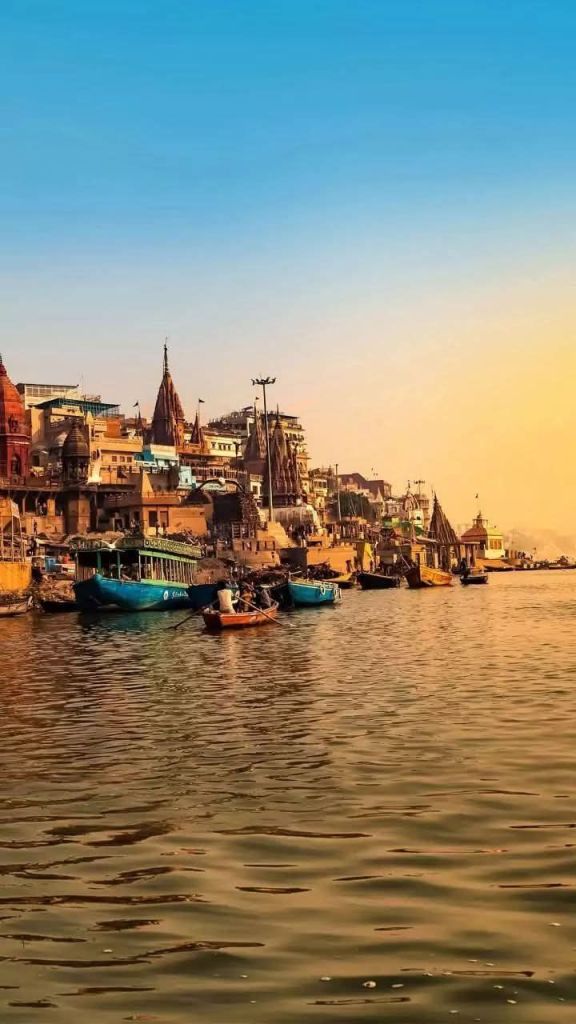
  • Imagine walking through the narrow alleys of a city that has been alive for over 6,000 years, where every step resonates with spiritual energy and every moment is a testament to the divine. Welcome to Varanasi, the spiritual capital of India, where the sacred Ganges River flows and the essence of Hinduism is palpable.


    Varanasi is not just a city; it’s an experience. It’s a place where ancient traditions blend seamlessly with modern life, creating a unique tapestry of culture, spirituality, and history. The city’s ghats, temples, and rituals are a testament to its enduring spiritual essence.


    The ghats of Varanasi are the soul of the city, where life unfolds in all its beauty and complexity. From the Assi Ghat, where morning yoga and meditation sessions take place, to the Dashashwamedh Ghat, where the mesmerizing Ganga Aarti is performed every evening, each ghat has its own story and significance.

    • Dashashwamedh Ghat: Witness the renowned Ganga Aarti, a spectacle of light, sound, and devotion that will leave you spellbound.
    • Manikarnika Ghat: A sacred cremation ground where the cycle of life and death is believed to culminate, symbolizing the Hindu concept of moksha, or liberation from the cycle of rebirth.
    • Assi Ghat: Experience the serene atmosphere and mingle with locals, offering a glimpse into the daily life of Varanasi’s residents.


    Varanasi is home to numerous temples, each with its own unique significance. The Kashi Vishwanath Temple, dedicated to Lord Shiva, is one of the twelve Jyotirlingas and a major pilgrimage site for Hindus. The temple’s spiritual energy is palpable, and the experience of visiting it is deeply moving.

    • Kashi Vishwanath Temple: A sacred site where devotees seek spiritual enlightenment and liberation.
    • Annapurna Temple: A temple dedicated to Goddess Annapurna, the provider of food and nourishment.
    • Durga Temple: A beautiful temple devoted to Goddess Durga, showcasing the city’s rich cultural heritage.

    Varanasi is a city that invites you to embark on a journey of self-discovery. Whether you’re seeking spiritual enlightenment, cultural immersion, or simply a deeper understanding of India’s rich heritage, Varanasi has something to offer.

    As you walk through the city’s alleys, you’ll encounter sages, spiritual leaders, and devotees who embody the city’s spiritual essence. The city’s ancient wisdom, combined with modern understanding, creates a unique atmosphere that fosters spiritual growth and introspection.


    Varanasi is a city that will leave you with unforgettable memories and a deeper understanding of India’s spiritual heritage. Its ghats, temples, and rituals create a tapestry of experiences that will stay etched in your heart forever. Whether you’re a spiritual seeker, a history buff, or simply a curious traveler, Varanasi is a destination that will captivate your senses and nourish your soul.


  • In a world where superheroes and supervillains collide, the Marvel Universe has captivated audiences for decades. From comic books to blockbuster movies, Marvel’s vast array of characters has become an integral part of popular culture.


    The Marvel Universe was born in the 1930s, with the creation of Timely Comics, later known as Marvel Comics. The company’s first superheroes, like the Human Torch and Namor, paved the way for iconic characters like Spider-Man, the X-Men, Iron Man, and Captain America. These characters were not just heroes; they were complex individuals with flaws, fears, and motivations that made them relatable and human.


    The Marvel Cinematic Universe (MCU) has revolutionized the way we experience superhero stories. With movies like The Avengers, Iron Man, and Black Panther, the MCU has brought Marvel characters to life in a way that has captivated audiences worldwide. The MCU’s interconnected storytelling has set a new standard for franchise filmmaking, with each movie building on the last to create a rich and immersive universe.

    Key Characters and Storylines

    • Spider-Man: A teenage superhero with incredible powers and a heart of gold. Spider-Man’s struggles to balance superhero life with personal life have made him a fan favorite.
    • The Avengers: A team of heroes including Iron Man, Captain America, Thor, and Hulk, who come together to save the world from threats too great for one hero to face alone.
    • The X-Men: A group of mutant superheroes fighting for peace and understanding between mutants and humans. Their struggles with prejudice and identity have resonated with audiences worldwide.
    • Doctor Strange: A brilliant surgeon turned sorcerer, who must master the mystic arts to protect the world from magical threats.

    Upcoming Marvel Projects

    • Avengers: Doomsday: A new installment in the MCU, featuring Doctor Doom as the main villain. The movie promises to be an epic showdown between the Avengers and Doom’s powerful forces.
    • Fantastic Four: First Steps: A reboot of the Fantastic Four franchise, exploring the origins of Mr. Fantastic, Invisible Woman, Human Torch, and the Thing.
    • Spider-Man: Brand New Day: A new chapter in the Spider-Man saga, with Tom Holland reprising his role as the web-slinging hero.


    The Marvel Universe is more than just a collection of superheroes; it’s a reflection of our own world, with its complexities, challenges, and triumphs. Marvel’s stories inspire us to be our best selves, to fight for what’s right, and to never give up in the face of adversity. With its rich characters, engaging storylines, and immersive universe, Marvel continues to captivate audiences worldwide.