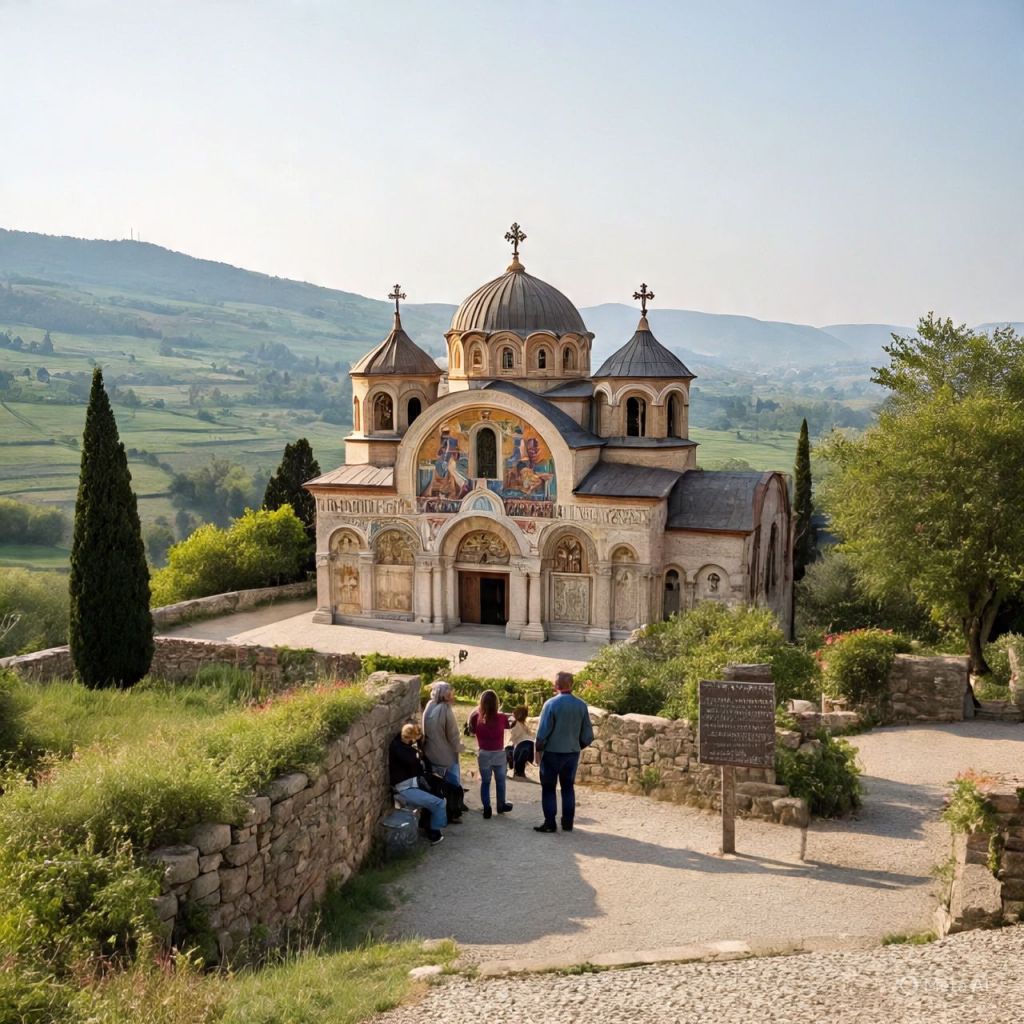
• Imagine walking through ancient streets, surrounded by history and culture, where the aroma of freshly baked banitsa fills the air. Welcome to Bulgaria, a country that seamlessly blends the past with the present, offering a unique experience for every traveler.
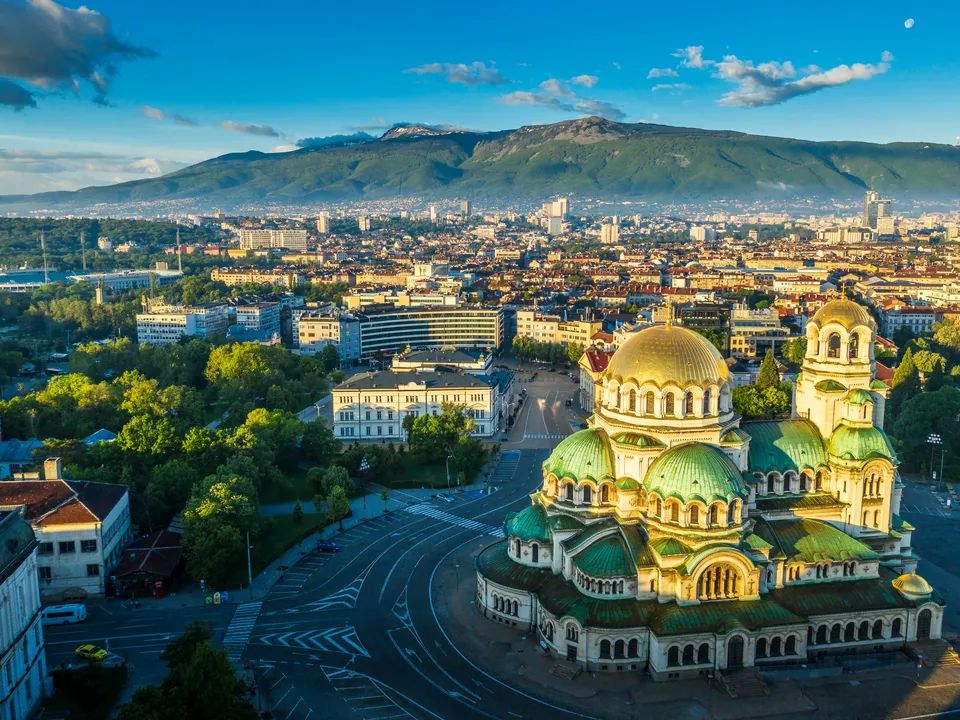
    Bulgaria’s history dates back to the Thracians, Romans, and Ottomans, each leaving their mark on the country’s architecture, cuisine, and traditions. The capital city, Sofia, is home to the Alexander Nevsky Cathedral, a stunning example of Orthodox architecture. The ancient city of Plovdiv, with its cobblestone streets and medieval buildings, is a testament to Bulgaria’s rich cultural heritage.

    Bulgaria is blessed with diverse landscapes, from the snow-capped mountains of the Rila and Pirin ranges to the golden sands of the Black Sea coast. The country is home to numerous national parks, hiking trails, and ski resorts, making it a paradise for outdoor enthusiasts.

    Bulgarians are known for their warm hospitality and love for celebration. The country is famous for its folk music and dance, with the National Folklore Festival in Koprivshtitsa showcasing traditional performances from across the country. Visitors can also experience the vibrant nightlife, with rooftop bars and clubs offering stunning views of the city.

    Bulgarian cuisine is a delicious blend of Mediterranean and Balkan flavors. Some must-try dishes include:

    • Banitsa: A flaky pastry filled with feta cheese, spinach, or minced meat.
    • Shopska salad: A refreshing salad made with tomatoes, cucumbers, onions, and feta cheese.
    • Kebapche: Grilled minced meat sausages, often served with a side of roasted potatoes.

    Bulgaria is a treasure trove of hidden gems, from the ancient tombs of Kazanlak to the scenic town of Veliko Tarnovo, with its medieval fortress and stunning views of the Yantra River. Visitors can also explore the wine region of Melnik, known for its rich red wines and picturesque landscapes.

    Bulgaria is a country that will surprise and delight you. From its rich history and stunning landscapes to its vibrant culture and delicious cuisine, there’s something for everyone in this hidden gem of the Balkans. Whether you’re a history buff, a foodie, or an outdoor enthusiast, Bulgaria is a destination that will leave you wanting more.
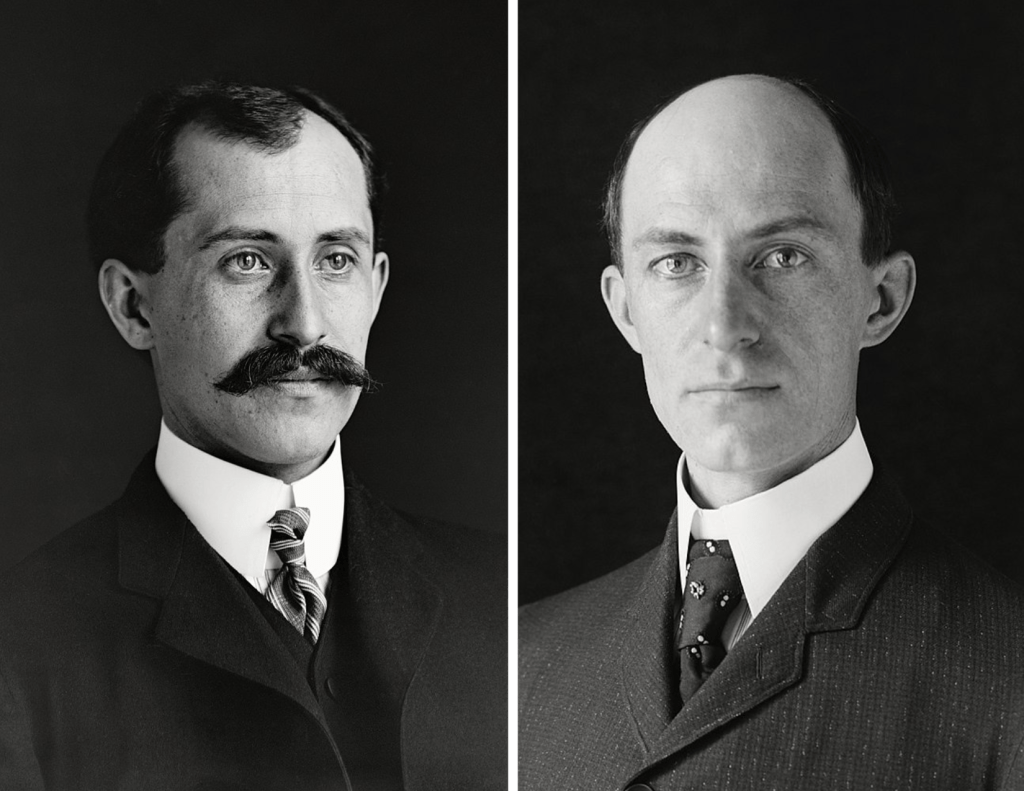
  • In the late 19th century, two brothers from Dayton, Ohio, dared to dream of defying gravity and soaring through the skies. Wilbur and Orville Wright, inventors and aviation pioneers, made history on December 17, 1903, with the first powered, controlled, and sustained flight of an airplane. Their journey was not just about building a machine; it was about pushing the boundaries of human potential.

    Growing up in a family of five children, Wilbur and Orville were close companions, sharing a love for inventing and problem-solving. Their father, Milton Wright, a bishop in the Church of the United Brethren in Christ, encouraged their curiosity. The brothers’ fascination with flight began with a toy helicopter their father brought home, powered by a rubber band. This simple toy sparked a lifelong passion for aeronautics.

    As adults, the Wright brothers opened a bicycle shop in Dayton, where they developed their mechanical skills and experimented with flight. They studied the work of Otto Lilienthal, a German aviator, and began testing gliders at Kitty Hawk, North Carolina. The brothers’ innovative approach to wing design and control led to breakthroughs in aerodynamics. After years of trial and error, they built the Wright Flyer, a powered aircraft that would change the world.

    On a windy day in December 1903, the Wright brothers prepared for their most significant test. Orville, lying prone on the lower wing, took the controls while Wilbur ran alongside to balance the aircraft. At 10:35 a.m., the Wright Flyer lifted off the ground, staying aloft for 12 seconds and covering 120 feet. This momentous achievement marked the beginning of modern aviation.

    The Wright brothers’ invention not only revolutionized transportation but also paved the way for global connectivity. Their legacy extends beyond their technical achievements, inspiring generations of inventors, engineers, and explorers. The brothers’ story is a testament to the power of collaboration, perseverance, and innovation.

    Key Milestones:

    • 1889: The Wright brothers started publishing a weekly newspaper, the West Side News.
    • 1892: They opened the Wright Cycle Company, a bicycle repair and sales shop.
    • 1903: The first powered, controlled, and sustained flight of an airplane.
    • 1908: The Wright brothers demonstrated their aircraft in Europe and the United States.
    • 1910: Wilbur and Orville flew together for the first and only time.

    The Wright brothers’ story is a reminder that with determination and creativity, we can achieve the impossible. What would you like to know more about? The Wright brothers’ invention process, their impact on aviation, or something else?

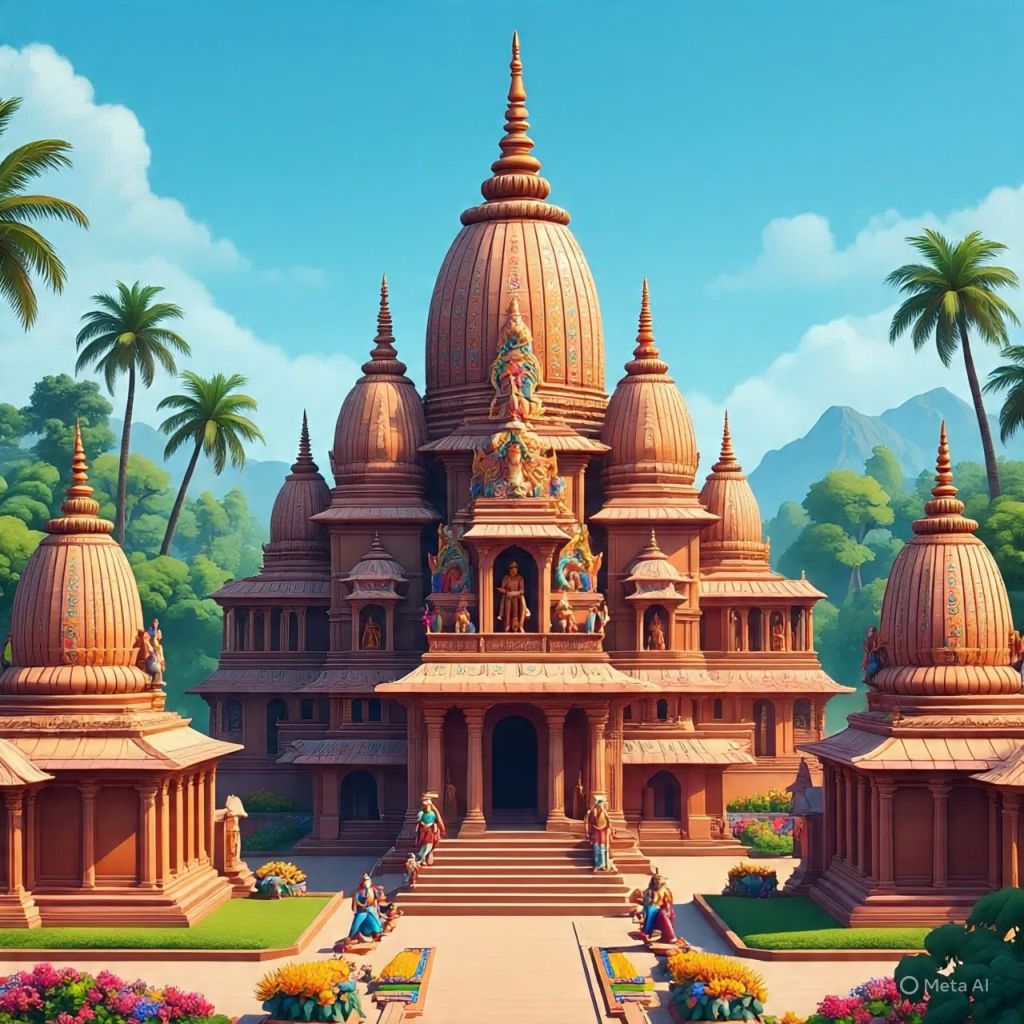
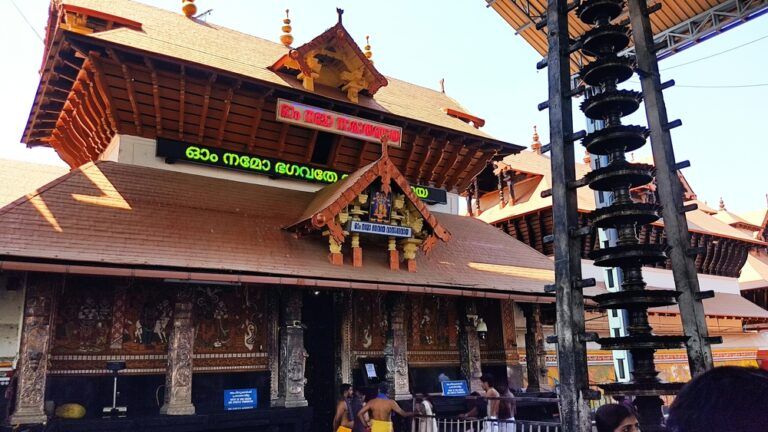
  • In the heart of Kerala, India, lies a sacred shrine that has been a beacon of spirituality for millions of devotees. The Guruvayoor Temple, dedicated to Lord Krishna, is a revered pilgrimage site that embodies the rich cultural heritage and architectural splendor of Kerala.

    According to legend, the temple was constructed by Guru, the preceptor of the gods, and Vayu, the wind god. They installed the deity of Lord Krishna, which was previously worshipped by Lord Vishnu in Vaikuntha. The temple’s history dates back over 5,000 years, and its significance is deeply rooted in Hindu mythology.

    The Guruvayoor Temple is an epitome of Kerala’s traditional architecture, characterized by its gabled roof, wooden carvings, and intricate sculptures. The temple’s sanctum sanctorum is surrounded by a circular enclosure, where devotees can circumambulate the deity during worship. The temple’s towering gopurams, adorned with colorful sculptures and detailed carvings, are a testament to the region’s rich artistic heritage.

    The presiding deity of the temple is Guruvayurappan, a four-armed form of Lord Vishnu. The idol, made of a special stone called Patala Anjana, is adorned with jewels and ornaments. Devotees believe that this deity has immense healing powers and grants blessings to those who approach with sincere devotion.

    The Guruvayoor Temple is known for its vibrant festivals and celebrations throughout the year. Some of the notable festivals include:

    • Guruvayur Utsavam: A 10-day festival that starts with flag hoisting and features elephant processions, music, and dance performances.
    • Ekadashi Festival: A sacred festival that honors Lord Krishna, marked by special poojas and ceremonies.
    • Chembai Music Festival: A celebration of music and art, featuring performances by renowned musicians.

    The Guruvayoor Temple is a place of immense spiritual significance, where devotees can seek solace, peace, and blessings. The temple’s serene atmosphere, combined with its rich history and cultural heritage, makes it a must-visit destination for anyone interested in exploring the spiritual and cultural treasures of India.

    The temple is open to devotees from 3:00 AM to 12:30 PM and 4:30 PM to 9:15 PM. Devotees are required to follow certain rules and regulations, including wearing traditional attire and removing shoes before entering the temple.

    As you plan your visit to the Guruvayoor Temple, immerse yourself in the divine atmosphere and experience the spiritual energy that permeates this sacred shrine.

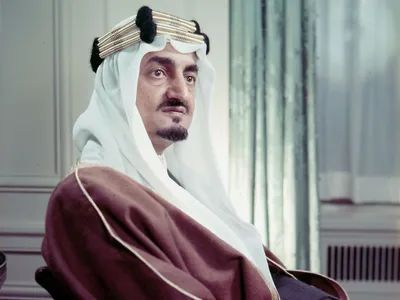
  • In the heart of Saudi Arabia, a legendary leader emerged, leaving an indelible mark on the nation’s history. King Faisal bin Abdulaziz Al Saud, the third king of Saudi Arabia, was a visionary who transformed his country through progressive policies, diplomatic finesse, and a commitment to Islamic solidarity.

    Born on April 14, 1906, in Riyadh, King Faisal was the third son of King Abdulaziz, the founder of modern Saudi Arabia. His mother, Tarfa bint Abdullah Al Sheikh, was from a prominent Saudi religious family. King Faisal’s early life was shaped by his strong Islamic upbringing and his exposure to politics, which prepared him for his future role as a statesman.

    King Faisal ascended to the throne in 1964, following the abdication of his brother, King Saud. His reign was marked by significant reforms, including the establishment of a modern education system, the promotion of women’s education, and the development of the country’s infrastructure.

    King Faisal’s domestic policies were focused on modernizing Saudi Arabia. Some of his notable achievements include ΒΉ Β²:

    • Establishing the Ministry of Education: King Faisal prioritized education, introducing modern curricula and expanding educational institutions.
    • Promoting Women’s Education: He established the first government school for girls in Saudi Arabia, Dar Al Hanan, under the patronage of his wife, Iffat.
    • Developing Infrastructure: King Faisal invested in building roads, hospitals, and other critical infrastructure to support the country’s growth.

    Foreign Policy and Diplomacy

    King Faisal was a skilled diplomat who navigated the complexities of international relations during the Cold War era. Some key aspects of his foreign policy include:

    • Pan-Islamism: King Faisal championed Islamic solidarity, hosting international conferences and promoting cooperation among Muslim nations.
    • Anti-Communism: He opposed communist ideologies, seeking to preserve Saudi Arabia’s Islamic identity.
    • Pro-Palestinian Stance: King Faisal was a strong supporter of the Palestinian cause, advocating for their rights and interests.

    Assassination and Legacy

    Tragically, King Faisal’s life was cut short by an assassination on March 25, 1975. His nephew, Prince Faisal bin Musaid, shot him at the royal palace in Riyadh. Despite his untimely death, King Faisal’s legacy endures Β³:

    • Modernization: He laid the foundation for Saudi Arabia’s modernization, transforming the country into a major world power.
    • Islamic Solidarity: King Faisal’s efforts to promote Islamic cooperation and solidarity continue to shape Saudi Arabia’s foreign policy.
    • Inspiration: His vision, leadership, and commitment to progress inspire future generations of Saudis and leaders around the world.

    King Faisal’s story serves as a testament to the power of visionary leadership and the impact one person can have on a nation’s trajectory.

  • In the late 13th century, a small tribal group of Turks, led by Osman I, began to forge an empire that would change the course of history. This was the birth of the Ottoman Empire, a mighty state that would span over 600 years, covering vast territories in Southeast Europe, Western Asia, and North Africa.

    Osman I, a skilled military leader, laid the foundation of the Ottoman Empire in 1299. He and his followers, known as ghazis or holy warriors, expanded their territory through conquests and strategic alliances. The Ottomans’ early successes were fueled by their military prowess, administrative skills, and tolerance for diversity.

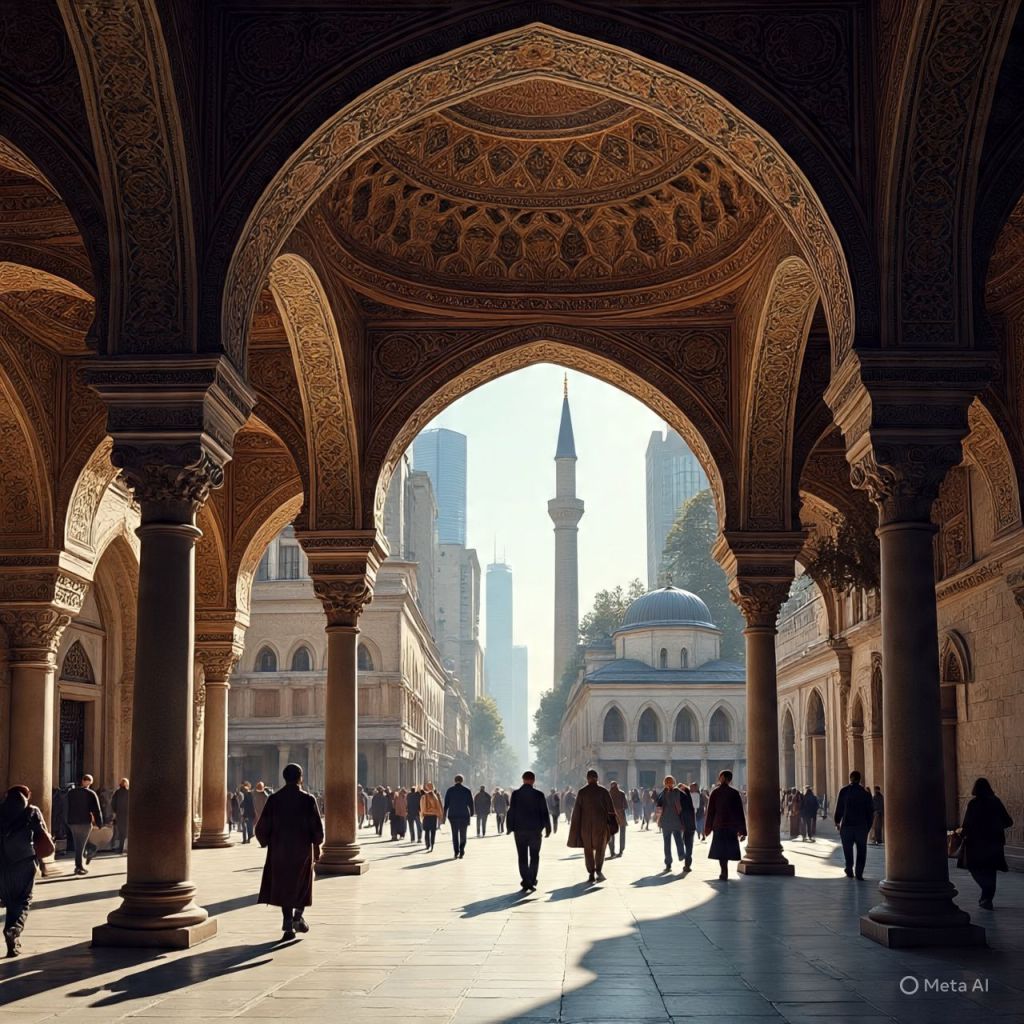
    The Ottoman Empire reached its zenith in the 16th century under the rule of Suleiman the Magnificent. This period was marked by significant military conquests, cultural achievements, and architectural innovations. The Ottomans built magnificent mosques, palaces, and monuments, showcasing their mastery of Islamic art and architecture.

    One of the most notable achievements of the Ottomans was the conquest of Constantinople in 1453, which marked the end of the Byzantine Empire. Mehmed II, the Ottoman sultan, employed massive cannons to breach the city’s walls, and Constantinople became the new capital of the Ottoman Empire, renamed Istanbul.

    The Ottomans developed a sophisticated system of governance, with a strong centralized administration and a well-organized bureaucracy. They also established a system of millets, or autonomous communities, which allowed non-Muslims to govern themselves according to their own laws and customs.

    The Ottoman Empire was a melting pot of cultures, with Muslims, Christians, and Jews living together in relative harmony. The Ottomans patronized the arts, and their court was renowned for its music, literature, and architecture.

    The Ottoman Empire began to decline in the 18th century, weakened by internal strife, corruption, and external pressures. The empire faced challenges from European powers, including the Habsburgs and the Russians, and was eventually partitioned after World War I.

    Despite its decline, the Ottoman Empire left a lasting legacy in the modern world. Its architectural achievements, cultural traditions, and administrative systems continue to inspire and influence people around the world.

    Key Figures:

    • Osman I: Founder of the Ottoman Empire
    • Mehmed II: Conqueror of Constantinople
    • Suleiman the Magnificent: Ottoman sultan who expanded the empire and promoted cultural achievements

    Notable Dates:

    • 1299: Osman I founded the Ottoman Empire
    • 1453: Mehmed II conquered Constantinople
    • 16th century: Ottoman Empire reached its zenith under Suleiman the Magnificent
    • 1922: Ottoman Empire was abolished

    The Ottoman Empire’s story is one of power, legacy, and cultural exchange. Its impact on world history is undeniable, and its legacy continues to shape the modern world.

  • In the heart of South India, a mighty empire once flourished, leaving behind a rich legacy that continues to inspire and awe us today. The Chola Empire, which ruled from the 3rd century BCE to the 13th century CE, was one of the most powerful and influential empires in Indian history.

    The Chola dynasty was founded by Vijayalaya Chola, a brave and ambitious leader who laid the foundation for a vast and prosperous empire. His successors, including Rajaraja Chola I and Rajendra Chola I, expanded the empire’s borders, built magnificent temples, and patronized the arts.

    The Cholas were master builders, and their architectural achievements are still revered today. The Brihadeeswara Temple in Thanjavur, built by Rajaraja Chola I, is a testament to their engineering skills and artistic vision. The temple’s towering vimana, adorned with intricate carvings and sculptures, is a marvel of Indian architecture.

    The Cholas were also known for their efficient and decentralized system of governance. They established a robust administrative system, with a strong emphasis on local self-government and revenue collection. Their system of administration, which included a well-organized bureaucracy and a network of spies, ensured the empire’s stability and prosperity.

    The Chola Empire’s legacy extends far beyond its impressive architectural achievements and administrative systems. They played a significant role in spreading Hinduism and Indian culture throughout Southeast Asia, particularly in present-day Malaysia, Indonesia, and Thailand.

    The Chola Empire’s glorious legacy continues to inspire us today, reminding us of the power of vision, leadership, and creativity. Their achievements in architecture, art, governance, and culture are a testament to the enduring spirit of Indian civilization. As we reflect on the Chola Empire’s remarkable history, we are reminded of the importance of preserving our cultural heritage and building a brighter future for generations to come.

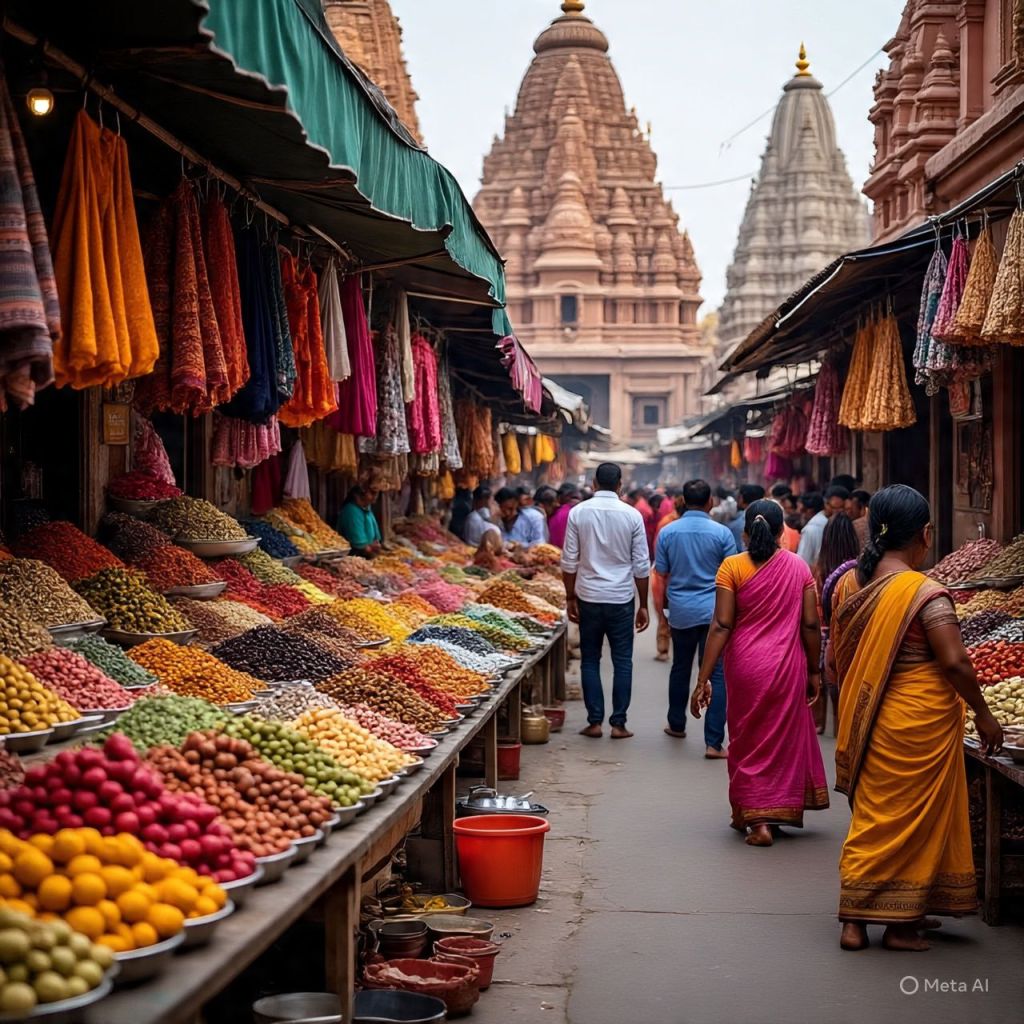
  • As I stepped into the vibrant streets of India’s temple towns, I felt an overwhelming sense of spirituality and history. The air was thick with the scent of incense and the sound of temple bells echoed through the air. Each town was a treasure trove of stories, myths, and legends that seemed to come alive as I walked through the ancient temples.

    The Spiritual Capital of India: Varanasi

    My journey began in Varanasi, one of the oldest living cities in the world. The city’s ghats along the Ganges River were abuzz with devotees performing rituals and priests chanting sacred mantras. The Kashi Vishwanath Temple, dedicated to Lord Shiva, was a marvel of architecture and spirituality. As I watched the Ganga Aarti ceremony, I felt a deep sense of peace and tranquility wash over me.

    From Varanasi, I traveled to Kanchipuram, a city renowned for its stunning temples and exquisite craftsmanship. The Kailasanathar Temple, with its intricate carvings and majestic gopuram, was a testament to the city’s rich cultural heritage. As I explored the city’s temples, I was struck by the beauty and grandeur of the Dravidian architecture.

    My next destination was Tirupati, a city nestled in the hills of Andhra Pradesh. The Sri Venkateswara Temple, dedicated to Lord Vishnu, was a place of immense spiritual significance. As I climbed the stairs to the temple, I felt a sense of anticipation and devotion. The temple’s grandeur and the fervor of the devotees were awe-inspiring.

    Madurai, with its magnificent Meenakshi Amman Temple, was a city that embodied the spirit of South Indian culture. The temple’s towering gopurams and intricate carvings were a marvel of architecture. As I walked through the city’s streets, I was struck by the vibrant colors and the sound of music and laughter.

    • Rameshwaram: A sacred town famous for the Ramanathaswamy Temple and its stunning coastline.
    • Thanjavur: A city renowned for its Brihadeeswarar Temple, a UNESCO World Heritage site.
    • Srirangam: A temple town home to the Ranganathaswamy Temple, one of the largest functioning temples in the world.
    • Hampi: A city steeped in history and mythology, with ancient temples and ruins that whisper tales of the past.

    As I concluded my journey through India’s temple towns, I felt a deep sense of gratitude and wonder. Each town was a window into India’s rich cultural and spiritual heritage, and I was humbled by the experience. Whether you’re a devotee or a history enthusiast, India’s temple towns are a treasure trove of stories, myths, and legends waiting to be explored.

  • Tucked away in the Western Ghats of Kerala, Wayanad is a tranquil and picturesque district that is often overlooked by travelers. But trust me, this hidden gem is worth exploring. With its lush green forests, rolling hills, and serene lakes, Wayanad is a nature lover’s paradise.

    As I stepped into this enchanting district, I was immediately struck by its natural beauty. The air was crisp and clean, filled with the sweet scent of blooming flowers and the chirping of birds. The scenic landscapes, dotted with quaint villages and tea plantations, were a treat to behold.

    A Journey Through Wayanad’s Scenic Landscapes

    My journey began in the charming town of Kalpetta, which serves as the district headquarters. From there, I set out to explore the district’s many attractions. One of the first places I visited was the Chembra Peak, which offers breathtaking views of the surrounding landscape. The trek to the peak was an exhilarating experience, with the wind rushing past me as I climbed higher and higher.

    Next, I headed to the Banasura Sagar Dam, which is the largest earthen dam in India. The dam is surrounded by lush green forests and offers stunning views of the surrounding hills. I spent hours sitting by the dam, watching the sunset and soaking in the peaceful atmosphere.

    Wayanad is not just about natural beauty; it is also home to a rich cultural heritage. The district is home to many ancient temples, including the Thirunelli Temple, which is one of the most sacred temples in Kerala. The temple’s stunning architecture and serene surroundings made it a must-visit destination.

    No trip to Wayanad would be complete without trying the local cuisine. The district is famous for its traditional dishes, such as Pathiri (a type of rice cake) and Kozhukkatta (a sweet dumpling). I enjoyed every bite of the delicious food, which was made with love and care.

    Wayanad is a hidden gem that is waiting to be explored. With its stunning natural beauty, rich cultural heritage, and delicious cuisine, it is a destination that has something for everyone. So, pack your bags and head to Wayanad – you won’t be disappointed!

  • As I stepped into the majestic Hagia Sophia, the grandeur of the Byzantine Empire hit me like a wave. The intricate mosaics, the soaring domes, and the rich history seemed to transport me to a bygone era. The Byzantine Empire, also known as the Eastern Roman Empire, was a powerhouse of politics, culture, and spirituality that left an indelible mark on the world.

    The Byzantine Empire was born from the ashes of the Roman Empire, with its capital in Constantinople (modern-day Istanbul). The empire’s early years were marked by the reign of Emperor Constantine, who legalized Christianity and established the foundation for the Byzantine Empire’s unique blend of Roman and Christian traditions.

    The Byzantine Empire was a hotbed of innovation, artistry, and intellectual pursuits. Some of its notable achievements include:

    • Preservation of Classical Knowledge: Byzantine scholars preserved and transmitted ancient Greek and Roman texts, which played a crucial role in the Renaissance.
    • Byzantine Architecture: The empire’s architectural style, characterized by grand domes and intricate mosaics, influenced the development of art and architecture in Europe and beyond.
    • Christianity and the Orthodox Church: The Byzantine Empire played a significant role in the spread of Christianity, and the Orthodox Church remains a vital part of the empire’s legacy.

    Despite its many achievements, the Byzantine Empire faced numerous challenges, including internal power struggles, external threats, and economic decline. The empire’s eventual collapse in 1453, at the hands of the Ottoman Turks, marked the end of an era.

    As I explored the ruins of the Byzantine Empire, I couldn’t help but reflect on the lessons that can be learned from its history:

    • Resilience is key: The Byzantine Empire faced numerous challenges, but its ability to adapt and persevere allowed it to endure for over a thousand years.
    • Cultural exchange is vital: The empire’s strategic location facilitated the exchange of ideas, cultures, and trade, which contributed to its growth and prosperity.
    • Legacy lives on: The Byzantine Empire’s legacy continues to inspire and influence art, architecture, and spirituality to this day.

    Unveiling the Mystique

    The Byzantine Empire’s story is a testament to the power of human creativity, resilience, and determination. As we explore the empire’s achievements and collapse, we gain a deeper understanding of the complexities of history and the importance of preserving our cultural heritage.

    Explore Further

    If you’re fascinated by the Byzantine Empire, here are some recommended reads and resources:

    • “The Byzantine Empire” by Norwich: A comprehensive history of the empire.
    • “The Cambridge History of the Byzantine Empire”: A detailed and authoritative guide.
    • Hagia Sophia: Visit the iconic landmark in Istanbul, Turkey.

    The Byzantine Empire’s legacy is a reminder that even the most powerful civilizations can rise and fall, but their impact on human history can be eternal.

  • As I walked into the packed stadium, the electric atmosphere and deafening roar of the crowd took me back to the rich history of the game. Football, or soccer as it’s known in some parts of the world, is more than just a sport – it’s a global phenomenon that has captured the hearts of billions.

    The earliest evidence of games similar to football being played dates back to ancient civilizations in China, Greece, and Rome. In China, a game called cuju was played as early as the 2nd century BC, where players kicked a ball into a hole. The ancient Greeks and Romans also played games that involved ball-kicking and carrying, which were often played for entertainment and as a way to showcase physical prowess.

    Fast-forward to 19th-century England, where the modern version of football was born. In 1863, the Football Association was established, and the first official rules were set, standardizing the game and paving the way for its widespread popularity. The rules were developed by a committee of public schools, including Charterhouse, Eton, and Harrow, with the aim of creating a unified set of rules for the game.

    As British sailors and traders traveled the world, they brought football with them, introducing the game to new countries and cultures. The first international match was played between England and Scotland in 1872, and the sport quickly gained popularity across Europe and beyond. The FIFA World Cup, the most widely viewed sporting event in the world, was first held in 1930 in Uruguay and has since become a global phenomenon, with teams from over 200 countries competing for the coveted trophy.

    Over the years, football has undergone significant changes, from the introduction of the World Cup to the development of new technologies and playing styles. The game has also become more global, with players from diverse backgrounds and countries making their mark on the sport. The introduction of the Copa Libertadores, the UEFA Champions League, and the English Premier League has further increased the game’s popularity and competitiveness.

    Football is more than just a game; it’s a way of life. It has the power to unite people across cultures and borders, providing a common language and a shared passion. Football has also been a platform for social change, with many players and teams using their influence to promote equality, justice, and human rights.

    As the game continues to evolve, it’s exciting to think about what the future holds. With advancements in technology, social media, and player development, the sport is more accessible and engaging than ever. The growth of women’s football, the increasing popularity of the sport in new markets, and the development of new competitions and formats will likely shape the future of the game.

    The history of football is a rich and fascinating story that spans centuries and continents. From its ancient roots to its modern-day global phenomenon, the sport has captured the hearts of billions. Whether you’re a die-hard fan or a casual observer, football has something to offer everyone.

    As I left the stadium, the final whistle still echoing in my ears, I couldn’t help but feel grateful for the beautiful game and its ability to bring people together. Whether you’re a fan of the sport or just discovering it, there’s no denying the power and passion of football.