Reza Pahlavi is one of the most discussed yet misunderstood figures in modern Iranian politics. As the son of Iran’s last Shah, Mohammad Reza Pahlavi, his name carries history, controversy, nostalgia, and resistance—all at once.
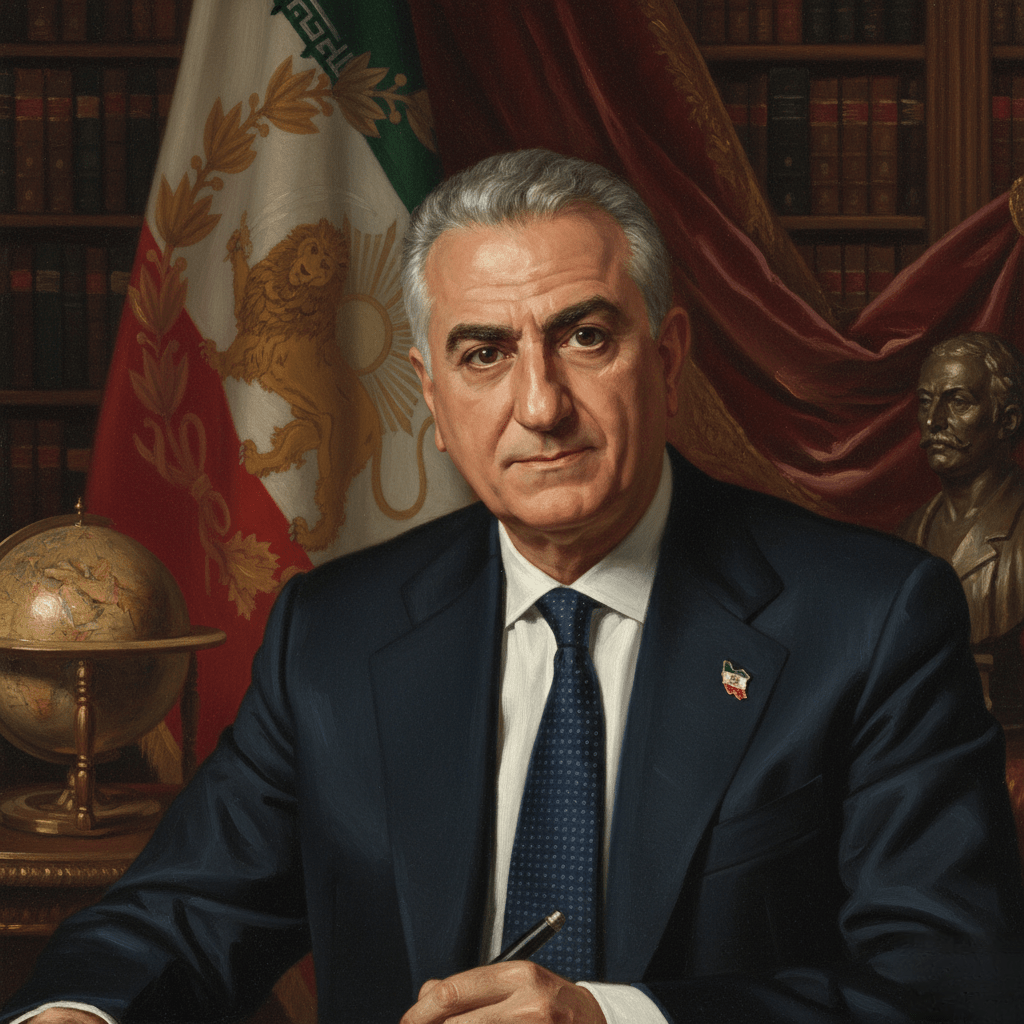
Born in 1960, Reza Pahlavi was named Crown Prince during a time when Iran stood at a crossroads between modernization and deep political unrest. The 1979 Iranian Revolution changed everything. The monarchy collapsed, the royal family went into exile, and Iran entered a new era under the Islamic Republic.
Unlike many political figures shaped by power, Reza Pahlavi was shaped by its loss.
Life in Exile, Voice in Opposition
Since leaving Iran, Reza Pahlavi has lived mostly in the United States. Over the decades, he has positioned himself not as a ruler-in-waiting, but as a supporter of democratic transition. He has consistently stated that Iran’s future leadership should be decided by its people—not imposed by monarchy or clerical rule.
This stance has earned him both supporters and critics.
To some Iranians, especially those who remember pre-revolution Iran, he represents stability, national pride, and a lost sense of global standing. To others, he is a reminder of a system they believe failed to protect political freedom.
Yet, his relevance has grown again in recent years.
A Unifying Figure in a Divided Opposition
As protests and civil unrest continue inside Iran, Reza Pahlavi has increasingly appeared as a unifying voice among fragmented opposition groups. Rather than promoting restoration of the monarchy, he often speaks about secular governance, human rights, women’s freedom, and national reconciliation.
His message is strategic:
Iran’s problem is not about replacing one ruler with another—it is about rebuilding trust between the state and its people.
In a political landscape filled with ideological extremes, this moderate positioning makes him stand out.
Legacy Beyond the Crow
Reza Pahlavi’s influence today is less about royal lineage and more about symbolism. He represents an alternative narrative—one that challenges both authoritarian theocracy and violent revolution.
Whether he will ever play a direct political role inside Iran remains uncertain. But his presence in global discussions about Iran’s future is undeniable.
 Histopedia
Leave a comment