In the early 1980s, Richard Branson, the eccentric and charismatic founder of Virgin Group, set his sights on the airline industry. With a bold vision to shake up the status quo, Branson launched Virgin Atlantic Airways, challenging the dominance of established carriers.
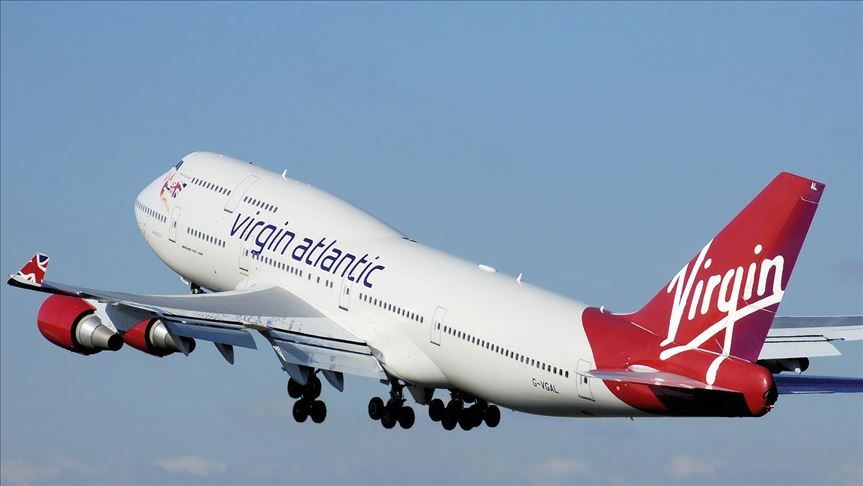
Virgin Airlines’ maiden flight took off on June 22, 1984, from London’s Gatwick Airport to Newark, New Jersey. The airline’s inaugural aircraft, a Boeing 747-200, was christened “Maiden Voyager.” Branson’s unconventional approach to air travel, emphasizing style, comfort, and customer service, quickly gained attention.
The early years were marked by intense competition and regulatory hurdles. Virgin Airlines faced opposition from established carriers, including British Airways, which would later lead to a high-profile “dirty tricks” scandal. Despite these obstacles, Branson’s determination and innovative spirit propelled the airline forward.
Virgin Airlines expanded rapidly, introducing new routes and services. The airline’s commitment to customer experience led to pioneering features like:
- Upper Class: A revolutionary business-class product with seat-back screens and gourmet meals.
- In-flight Entertainment: Innovative entertainment systems and live TV broadcasts.
- Lounge Experience: Luxurious airport lounges with showers, spas, and fine dining.
Key milestones contributed to Virgin Airlines’ success:
- 1991: Introduction of the Upper Class product.
- 1999: Launch of Virgin Atlantic’s low-cost carrier, Virgin Express.
- 2004: Expansion into the US market with Virgin America.
Legacy and Impact
Today, Virgin Airlines is a respected global carrier, known for its:
- Customer-centric Approach: Prioritizing passenger experience and comfort.
- Innovative Spirit: Continuously pushing boundaries in air travel.
- Brand Iconicity: A recognizable brand synonymous with style and rebellion .
 Histopedia
Leave a comment