The Southeast Asian nation of Myanmar, formerly known as Burma, has undergone a significant transformation in recent years. This journey through time explores the country’s rich history, cultural heritage, and the changes that have shaped its identity.
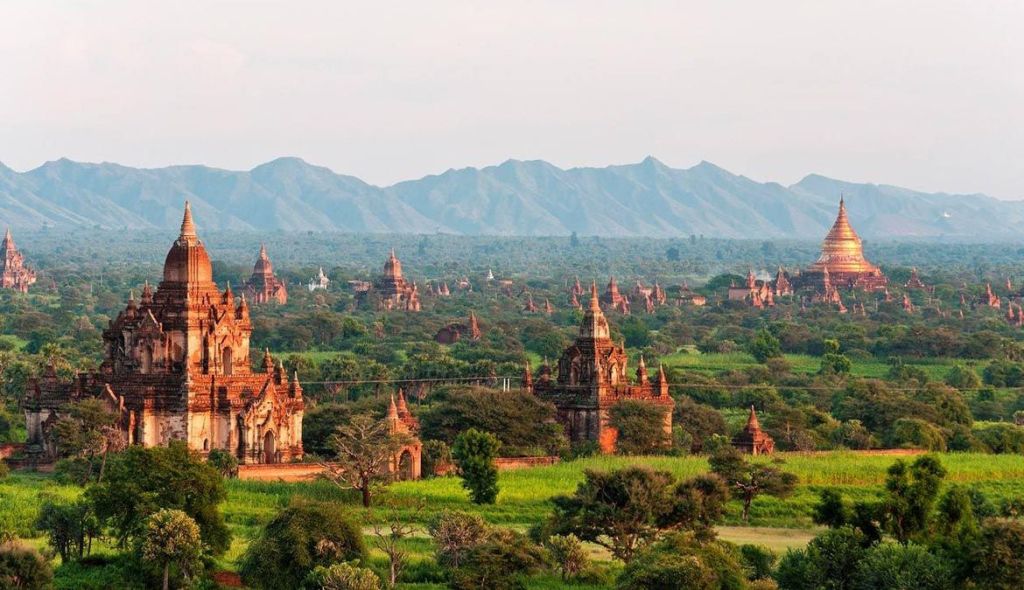
Burma’s history dates back to the 11th century, with the Pagan Kingdom being a notable period in its ancient past. The country was later colonized by the British in the 19th century, which had a profound impact on its culture, economy, and politics.
The Name Change: Burma to Myanmar
In 1989, the military government of Burma changed the country’s name to Myanmar. This change was part of a broader effort to shed the country’s colonial legacy and assert its independence. However, the name change has been a subject of controversy, with some arguing that it was imposed without sufficient consultation with the people.
Myanmar is home to a rich cultural heritage, with Buddhism playing a significant role in its traditions and daily life. The country’s stunning temples, vibrant festivals, and warm hospitality are just a few aspects of its unique culture.
Myanmar has faced numerous challenges in recent years, including economic struggles, political instability, and human rights concerns. However, the country has also made significant progress in areas such as tourism, infrastructure development, and economic reforms.
As Myanmar continues to evolve and grow, it is essential to acknowledge its complex history and cultural heritage. By understanding the country’s past and present, we can better appreciate its unique identity and the opportunities that lie ahead.
The transformation of Burma to Myanmar is a story of a nation’s journey through time, shaped by its history, culture, and people. As the country continues to grow and develop, it is essential to respect its unique identity and the complexities of its past.
 Histopedia
Leave a comment