The F-35 Lightning II is a fifth-generation, multirole fighter aircraft designed to meet the diverse needs of modern warfare. With its advanced stealth capabilities, cutting-edge sensors, and network-centric design, the F-35 has become a cornerstone of military aviation.
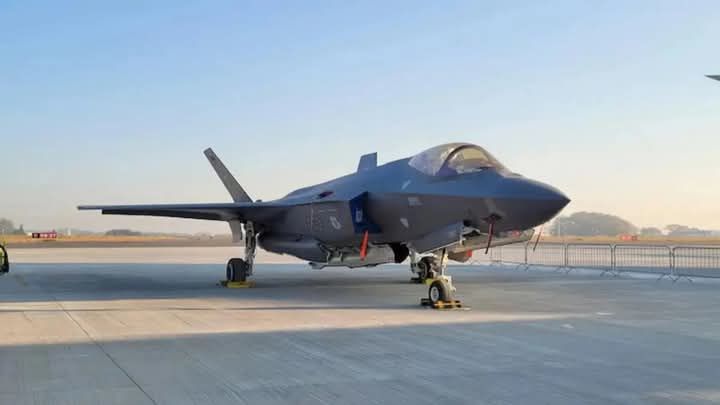
The Development of the F-35
The F-35 program was initiated in the early 2000s, with Lockheed Martin selected as the primary contractor. The aircraft’s development was marked by significant technological advancements, including the use of advanced materials, sophisticated sensors, and advanced software.
Key Features of the F-35
The F-35 boasts several key features that make it a formidable fighter aircraft:
- Stealth capabilities: The F-35’s design and materials reduce its radar cross-section, making it difficult to detect.
- Advanced sensors: The F-35’s sensors provide unparalleled situational awareness, enabling pilots to detect and engage targets more effectively.
- Network-centric design: The F-35’s ability to share data with other aircraft and ground systems enhances its combat effectiveness.
Variants of the F-35
The F-35 comes in three variants, each designed to meet specific operational requirements:
- F-35A: Conventional takeoff and landing (CTOL) variant for the US Air Force and other countries.
- F-35B: Short takeoff and vertical landing (STOVL) variant for the US Marine Corps and Royal Navy.
- F-35C: Carrier variant (CV) for the US Navy.
Operational Capabilities
The F-35’s operational capabilities include:
- Air-to-air combat: The F-35’s advanced sensors and maneuverability make it a formidable opponent in dogfighting.
- Air-to-ground strikes: The F-35’s precision-guided munitions enable it to conduct effective air-to-ground strikes.
- Intelligence, surveillance, and reconnaissance (ISR): The F-35’s sensors and advanced data links enable it to conduct ISR missions.
Global Adoption
The F-35 has been adopted by several countries, including the United States, United Kingdom, Canada, Australia, and Norway. Its advanced capabilities and interoperability make it an attractive option for nations seeking to modernize their air forces.
The F-35 Lightning II represents a significant leap forward in military aviation, with its advanced stealth capabilities, sophisticated sensors, and network-centric design. As the F-35 continues to evolve and improve, it will remain a vital component of modern military forces for years to come.

 Histopedia
Leave a comment