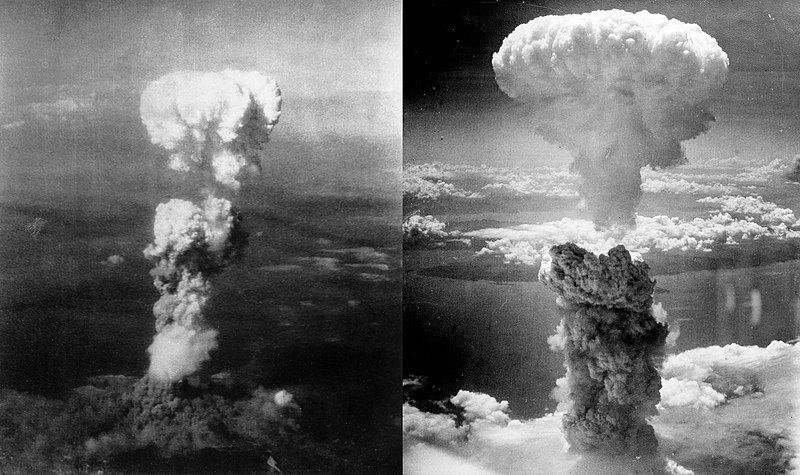
August 6 and 9, 1945, are etched in the collective memory of humanity as the days when the world witnessed the devastating effects of atomic warfare. The bombing of Hiroshima and Nagasaki by the United States marked a turning point in World War II, but it also left an indelible scar on Japan. The road to recovery was long and arduous, but the Japanese people’s resilience, determination, and collective effort enabled them to rebuild and rise from the ashes.
The Immediate Aftermath
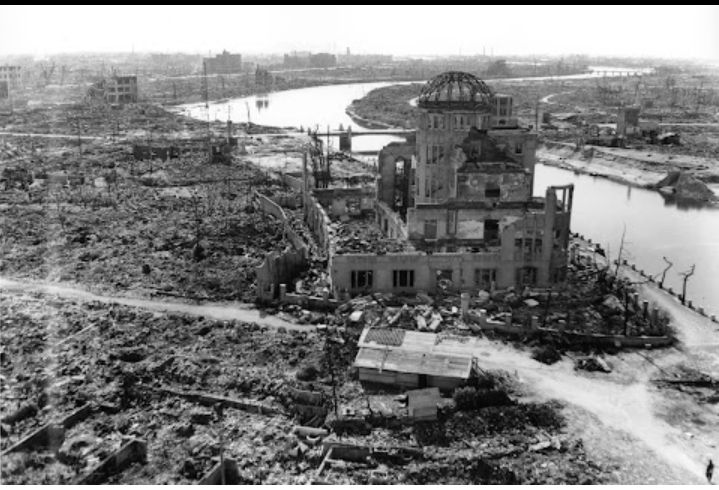
The atomic bombings of Hiroshima and Nagasaki resulted in unprecedented destruction and loss of life. The blasts and subsequent fires killed an estimated 140,000 people in Hiroshima and 80,000 in Nagasaki, with many more suffering from injuries and radiation sickness. The cities were reduced to rubble, with infrastructure, homes, and businesses destroyed.
The Path to Recovery
In the face of unimaginable devastation, the Japanese people demonstrated remarkable resilience and determination. The government, led by Emperor Hirohito, played a crucial role in coordinating relief efforts and rebuilding the country. The international community, including the United States, also provided significant aid and support.
Reconstruction and Rebirth
The reconstruction of Hiroshima and Nagasaki was a gradual process that spanned decades. The Japanese government invested heavily in rebuilding infrastructure, including roads, bridges, and public buildings. New industries emerged, and existing ones were revitalized, driving economic growth and job creation.
Memorialization and Remembrance
As Japan rebuilt and recovered, the country also made a concerted effort to memorialize and remember the atomic bombings. The Hiroshima Peace Memorial Park and Museum, established in 1955, serve as a poignant reminder of the devastating effects of nuclear warfare. The park’s iconic Atomic Bomb Dome, a UNESCO World Heritage Site, is a powerful symbol of peace and nuclear disarmament.
Lessons Learned and Legacy
The atomic bombings of Hiroshima and Nagasaki left an indelible mark on Japan and the world. The tragedy served as a catalyst for the country’s commitment to peace, nuclear disarmament, and international cooperation. Today, Japan continues to play a leading role in promoting global peace and security, while also serving as a beacon of hope and resilience for nations facing adversity.
The recovery of Japan from the atomic bombings of Hiroshima and Nagasaki is a testament to the strength and resilience of the human spirit. From the ashes of devastation, Japan rose to become a thriving, peaceful nation, committed to promoting global understanding and cooperation. As we reflect on this pivotal moment in history, we are reminded of the importance of perseverance, collective effort, and the pursuit of peace.
 Histopedia
Leave a comment