Dubai, one of the seven emirates of the United Arab Emirates (UAE), has undergone a transformation of epic proportions over the past few decades. From its humble beginnings as a small trading port to its current status as a luxurious oasis and a hub of international business, tourism, and innovation, Dubai’s evolution is a fascinating story of vision, determination, and progress.
Early Days: A Small Trading Port (Pre-1960s)
Dubai’s history dates back to the 18th century when it was a small trading port, relying heavily on pearl diving and fishing. The emirate’s strategic location at the mouth of the Creek made it an attractive spot for merchants and traders from India, Iran, and other parts of the Middle East. The Al Maktoum dynasty, which still rules Dubai today, played a significant role in shaping the emirate’s early development.
Discovery of Oil and the Birth of Modern Dubai (1960s-1980s)
The discovery of oil in Dubai in 1966 marked the beginning of a new era for the emirate. The oil revenues enabled the government to invest in infrastructure development, including roads, bridges, and buildings. This period also saw the establishment of Dubai’s first free zone, the Jebel Ali Free Zone, which attracted foreign investment and helped establish Dubai as a major business hub.
Visionary Leadership and Rapid Growth (1990s-2000s)
The 1990s and 2000s saw Dubai’s transformation into the modern, luxurious oasis we know today. Under the visionary leadership of Sheikh Mohammed bin Rashid Al Maktoum, Dubai embarked on a series of ambitious development projects, including:

- Palm Jumeirah: A man-made island in the shape of a palm tree, which became a symbol of Dubai’s engineering prowess and luxury lifestyle.
- Burj Al Arab: A 7-star hotel that redefined the concept of luxury hospitality.
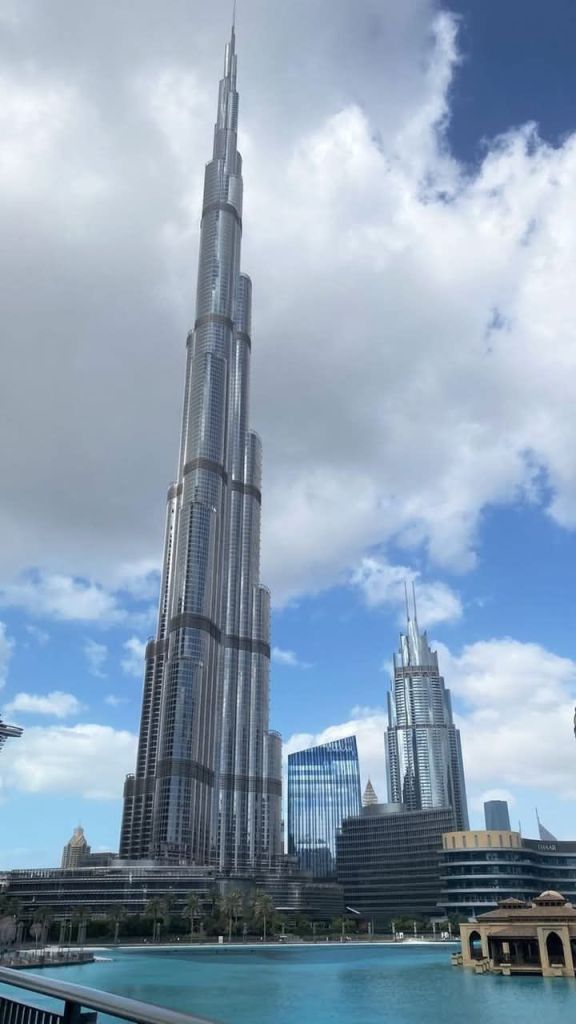
- Dubai Mall: One of the world’s largest shopping malls, featuring over 1,200 stores and attractions like the Dubai Fountain Show.
- Dubai International Airport: A state-of-the-art airport that has become a major hub for international travel.
Sustainability and Innovation (2010s-Present)
In recent years, Dubai has shifted its focus towards sustainability and innovation. The emirate has set ambitious targets to reduce its carbon footprint and become a leader in renewable energy. Dubai has also invested heavily in emerging technologies like artificial intelligence, blockchain, and the Internet of Things (IoT).
Some notable initiatives include:
- Dubai Clean Energy Strategy: Aims to generate 75% of Dubai’s energy from clean sources by 2050.
- Dubai Future District: A dedicated hub for innovation and entrepreneurship, featuring cutting-edge infrastructure and facilities.
- Expo 2020: A global event that showcased Dubai’s commitment to innovation, sustainability, and international cooperation.
Dubai’s evolution is a testament to the power of vision, determination, and collaboration. From its humble beginnings as a small trading port to its current status as a luxurious oasis and a hub of international business, tourism, and innovation, Dubai’s transformation is an inspiration to cities and nations around the world. As Dubai continues to push the boundaries of innovation and sustainability, it’s exciting to think about what the future holds for this remarkable city.
Timeline:
- 18th century: Dubai established as a small trading port
- 1966: Oil discovered in Dubai
- 1970s: Infrastructure development and establishment of free zones
- 1990s-2000s: Rapid growth and development of iconic projects like Palm Jumeirah, Burj Al Arab, and Dubai Mall
- 2010s-present: Focus on sustainability and innovation, with initiatives like Dubai Clean Energy Strategy and Dubai Future District
 Histopedia
Leave a comment