The first President of India was Dr. Rajendra Prasad. He served as the President of India from January 26, 1950, to May 13, 1962. Here are some key points about him:
- Born on December 3, 1884, in Siwan, Bihar
- Educated at the University of Calcutta and later at the University of Allahabad
- Joined the Indian National Congress in 1916 and became a close associate of Mahatma Gandhi
- Played a key role in the Indian independence movement
- Served as the President of the Indian National Congress in 1934 and 1939
- Became the first President of India after independence and served two terms
- Known for his simple living, honesty, and integrity
- Died on February 28, 1963
Some of his notable achievements include:
- Signing the Indian Constitution into law on January 24, 1950
- Establishing the Supreme Court of India
- Appointing the first Chief Justice of India
- Presiding over the first general elections in India in 1952
- Strengthening India’s international relations
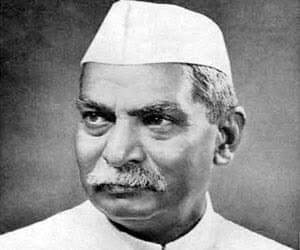
Dr. Rajendra Prasad is remembered as a symbol of India’s struggle for independence and a champion of democracy and secularism.
Here are some additional facts about Dr. Rajendra Prasad:
- Early Life: Born to Mahadev Sahay and Kamleshwari Devi in Siwan, Bihar, in 1884.
- Education: Studied at the University of Calcutta, Presidency College, and later at the University of Allahabad.
- Career: Taught at various colleges, including the University of Calcutta and Allahabad University.
- Politics: Joined the Indian National Congress in 1916, influenced by Mahatma Gandhi’s non-violent resistance movement.
- Independence Movement: Played a key role in the Non-Cooperation Movement (1920-1922), the Civil Disobedience Movement (1930-1934), and the Quit India Movement (1942-1944).
- Constitutional Assembly: Served as the President of the Constituent Assembly, which drafted India’s Constitution.
- President of India: Became the first President of India on January 26, 1950, and served two terms until May 13, 1962.
- Awards: Received the Bharat Ratna, India’s highest civilian honor, in 1962.
- Legacy: Remembered for his simplicity, integrity, and commitment to democracy and secularism.
- Writings: Authored several books, including “India Divided” and “At the Feet of Mahatma Gandhi”.
- Personal Life: Married to Rajvanshi Devi and had a son, Mrityunjay Prasad.
Dr. Rajendra Prasad’s life and legacy continue to inspire Indians and people around the world. His dedication to democracy, secularism, and social justice remains a guiding force for India’s development.
 Histopedia
Leave a comment